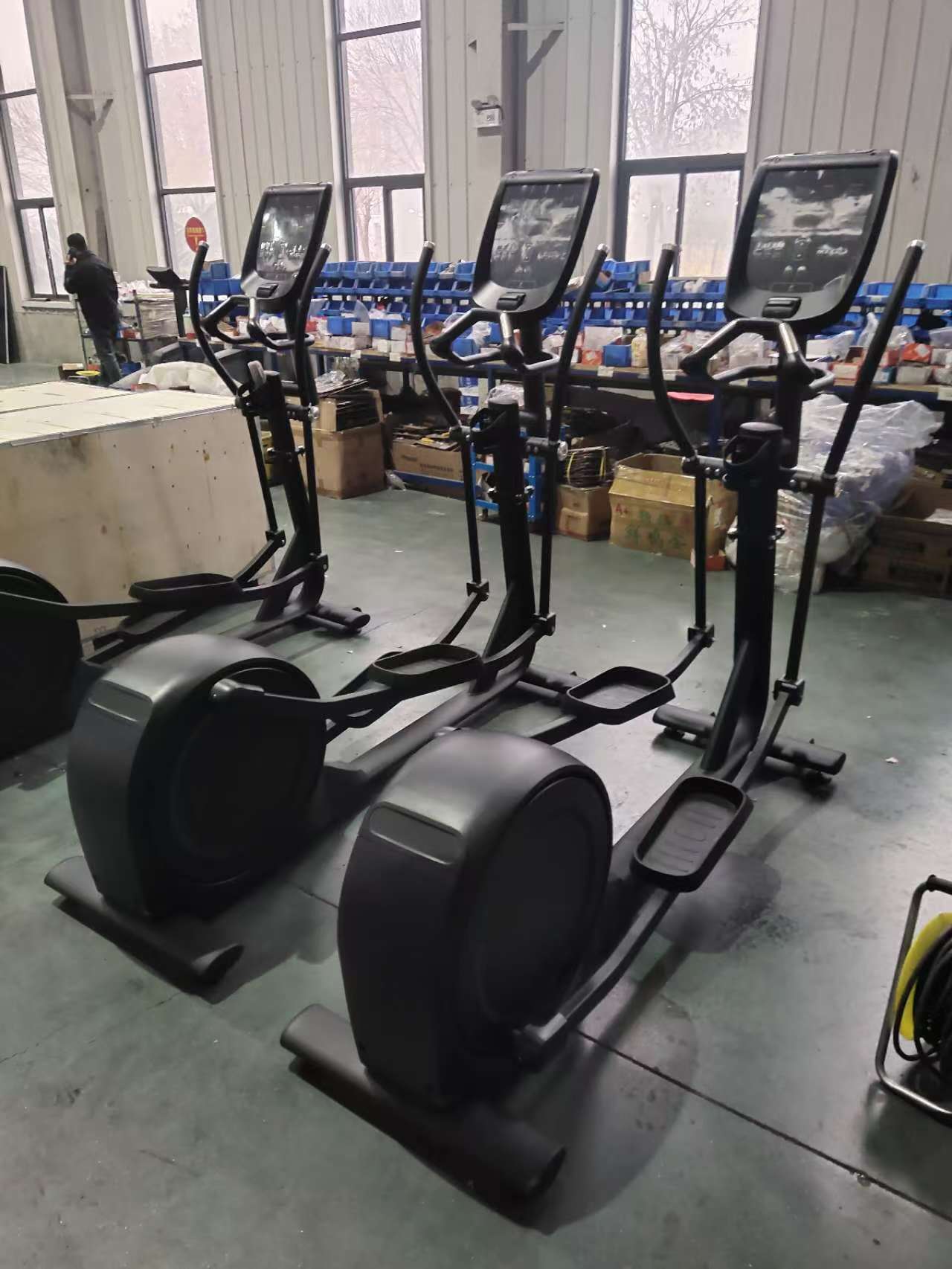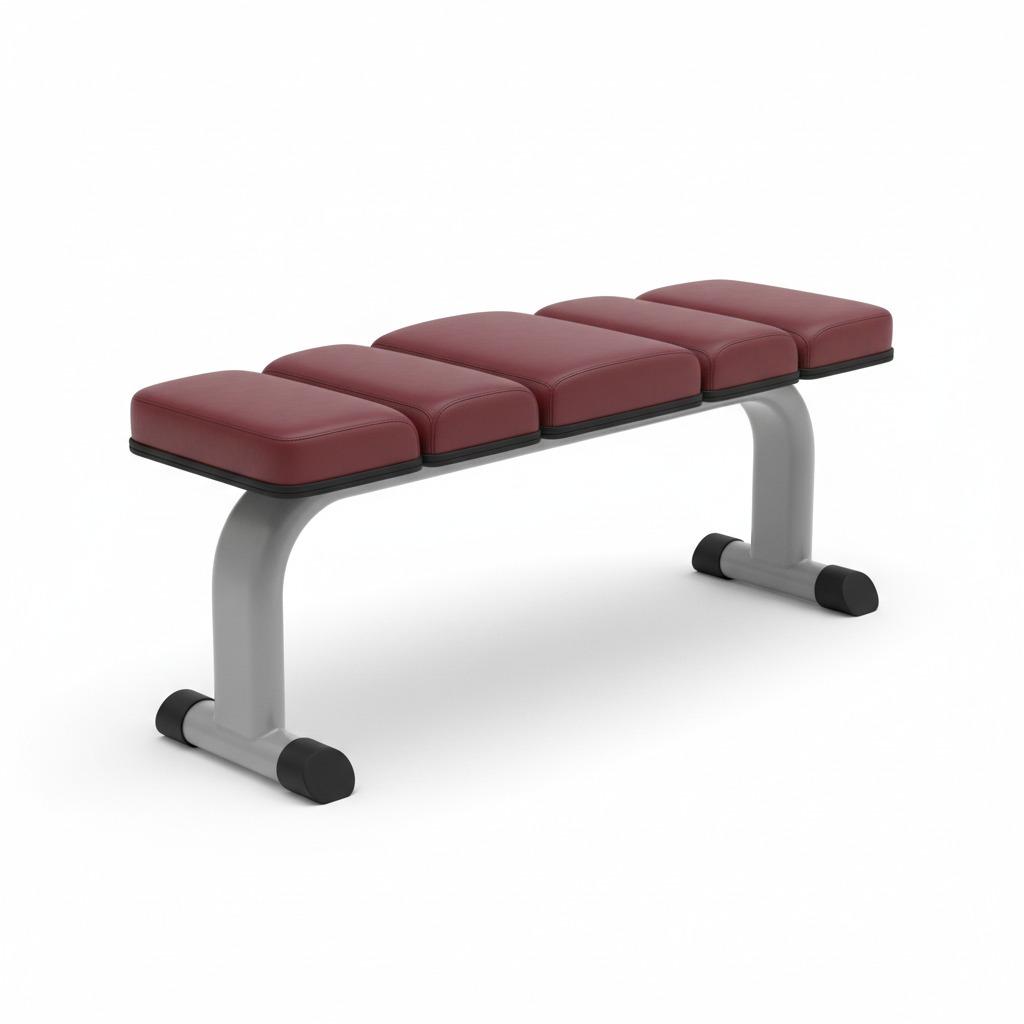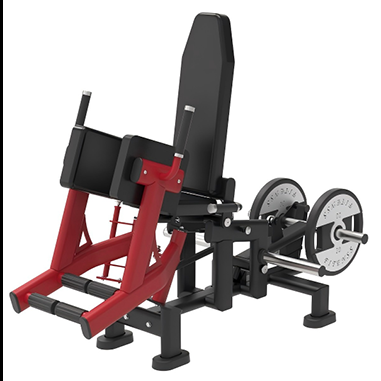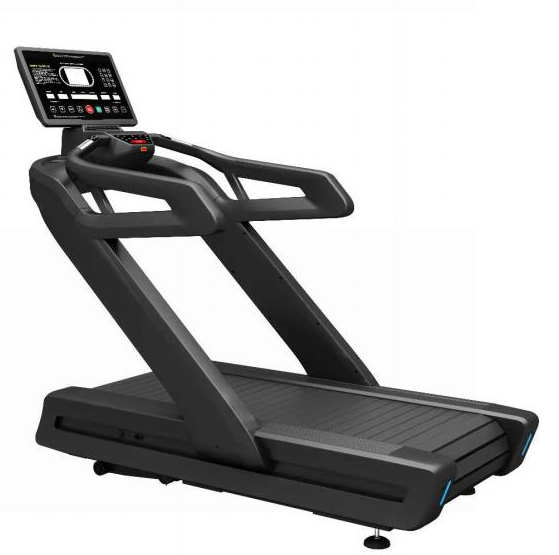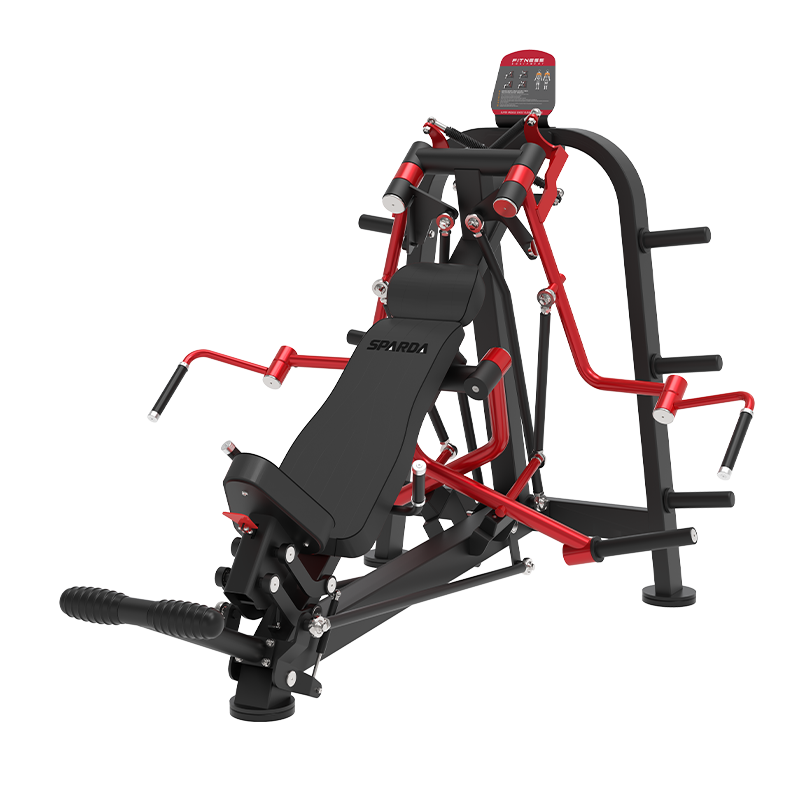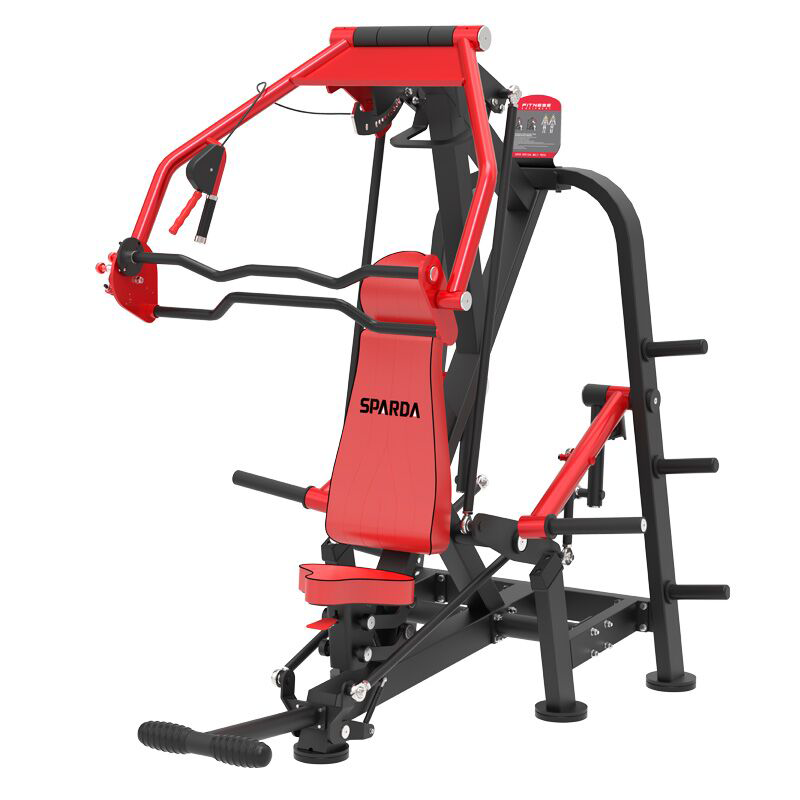



Why buyers pay close attention to a plate loaded strength machine
A plate loaded strength machine sits in a useful middle ground for many gyms: it delivers the feel of free weights, but with more guidance than a barbell or dumbbell setup. For operators, that matters because it can help new lifters train with better control while still giving experienced users the loading potential they expect from serious strength training equipment. For sourcing teams, it matters for a different reason. A machine of this type has to survive repeated heavy use, resist frame movement, and still feel smooth enough that members trust it.
That is why the buying conversation rarely starts with color or upholstery. It usually starts with structure, frame thickness, weld quality, lever geometry, and whether the machine is built for a real commercial floor or just looks the part. The wrong choice can turn into maintenance calls, unhappy users, and a cramped strength area that does not earn its footprint.
What a plate loaded machine is designed to do
In simple terms, a plate loaded workout machine uses weight plates as its resistance source rather than a built-in weight stack. The user loads plates onto designated horns or pegs, then works through a guided movement pattern. That design gives the machine a few practical advantages:
It lets the gym use the same plate inventory across multiple stations.
It can offer progressive loading without the fixed jump sizes of a stack system.
It often creates a more natural training feel for lifters who prefer heavier work.
But there is a trade-off. Because the machine is exposed to higher peak loads and more aggressive use, the structure must be robust. This is where a heavy duty fitness machine earns its keep. If the frame flexes too much or the moving arms feel sloppy, the experience quickly stops feeling premium.
Where these machines fit in a commercial gym layout
Commercial gym equipment has to do more than work well in isolation. It has to fit into traffic flow, storage logic, and the real habits of members. Plate loaded stations usually belong in the strength zone, near free-weight benches, racks, and dumbbell runs. They are especially useful in facilities that want to offer a strong strength profile without installing too many stack-based machines.
A plate loaded strength machine can also help operators balance appeal. Some members want the familiarity of loaded plates, while others want the stability of a fixed-path machine. Having both options in the same room gives the gym a broader training profile. That said, floor planning matters. These machines often need more clearance than a stack machine, especially around the loading side and the range of motion.
What to look for in construction details
For sourcing managers, the specification sheet is only the starting point. The details that matter are the ones that influence durability and feel over time.
Frame and tube design
The frame is the first thing to inspect. In many commercial installations, buyers look for thicker structural tubing and stable base geometry. If a supplier references 3.5mm tube fitness equipment, that can be a meaningful indicator of heavier construction, but it should still be considered alongside the actual design. Tube thickness alone does not guarantee rigidity. Bracing, weld placement, and how the load travels through the frame matter just as much.
Movement quality
The best plate loaded machines do not just look heavy. They move predictably. Lever paths should feel controlled, handles should sit naturally in the hands, and the machine should avoid harsh sticking points. This is especially important for a plate loaded workout machine used by a broad gym population, where users will bring different body sizes and lifting habits to the same station.
Load storage and balance
Loaded pegs should be positioned so that plates can be added and removed without awkward reaching. Poor peg placement makes a machine annoying to use and can create balance issues when one side is loaded before the other. That is a small detail on paper, but a meaningful one on the gym floor.
How plate loaded designs compare with stack machines
There is no single winner across every commercial setting. Stack machines are tidy and quick to use, and they often suit high-turnover circuit training zones. Plate loaded models are more often chosen for strength-focused areas where lifting progression and mechanical feel matter more than compactness.
A practical rule of thumb:
If the gym serves general users and values easy entry, stack machines may be enough.
If the gym caters to strength-oriented members, competitive trainees, or premium floor plans, plate loaded stations usually earn more interest.
This is one reason many operators mix both systems. A SP plate loaded machine, or any similar plate-loaded station built for commercial settings, can fill a specific role that a stack machine does not. The key is not to copy a competitor’s lineup blindly. It is to match the equipment type to the membership profile.
Why suppliers matter as much as the machine type
The quality of a plate loaded strength machine depends heavily on the manufacturer behind it. Shandong Minolta Fitness Equipment Co., Ltd., also known as MND FITNESS, operates from Ningjin and draws on the area’s hardware manufacturing base. According to the company information provided, the facility covers 120,000 square meters and includes a manufacturing workshop, quality control lab, and exhibition hall. It also offers more than 300 types of exercise equipment across strength and cardio lines.
That breadth matters because a supplier with a wider commercial gym equipment portfolio usually understands how one product line affects another. For example, a strength station has to coordinate visually and functionally with nearby benches, racks, and cardio zones. MND FITNESS also notes export experience across more than 100 countries, which suggests familiarity with different market expectations, though buyers should still verify the exact configuration they need for their own region.
The company’s Strength Series includes multiple product families, such as MND-AN, MND-FM, MND-FH, MND-FS, MND-FB, MND-E Crossfit, MND-F, MND-FF, MND-G, and MND-H. For buyers, that sort of lineup can be helpful when building a coordinated gym package rather than sourcing one isolated unit at a time.
Common mistakes buyers make
One common mistake is treating all plate loaded machines as interchangeable. They are not. Small differences in seat angle, arm path, or loading position can change both the user experience and the space required.
Another mistake is focusing only on appearance. A machine can have a clean finish and still feel unstable under load. Commercial users notice this immediately. The first hard set will tell the truth faster than the catalog image.
A third issue is underestimating service access. If a cable guide, pivot point, or contact surface becomes worn, maintenance should be straightforward. If access is cramped or hardware is difficult to source, the total cost of ownership rises quietly in the background.
Finally, some buyers ignore the user mix. A machine that suits experienced lifters may intimidate first-time gym-goers. In a mixed-use facility, that is worth thinking about before the purchase order goes out.
Buyer questions worth asking before you place an order
Before committing to a plate loaded strength machine, ask the supplier for clear answers on a few practical points:
What is the intended commercial use level?
What materials are used in the frame and moving components?
How is the machine packaged for export and on-site assembly?
Are replacement parts available for pivots, grips, pads, and hardware?
Can the supplier show how the machine fits within a broader strength training equipment range?
These questions are not bureaucratic noise. They help separate a genuine commercial machine from a product that merely resembles one.
FAQ for gym owners and sourcing teams
Is a plate loaded machine better for strength-focused gyms?
Often yes, especially when members want a more free-weight-like feel and progressive loading. But the best answer depends on your audience and space.
Does heavier tubing automatically mean better quality?
Not automatically. A heavier frame can improve stability, but only if the overall design, weld quality, and joint layout are sound.
Can plate loaded machines work in mixed-use gyms?
They can, provided the layout allows enough room and the staff can orient new users. They are not always the simplest entry point, but they can add real value.
Should buyers prioritize one supplier for the whole gym package?
If the supplier has a broad enough range, that can simplify sourcing and keep the look consistent. It is not mandatory, but it often reduces friction during procurement and installation.
A practical next step for buyers
If you are comparing a plate loaded strength machine for a new facility or an equipment refresh, start by mapping the user profile and the available floor space. Then compare construction details, movement feel, and after-sales support instead of letting price or styling make the decision too early.
For buyers who want a broader commercial gym equipment lineup, a manufacturer such as MND FITNESS may be worth reviewing alongside the specific station. The real question is not just whether the machine looks capable on paper. It is whether it will stay useful after months of daily loading, cleaning, and heavy traffic. That is where good purchasing decisions usually separate themselves from expensive compromises.