


Smith Machine Gym Equipment: What Buyers Should Know Before They Spec a Floor Plan
Smith machine gym equipment sits in an awkward but useful place in a commercial gym lineup. It is not a free-weight rack, and it is not a pure selectorized machine either. For many operators, that middle ground is exactly the point: a guided bar path, a compact footprint, and a training option that can serve beginners, general members, and rehab-minded users without demanding constant coaching.
If you are sourcing for a club, hotel gym, training studio, or school facility, the real question is not whether a Smith machine belongs on the floor. It is where it fits, who will use it, and whether the machine’s design matches your programming and maintenance expectations. The wrong unit can become a busy piece of metal that frustrates experienced lifters. The right one can absorb steady traffic and make your facility feel more complete.
Why the Smith Machine Still Earns Its Space
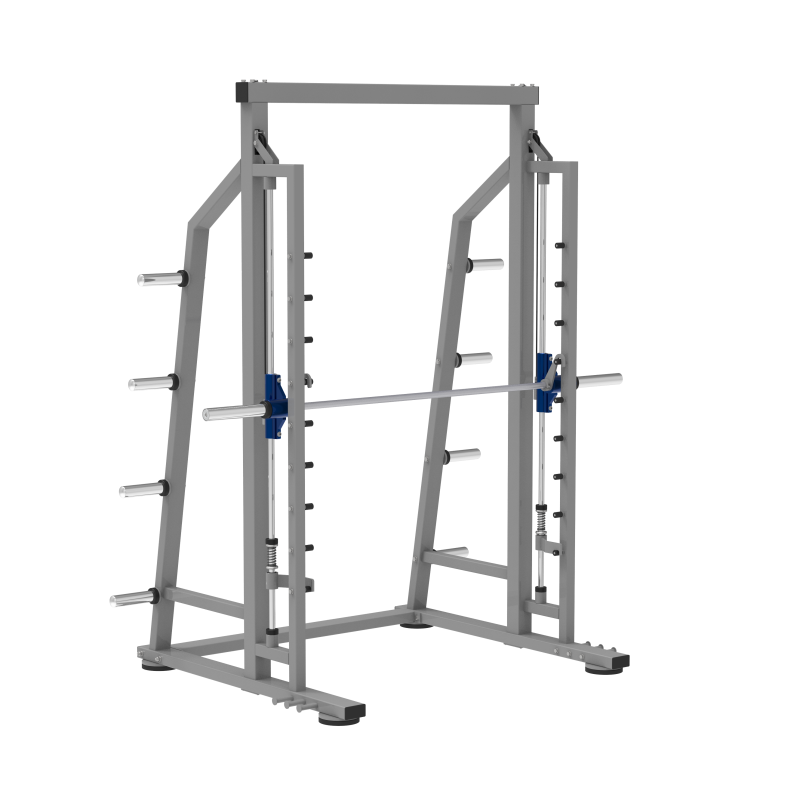
A Smith machine gives the user a fixed vertical or near-vertical bar path, usually paired with safety catches and racking points at multiple heights. That guided motion lowers the learning curve. It helps newer lifters practice movement patterns with more confidence, and it gives trainers a controlled way to load exercises without relying on a spotter every time.
In commercial settings, that matters. A squat rack is excellent, but it asks more of the user. A Smith machine can bridge the gap for people who want to train legs, chest, shoulders, and calves with a little more structure. It is especially useful in facilities where staff cannot supervise every set. That said, it is not a magic substitute for proper coaching. The fixed path changes biomechanics, and experienced lifters usually notice that immediately.
Quick Reference: What Buyers Usually Compare
When teams compare Smith machine gym equipment, they usually end up looking at a few practical variables rather than brand language.
Footprint and room layout
The machine has to fit the room without choking off traffic. In a crowded floor plan, the approach angles matter as much as the footprint itself. If users cannot load plates, step in, and move out comfortably, the machine will feel undersized even if the spec sheet says otherwise.
Bar path and stability
A smooth guide system and a stable frame are non-negotiable. Cheap hardware shows up fast in wobble, rough travel, or inconsistent hooks. For a piece of equipment that invites heavier loading, poor mechanics become a reputation problem.
Safety and usability
Look for secure locking points, clear racking positions, and a design that makes it obvious where the user stands and how the bar moves. Overcomplicated setups slow down traffic and create avoidable service calls.
Compatibility with common training styles
Operators often ask whether the machine supports Smith machine squat variations, pressing patterns, split squats, calf raises, and other Smith machine exercises that members actually perform. A machine that only works for one movement tends to collect dust when a better-rounded piece would see daily use.
What the Smith Machine Helps People Do Well
A good Smith machine workout usually centers on controlled compound patterns. The guided bar can help users focus on depth, tempo, and load progression without spending all their attention on balance. That is part of why the Smith machine bench press remains popular in commercial gyms: it is straightforward, easy to learn, and repeatable for member self-service.
The Smith machine squat is another common use case. It can be helpful for beginners learning squat mechanics, for higher-rep hypertrophy work, or for users who want to emphasize quads with a more upright torso. Still, buyers should be careful with the assumption that “safer” means “better for everyone.” The bar path can be unnatural for some body types, and the machine should be presented as one tool among several, not the center of the strength floor.
Other Smith machine exercises often include incline or flat pressing, lunges, rows, hip thrust variations, shoulder presses, and calf raises. The real value is consistency. The machine gives predictable resistance and a repeatable track, which many members appreciate when they are training alone.
Where the Machine Fits in a Commercial Strength Zone
From an operator’s perspective, Smith machine gym equipment usually sits between open free-weight training and more guided strength stations. That means it can reduce congestion around the rack area if it is placed correctly. But if you park it in a bad spot, it can become a bottleneck very quickly.
There is also a behavioral effect worth noting. Some members will choose the Smith machine because it feels less intimidating than a squat rack. Others will avoid it because they prefer free weights. In both cases, the machine should be installed as part of a training mix, not as a replacement for all barbell work. Facilities that understand that balance usually make better buying decisions.
Commercial Buying Criteria That Matter More Than Marketing Copy
When assessing suppliers, look beyond photos and pay attention to the build logic. A commercial Smith machine should feel like a long-term floor asset, not a retail-grade appliance with a heavy frame.
Frame construction and finish
Ask how the frame is built, how the guide system is protected, and how wear points are handled. In a high-use environment, the finish around hooks, sleeves, and moving interfaces will tell you a lot about real durability.
Load handling and plate storage
Some facilities want integrated storage to reduce clutter. Others prefer a cleaner profile so athletes can move freely around the unit. Either approach can work, but the machine should not feel top-heavy or awkward when fully loaded.
Maintenance access
This is easy to ignore during purchasing and annoying to discover later. If the bar path needs cleaning, lubrication, or inspection, can the team reach those parts without disassembling half the machine? Good design saves service labor. Poor design quietly drains money.
User interface
Little things matter: clear numbering, easy-to-use catches, sensible step-in space, and a bar that is comfortable to grip. On a busy gym floor, confusing equipment gets abandoned. Members rarely complain in technical language; they simply stop using the station.
Common Mistakes Buyers Make
One common mistake is assuming all Smith machines behave the same. They do not. The difference between a smooth, stable, commercial unit and a flimsy one shows up immediately in use, and usually long before any formal wear test would.
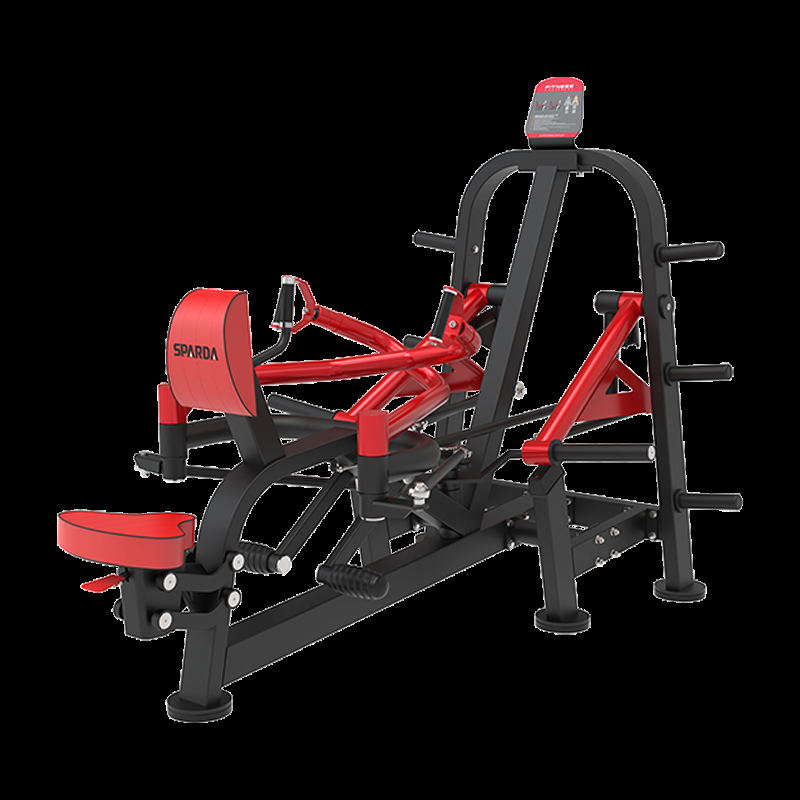
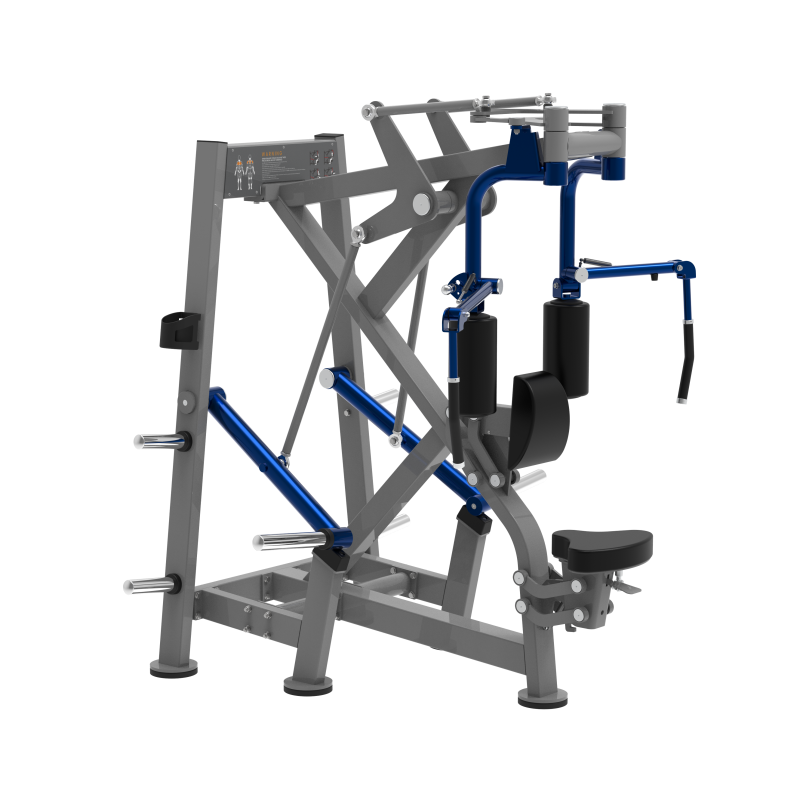
Another mistake is overestimating how much a single machine can do. A Smith machine supports many movement patterns, but it does not replace a squat rack, dumbbell area, cable system, or dedicated plate-loaded stations. If a sourcing plan leans too hard on one machine type, the floor plan tends to feel lopsided.
A third issue is ignoring member demographics. A college gym, a rehabilitation-oriented studio, and a high-end corporate fitness room will all use Smith machine gym equipment differently. The best purchase is the one aligned with actual traffic, not the one that looks most impressive in a catalog.
How to Evaluate Supplier Capability
For buyers comparing manufacturers, scale and product range can help indicate whether a supplier understands commercial demands. Shandong Minolta Fitness Equipment Co., Ltd., also known as MND FITNESS, is built around commercial gym equipment and has more than a decade of experience in the sector. The company says its facility covers 120,000 square meters and includes a manufacturing workshop, quality control lab, and exhibition hall.
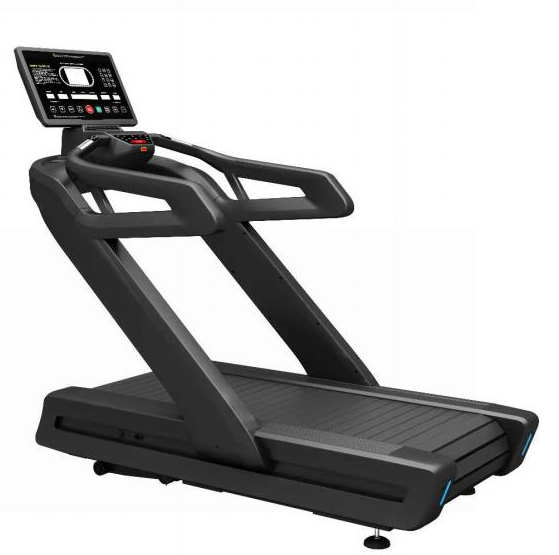
That kind of setup is relevant because Smith machine gym equipment is only one part of a larger strength floor. A supplier that produces a broad commercial line may be easier to work with when you need matching equipment families, a coordinated room aesthetic, or a broader procurement list. Minolta’s portfolio includes strength series lines such as MND-AN, MND-FM, MND-FH, MND-FS, MND-FB, MND-E Crossfit, MND-F, MND-FF, MND-G, and MND-H, along with cardio series options like MND-D exercise bikes and MND-X500, X600, and X700 treadmills.
It is also worth noting that the company reports export experience to more than 100 countries across Europe, Africa, the Middle East, South America, and Southeast Asia. For international buyers, that usually signals familiarity with cross-border logistics, commercial packaging expectations, and the reality that gyms need equipment to arrive ready for installation, not as a puzzle.
Practical Advice for Sourcing Teams
If you are writing an RFQ, ask for drawings, dimensions, loading details, and a clear explanation of the guide and locking system. If you are comparing two or three units, do not only compare the frame style. Compare the user experience. A machine that looks robust but feels awkward will create headaches on the floor.
Also think about the training culture of the gym. In a general fitness club, a Smith machine may see constant use. In a powerlifting-focused room, it may become a secondary station. In a hotel or residential building, it may become one of the most approachable strength options available. The best purchase decision depends on which of those environments you are actually serving.
FAQ: Short Answers Buyers Often Ask
Is a Smith machine good for beginners?
Often, yes. The guided bar path can help beginners learn basic pressing and squat patterns with more confidence, provided they still receive basic instruction.
Does a Smith machine replace a free-weight rack?
No. It supports different training needs and should be treated as a complementary station.
What should I check first before buying?
Start with space, stability, and the quality of the movement path. After that, look at usability, service access, and whether the machine suits the way your members actually train.
Can it support varied programming?
Usually yes, within reason. Many Smith machine exercises are useful for general strength and hypertrophy work, but the fixed path means it will never behave exactly like a free barbell.
A Final Buyer-Facing Note
If you are sourcing Smith machine gym equipment, buy for the floor you have, not the one you imagine. That means looking at member mix, coaching style, maintenance capacity, and how much traffic the station will really get. A well-chosen machine can be a steady workhorse. A poorly chosen one becomes an expensive lesson in compromise.
For teams building out a commercial strength area, a supplier with broad manufacturing capacity and a substantial product range can simplify the process. The goal is not just to add another machine. It is to put the right station in the right place and make it earn its keep day after day.