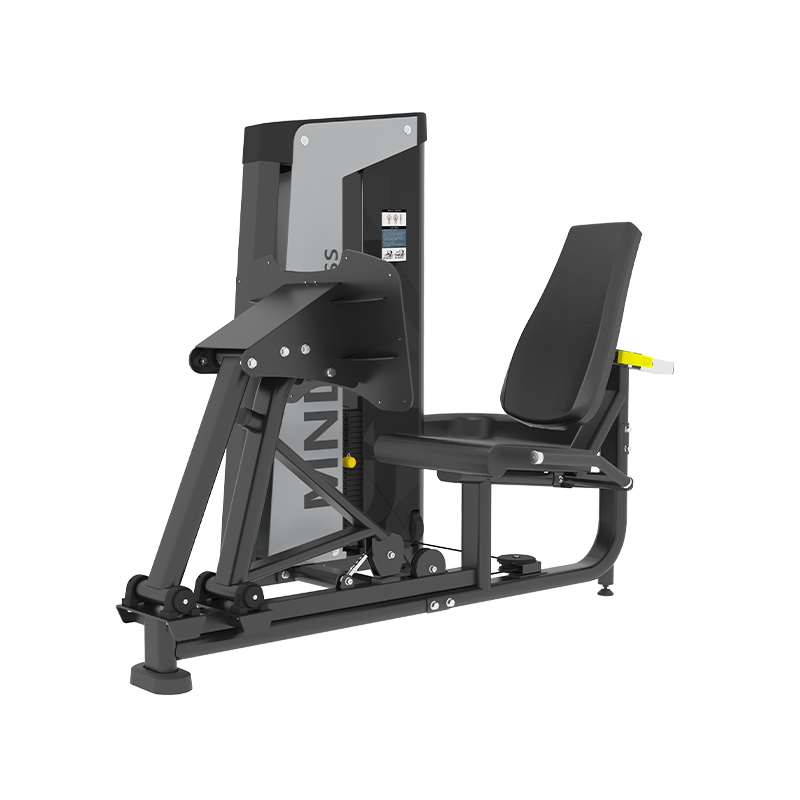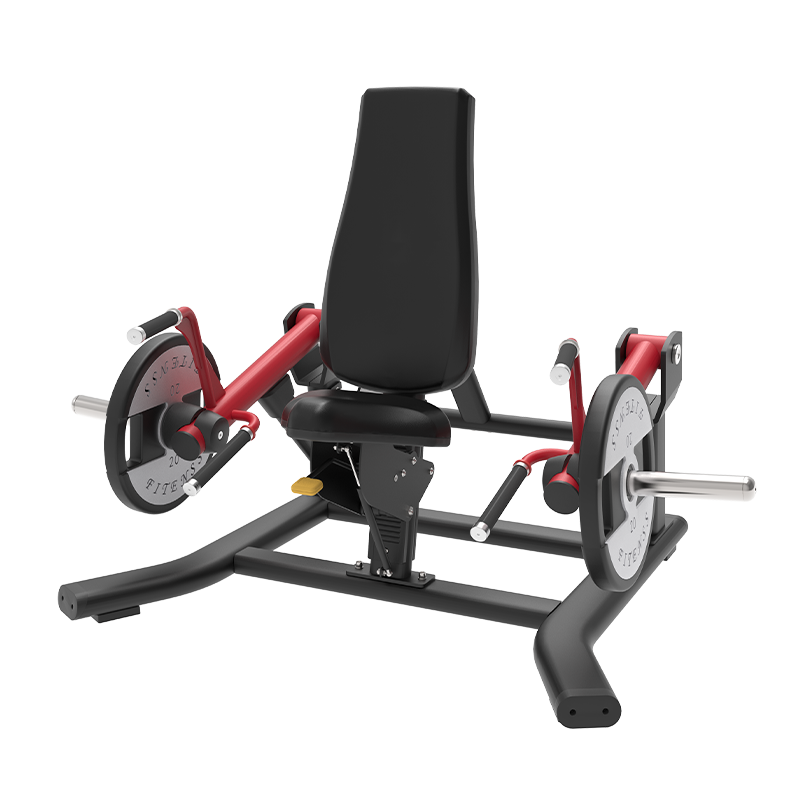



Why the pec fly machine still earns a place on the gym floor
A pec fly machine is one of those pieces of equipment that looks simple until you actually need it to do a job well. For chest isolation, controlled pressing support, or a more predictable upper-body accessory movement, the machine remains relevant in commercial gyms, training studios, and even some performance facilities. The pec fly exercise is not a replacement for pressing, of course, but it fills a different slot: it helps load the pectorals through a guided arc, which can be useful when the goal is muscle emphasis, joint-friendly training, or consistent member experience.
For buyers, the real question is not whether a pec fly has a place. It is whether the chest fly machine you are considering will suit your users, your space, and the way your facility programs strength training. That is where the details matter more than the sales brochure.
What the machine is actually doing
The basic function is straightforward. A chest fly machine brings the arms together in a controlled path, keeping the load on the pectoral muscles while reducing the amount of balancing and stabilization required compared with free weights. Many operators still call it a pec deck, while trainers may refer to the movement as a pec fly, pec fly workout, or pectoral fly. In practice, the naming is less important than the machine geometry and how naturally the machine matches a user’s shoulder path.
That distinction matters because not every machine labeled for chest fly work feels the same. Some designs place the elbows in a fixed pad position. Others allow arm variation that can change how the movement feels across the chest and front deltoids. If your members include beginners, older users, or people returning from time away, that predictability can be useful. If your audience is advanced lifters, they may care more about adjustment range and movement quality than about branding on the shroud.
Quick reference: what buyers usually compare
When sourcing a pec fly machine, most teams end up comparing the same few factors:
Seat and back pad adjustability, because user height range is usually broader than expected.
Arm path and range of motion, because a smooth arc matters more than a flashy appearance.
Stack resistance feel, especially at the start of the movement where some machines feel abrupt.
Frame stability, which becomes obvious in a busy commercial setting.
Upholstery and finish quality, because heavy use exposes weak detailing fast.
Footprint, since this machine often competes with pressing stations and cable units for floor space.
That list sounds basic, but it is exactly where many purchases succeed or fail. A machine can look sturdy in a catalog and still feel awkward during member use.
Why the pec fly exercise is still programmed so often
The pec fly exercise remains popular because it gives coaches a controlled chest-focused movement without requiring the same level of technique as a barbell press. It is often used in warm-up sets, hypertrophy blocks, accessory work, and rehabilitation-oriented programs where movement direction matters. It can also help members feel the chest working, which is not trivial in a commercial gym where many people chase sensation as much as output.
There is a practical caution here, though: the machine is best used as a supporting movement, not as the center of an entire chest program. If your staff oversells the pec fly as a major strength builder and ignores pressing patterns, you will end up with a lopsided training floor. That is less a machine problem than a programming problem, but buyers should know the difference.
What a good chest fly machine should feel like
A useful chest fly machine should feel smooth through the working range, with a start position that does not punish the shoulder. Users should be able to set up without feeling crowded, and the pads or handles should let them settle into the movement rather than wrestle the machine. Commercial users notice this quickly. If the arm path is too high, too tight, or too flat, the motion stops feeling like a pectoral fly and starts feeling like a shoulder exercise that happens to involve the chest.
A better machine also handles different body sizes gracefully. This is where seat adjustment, back support angle, and the spacing of the arm mechanism become more than convenience features. In a mixed-user environment, a machine that fits only one body type becomes a bottleneck.
Pec deck versus other chest-focused options
The pec deck is often the familiar version of this machine family, especially in commercial gyms where the term has stuck for years. In buyer conversations, pec deck and pec fly machine are often used interchangeably, though the actual design may differ by manufacturer. Some versions use elbow pads; some use hand grips. Some emphasize a narrower arc. Others open the chest a little more.
Compared with cable fly stations, a machine unit is generally easier for casual members to learn and easier for staff to supervise. Compared with dumbbell fly variations, it provides more guidance and usually less instability. That can be an advantage in a high-traffic facility, though it also removes some freedom of movement. There is no perfect answer here; the decision depends on whether your floor needs precision, convenience, or training variety.
Buyer criteria that matter more than marketing claims
When sourcing commercial gym equipment, the machine’s appearance should come after its practical build. Shandong Minolta Fitness Equipment Co., Ltd. positions itself as a commercial gym equipment manufacturer with over a decade of experience, a 120,000-square-meter facility, and a broad range of strength and cardio products. It also notes more than 300 equipment types and export experience across more than 100 countries. Those are meaningful signals about scale and manufacturing breadth, but a buyer still needs to verify the unit in question.
For a pec fly machine, ask how the frame is constructed, how the moving arms track under repeated use, and how accessible the adjustment points are when staff are cleaning or resetting equipment. In a commercial environment, maintenance friendliness is not a small detail. It becomes cost.
If the supplier also offers related strength series lines alongside cardio equipment, that can help with floor planning and visual consistency. Minolta’s lineup includes strength series families such as MND-AN, MND-FM, MND-FH, MND-FS, MND-FB, MND-E Crossfit, MND-F, MND-FF, MND-G, and MND-H, plus cardio series including MND-D exercise bikes and MND-X500, X600, and X700 treadmills. A broad catalog can simplify sourcing, but only if the specific machine meets your target use case.
Common mistakes buyers make
One common mistake is choosing the most imposing frame and assuming it will be the most durable. Not always. Durability is a combination of structure, weld quality, moving parts, and how the machine handles long-term wear. Another mistake is underestimating how often a member will change the seat or start position. If adjustment is clumsy, the machine sits idle even if it looks premium.
A third mistake is buying for advanced lifters only. The pec fly machine in a commercial gym will be used by beginners, casual exercisers, and people following a machine circuit. If the setup is intimidating or the motion is unforgiving, the machine will underperform in real use.
And one more, probably the most expensive: selecting a unit based on floor plan alone and ignoring user comfort. A machine can fit the square footage and still fail the room.
How facility operators usually get better value
Operators often get better value by thinking in terms of traffic and programming, not just product category. If the chest fly machine will be placed near press stations or cable systems, it should complement those stations rather than duplicate them badly. If your members already have plenty of pressing options, the machine should offer a smoother, more accessible isolation pattern. If your audience is mixed or newer to training, the learning curve becomes a major part of the value calculation.
There is also a logistics angle. Because Minolta manufactures a wide range of commercial and home fitness equipment and exports globally, it may suit buyers looking to source multiple items through a single supplier. That can simplify procurement, but it should not replace inspection of the individual unit specifications, drawings, and sample feel when possible.
FAQ: practical questions buyers ask
Is a pec fly machine only for chest isolation?
Not entirely. It is primarily a chest-focused accessory machine, but trainers may use it for controlled upper-body work, pre-fatigue, or accessory volume. It should still be treated mainly as a pectoral fly tool.
Is a pec deck the same as a chest fly machine?
Usually the terms overlap in everyday gym language. In purchasing, though, the exact design matters more than the name on the label.
What should staff check during daily use?
Look at seat settings, moving arm smoothness, upholstery wear, and whether users are setting up correctly. If members constantly adjust the machine in awkward ways, that is a setup issue worth addressing early.
Can a chest fly workout replace pressing?
No. It supports chest development, but pressing movements still do the heavy lifting for overall strength.
A sensible next step for buyers
If you are comparing a pec fly machine for a commercial facility, start with the user profile rather than the product name. Decide whether your priority is beginner-friendly access, high-volume durability, or a more performance-oriented movement feel. Then compare the frame, adjustment range, and arm path on that basis.
For buyers looking at broader sourcing, a manufacturer such as Shandong Minolta Fitness Equipment Co., Ltd. may be worth reviewing because of its scale, broad strength and cardio catalog, and export history. Still, the final decision should come down to the machine in front of you: how it feels, how it fits your floor, and whether it will hold up to the way real people train.
If that sounds obvious, it is. In gym equipment buying, the obvious checks are the ones that save the most regret later.