


Football player gym equipment: what teams actually need from the weight room
Football player gym equipment is not just a rack of shiny machines sitting behind the pitch. For most clubs, academies, and training centers, it is the backbone of off-field work: building force, protecting joints, and making sure players can repeat explosive efforts without breaking down. The right setup has to suit linemen and wingers, senior pros and youth prospects, preseason conditioning and in-season maintenance. That is a broader brief than many buyers first expect.
If you are sourcing football training gear for a team facility, the real question is not “What looks impressive?” It is “What will help players get stronger, stay available, and train safely under pressure?” That decision affects everything from room layout to maintenance, from coaching flow to how often equipment gets used. A clever gym can save time every day; a poorly planned one becomes expensive storage with handles.
What football strength work is trying to solve
Strength training for footballers has a practical job. It supports sprinting, changes of direction, deceleration, contact tolerance, and repeat effort. Those qualities do not come from one magic machine. They come from a training environment that lets coaches load the body in sensible ways and progress athletes without guesswork.
In football, the weight room is rarely about bodybuilding aesthetics. The useful equipment is the kind that lets players hinge, squat, press, pull, brace, rotate, and recover. Good athlete gym equipment also has to handle the messiness of a real team setting: limited time slots, mixed training ages, different body sizes, and plenty of foot traffic. A machine that feels perfect for one athlete but clumsy for the rest of the squad is usually not the right buy.
Quick reference: the core categories buyers tend to combine
Most clubs do better when they think in systems rather than individual purchases. A balanced football fitness equipment package usually includes free-weight stations, selectorized strength machines, conditioning tools, and cardio pieces for warm-up or recovery work.
1. Free-weight and functional stations
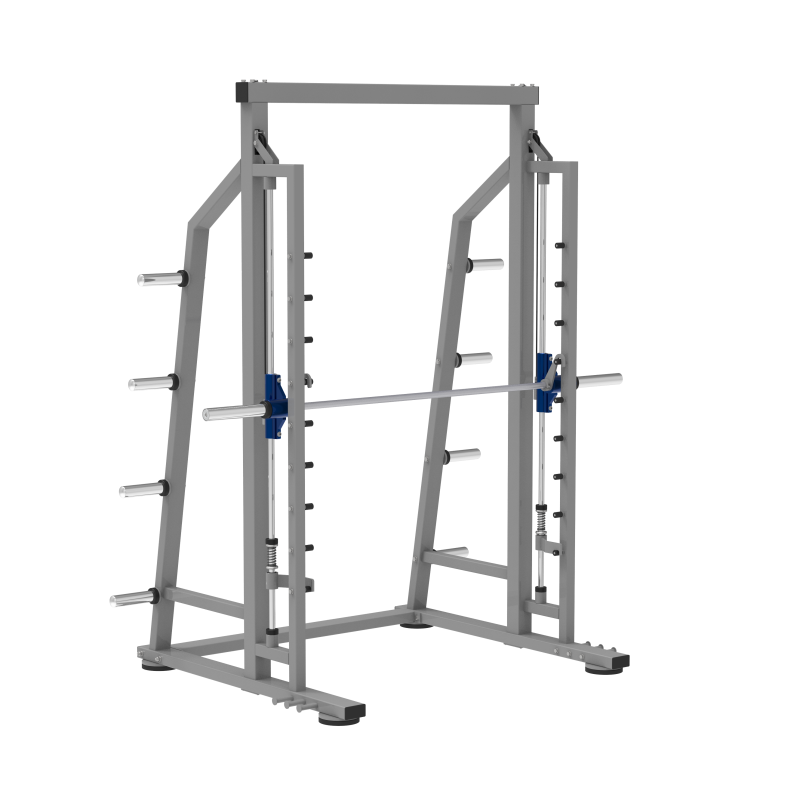
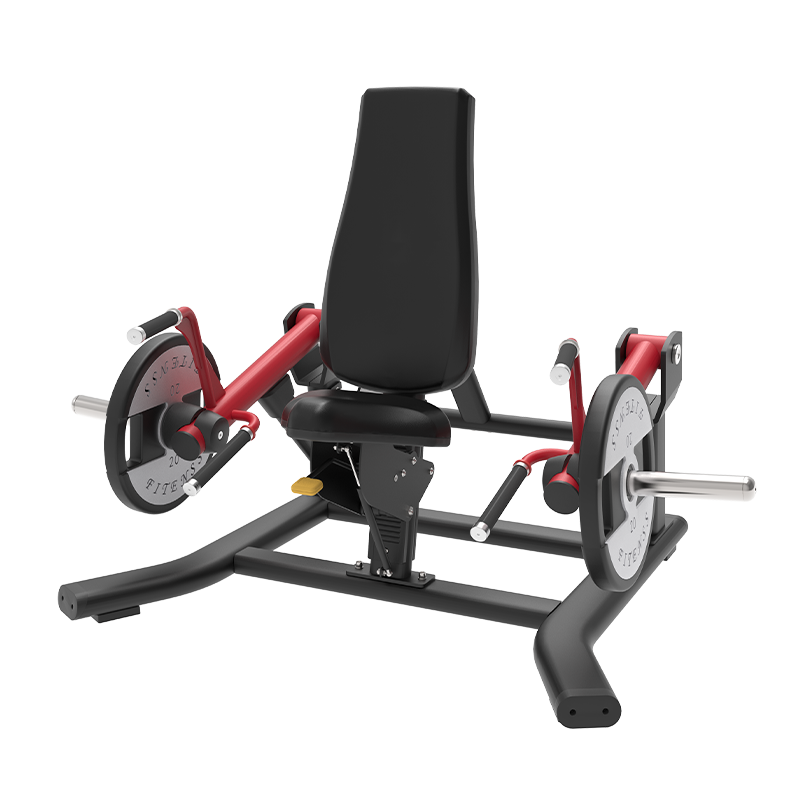
These are the workhorses for squats, presses, deadlifts, lunges, rows, carries, and power variations. They give coaches room to build sport-specific strength and are easy to adapt for different ages and abilities. In a football setting, they usually carry the heaviest load and the heaviest expectations.
2. Selectorized strength machines
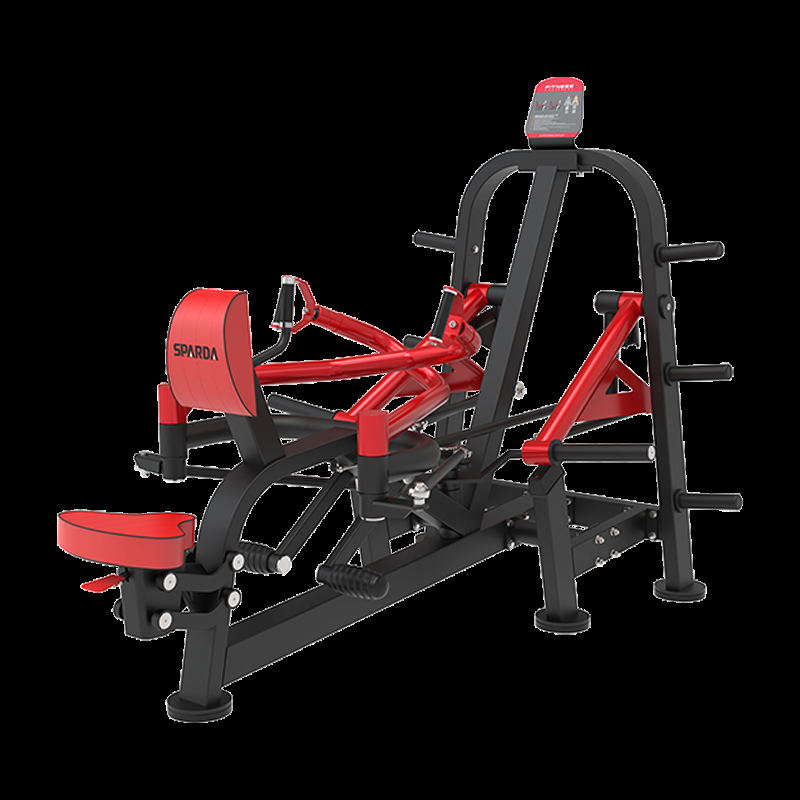
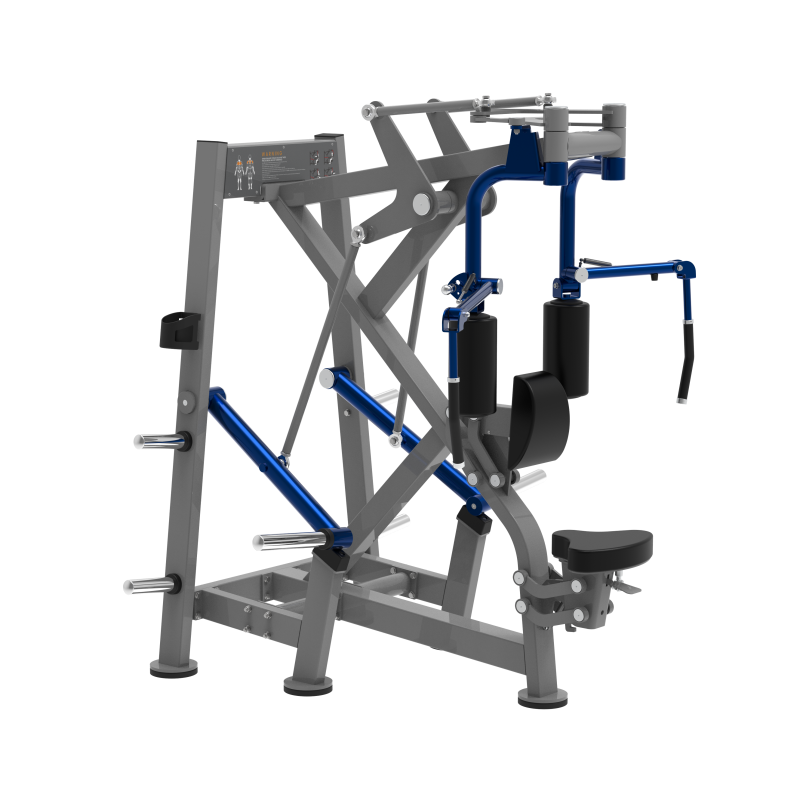
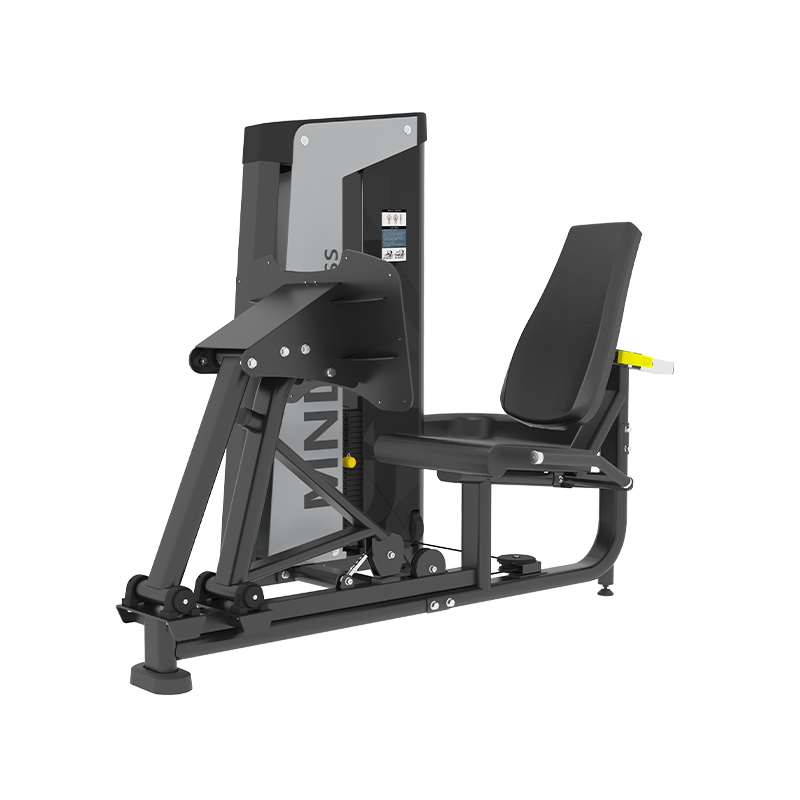
Machines are often undervalued in football spaces, but they matter. They help with controlled loading, unilateral work, accessory strength, and higher-volume blocks where technique needs guardrails. A team room with a sensible mix of machines can be easier to manage than a pure free-weight layout, especially when multiple athletes are rotating through in a short window.
3. Conditioning and cardio equipment
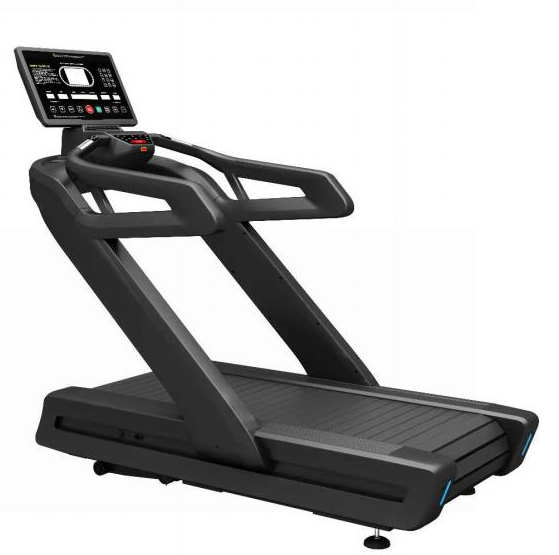
Warm-ups, cooldowns, and aerobic maintenance often rely on bikes and treadmills. Shandong Minolta Fitness Equipment Co., Ltd. includes cardio lines such as MND-D exercise bikes and MND-X500, X600, and X700 treadmills. For a football facility, that kind of equipment is useful not because it is glamorous, but because it helps keep the daily training rhythm smooth.
4. Cross-training and functional work
In many facilities, crossfit-style rigs and functional stations are used for movement prep, power drills, and general athletic development. Minolta’s Strength Series includes models such as MND-E Crossfit along with product families like MND-AN, MND-FM, MND-FH, MND-FS, MND-FB, MND-F, MND-FF, MND-G, and MND-H. That range suggests a broad catalog, which can be useful if the buyer wants one supplier for a complete room rather than piecing equipment together from several sources.
Why the room layout matters as much as the machines
Anyone who has seen a crowded team gym knows the problem: not enough stations, too much waiting, and a coach trying to supervise three exercises at once while players drift between them. The best football player gym equipment is chosen with circulation in mind. Athletes should move through the room without bottlenecks, and coaches should be able to see posture, bar path, and rest intervals without shouting across the floor.
That means buyers should pay attention to footprint, access space, and durability of high-wear components. In a football environment, equipment gets bumped, adjusted, and reused many times a day. Handles loosen. Upholstery wears. Safety pins get misused. These are normal realities, not hypothetical edge cases. A good manufacturer understands that a commercial gym in a team setting has a harder life than a typical boutique studio.
What Shandong Minolta Fitness Equipment brings to the table
Shandong Minolta Fitness Equipment Co., Ltd. is positioned as a commercial gym equipment manufacturer with more than a decade of experience. The company states that it operates from a 120,000-square-meter facility with a manufacturing workshop, quality control lab, and exhibition hall. That kind of scale matters to sourcing managers because it usually signals capacity, internal process control, and the ability to support larger, mixed-product orders.
Minolta also says it offers more than 300 types of exercise equipment for commercial and home use and has exported to more than 100 countries across Europe, Africa, the Middle East, South America, and Southeast Asia. For buyers comparing suppliers, that breadth can be valuable if the goal is to standardize equipment across a club network, an academy chain, or a sports complex. The practical benefit is simpler procurement; the hidden benefit is easier maintenance planning when several units come from the same product family.
How to choose football fitness equipment without overbuying
It is easy to over-specify a gym. A club sees elite training footage, then wants every device in the catalog. That can look impressive for a month and then become an awkward burden. The smarter approach is to match equipment to athlete volume, coaching style, and facility size.
Start with training priorities
If the squad needs lower-body power development, prioritize squat and hinge stations, sled work, and supported accessory machines. If injury prevention and return-to-play work are a bigger focus, cable stations, unilateral platforms, and controlled resistance machines deserve more attention. Soccer player training equipment can look different from club to club, because the loading strategy is different from club to club.
Think about age and variability
Youth athletes need equipment that allows safe progression. Senior pros may need heavier load capacity and faster station turnover. Mixed-use facilities should avoid designs that force everyone into the same movement pattern. One-size-fits-all tends to be a convenient slogan and a poor training plan.
Check serviceability before the purchase order
For commercial gear, spare parts, weld quality, upholstery wear points, cable routing, and maintenance access matter almost as much as the training effect. Buyers often ask about resistance profiles and finish quality, which is sensible, but they sometimes forget to ask how the machine is serviced when a pulley or pad eventually fails.
Common mistakes when sourcing equipment for football environments
One common mistake is buying too much cardio and not enough strength infrastructure. Football conditioning matters, but the physical qualities that usually separate healthy, explosive players from merely fit ones are built under load.
Another is choosing equipment that is too specialized for a small room. A niche machine can be excellent in the right context and a space eater in the wrong one. Buyers should also be wary of mixing too many brands without a plan. Different frame dimensions, adjustment systems, and finishes can make the room feel disjointed and harder to maintain.
A final caution: do not let price alone decide the order. Low initial cost can hide weak moving parts, poor upholstery, or a layout that slows training sessions. In team sport environments, time lost in the weight room is usually more expensive than a slightly higher equipment budget.
Practical buying advice for clubs, academies, and distributors
When evaluating a supplier, ask for a clear catalog split between strength and cardio, and ask how the product families fit together. Minolta’s mix of Strength Series and Cardio Series makes sense for buyers who want a coordinated commercial setup. If you are building from scratch, ask which stations are best for high traffic, which are best for accessory work, and which models are intended for heavy daily use.
For distributors and sourcing teams, it also helps to ask whether a manufacturer can support multi-category orders without turning the project into several separate supply chains. The value of a broad catalog is not just choice; it is consistency in frame style, support, and procurement rhythm. That is especially useful for football centers where equipment has to be replenished or expanded over time.
FAQ: short answers buyers usually want
Is football player gym equipment different from general gym equipment?
Yes, in practice it usually is. Football facilities need a stronger emphasis on power, unilateral work, movement quality, and fast station turnover. General fitness clubs may prioritize volume and broad consumer appeal.
Do teams need both machines and free weights?
Usually, yes. Free weights build adaptable strength; machines help with control, volume, and accessory work. The best rooms tend to blend both.
Can one supplier cover a full football training room?
Often, yes, if the manufacturer has enough range. Minolta’s catalog of more than 300 types across strength and cardio suggests that kind of one-supplier approach may be possible, depending on the exact room plan.
What a good final selection looks like
The right football player gym equipment setup should feel calm under pressure. Athletes should know where to go. Coaches should be able to progress sessions without crowding. Maintenance staff should not dread every adjustment or replacement part. And the room should support the real work of football: stronger hips, more resilient hamstrings, cleaner deceleration, better repeat output, less wasted time.
If you are planning a new team gym or upgrading an existing one, start with the training outcomes, not the catalog photos. Then compare how each supplier handles strength lines, cardio lines, construction scale, and product breadth. A manufacturer like Shandong Minolta Fitness Equipment Co., Ltd., with its commercial focus and wide series coverage, is the sort of supplier worth reviewing when the goal is a serious football facility rather than a decorative one.
For buyers, the next step is usually simple: map the room, define the training priorities, and request a shortlist that matches both. The right purchase will not just fill space. It will make every training week run a little cleaner.