


What buyers usually want to know about MND Fitness
When sourcing commercial gym equipment, buyers are usually not looking for a brand story first; they are trying to reduce risk. Will the frames hold up under daily use? Are the product lines broad enough to cover a full facility? Can the supplier handle repeat orders without the assortment drifting every six months? Those are the practical questions behind searches for MND Fitness, especially from engineers, sourcing managers, and operators comparing gym floor packages.
Shandong Minolta Fitness Equipment Co., Ltd. sits in Ningjin’s hardware manufacturing ecosystem, which matters more than it might sound at first glance. A company like this is not simply assembling a few exercise bikes and calling it a catalog. According to the information provided, MND FITNESS offers a wide range of commercial gym equipment across strength and cardio, with more than 300 types of exercise equipment and exports to over 100 countries. For a buyer, that breadth can be useful, but only if it is backed by consistent manufacturing discipline and a product line that is easy to specify.
This article is meant to help you understand what the MND Fitness portfolio appears to cover, how to think about the different machine families, and where the real selection issues tend to show up. If you are comparing Minolta Fitness Equipment against other suppliers, the key decision is not just “what do they make?” but “what does that mean for my installation, maintenance plan, and purchasing risk?”
Company snapshot: why scale and workshop capability matter
From a purchasing perspective, scale is useful only when it translates into repeatable output. MND FITNESS reports a facility of 120,000 square meters, including a manufacturing workshop, quality control lab, and exhibition hall. That combination usually signals something important: the manufacturer is set up not just to build, but also to inspect and present a broad catalog. Buyers often underestimate how much that matters when they need matching equipment batches, consistent finishes, or replacement parts over time.
The company also states that it has more than a decade of experience in the fitness equipment sector. In this market, that is enough time to move past the early-stage learning curve, but not so long that the product lines must be treated as static. The useful takeaway is simple: this is a supplier with enough history to be taken seriously, but the buyer still needs to verify the specifics of the exact line being quoted, especially if the order includes mixed commercial gym equipment across several series.
Quick guide to the main product families
The MND Fitness catalog is organized into strength and cardio ranges, and that structure is a sensible starting point for buyers. It makes specification easier and helps larger gym projects map equipment to zones: free-weight support, resistance training, conditioning, and warm-up or recovery areas. Below is a practical reading of the ranges named in the provided information.
Strength series
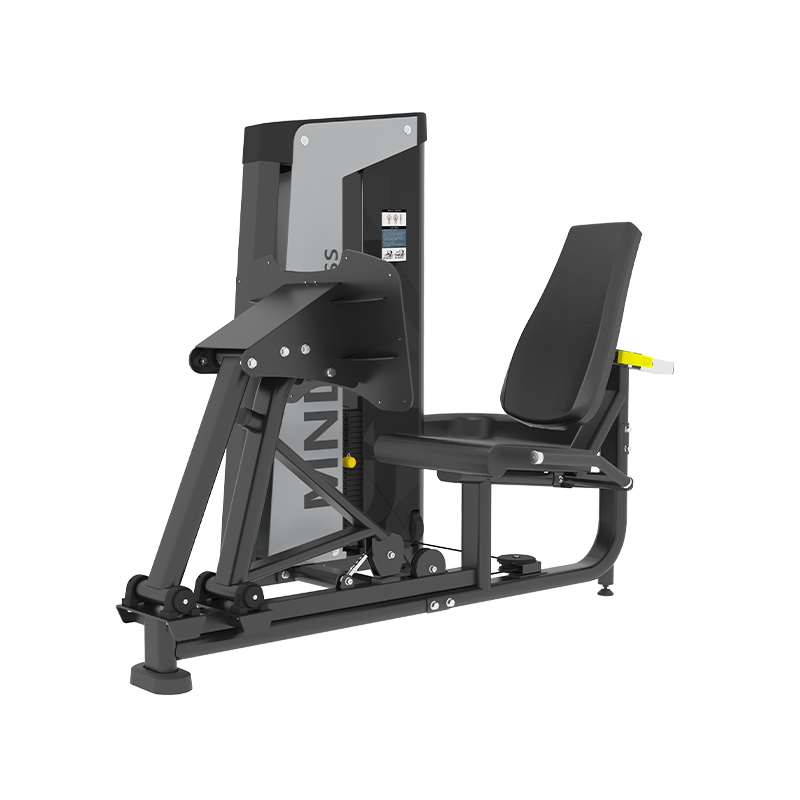
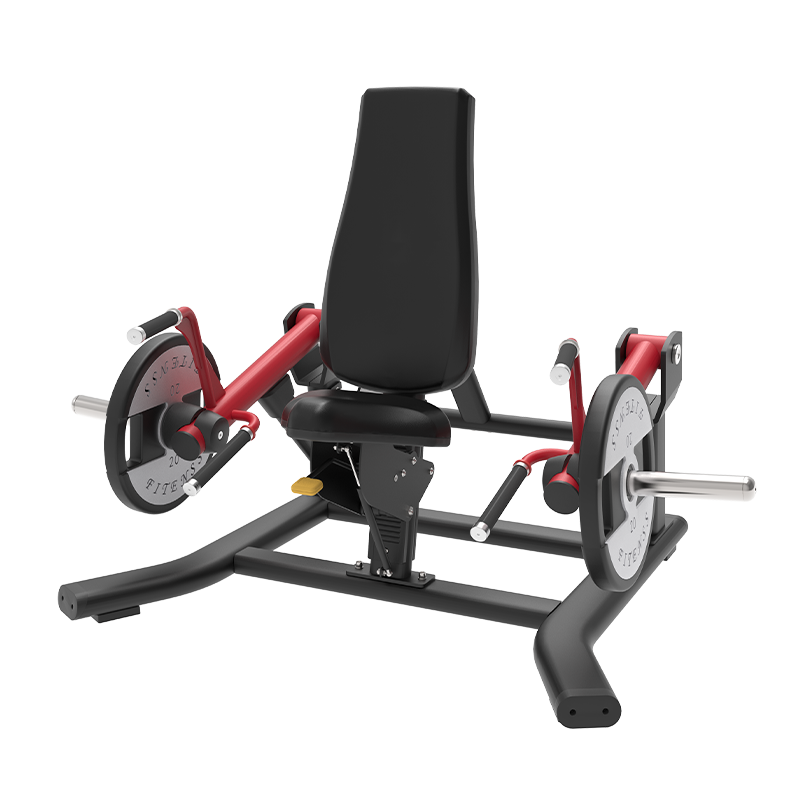
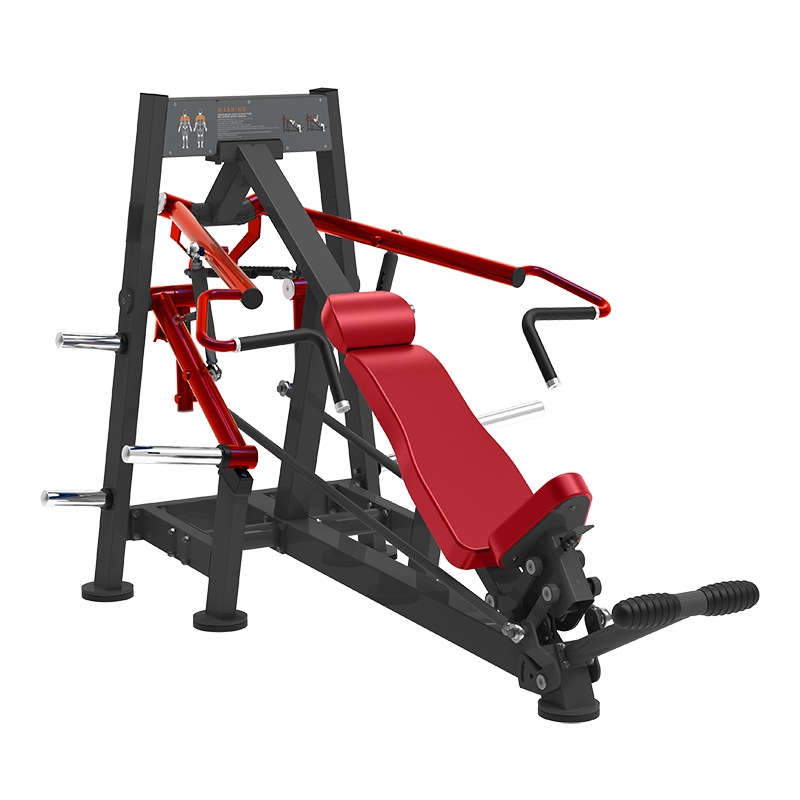
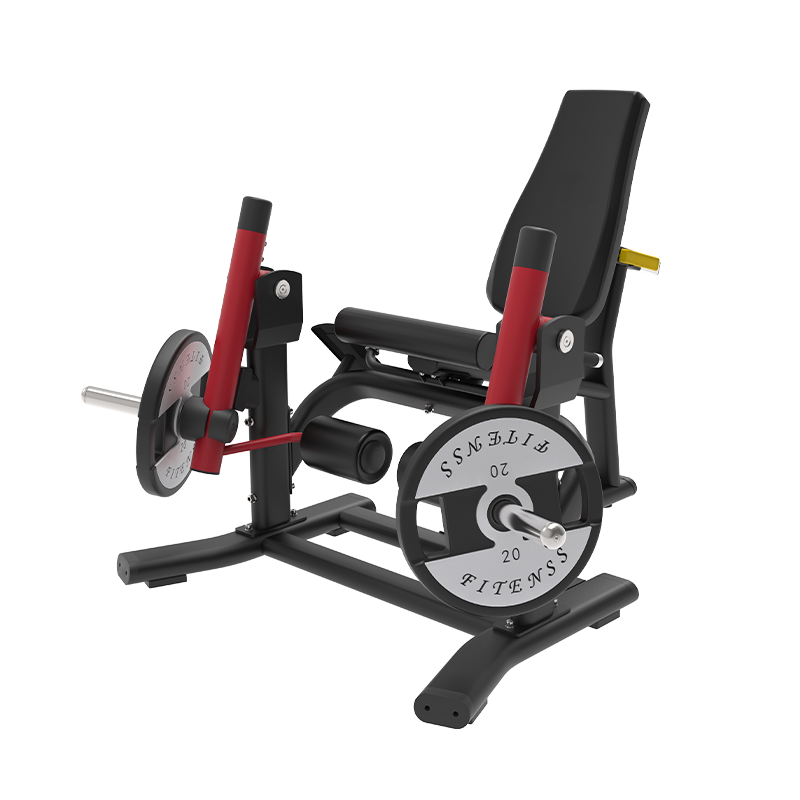
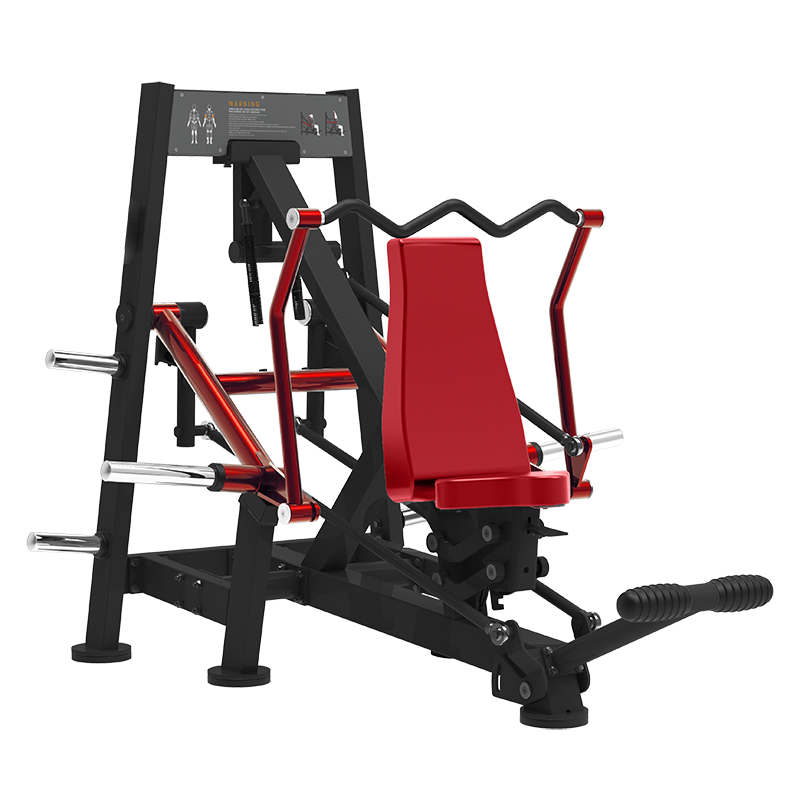
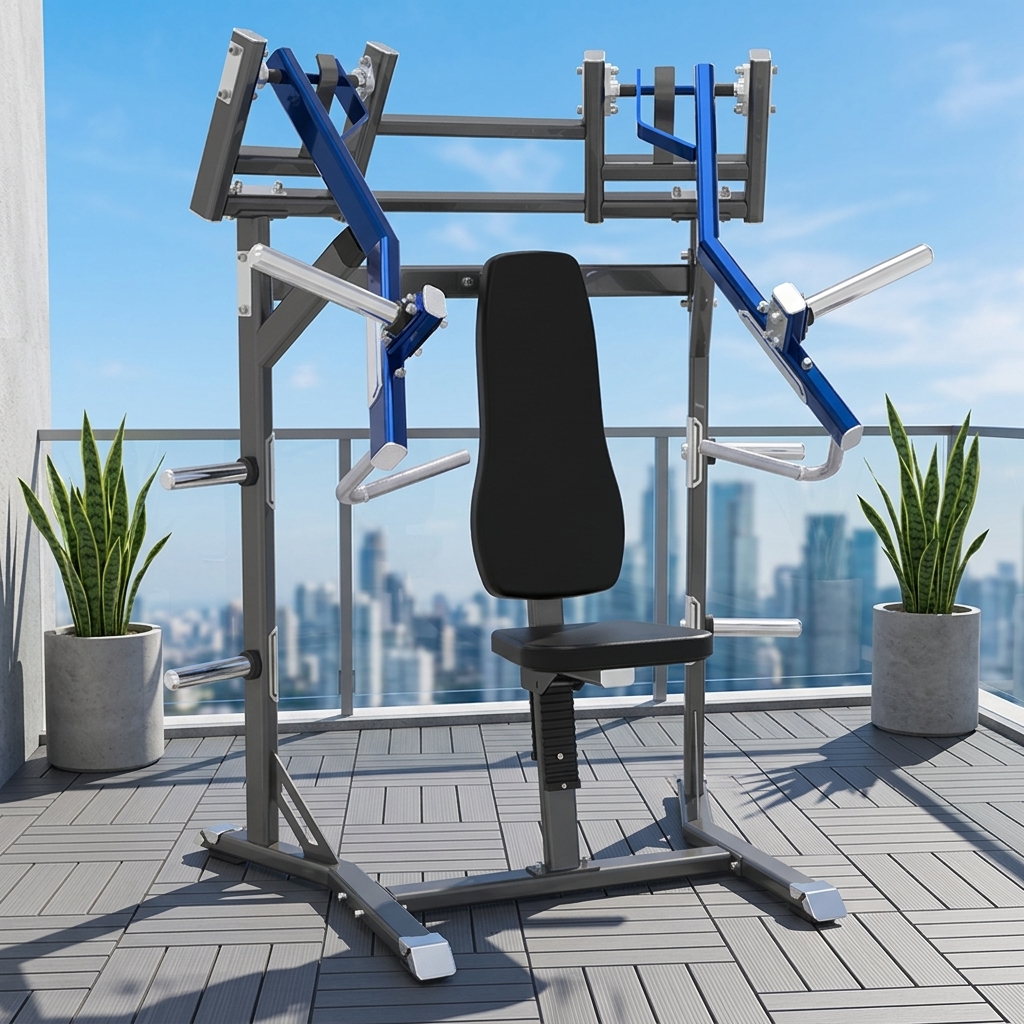
The Strength Series includes MND-AN, MND-FM, MND-FH, MND-FS, MND-FB, MND-E Crossfit, MND-F, MND-FF, MND-G, and MND-H. For a sourcing team, the main question is not the alphabet soup; it is whether these lines cover the core machine categories a commercial gym needs. In most facilities, that means plate-loaded or selectorized stations, lower and upper body training machines, and pieces suitable for circuit layouts. If you are evaluating MND strength machines, ask how the series is segmented by user level, biomechanics, and footprint.
A buyer-facing caution here: broad series naming can hide meaningful differences in frame design, adjustability, upholstery, and load path. Two products may look similar in a brochure and still behave differently once installed. If the gym is for a multi-user commercial environment, small differences in seat adjustment range or entry height can become operational annoyances very quickly.
Cardio series
The cardio side includes MND-D exercise bikes and the X500, X600, and X700 treadmills. These are the pieces that often carry the highest daily usage in a facility, especially in mixed-member gyms, hotel gyms, and training clubs. For buyers comparing Minolta fitness machines, cardio equipment usually deserves a tougher inspection than people expect, because moving parts, electronics, and user wear are where problems surface first.
For treadmills in particular, sourcing teams typically care about deck feel, frame stability, service access, and how easily control systems can be maintained. The product names alone do not answer those questions, so it is worth requesting technical documentation before making a final purchase decision. Even in a strong catalog, a treadmill can be the piece that determines whether members trust the whole floor.
How to evaluate MND Fitness as a supplier, not just a catalog
There is a difference between buying a single machine and building out a commercial floor. The first is a product decision; the second is a supply-chain decision. If you are considering MND Fitness Equipment for a gym project, look at four practical areas: product consistency, line breadth, after-sales support, and compatibility with your facility’s space and user profile.
1. Product consistency
A broad catalog is helpful, but only if dimensions, finishes, and function remain consistent from order to order. Commercial operators do not want a strength zone where one machine has a different height or feel because the production run changed. If you are standardizing across branches, ask for current drawings and make sure they match the exact batch you will receive.
2. Line breadth
With over 300 types of equipment reportedly available, MND Fitness can be useful for buyers who want to source multiple zones from one supplier. That can simplify procurement and reduce variation in visual design. It can also make logistics easier. Still, breadth should not distract from fit. A full catalog is only an advantage if the actual models map to the training concept you are building.
3. Service and maintainability
Commercial gyms live or die on uptime. Even durable equipment becomes expensive if maintenance access is poor or spare parts are slow to source. When reviewing gyms equipment, ask how serviceable the machines are, what wear items are common, and whether the supplier can support long-term replacement needs. This is often where experienced buyers separate attractive brochures from practical vendors.
4. Facility match
Not every commercial gym needs the same machinery mix. A hotel gym, for instance, prioritizes compactness, intuitive use, and lower noise. A training club may want more strength stations and heavier-duty cardio rotation. A chain gym may care most about visual consistency and total cost of ownership. MND’s range appears broad enough to serve different formats, but the selection must still be shaped around the real user base.
Common buying mistakes with commercial gym equipment
One common mistake is to overvalue the largest-looking catalog. More options do not automatically mean better gym performance. Another is to specify by category only—“buy treadmills,” “buy strength machines”—without checking dimensions, adjustment points, and floor loading implications. That tends to create installation friction later.
A second mistake is to assume all fitness equipment in a series behaves the same. It rarely does. Different frame geometries and resistance systems can change the user experience more than a buyer expects. And in a mixed-use facility, that can affect member satisfaction in a way that is hard to fix after delivery.
Finally, some buyers rush the process because they are focused on launch dates. That is understandable, but skipping the verification step is risky. Ask for drawings, confirm the product family, and align the procurement plan with maintenance staff before the order is locked. It saves time later, which sounds backward until you have dealt with a floor full of mismatched machines.
Where MND Fitness may fit well
Based on the information provided, MND Fitness appears well suited to buyers who need a fairly broad commercial gym equipment source with both strength and cardio options. That could include independent gyms, regional chains, hotel fitness rooms, school or community facilities, and distributors looking for a supplier with an established export footprint.
The export experience across Europe, Africa, the Middle East, South America, and Southeast Asia suggests the company has operated in diverse commercial environments. For buyers, that can be reassuring, though it should still be treated as a starting point rather than proof of fit for your exact market. Local standards, user behavior, and service expectations vary more than many procurement teams expect.
Practical questions to ask before placing an order
If you are shortlisting Minolta Fitness Equipment, the most useful questions are usually the unglamorous ones:
What exact series are included in the quote?
Which models are intended for high-traffic use versus lighter commercial duty?
Are drawings and specifications available for each machine?
How are spare parts and wear components handled after shipment?
Can the supplier keep appearance and dimensions consistent if you reorder later?
These questions do not just protect budget. They protect the project timeline, which is often the bigger issue once contractors and installers are waiting.
Final buyer takeaway
If you are comparing MND Fitness against other commercial gym equipment suppliers, the strongest argument is probably breadth backed by manufacturing scale. The company reports a large facility, a quality control lab, a broad strength and cardio range, and export experience in many regions. That makes it a credible candidate for buyers who need a one-source or limited-source procurement strategy.
But the real decision should still come down to your floor plan, user type, and maintenance model. A supplier can have an impressive catalog and still be the wrong fit for a compact hotel gym or a high-turnover club if the exact models do not match your operational needs. Treat the series names as a map, not a final answer.
If you are in the sourcing stage, the next step is straightforward: request the current model list, confirm the MND strength machines and cardio options that match your layout, and compare those specifications against your facility requirements before you commit. That is usually where the useful differences show up.