


Optimizing Triceps Development with a Professional French Press Machine
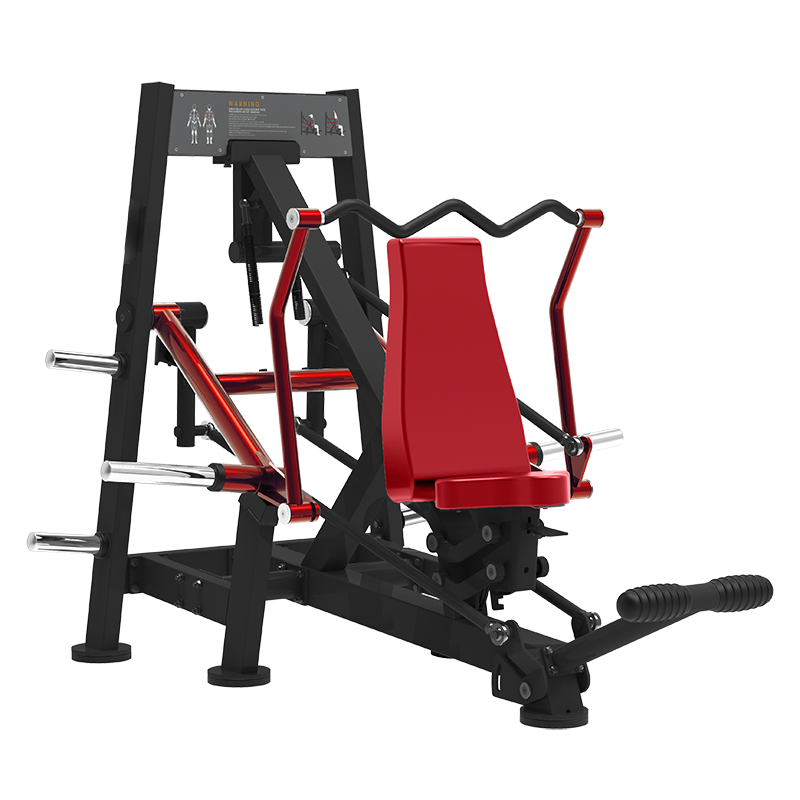
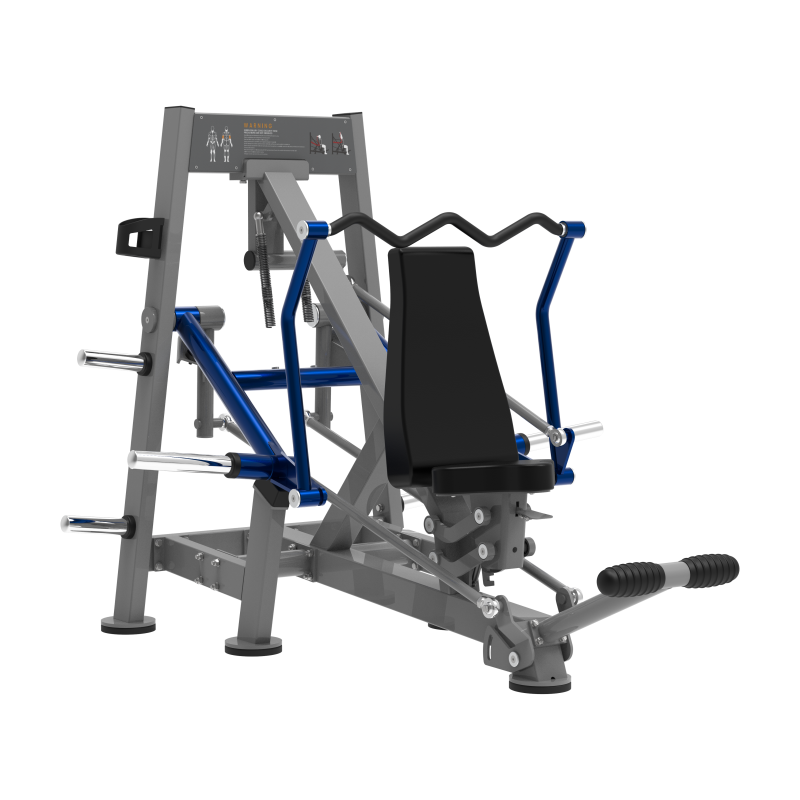
When gym owners and procurement managers look to build out a high-performance strength zone, the debate often shifts from free weights to specialized selectorized gear. For those focusing on isolated upper-arm training, the French press machine remains a staple of commercial facilities. Unlike a standard barbell or EZ-curl bar setup, which relies heavily on stabilization and user form, a dedicated machine offers a guided movement path that allows for consistent time under tension, which is essential for hypertrophy.
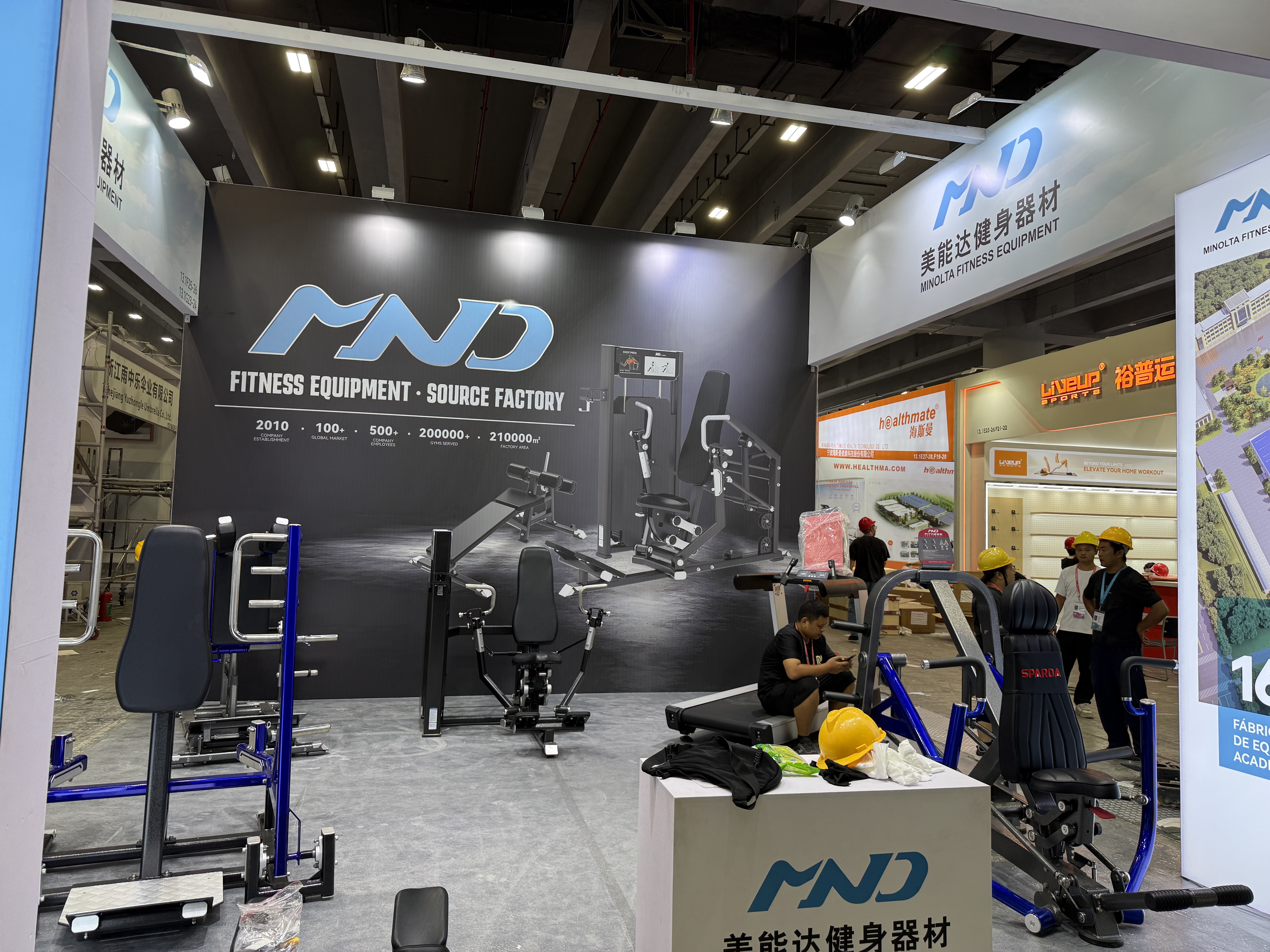
At Shandong Minolta Fitness Equipment Co., Ltd., we have spent over a decade observing how different pieces of arm strength equipment integrate into gym layouts. The primary draw of a dedicated press station is its ability to minimize the swinging and momentum that often plague beginners when performing overhead tricep extensions. If your facility caters to a diverse membership base, installing equipment that enforces proper biomechanics is one of the most effective ways to reduce injury risk while maximizing member satisfaction.
The Biomechanics of Tricep Isolation
To understand why a facility needs a French press machine, one must look at the anatomy of the triceps brachii. The long head of the triceps crosses the shoulder joint, meaning it is only fully engaged when the arm is positioned overhead. A conventional cable pushdown is excellent for the lateral and medial heads, but it misses the specific stretch required to fully tax the long head.
By using a fixed-path machine, users can lock their elbows in place—the most common failure point in the exercise. When the humerus moves, the tension shifts from the triceps to the shoulders. A professional machine provides the physical cues or mechanical constraints necessary to keep the movement honest. For club owners, this means fewer members performing potentially unsafe movements and more members seeing actual results, which ultimately leads to higher retention rates.
Key Features to Evaluate in Strength Equipment
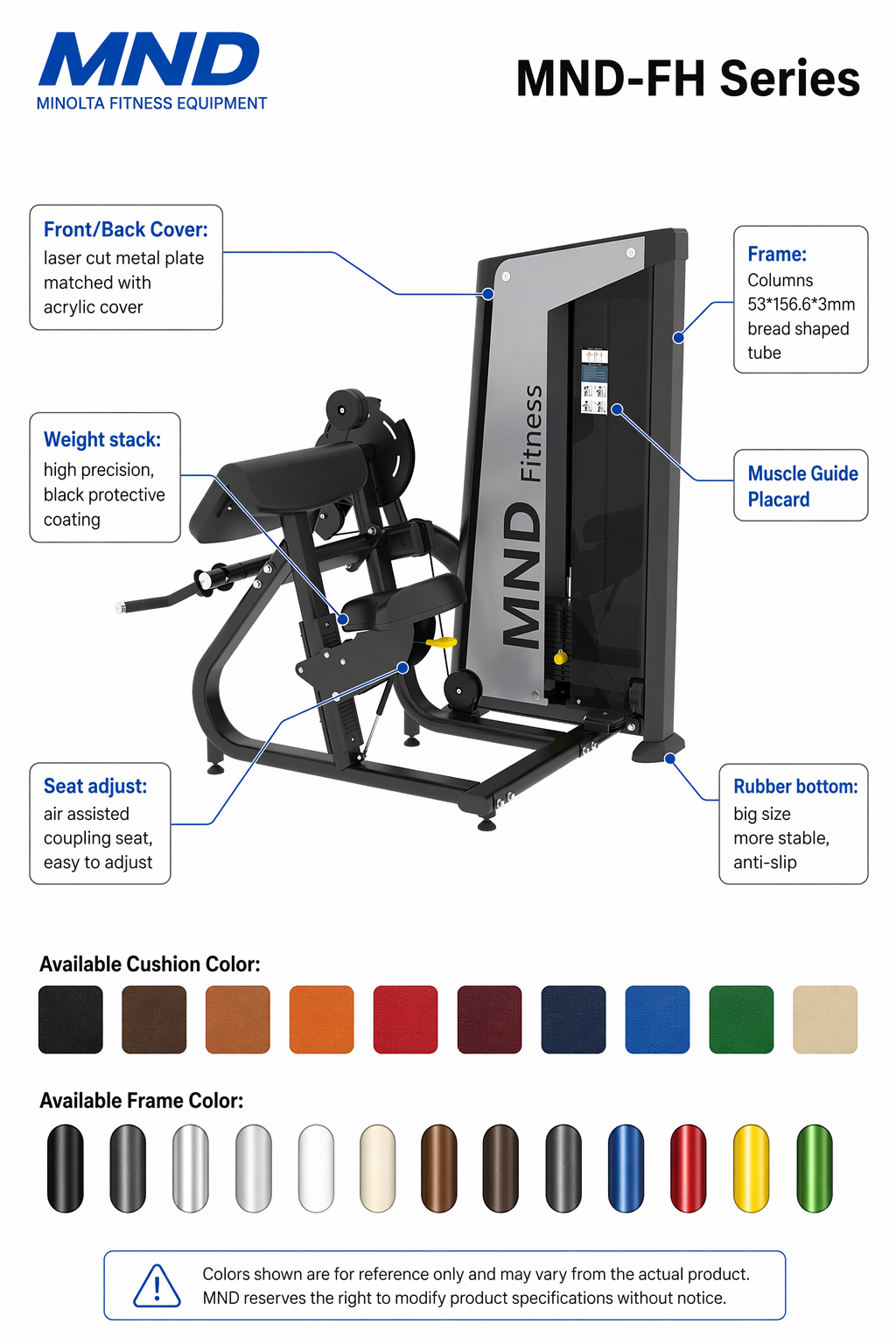
When sourcing equipment for a commercial space, durability and ergonomics are the primary filters. MND FITNESS manufactures a vast range of strength series options—from the MND-AN through to our more specialized lines—and the common denominator in our design philosophy is the heavy-duty frame.
When you are reviewing a potential French press machine, keep these factors in mind:
Resistance Curves: The cam design should ensure that the tension is heaviest where the triceps are strongest. If the weight feels too light at the bottom of the movement or creates a dead spot at the top, the mechanical design is flawed.
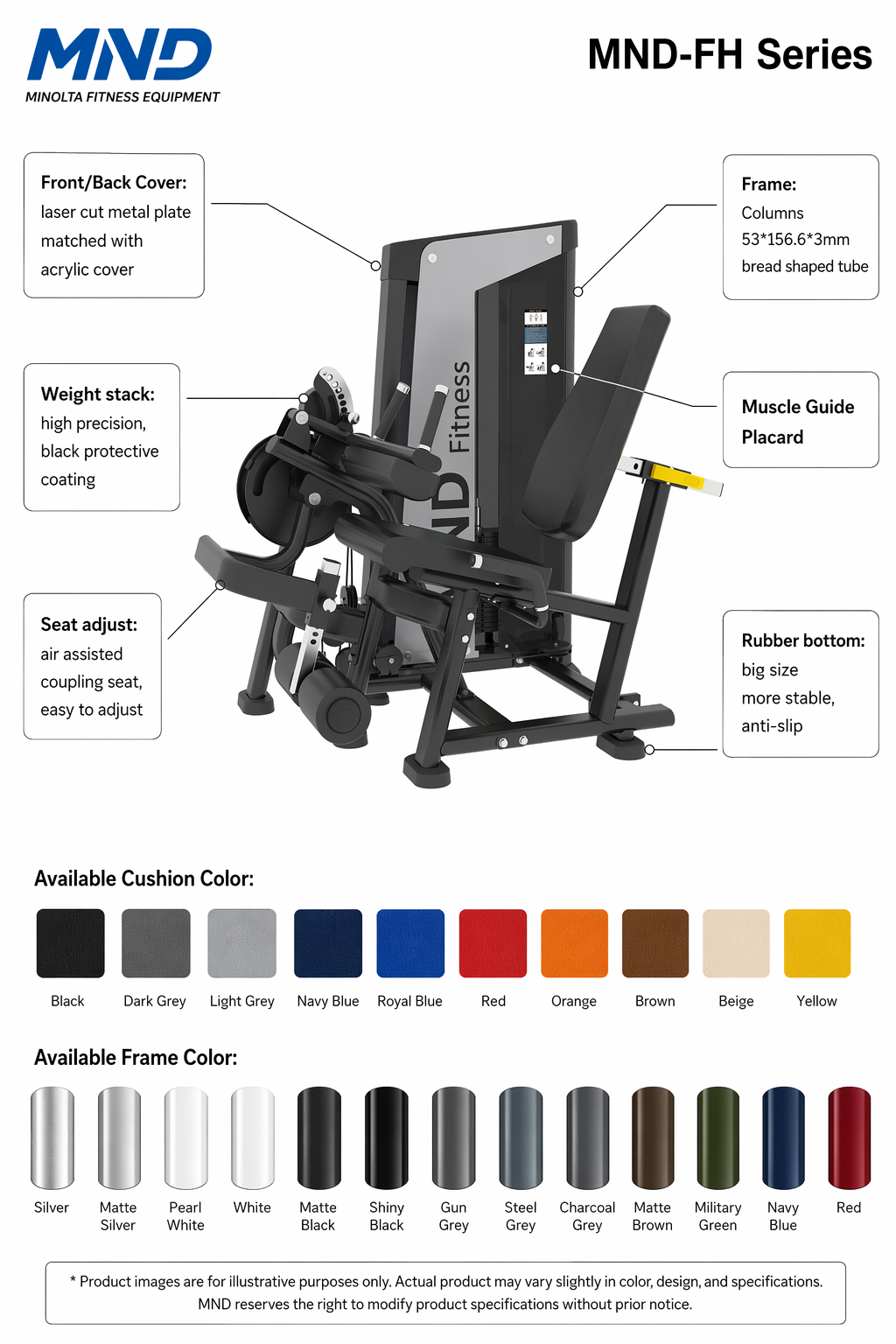
Seat Adjustability: Every user has a different torso length and shoulder flexibility. A machine that does not offer a seat height adjustment is a machine that will sit unused.
Frame Integrity: In a commercial environment with 120,000 square meters of production capacity behind us, we prioritize steel gauge and weld quality. You want a frame that does not rock or vibrate when the weight stack is in motion. If the machine feels flimsy, it will likely develop maintenance issues within the first eighteen months of heavy use.
Integrating Specialized Equipment into Your Facility Layout
One common mistake I see when consulting on gym floor plans is the overcrowding of smaller stations. A French press machine is a specialized tool, but it shouldn't be tucked into a corner where accessibility is limited. Because this piece of arm strength equipment is inherently user-friendly, placing it near your other upper-body isolation machines creates a natural flow for members following a push-day routine.
Consider the traffic patterns around the machine. Users will need space to sit, adjust the seat, and move their arms through the full range of motion. Ensure there is at least a three-foot clearance around the equipment footprint to prevent the “bottleneck effect” during peak hours. If your floor space is at a premium, look for multi-functional machines, but keep in mind that single-function equipment almost always offers superior ergonomics for the target muscle group.
Maintenance and Long-Term Reliability
After exporting to over 100 countries, we know that the biggest enemy of gym equipment isn't the user; it’s poor maintenance habits. A high-quality French press machine has moving parts that require periodic oversight. Inspecting pulley cables for fraying, ensuring that the guide rods for the weight stack remain lubricated, and tightening hardware every quarter are basic steps that extend the lifespan of your investment.
When you choose a manufacturer like MND FITNESS, you are not just buying a single unit; you are tapping into a supply chain that understands commercial-grade build standards. Whether you are outfitting a boutique studio or a large-scale international fitness center, the goal should be to minimize downtime. If a machine is out of order, it is not just a piece of metal gathering dust; it is a point of friction for your members.
Final Buyer Considerations
Before finalizing your purchase, confirm that the ergonomics suit your target demographic. Does the seat angle allow for a comfortable overhead position without straining the rotator cuff? Is the handle grip neutral or pronated? The best way to make this decision is to test the equipment with a cross-section of your training staff or members if possible.
If you are currently planning a facility upgrade or looking to expand your strength floor, reach out to our team at Shandong Minolta. We have helped gym owners across Europe, Africa, and the Americas build out their strength zones with reliable, performance-driven solutions. Investing in the right arm strength equipment is an investment in the long-term quality of your members' training experience.