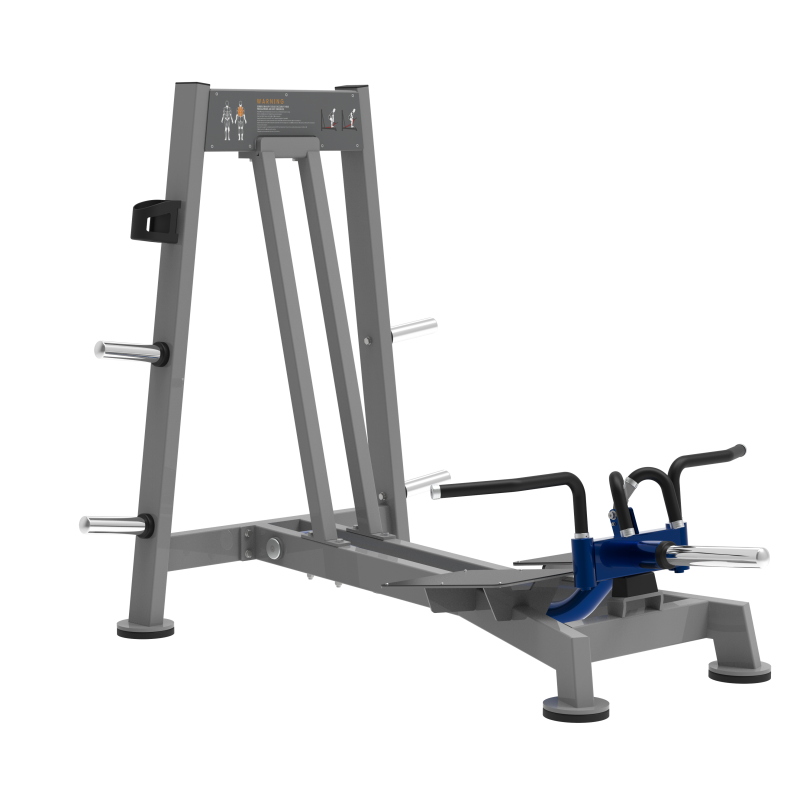



When outfitting a commercial strength zone, back equipment usually takes the brunt of daily mechanical punishment. Lat pull-downs, t-bar platforms, and dedicated leverage row stations absorb sudden eccentric drops, violent lockouts, and persistent sweat accumulation. For procurement managers and gym operators evaluating dedicated upper-body plate-loaded units, the MND SPL22 Commercial Super Dorsy Bar represents a specialized category of back training machinery built around natural biomechanical arcs and heavy structural steel.
Choosing the right dorsal row station is rarely just about how much weight a frame can hold on paper. Facilities run into real-world headaches when cheaper pivot joints bind under uneven bilateral loading, chest pads break down after eight months of heavy sweat exposure, or the loading horns fail to accommodate standard Olympic bumper tolerances. Reviewing the engineering behind units like the MND SPL22—produced by Shandong Minolta Fitness Equipment Co., Ltd. out of Ningjin's industrial manufacturing corridor—helps gym owners evaluate whether a machine offers genuine commercial longevity or merely looks sturdy in a catalog rendering.
Biomechanics: Why Dorsal Bar Architecture Matters
Traditional seated cable rows and standard chest-supported T-bars often force trainees into fixed movement planes that stress either the anterior glenohumeral joint or the lower lumbar spine. The "Super Dorsy" style machine addresses this by utilizing an angled, chest-supported leverage system that isolates the latissimus dorsi, rhomboids, and mid-trapezius while completely eliminating lower back shear.
In equipment of this class, the pivot location dictates the resistance profile throughout the contraction. A well-designed linkage provides a slightly lighter initial load at the full stretch position—where the shoulder complex is most vulnerable—building smoothly into peak tension as the elbows drive past the ribcage. When handling high-traffic commercial gyms, multi-grip handle design is equally critical. Having both neutral and pronated hand placements allows members of varying wingspans to track naturally along their individual scapular planes without placing excess torque on the wrists.
Structural Build and Material Integrity
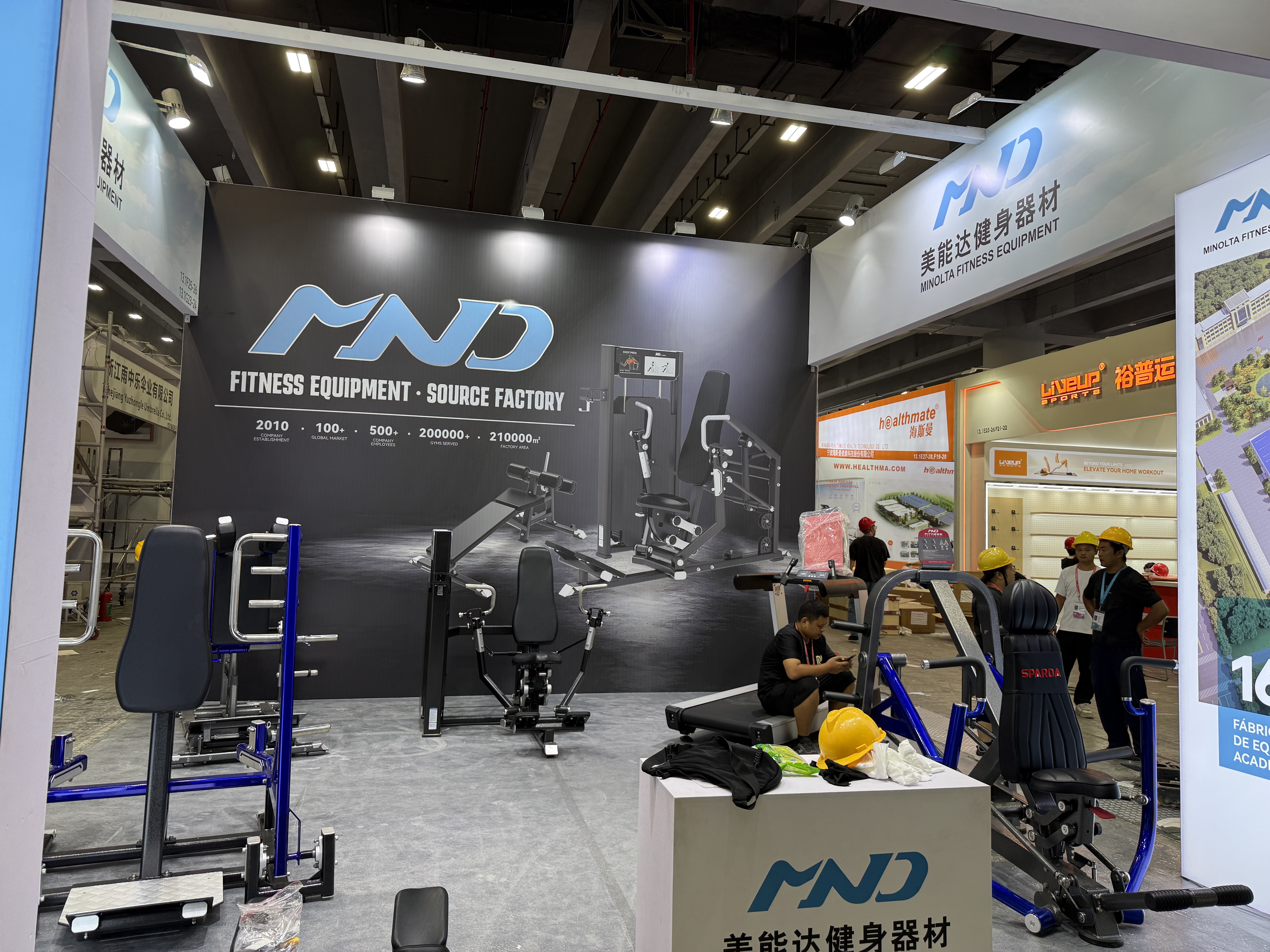
The manufacturing cluster in Ningjin, Shandong, has evolved over the past two decades from simple fabrication workshops into high-capacity fitness equipment hubs. MND Fitness operates out of a 120,000 square meter facility there, integrating in-house structural welding, automated powder-coating lines, and quality control testing. In heavy plate-loaded equipment like the MND SPL22, build quality comes down to three physical factors: tubing gauge, pivot mechanics, and contact points.
1. Frame Rigidity and Base Geometry
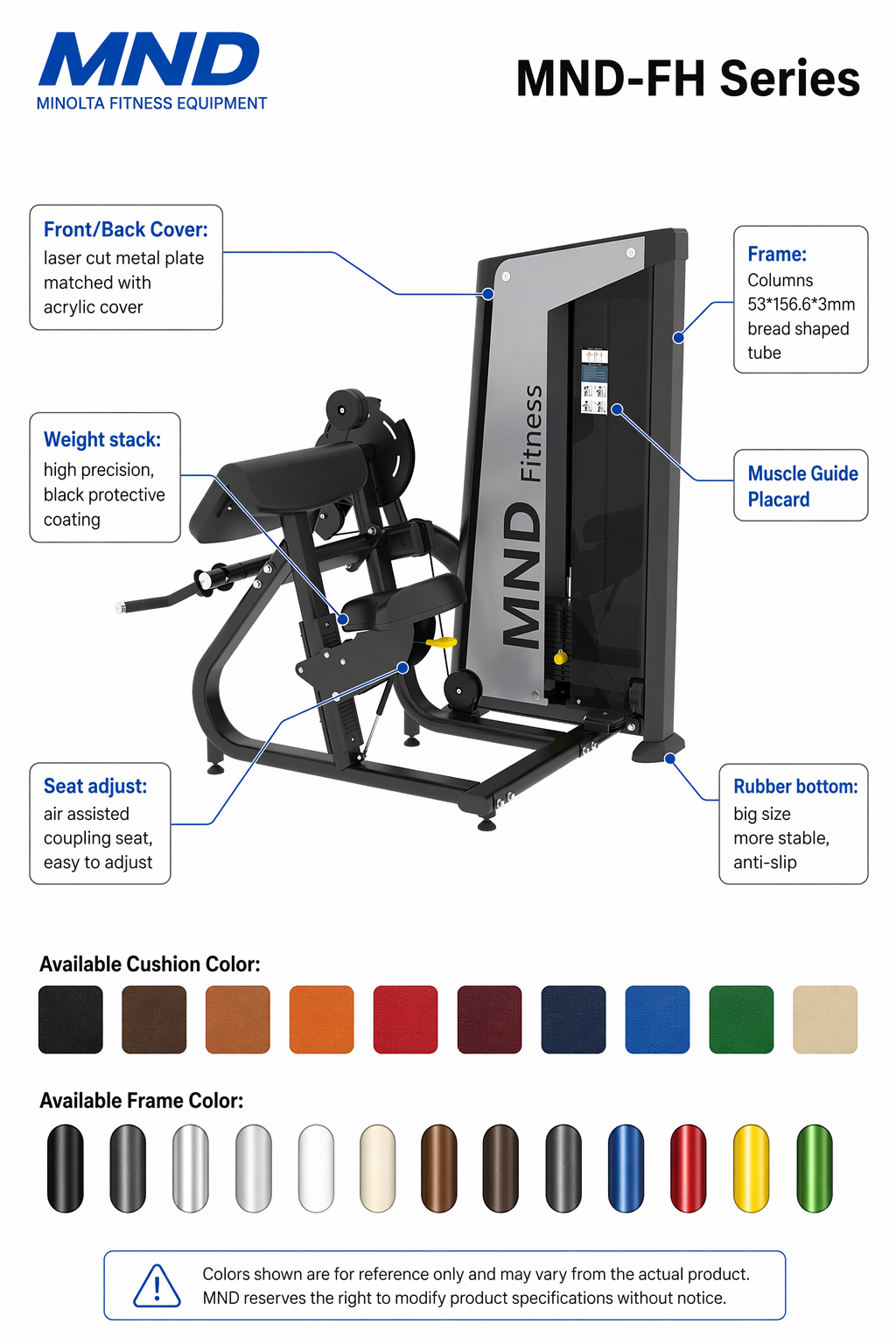
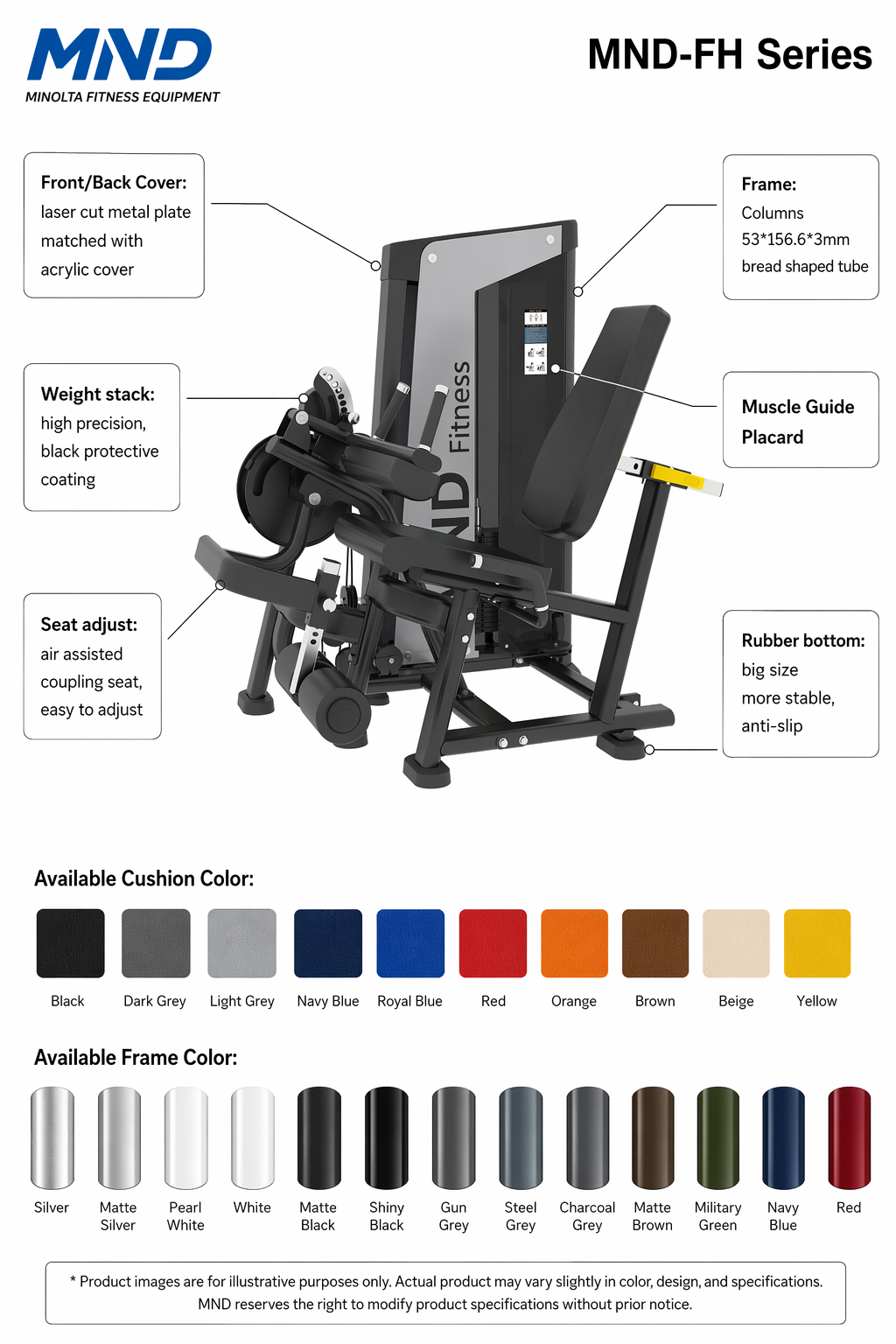
Under heavy loading—such as four or five 20-kilogram plates per side—a lightweight machine will twist along its longitudinal axis during unilateral pulls. A commercial-grade dorsal station requires heavy-gauge structural steel tubing (typically 2.5 mm to 3.0 mm wall thickness in main structural uprights) welded with uniform penetration. Broad ground-contact footprints fitted with heavy rubber stabilizer feet prevent frame walk and dampen vibration across rubber gym flooring.
2. Industrial Pivot Assemblies
The main pivot is the heart of any leverage machine. Substandard units cut costs by utilizing basic bronze bushings that run hot, gall, and eventually squeak under asymmetrical loads. Commercial units rely on sealed industrial pillow-block or deep-groove ball bearings. Sealed units prevent sweat and particulate infiltration, maintaining fluid arm movement even when a user loads one side significantly heavier than the other.
3. Ergonomic Pads and Wear Surfaces
Chest-supported rows experience extreme localized pressure. Sourcing managers should inspect the backing board and foam density. High-density, molded polyurethane foam wrapped in commercial-grade vinyl resists cracking and moisture seepage far better than bonded scrap foam. In high-turnover clubs, cheap vinyl splits at the seams within a year, exposing the underlying foam to moisture and bacterial breakdown.
Technical Comparison: Leverage Dorsy vs. Cable Lat Row
To help operators decide how to allocate floor space, here is how a dedicated plate-loaded Super Dorsy unit compares to conventional cable back stations:
| Evaluation Factor | Plate-Loaded Dorsy (e.g., MND SPL22) | Selectorized Cable Low Row |
|---|---|---|
| Wear Components | Sealed pivot bearings, weight horn sleeves; minimal moving parts. | Cables, nylon/aluminum pulleys, guide rods, weight stack pins. |
| Maintenance Demand | Low. Periodic hardware retightening and upholstery sanitization. | Medium to High. Cable tensioning, rod lubrication, regular cable swaps. |
| Max Load Capacity | Dictated by plate thickness and horn length; handles extreme loads. | Capped by weight stack size (usually 100 kg to 140 kg). |
| Stabilization Demand | Chest pad isolates torso; zero lower back fatigue. | Requires active spinal erector bracing throughout the set. |
| Floor Footprint | Moderate footprint, requires side clearance for plate loading. | Linear, relatively narrow footprint. |
Procurement Pitfalls to Avoid
Having supplied equipment to commercial facilities in over 100 countries, Shandong Minolta Fitness Equipment Co., Ltd. frequently works with international buyers who run into common procurement blind spots. When importing commercial strength pieces, keep these realities in mind:
- Weight Horn Sizing: Verify horn diameters before ordering. In international markets, standard Olympic plates use 50 mm center rings. Weight horns manufactured at exact or oversized diameters can jam with tight-tolerance urethane or competition plates.
- Floor Clearance & Plate Access: Plate-loaded machines require more than just their static physical dimensions. You must account for a 60 cm perimeter zone on each loading side so members can safely carry and slide plates without colliding with adjacent stations or walkways.
- Packaging and Corrosion Protection: Ocean transit exposes bare metal and unfinished welds to salt air and condensation. Ensure the manufacturer applies multi-stage surface pre-treatment (shot blasting and electrostatic powder coating) to prevent micro-rusting under the paint finish during 30 to 45 days at sea.
Floor Layout and Target Demographics
The MND SPL22 fits logically into dedicated bodybuilding areas, athletic performance training centers, and commercial club strength floors. Because it bypasses spinal compression, it is equally valuable for physical therapy facilities and personal training studios working with clients who have disc pathology or weak core stabilizers. When grouping equipment, position this unit alongside lat pull-downs and horizontal chest presses to create an intuitive pull-push circuit that minimizes cross-gym traffic.
Frequently Asked Questions
How often do pivot bearings on plate-loaded back machines require servicing?
In standard commercial settings, sealed industrial bearings require no internal lubrication. Preventative maintenance is generally limited to inspecting the retention bolts quarterly for torque loss and checking for lateral play along the pivot shaft.
Can the chest support accommodate trainees of varying heights?
Most commercial dorsy stations feature an adjustable seat assembly utilizing a spring-loaded pop-pin mechanism. Setting the seat height correctly ensures the chest pad supports the upper sternum without digging into the diaphragm or restricting deep respiratory expansion during heavy sets.
What floor anchoring is recommended for heavy commercial use?
While the machine's tare weight and rubberized base pads provide adequate stability under normal training conditions, facilities catering to powerlifters or running high-density strength floors often prefer anchoring the base plates directly into concrete using expansion bolts to prevent shifting over time.
Next Steps for Facility Planning
Selecting reliable strength machinery requires balancing biomechanical efficacy, structural longevity, and total cost of ownership. For facility owners considering the MND SPL22 Commercial Super Dorsy Bar or outfitting a full strength zone with matching selectorized and plate-loaded pieces, reviewing CAD footprint layouts and factory weld specifications is the logical next step. Connect directly with the commercial sales team at Shandong Minolta Fitness Equipment Co., Ltd. to request full specification sheets, container shipping terms, and factory-direct pricing for your project timeline.