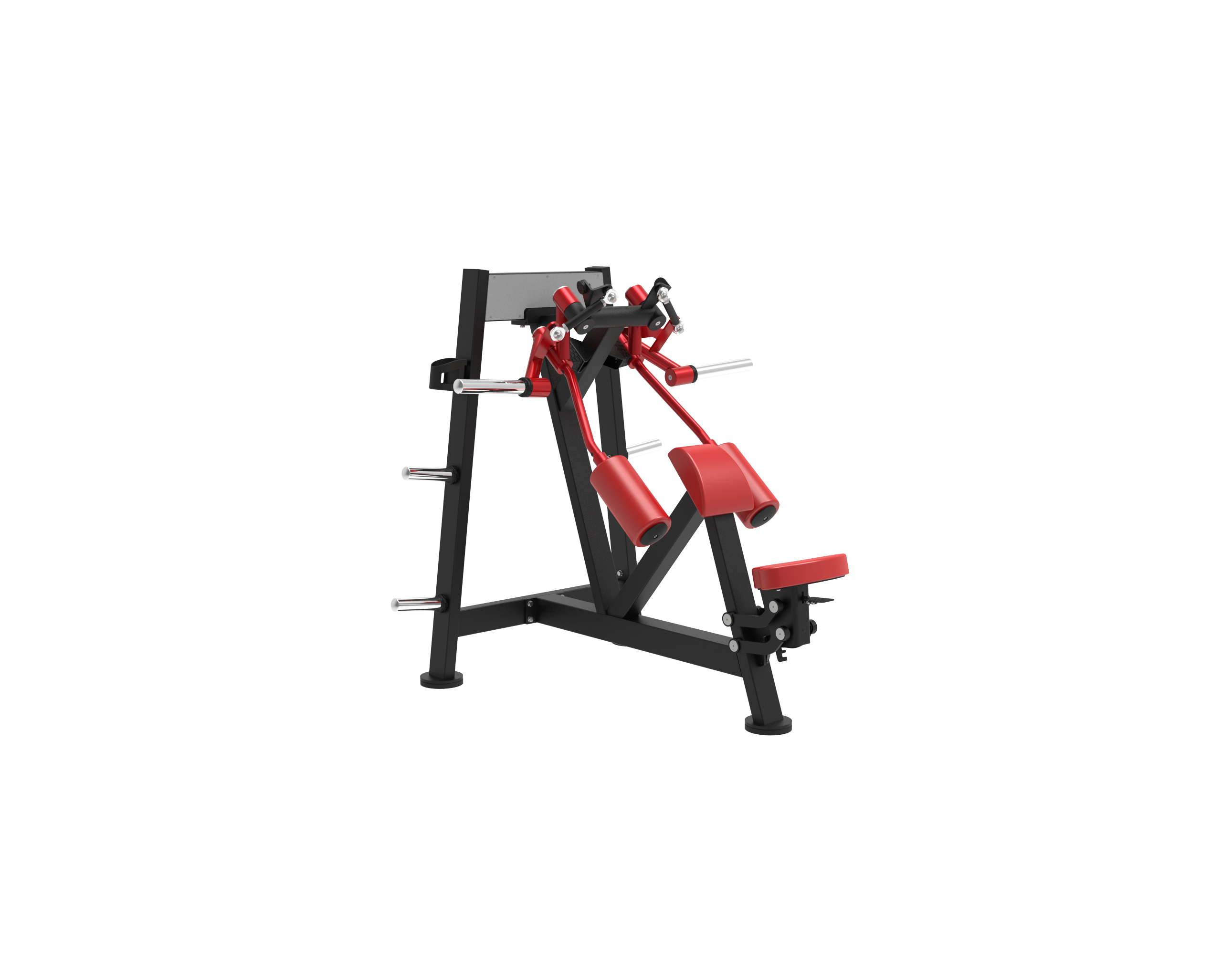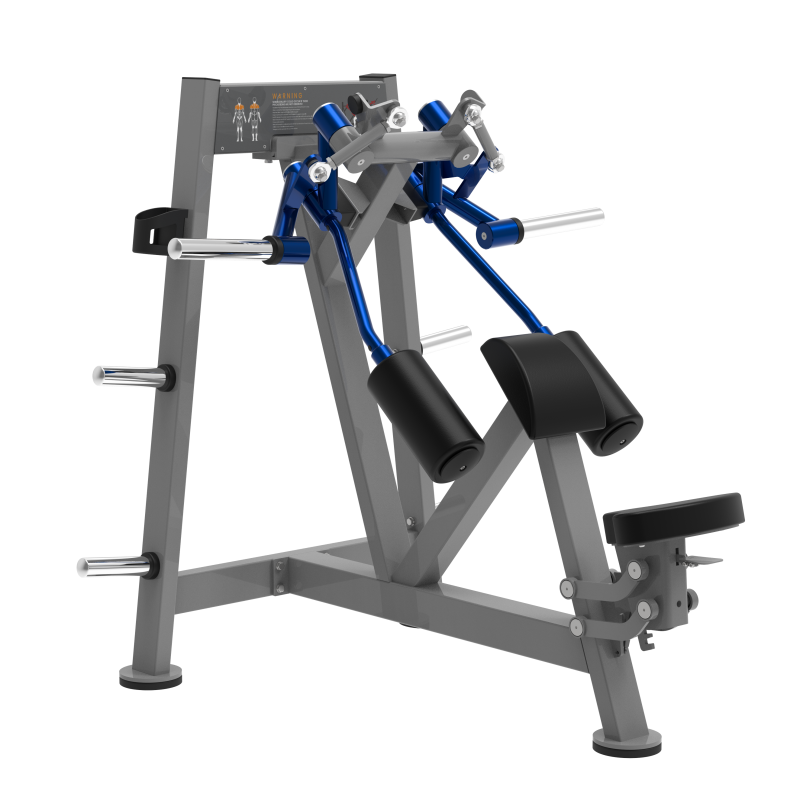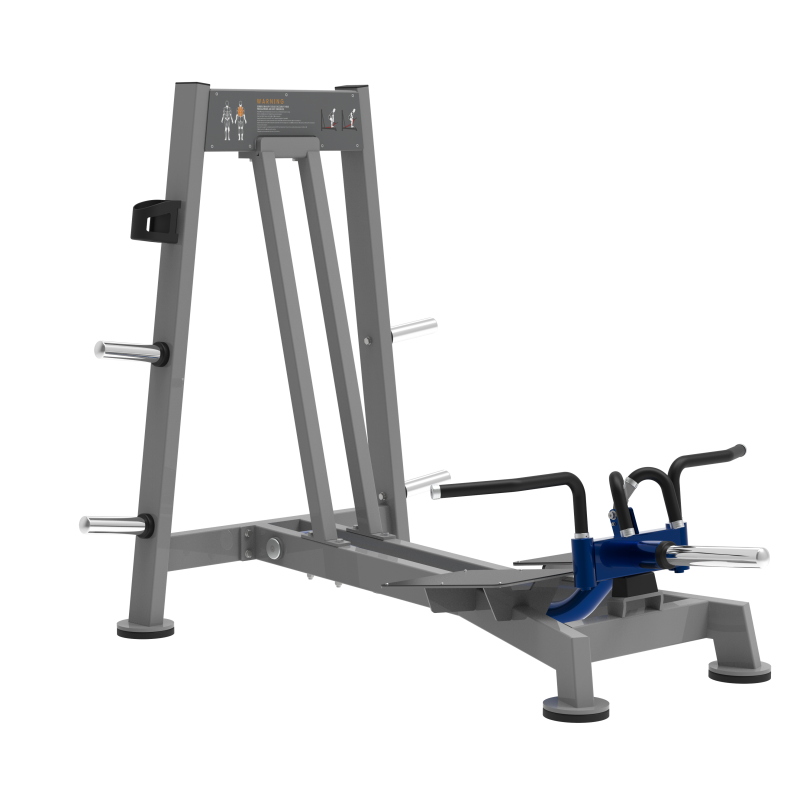



For commercial facility owners and equipment distributors, sourcing dedicated upper-body strength equipment often comes down to an uncomfortable tradeoff between biomechanical precision and structural durability. The posterior chain of the shoulder is notoriously difficult to target safely with standard free weights, which is why the MND SPL27 Rear Delt Machine garners attention among commercial gym outfitters evaluating cost-to-performance ratios from Chinese manufacturing hubs. Selecting a specialized rear deltoid unit requires looking past powder coats and marketing renders to examine pivot geometries, structural steel gauges, and bearing assemblies that will endure daily, repetitive rotational torque.
Rear deltoid and upper-back stations operate under distinct lateral mechanical stresses that multi-presses or standard pull-down towers rarely encounter. When an athlete pulls horizontal fly patterns, lateral shear force concentrates directly onto the primary pivot bearings and the articulation points of each lever arm. If an importer or gym manager selects a unit built on lightweight tubing or substandard needle bearings, the arms develop horizontal play within months, degrading the movement path and creating an unsettling tactile chatter for the lifter.
Biomechanical Priorities for Posterior Deltoid Machinery
Posterior deltoid activation demands an arc that accommodates varying humerus lengths without forcing the user's wrist into hyperextension or twisting the shoulder girdle. On commercial floorplates, you will find both dual-function pec fly/rear delt combos and dedicated stations. Dedicated units like the SPL27 rear delt machine hold an inherent operational advantage: the absence of dual-axis selector cams and crossover linkages eliminates mechanical backlash.
A properly designed rear delt station should provide:
- Neutral and horizontal grip options that allow internal or external humeral rotation without binding the wrist joints.
- An adjustable chest pad mechanism that keeps the user's thoracic spine stable while anchoring the shoulder blades to prevent excessive scapular retraction from stealing load away from the posterior deltoid.
- Direct-drive cam or leverage curves that compensate for human strength curves, offering smoother resistance at peak extension where the muscle is mechanically weakest.
When evaluating a unit like the SPL27 rear delt machine, sourcing teams should inspect whether the handles rotate freely or remain fixed. Freely articulating handles prevent the user's wrists from acting as rigid levers against the weight stack, directly reducing joint complaints among club members.
Structural Architecture: Materials, Bearings, and Welds
Manufactured by Shandong Minolta Fitness Equipment Co., Ltd. (MND FITNESS), this machine originates from the concentrated hardware manufacturing belt of Ningjin County. This industrial cluster provides direct access to domestic structural steel processing and specialized metal finishing, which reflects in the heavy-walled tubing typical of commercial strength lines.
When auditing equipment in this class, field engineers and purchasing agents should focus on four physical structural zones:
1. Pivot Axles and Bearings
Standard commercial use demands deep-groove ball bearings or sealed cartridge bearings housed within precision-machined headstocks. Bushings made of nylon or low-grade bronze should be an automatic rejection point for high-traffic facilities, as they quickly bind under unilateral loading.
2. Frame Fabrication
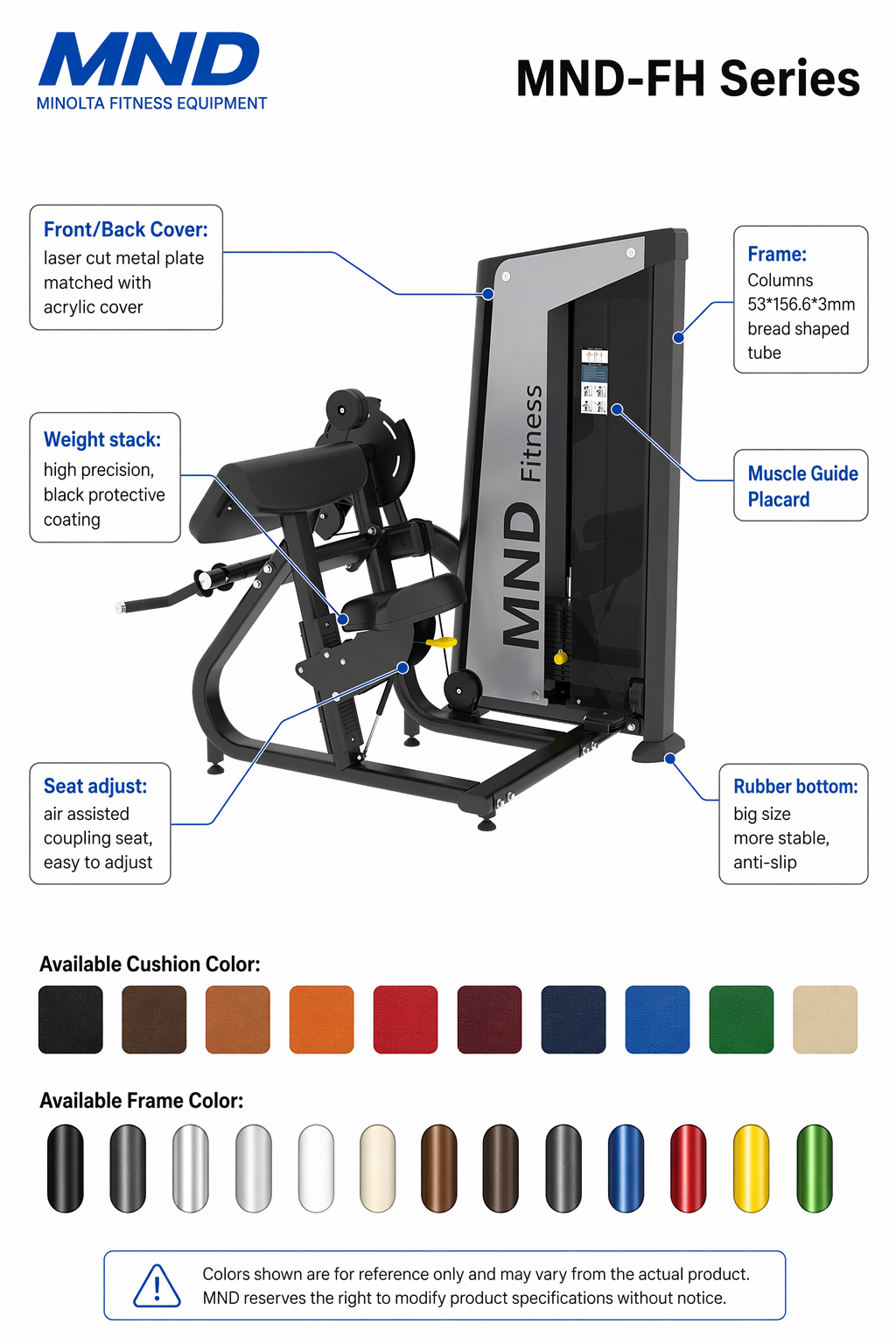
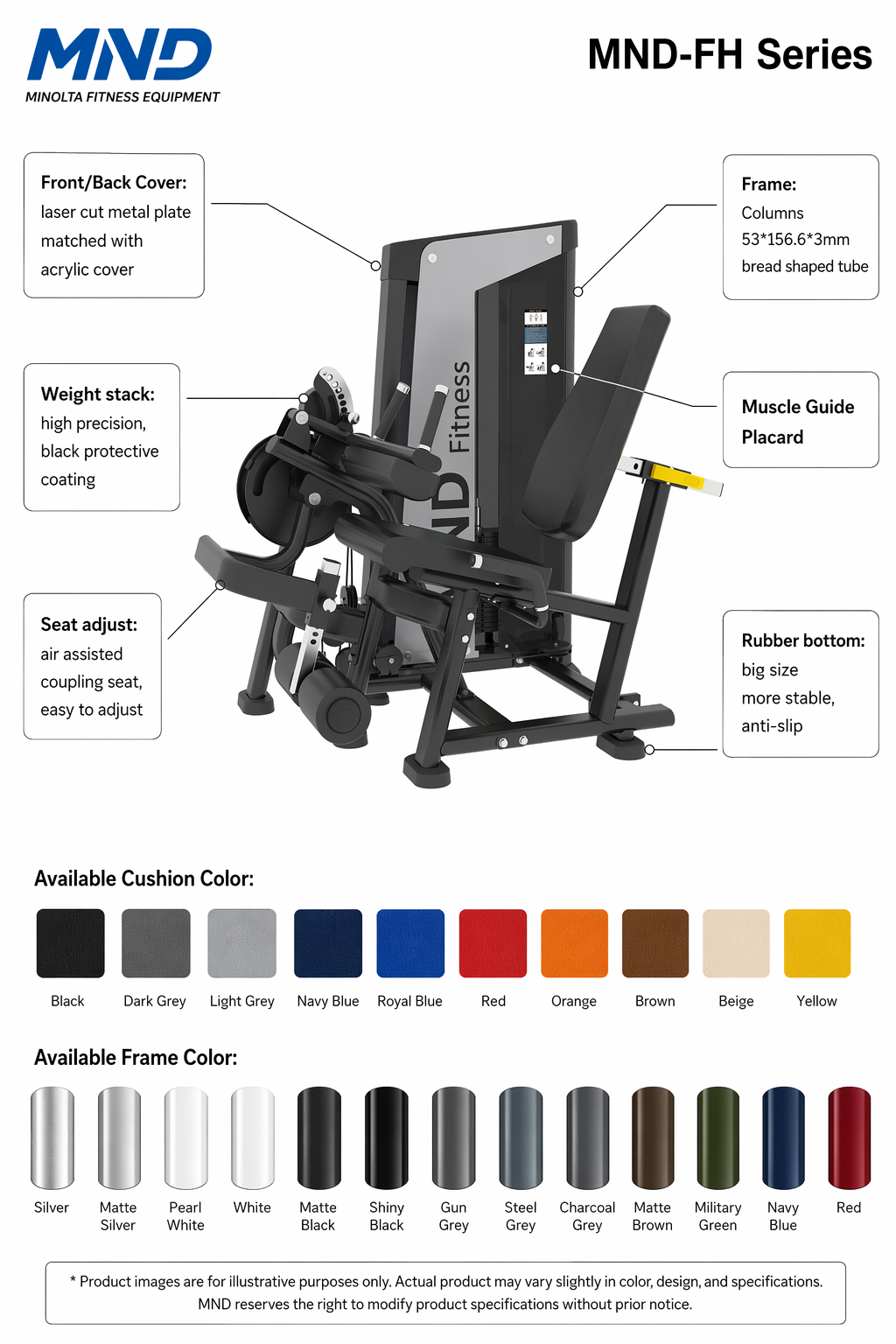
MND commercial strength lines generally employ cold-rolled structural steel tubing (commonly 3 mm wall thickness in primary load paths, though exact sub-assemblies should be verified against batch technical drawings). Robotic welding on the base plates and arm junctions prevents localized fatigue fractures caused by plate drops and abrupt decelerations.
3. Upholstery and Contact Points
Chest pads and seats on rear delt stations experience significant friction and sweat exposure. Look for high-density reconstituted foam wrapped in commercial-grade vinyl (PVC or PU) with clean edge stitching. A low-density foam core will compress to the plywood baseboard within a year, leading to frame contact and premature wear.
Layout Planning and Facility Integration
Integrating the MND SPL27 Rear Delt Machine into a floor layout requires understanding clear zones. Because the movement arms swing outward in a broad bilateral arc, the physical footprint of the machine at rest does not represent its active working envelope.
Operators should budget at least 0.5 meters of clearance on either side of the fully extended arm paths to ensure passing members are not struck during heavy training sets. Grouping dedicated rear delt stations near upper-back pull-down clusters or dumbbell fly zones optimizes floor flow, keeping high-volume upper-body accessories logically sequenced.
For club owners managing large installations, selectorized units streamline cleaning cycles. Unlike plate-loaded counterparts, there are no loose weight horns requiring floor sweeps to retrieve stray plates, making them ideal for placement along mirrored walls or tight perimeter zones.
Sourcing from Shandong Minolta: Manufacturer Context
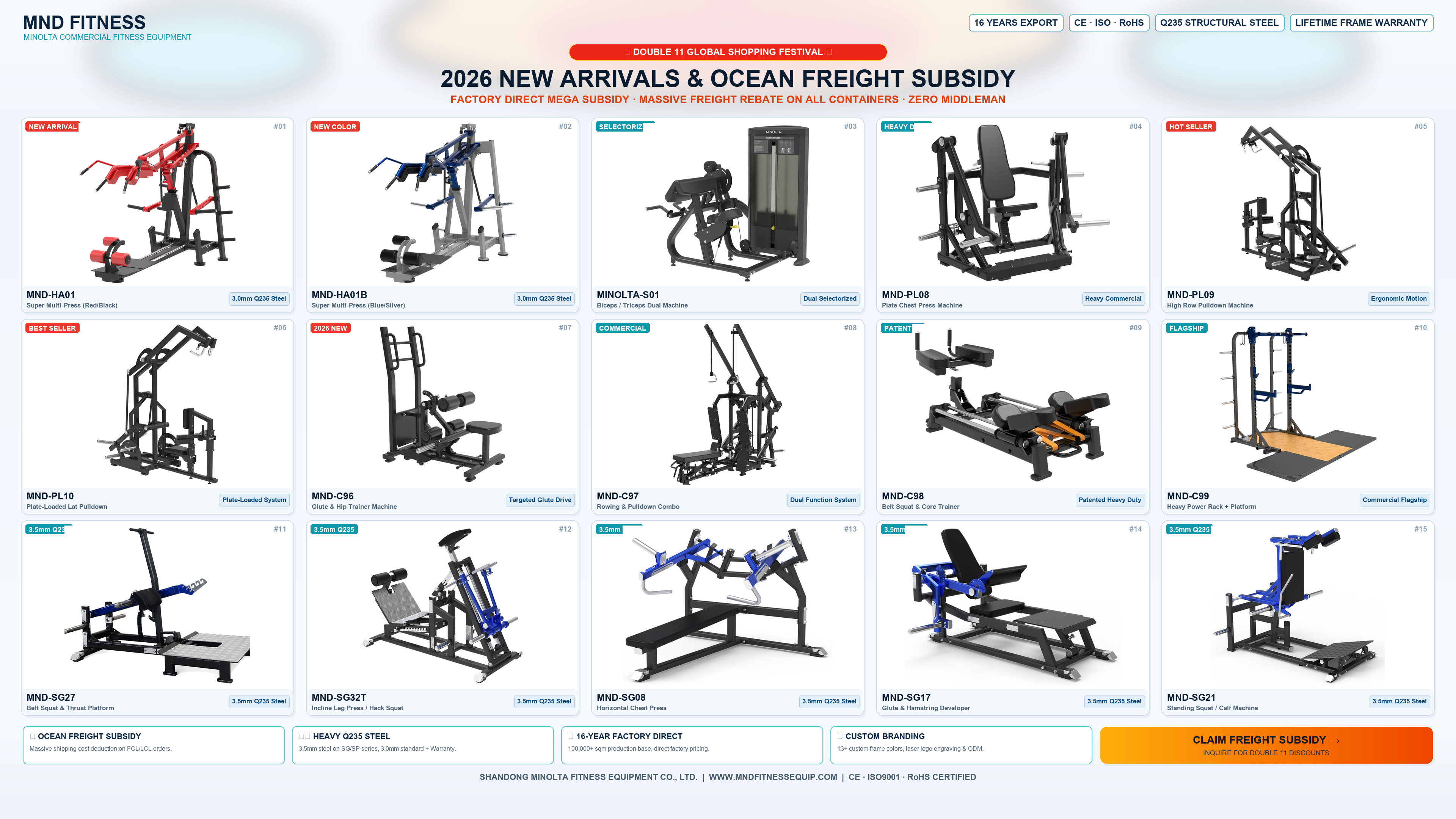
Shandong Minolta Fitness Equipment Co., Ltd. operates across a 120,000-square-meter footprint with integrated fabrication, quality control labs, and showrooms. While MND is widely recognized for comprehensive commercial lines—spanning selectorized ranges like the MND-AN, MND-FM, and MND-G series to heavy plate-loaded rigs and cardio units like the MND-X series treadmills—sourcing specialized machines requires clear supplier communication.
When procuring equipment from Minolta's Ningjin facilities, buyers should establish direct pre-shipment checkpoints:
- Guide Rod Tolerances: Verify that chrome-plated guide rods exhibit zero surface pitting and are strictly aligned to prevent stack friction.
- Weight Stack Damping: Check the quality of rubber bumper pads at the base of the stack; thin or brittle rubber translates to metal-on-metal frame impact.
- Cable and Pulley Specifications: Ensure pulleys feature sealed bearings and cables are rated for consistent commercial fatigue cycles rather than consumer-grade loads.
- Container Packing: With MND exporting to over 100 countries across Europe, the Middle East, and the Americas, confirm whether your consignment is flat-packed in reinforced plywood crates or partially assembled on metal skids to optimize container cube utilization.
Common Procurement Pitfalls
A recurring mistake among B2B buyers is evaluating selectorized machines purely on cosmetic finishes or showroom catalog renders. A rear delt machine can look exceptional under exhibition lighting but exhibit binding under asymmetric loading—such as when a trainee exercises one arm independently with heavy weight. During factory acceptance tests or sample evaluations, always load the stack to at least 70% capacity and test unilateral arm movement. If the arm binds on the guide rod or twists noticeably, the pivot pin tolerance or housing wall thickness is inadequate.
Another frequent oversight involves spare parts provisioning. Even well-engineered machines eventually need replacement wear items. Smart buyers negotiate a basic wear kit—replacement cables, weight stack selector pins, arm adjustment pop-pins, and an extra seat pad—directly into the initial Bill of Lading, avoiding weeks of downtime waiting for single-item international air freight.
Frequently Asked Questions
Does the SPL27 rear delt machine accommodate different user heights comfortably?
Commercial rear delt units rely on a multi-position ratcheting seat adjustment paired with a fixed chest pad. This configuration aligns lifters of different torso lengths so that their shoulder joints match the vertical plane of the pivot axles.
Can this unit handle unilateral (single-arm) training?
Yes, provided the machine utilizes independent movement arms. This is a critical design feature to confirm with the supplier before order confirmation, as independent linkages prevent non-working arm drift and allow functional unilateral protocols.
How should maintenance be scheduled for this machine in a high-traffic gym?
Weekly protocols should focus on cleaning sweat from upholstery and wiping down guide rods with a dry micro-fiber cloth (avoiding heavy grease that attracts dust). Monthly inspections should verify cable tension, pop-pin retention springs, and tightness of the pivot axle locking bolts.
Procurement Takeaway
For commercial facilities seeking targeted shoulder conditioning without the mechanical compromises of combined fly/delt stations, the MND SPL27 Rear Delt Machine represents a specialized hardware solution designed for dedicated service. To ensure your order matches your facility's operational throughput, request complete exploded parts diagrams, verify bearing types in the arm pivot assemblies, and align on container packaging specifications with the MND export team prior to issuing a deposit.