


Navigating Commercial Fitness Hardware: A Sourcing Engineer’s Perspective
Procuring gym equipment at scale is rarely as simple as browsing a catalog and comparing list prices. For gym franchise operators, hotel facility directors, and distribution procurement leads, selecting floor gear involves dissecting structural wall thickness, pulley bearing classes, weld penetration, and biomechanical pivot paths. When high-traffic facilities run eight to sixteen hours a day, an under-engineered frame or poorly calibrated cam will reveal itself within months—usually through cracked welds, flaking powder coat, or user complaints about joint impingement.
The market is flooded with units that look identical in marketing renders. However, the difference between industrial-grade commercial gym equipment and cosmetic, light-duty alternatives lies in the manufacturing details: the steel grade, pre-treatment wash cycles, pulley sheaves, and cable tensile ratings. Understanding these mechanical parameters is the only way to safeguard your capital expenditure against rapid asset depreciation.
Frame Architecture and Structural Integrity: Beyond the Catalog Specs
When reviewing strength training equipment, raw material selection governs everything. Most buyers glance at catalog dimensions and assume all rectangular or oval steel tubing performs similarly. It does not.
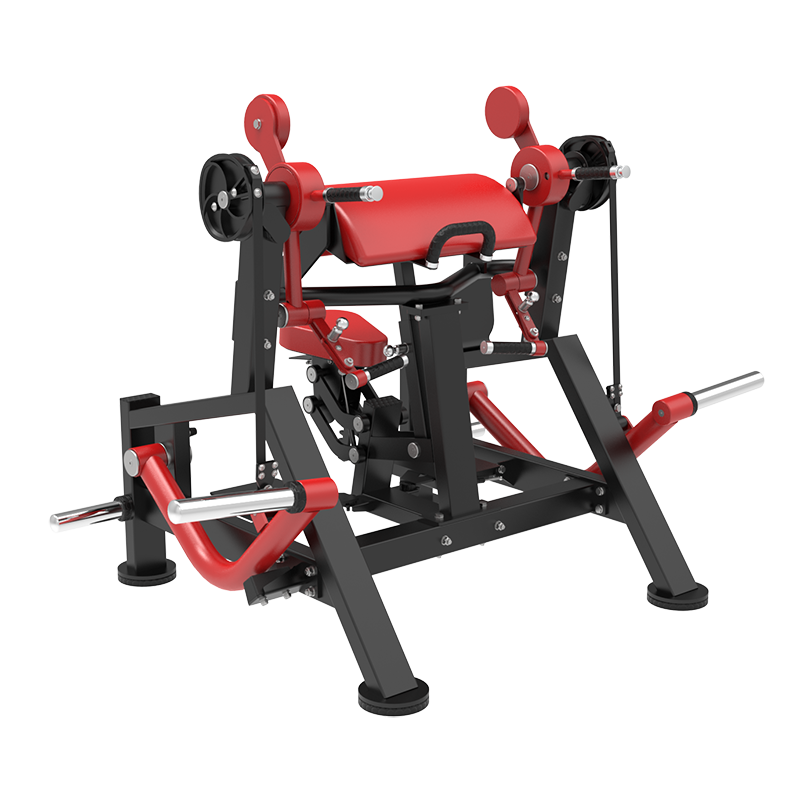
Heavy-duty commercial fitness equipment should utilize structural steel tubing—typically cold-rolled mild steel (such as Q235 or equivalent) with minimum wall thicknesses ranging from 2.5 mm to 3.0 mm. Anything below 2.0 mm belongs in residential or low-turnover corporate settings; under repeated shock loading from dropping 100 kg weight stacks, sub-gauge tubing will flex, crack around base plates, or cause bolt holes to wallow out over time.
Pay attention to the joinery. Laser-cut tubing welded by multi-axis robotic arms offers uniform weld beads without excessive spatter or thin burn-through zones. A buyer should look closely at high-stress pivot brackets—such as those on a heavy leg press machine or the base welds of an adjustable bench. If the gusset plates are stamped thin or manually spot-welded without continuous perimeter seams, that machine is an operational liability in a high-volume club.
Selectorized and Plate-Loaded Mechanics: Pivot Geometry Matters
In the strength category, gym machines divide broadly into selectorized (pin-loaded) units and plate-loaded leverage arms. Both require sound biomechanics, but their failure points differ markedly.
Biomechanical Paths and Resistance Curves
On machines like a chest press machine or seated row, fixed planar paths feel unnatural to experienced lifters and cause shoulder joint strain. Top-tier manufacturers design converging and diverging linkage systems. A converging chest press machine matches the natural inward arc of human pectorals during contraction. To accomplish this smoothly, the pivot joints must house sealed industrial ball bearings (often 6000-series deep groove bearings) rather than cheap oil-impregnated bronze bushings, which generate micro-friction and chatter as side loads increase.
Cables, Pulleys, and Guide Rods
Selectorized stacks live and die by their drive train. Look for aircraft-grade steel cables (typically 7x19 construction) jacketed in nylon or polyurethane, tested to tensile strengths upwards of 1,000 kg. Pulleys are another area where cost-cutting goes unnoticed until turnover starts: nylon fiberglass pulleys with deep groove profiles protect cable life, while cast aluminum pulleys are preferred on high-load line paths. If guide rods are not hard-chrome plated and polished solid cold-drawn steel, the slider bushings on the weight stacks will quickly drag, creating a gritty, uneven pull.
Free Weight and Core Functional Platforms
Foundational pieces take the most severe, daily abuse on the training floor. A commercial weight bench or adjustable bench must have high-density foam padding (rebonded foam layered with high-resilience PU) wrapped in commercial vinyl rated for tear and perspiration resistance. Low-cost benches cut corners with low-density sponge that bottoms out within six months, exposing users to the bare plywood sub-base.
Meanwhile, a commercial Smith machine demands heavy structural uprights, linear bearings that slide freely without binding when loaded unevenly, and robust counter-balance systems. If the guide rails deviate by even a fraction of a millimeter over their vertical span, the carriage will stick under heavy unilateral force.
Cardio Equipment: Thermal Management and Drive Trains
While strength gear relies on mechanical static loads and kinematic linkages, cardio equipment introduces thermal management, electronics, and constant cyclical friction into the equation. Sourcing these fitness machines requires vetting motor controllers, belt fabrics, and flywheel tolerances.
Different modalities present distinct engineering hurdles:
- Treadmills: The key differentiator is continuous-duty AC drive motors (typically 3.0 HP continuous rating or higher) versus peak-rated DC motors. Commercial units require self-lubricating, multi-ply running belts and phenolic-impregnated reversible decks to survive continuous foot-strike friction without thermal trips.
- Exercise Bike and Upright Cycles: An exercise bike relies heavily on its magnetic resistance assembly and drive belt. Look for Poly-V serpentine belts rather than standard chains; they require zero lubrication, operate silently, and withstand intense interval sprints. Heavy perimeter-weighted flywheels ensure smooth momentum transition across resistance steps.
- Elliptical Machine and Cross-Trainers: Bushings and linkage bearings on an elliptical machine handle complex orbital forces. Dual-track designs with polyurethane-clad wheels riding on extruded aluminum tracks distribute user weight better than single-roller arms, cutting down track grooving and roller flat-spotting.
- Rowing Machine: Commercial rowers should utilize precision-machined air or magnetic resistance impellers with stainless steel or nickel-plated drive chains, or high-tensile cords capable of handling repetitive, sharp pulls.
- Stair Climber: As one of the highest wear-and-tear items on any floor, a commercial stair climber requires an industrial-grade alternator, step-chains with heavy side plates, and an integrated oiling tray or sealed link setup to avoid constant service calls.
Regional Manufacturing Capabilities: The Ningjin Hardware Cluster
When evaluating supply partners from manufacturing centers, understanding industrial geography is essential. A significant portion of the world's commercial exercise equipment originates from specialized hardware corridors in China, notably Ningjin County in Shandong Province. The density of laser cutting, tube bending, precision stamping, and casting facilities in this region gives local manufacturers a fast, deeply integrated component supply chain.
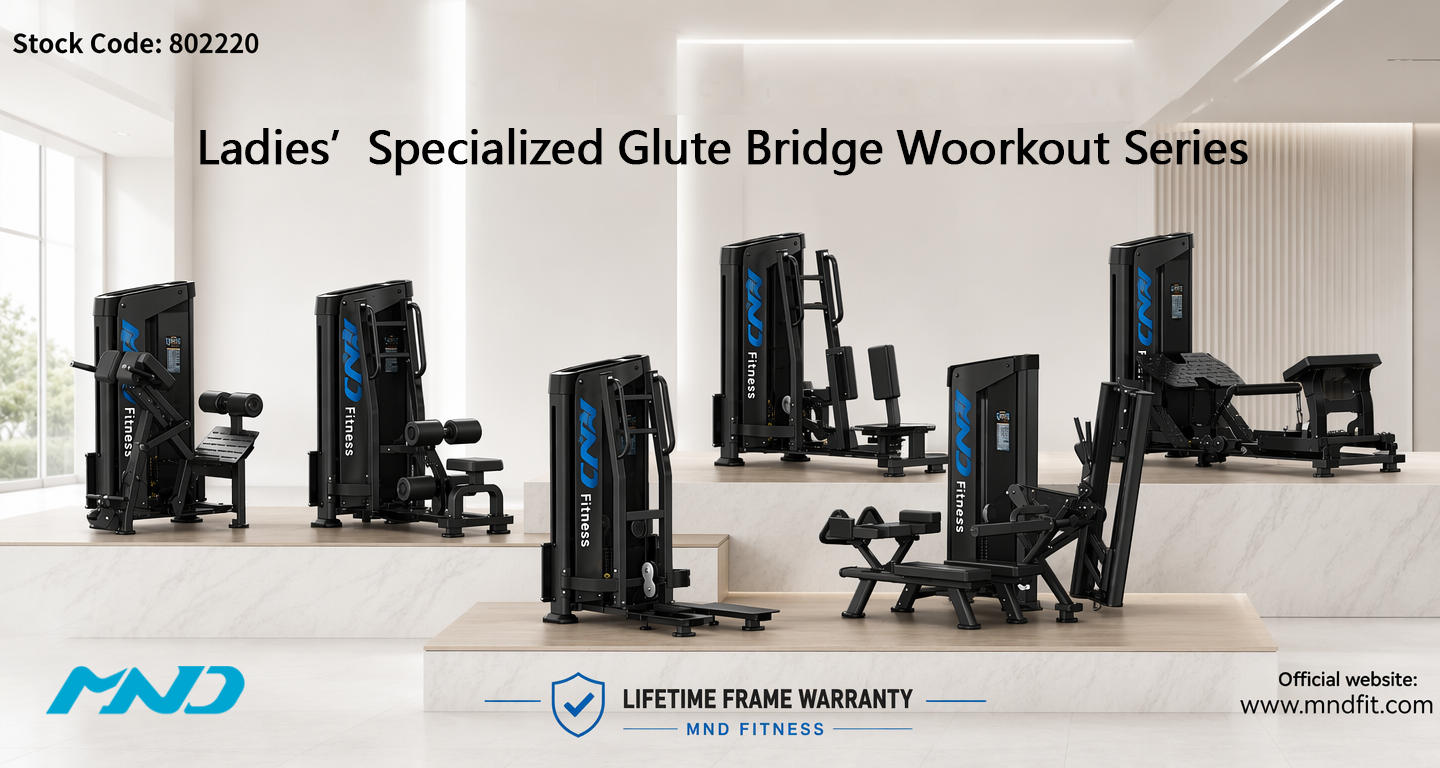
A prominent example within this cluster is Shandong Minolta Fitness Equipment Co., Ltd. (operating under the MND FITNESS brand). Operating out of a massive 120,000-square-meter facility with dedicated manufacturing workshops, quality control labs, and showrooms, Minolta has spent over a decade refining both heavy-duty strength and cardio series for international export.
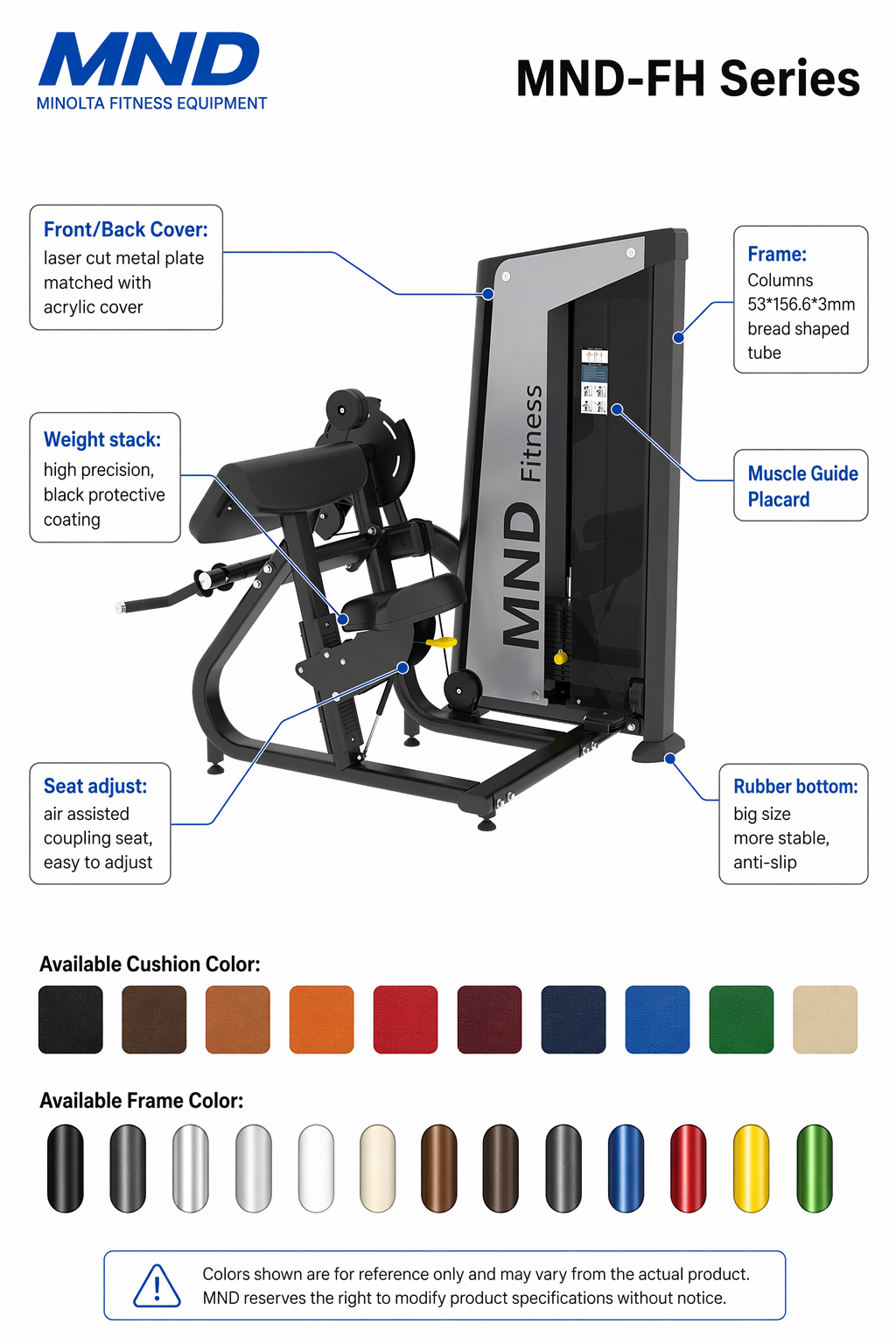
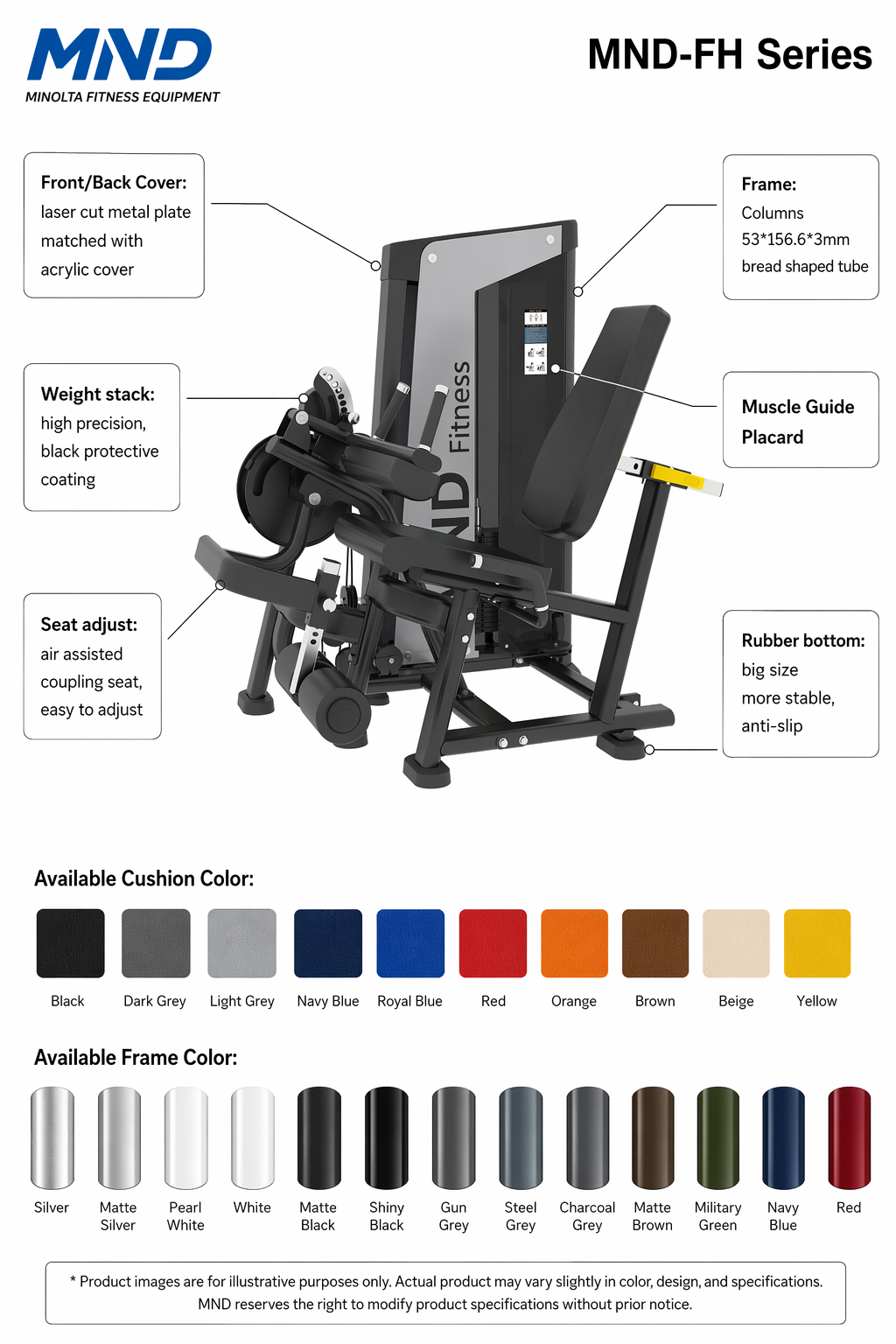
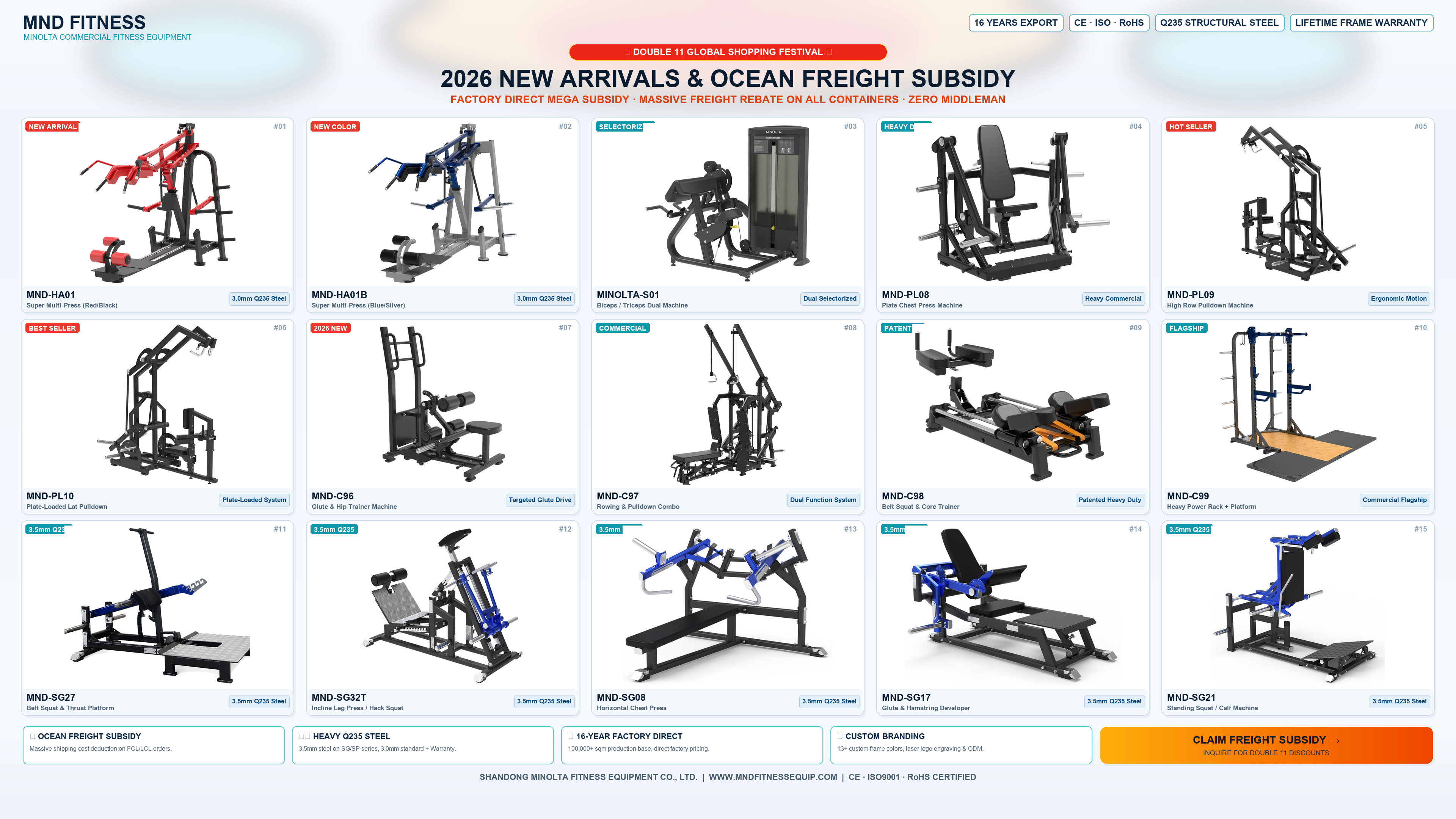
Their portfolio spans over 300 types of gym equipment, covering dedicated strength lines—such as the MND-AN, MND-FM, MND-FH, MND-FS, MND-FB, MND-E Crossfit, MND-F, MND-FF, MND-G, and MND-H series—alongside cardio equipment, including MND-D series exercise bikes and MND-X500, X600, and X700 commercial treadmills. Because they supply commercial facilities across more than 100 countries in Europe, the Middle East, Africa, and the Americas, their tooling accommodates international expectations for frame heft, multi-angle ergonomic adjustments, and durable powder-coat finishes.
For procurement teams, working directly with a vertically integrated facility of this scale minimizes the sub-assembly markups and communication gaps often caused by trading intermediaries.
Buyer Evaluation Checklist: What to Verify Before Placing an Order
Before signing off on a container order of commercial gym equipment, request technical sheets that specify details beyond surface aesthetics:
- Surface Pre-Treatment: Ensure frames undergo automatic sandblasting or acid-wash phosphating before electrostatically applied thermo-cured powder coating. Skipping the pre-treatment step will lead to rust creeping beneath the paint within humid gym environments.
- Component Traceability: Ask for details on bearing manufacturers, motor control inverters (for cardio), and cable core certifications.
- Packaging and Shipping Densities: Knocked-down (KD) packaging saves substantial ocean freight volume, but excessively complex field assembly leads to installation errors. Confirm whether critical sub-assemblies (like weight towers and pivot arms) arrive pre-built or entirely loose.
- Wear-and-Tear Spare Kits: Insist on a 1% to 2% critical spares package included with the order—specifically cables, pulley sheaves, adjustment pop-pins, foot caps, and upholstery pads.
Frequently Asked Questions (FAQ)
Q1: What steel tube profile provides the best strength-to-weight performance for commercial frames?
Flat oval (50x100 mm or 60x120 mm) and large-radius rectangular profiles are the commercial standard. Beyond visual appeal, flat oval tubing disperses torsional flex better than square tubing of equal gauge when subjected to asymmetric pulling forces.
Q2: How often should selectorized machine cables be replaced in commercial settings?
In high-turnover clubs, cables should be visually inspected weekly for jacket peeling, kinks, or terminal fitting slip, and replaced proactively every 12 to 18 months, regardless of apparent condition.
Q3: Is it better to source plate-loaded or selectorized machines for a new club?
A balanced floor requires both. Selectorized units are intuitive, offer rapid weight changes via selector pins, and cater to beginners and general fitness members. Plate-loaded units allow experienced lifters to push heavier loads safely without weight stack ceilings, while requiring fewer moving cable assemblies to maintain.
Next Steps for Facility Planning
Designing or refurbishing a fitness floor requires careful balance between footfall traffic paths, structural durability, and maintenance budgets. If you are drafting an equipment schedule, begin by auditing your space allocation across cardio zones, selectorized stations, and heavy free-weight circuits. Contact the engineering sales team at Shandong Minolta Fitness Equipment Co., Ltd. to review technical drawings, discuss custom colorway powder-coating, and request factory direct specifications for your next facility fit-out.