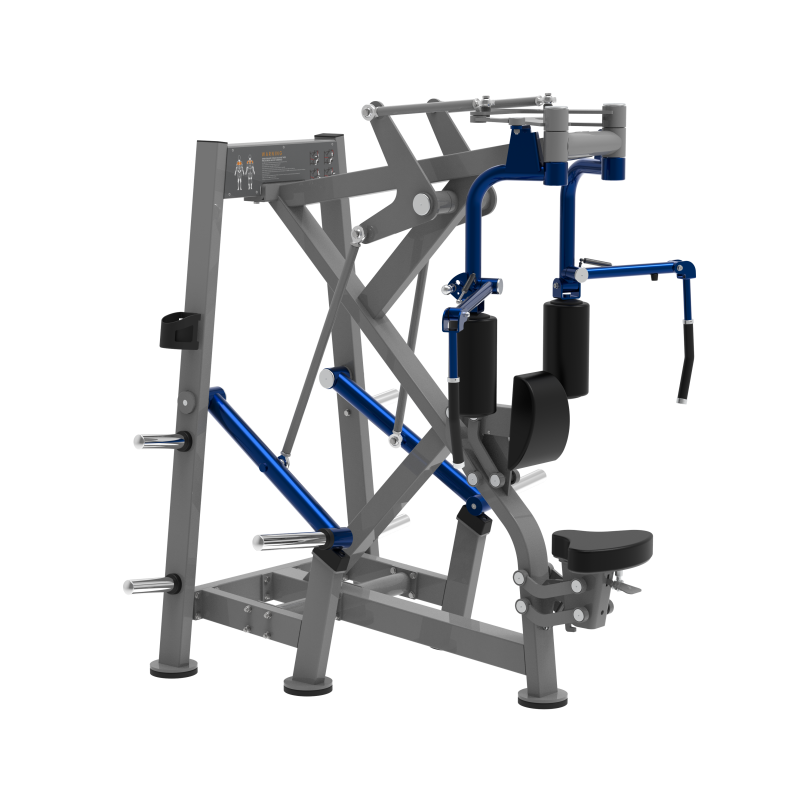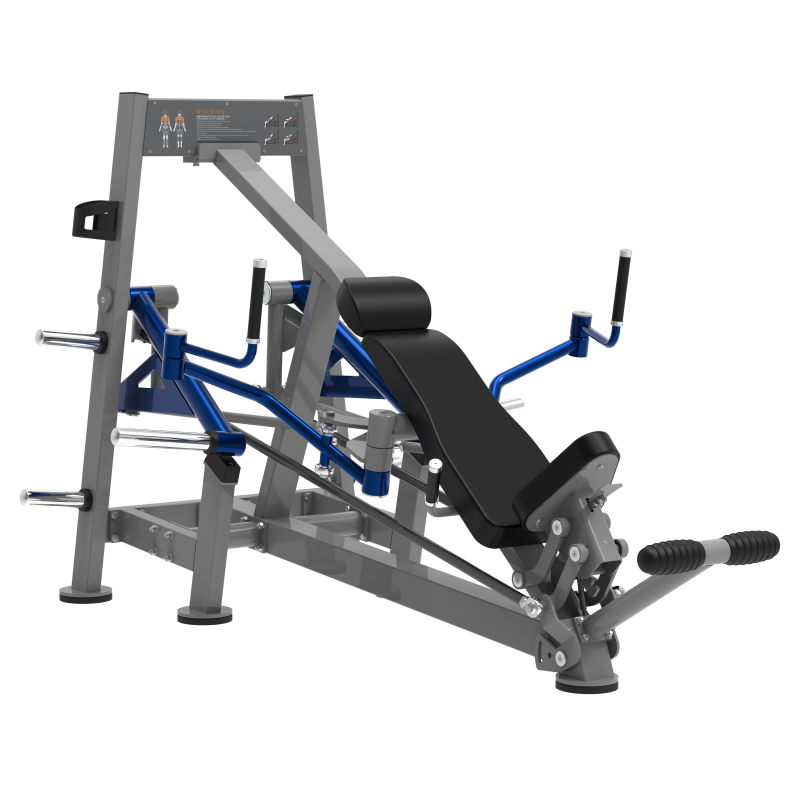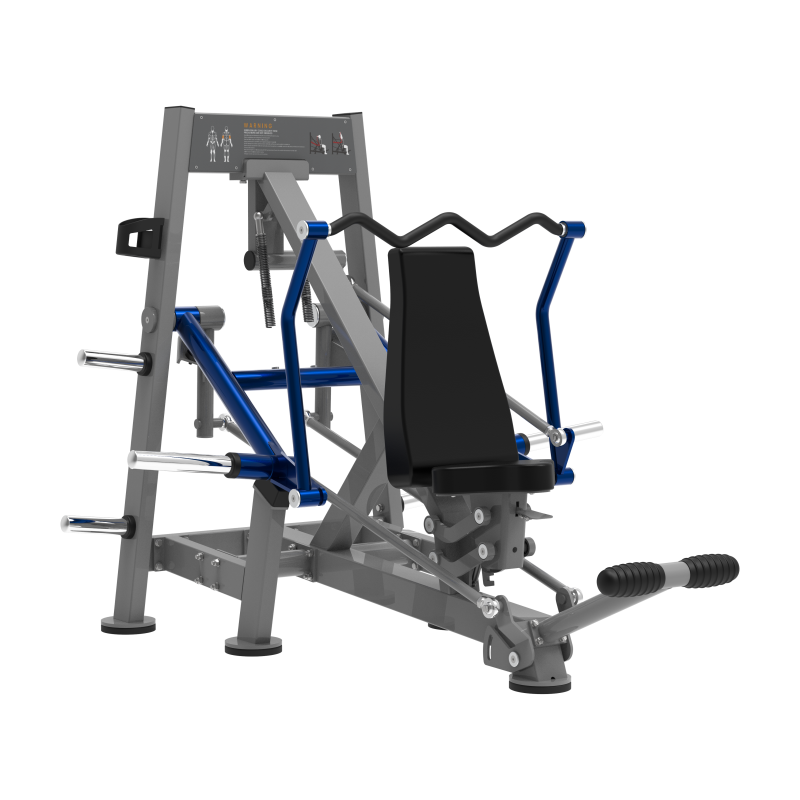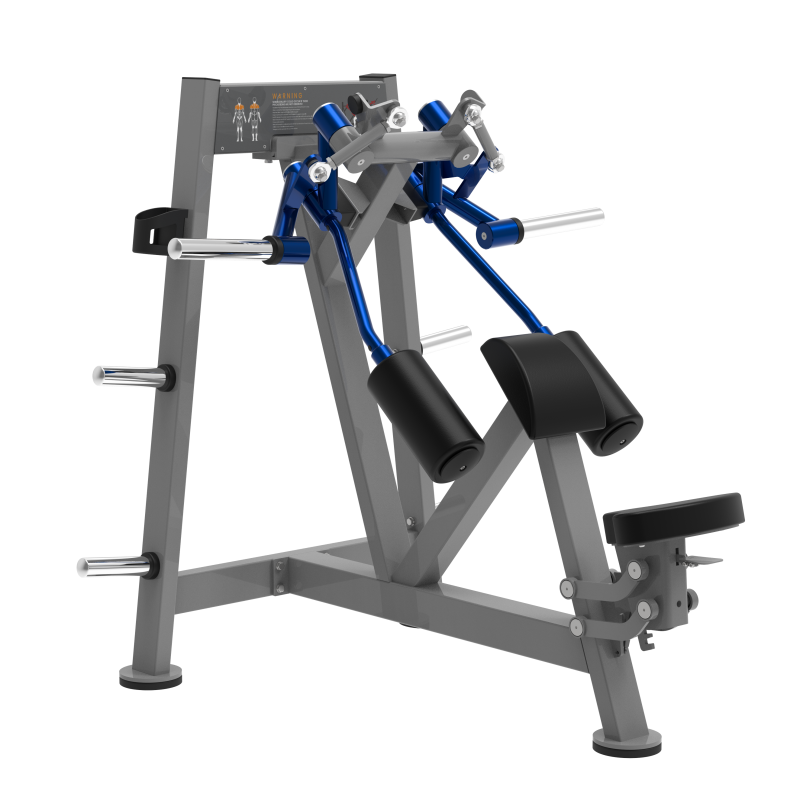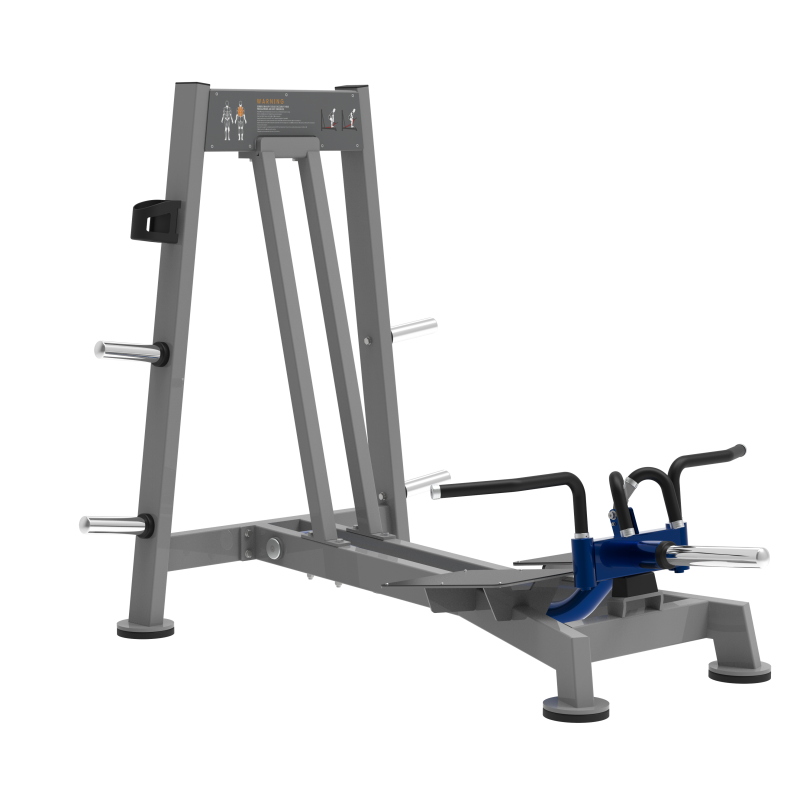



Commercial fitness floors rarely experience downtime on high-utility dual-function stations. Among selectorized equipment, the Super Peck Back Machine remains a workhorse unit because it answers two conflicting biomechanical demands in a single structural footprint: controlled pectoral adduction and isolated posterior deltoid abduction. For gym operators, facility planners, and commercial equipment distributors, sourcing this piece is not merely about finding a machine with two handles and a weight stack. It is an exercise in evaluating pivot engineering, cam kinematics, and structural resilience under continuous daily duty cycles.
The Dual-Axis Dilemma: Pec Fly and Rear Delt Kinematics
Dual-function strength machines frequently suffer from compromise. The biomechanics of a chest fly demand a convergent or wide-arc rotational path where user hand spacing maintains chest engagement without impinging the anterior shoulder capsule at terminal extension. Conversely, a rear deltoid fly requires an arc that allows the elbows to travel backward and outward, isolating the posterior deltoid and rhomboid complexes without dragging the upper trapezius into hyper-compensation.
On an entry-grade station, fixed-length arms force users of varying arm lengths into unnatural wrist and elbow angles. A well-engineered Super Peck Back Machine solves this through independent articulating arm assemblies. These self-aligning handles rotate on secondary pivot pins, automatically adapting to the user's forearm length as the primary lever swings through its arc. If you are inspecting a unit on a factory floor, push the primary arm forward and check the secondary handle pivot: there should be smooth, lubricated needle or sealed ball bearing movement, zero lateral chatter, and immediate resistance engagement via the cam profile.
Structural Build and Load Integrity
Because users frequently release weight stacks near peak contraction or load the stack to capacity for heavy chest flies, the structural framework absorbs severe rotational torque. Buyers evaluating commercial lines must look closely at frame wall thickness and weld profiles.
Mainframe tubes should feature heavy-gauge cold-drawn structural steel—typically 2.5 mm to 3.0 mm nominal wall thickness—to prevent frame twisting over time. Pay close attention to the overhead crossbeam where the top pivot axles mount. This joint bears the cumulative shear load of both moving arms. If the manufacturer relies on simple cold welds without internal gussets or reinforced plates, the pivot housing will eventually drift out of plumb, causing the cams to rub against their shrouds or guide channels.
Cables and pulleys present another critical evaluation point. Nylon-injected pulleys with standard ball bearings are acceptable in moderate-traffic settings, but heavy commercial gyms demand CNC-machined aluminum alloy pulleys at primary direction-change points. A steel-core wire rope coated with self-lubricating polyamide (nylon 11 or 12) significantly outlasts standard PVC-coated cable, which tends to crack and peel around tight bend radiuses under heavy selectorized loads.
Floor Layout and Balancing Upper vs. Lower Body Zones
When sourcing selectorized lineups, procurement managers rarely buy a Super Peck Back Machine in isolation. It forms the backbone of an upper-body circuit that must balance against lower-body traffic patterns. In modern gym layouts, the pec/rear delt station experiences its peak utilization at the same operational hours that high-demand lower chain stations see maximum congestion.
For this reason, layout designers frequently map the upper-body selectorized line in direct visual proximity to commercial glute training equipment, such as dedicated hip thrust machines, multi-hip stations, and kickback units. Sourcing both categories from the same manufacturing platform ensures uniform stack tower heights, consistent upholstery textures, matching powder-coat finishes, and standardized maintenance hardware across the gym floor. Standardizing fasteners and cable assemblies between your upper-body duals and commercial glute training equipment significantly streamlines the spare parts inventory your maintenance crews must keep on hand.
Manufacturing Footprint: Sourcing from Ningjin Industrial Clusters
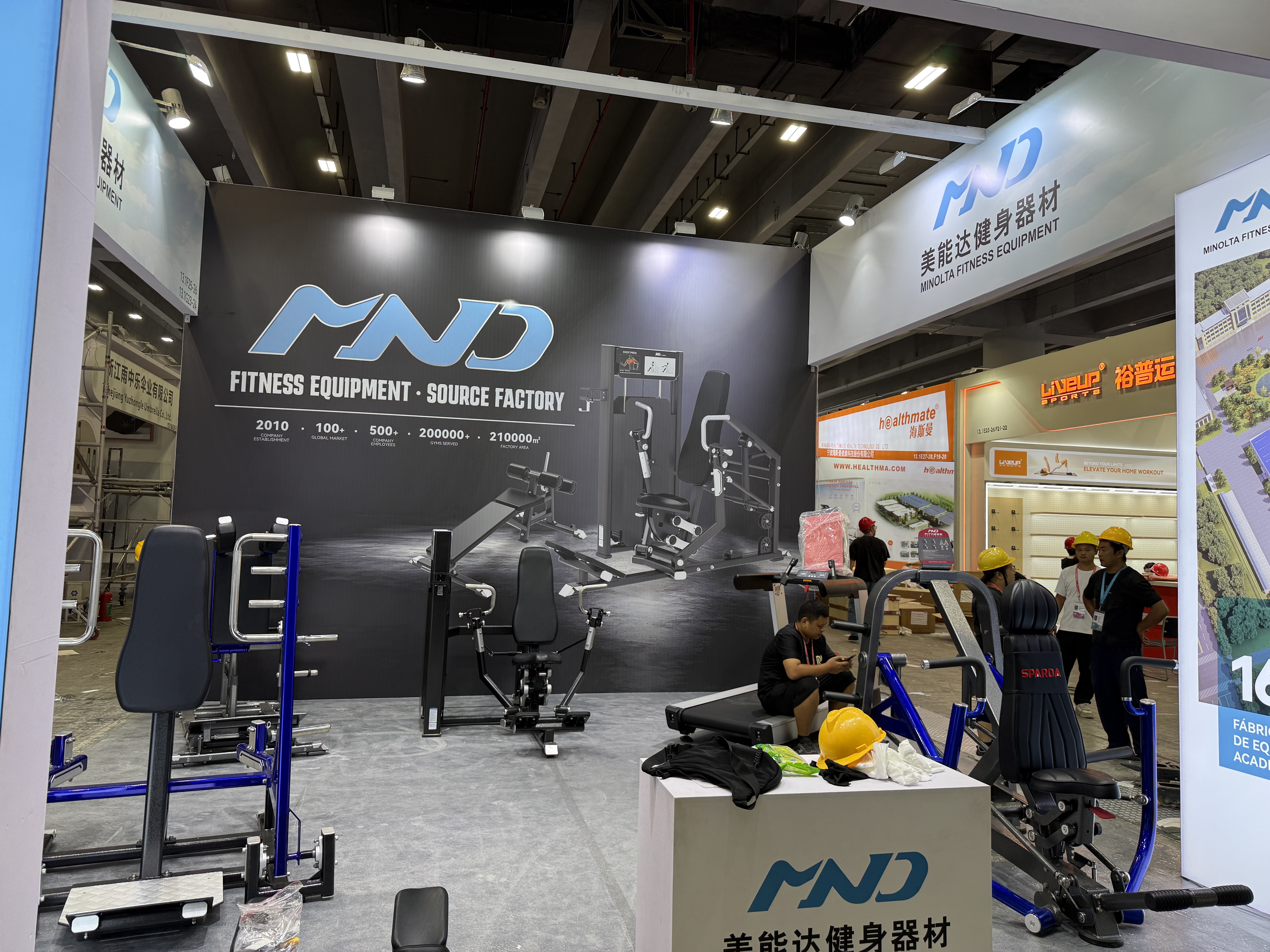
Global fitness equipment sourcing has increasingly concentrated in specialized regional clusters. In China, Ningjin County in Shandong Province has established itself as a dedicated hub for heavy commercial strength fabrication. Sourcing directly from an established enterprise like Shandong Minolta Fitness Equipment Co., Ltd. (MND FITNESS) gives commercial buyers access to extensive manufacturing depth.
Operating a facility footprint spanning 120,000 square meters—comprising dedicated fabrication workshops, finishing lines, and in-house testing labs—MND FITNESS manufactures more than 300 types of commercial cardio and strength units. Their strength production covers extensive series lines, including the MND-AN, MND-FM, MND-FH, MND-FS, MND-FB, MND-F, MND-FF, MND-G, and MND-H series. With distribution networks reaching over 100 countries across Europe, the Middle East, Southeast Asia, and the Americas, manufacturing scale in this region allows for automated laser tube cutting, robotic welding jigs, and multi-stage electrostatic powder coating that smaller assemble-to-order outfits cannot match.
For institutional buyers, touring a supplier's quality control lab or reviewing their raw tubing inventory reveals far more than glossy product renders. You want to confirm that guide rods are solid stainless steel or hard-chrome plated carbon steel, ground to tight concentricity tolerances so selector plates slide smoothly without sticking midway through the stroke.
Common Pitfalls During Procurement
- Neglecting Seat Adjuster Tolerances: The gas-assisted seat column must hold solid lock-up under a 120 kg user pressing back firmly against the pad during rear delt work. If the pin detents exhibit play, the user shifts during the movement, compromising form and wearing the adjustment rail prematurely.
- Under-specifying Stack Weight: A standard 80 kg stack may suffice for rear delt isolation, but stronger users will quickly bottom out the stack during chest fly movements. Ensure the machine offers an optional 100 kg to 120 kg stack with magnetic selector pins that lock securely into plate cavities.
- Overlooking Range-of-Motion (ROM) Adjusters: The overhead cam selector must offer fine adjustment increments. Users with shoulder impingements need shallow starting points for chest flies, while rear delt setups require the arms to lock inward at narrow starting angles. If the selector detent disc has only three or four widely spaced holes, usability drops sharply.
- Disregarding Upholstery Substrates: High-density molded PU foam mounted on plywood or composite backing resists sweat penetration and mechanical breakdown far better than cut sponge stapled to low-grade particle board.
Operational Best Practices for Facility Managers
Once deployed, a dual-function station requires routine preventive checks. Guide rods should be cleaned weekly with a dry lint-free cloth and lubricated lightly with pure silicone spray or dry PTFE spray; petroleum-based lubricants must be avoided as they attract dust and form an abrasive paste in the selector plate bushings.
Cable tension should be checked monthly. Over extended usage, new steel cables undergo minor initial elongation. If the top weight plate does not rest fully on the cushion stops when the selector pin is inserted, the cable must be adjusted at the terminal fitting. Leaving slack in the line shocks the cable when a user initiates a repetition, dramatically reducing fatigue life.
Frequently Asked Questions
Can one machine adequately service both tall and short lifters?
Yes, provided the machine incorporates a multi-position gas-spring assisted seat and independently articulating handles. Fixed-handle machines without secondary rotational axes will inevitably force users outside the 5th to 95th height percentiles into poor joint alignment.
How does a dual-function cam profile work for two different movements?
Engineered dual machines use specialized cam geometries or dual-pivot track systems where the leverage curve provides peak resistance midway through the chest fly arc (matching muscular leverage) while offering smooth, progressive loading during the initial phase of rear deltoid horizontal abduction.
What should we verify before placing a volume container order?
Confirm the tubing specification (wall thickness and cross-section), guide rod plating thickness, pulley material, stack increments, and whether structural frames arrive fully welded or knock-down (KD). Knock-down frames save shipping cube volume but require meticulous assembly verification on-site to ensure structural squareness.
Next Steps in Equipment Evaluation
If you are planning a commercial gym buildout or updating an aging strength floor, do not evaluate selectorized lines solely on catalog photos. Request structural tube cross-section drawings, inspect cam engagement videos under full load, and verify that the manufacturer maintains dedicated component manufacturing rather than piecemeal assembly. Contact our engineering and commercial sales desk to review detailed CAD layout integration, custom frame powder-coat options, and volume supply logistics tailored to your facility roadmap.