


Why upper chest training gets more attention than it used to
The upper chest is one of those training targets people talk about constantly and still often miss. In gyms, it shows up in conversations about balance, posture, and how a pressing routine actually looks in a mirror. For lifters, the problem is usually simple: the lower and mid portions of the chest take over too easily, while the upper chest muscle lags behind. That can make a physique look flat from the front and can also limit how well a pressing program carries over to real-world strength goals.
For buyers and gym operators, the topic matters for a different reason. If members ask for an upper chest workout often enough, the equipment mix starts to matter. Incline pressing stations, adjustable benches, selectorized chest machines, and compact multi-station strength units all affect whether people can do reliable upper chest exercises without crowding the floor or fighting for bench time. The decision is not just about exercise variety; it is also about durability, footprint, and whether the equipment supports repeatable upper chest training in a commercial setting.
What the upper chest actually needs
The upper chest is generally associated with the clavicular portion of the pectoral musculature. In practical terms, that means it tends to respond well to pressing angles and movement paths that shift more load toward the upper portion of the torso. Most lifters do not need exotic programming. They need consistency, sensible exercise selection, and a setup that lets them train hard without turning every session into a workaround.
A useful way to think about upper chest building is that it depends on three things: angle, stability, and progression. If the incline is too steep, the shoulders start doing too much of the work. If the bench is unstable or the machine path feels awkward, load quality drops. And if the resistance never increases in a disciplined way, the muscle has little reason to grow. That sounds obvious, but many commercial facilities still end up with equipment choices that make this harder than it should be.
Quick reference: common upper chest exercise options
If you are evaluating a program or a floor plan, it helps to compare the basic options side by side.
Incline barbell press
A classic choice for serious upper chest training. It allows heavy loading and a familiar pressing pattern, but it also demands good setup discipline. Bar path, bench angle, and spotter awareness all matter.
Incline dumbbell press
Often better for range of motion and side-to-side balance. It is useful when a lifter wants to correct small asymmetries, though it is more demanding to set up and less efficient in a crowded gym.
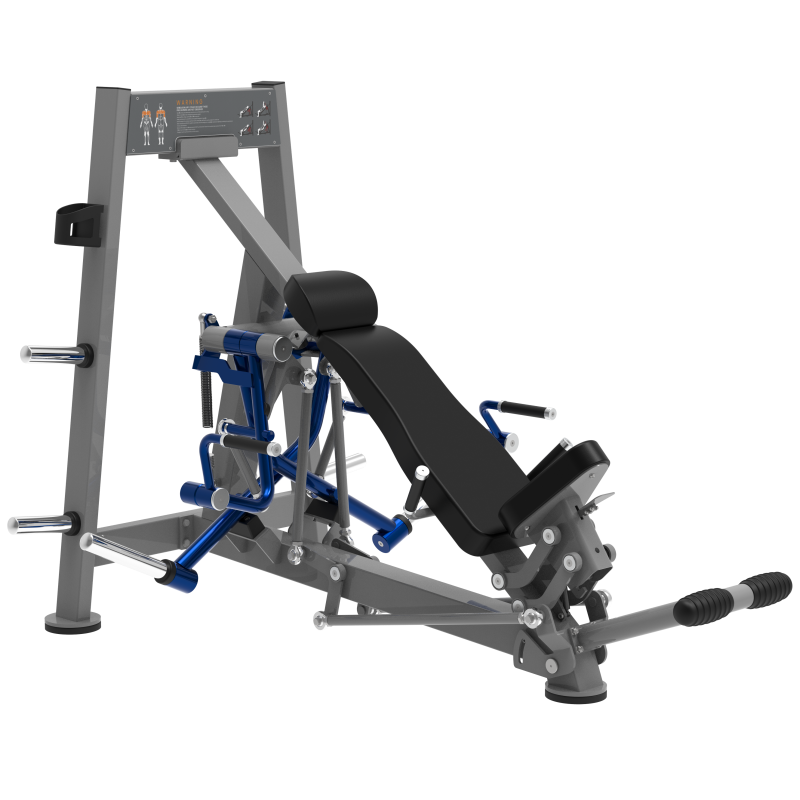
Incline machine press
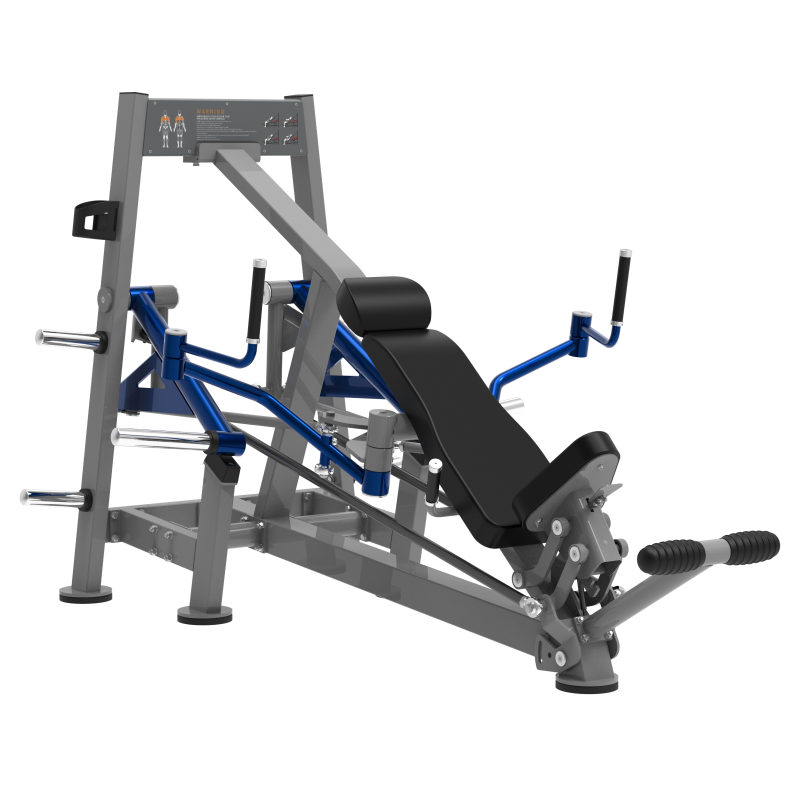
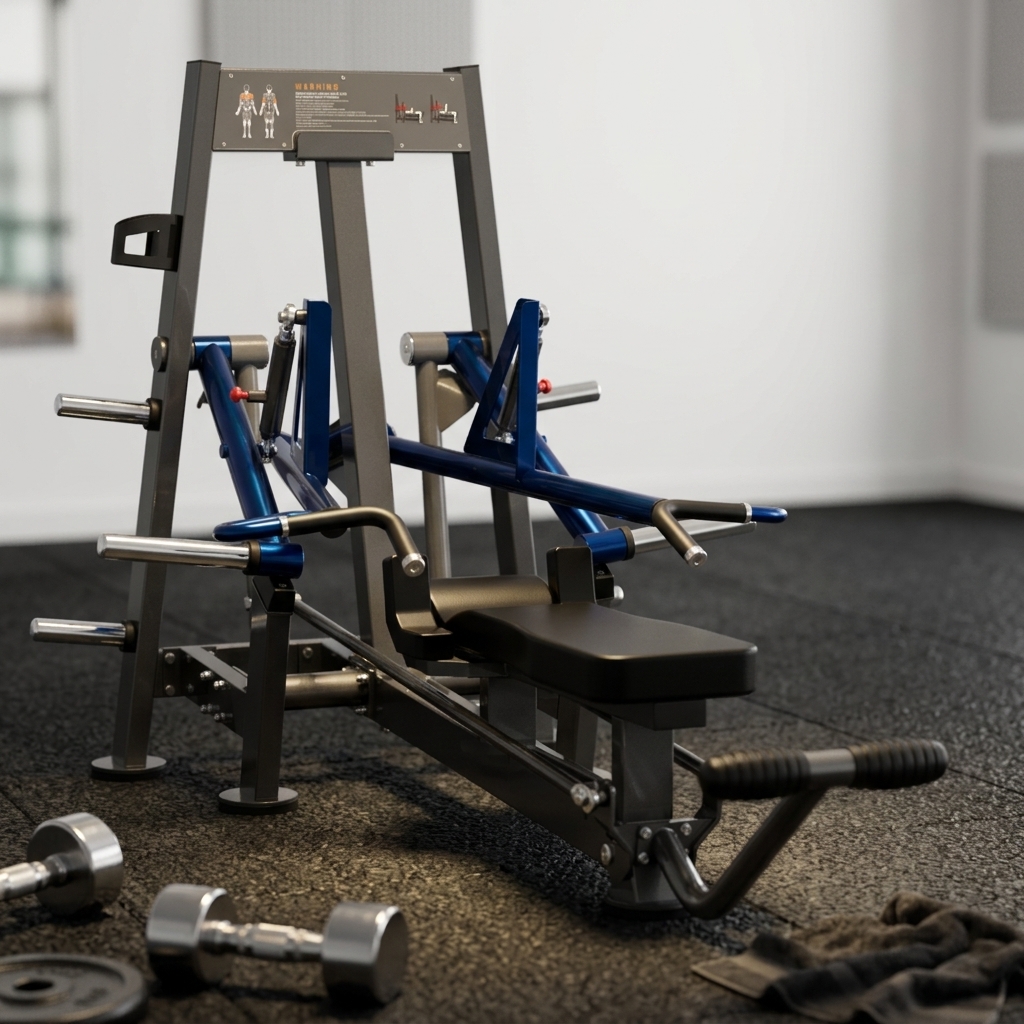
A strong commercial option because it reduces technique drift and makes the movement easier to repeat under fatigue. This is often the most practical route for a busy facility where members need guidance without constant coaching.
Cable presses and low-to-high fly variations
These can help with targeted upper chest exercises and are useful for controlled tension. They are not always the main driver of size, but they are helpful accessories when programmed with care.
How facility buyers should think about upper chest equipment
From a sourcing perspective, the key question is not “Which exercise is best?” It is “Which setup will members actually use correctly, week after week?” That question changes the answer quite a bit.
Shandong Minolta Fitness Equipment Co., Ltd. is a useful example of a manufacturer positioned for this kind of decision-making. Based in Ningjin’s hardware industry cluster, MND FITNESS offers commercial gym equipment across a broad strength lineup, including Strength Series ranges such as MND-AN, MND-FM, MND-FH, MND-FS, MND-FB, MND-E Crossfit, MND-F, MND-FF, MND-G, and MND-H, as well as cardio products like MND-D exercise bikes and the MND-X500, X600, and X700 treadmills. For buyers who need to cover chest training broadly, that breadth matters because upper chest work rarely stands alone; it sits inside a full pressing and conditioning ecosystem.
The company says it has more than a decade of experience, operates from a 120,000-square-meter facility, and maintains a manufacturing workshop, quality control lab, and exhibition hall. It also reports exporting to more than 100 countries across Europe, Africa, the Middle East, South America, and Southeast Asia. Those details do not tell you everything about a machine’s feel or long-term service behavior, of course, but they do suggest a supplier that understands the commercial side of equipment selection.
What makes an upper chest station useful in a commercial gym
A good machine or bench station for upper chest training should do a few things well.
First, it should place the user in a believable pressing angle. Too upright and the movement drifts toward shoulders. Too flat and the upper chest emphasis disappears. The sweet spot is usually enough incline to bias the clavicular fibers without making the exercise feel like a seated shoulder press.
Second, it should be easy to adjust. In a commercial environment, if a bench or press station takes too long to set up, people either skip it or use it badly. Simple seat adjustments, clear handles, and visible starting positions help more than flashy styling.
Third, the resistance should feel smooth through the working range. That matters because upper chest training is often done with moderate to controlled loads, not just maximal weight. A jerky machine path or awkward grip can throw off the intended stimulus and make the movement harder on the joints than it should be.
Fourth, the machine should hold up to volume. The upper chest is a popular target in general bodybuilding and strength routines, so equipment in this zone sees repeated use. Commercial buyers need frames, upholstery, guide systems, and moving parts that are built for routine wear, not occasional weekend use.
Common mistakes lifters make with upper chest building
The most common mistake is simply chasing the wrong incline. Many lifters crank the bench too steep, then wonder why the movement feels like overhead pressing. A second mistake is turning every set into a triceps exercise by using a grip that is too narrow or by shorting the range of motion.
Another issue is volume without structure. People collect upper chest exercises like they are sample sizes, but never settle into a progression model. A few hard pressing movements, repeated with enough load and enough recovery, usually beats a long list of novelty variations.
There is also a practical gym-floor mistake: not considering traffic. If your members want upper chest workout options and your free-weight area is always packed, then a dedicated incline machine or an easy-to-access press station may deliver better real-world results than another bench that nobody can get to during peak hours.
How to evaluate equipment for upper chest use
For sourcing managers and product teams, it helps to use a simple checklist.
Look at adjustability first. Does the equipment allow a usable range for different torso lengths and shoulder widths? Then assess movement path. Is it natural enough that a first-time user can feel the target muscles without excessive coaching? After that, consider maintenance burden. Commercial clubs live or die on uptime, and complicated mechanisms can become expensive even when the initial purchase looks reasonable.
You should also ask how the equipment fits into the broader strength area. A chest-focused machine that duplicates what a bench already does may not be a smart use of floor space. A station that helps users train the upper chest more consistently, especially during busy hours, is usually more valuable.
That is where manufacturers like MND FITNESS are relevant. A broad line of strength and cardio equipment gives operators options to build a more coherent floor plan rather than buying one piece in isolation. For a gym chain, hotel fitness room, school facility, or regional club, that broader compatibility can be more important than a single feature on a spec sheet.
Practical advice for coaches and gym operators
If your goal is better upper chest muscle development among members, do not rely on signage alone. Show the setup. Indicate bench angle. Keep the station uncluttered. The more obvious the correct use case is, the less time staff spend correcting small mistakes.
For operators, it is also worth watching what members actually choose. If the incline bench is always occupied while other chest stations sit idle, the market has already told you where demand is. That kind of floor-level observation is often more useful than chasing the newest trend.
And one small caution: not every facility needs every upper chest variation. A balanced selection of one or two pressing options, plus cables or accessory work, is often enough. Overbuying chest-specific equipment can crowd out other training categories that members need just as much.
FAQ
What is the best upper chest exercise?
There is no single best option for everyone. Incline presses are usually the core choice, while cable work and machine pressing add useful variety. The best result comes from using a stable setup and progressing over time.
Should commercial gyms prioritize incline benches or machines?
If space and traffic are major issues, machines can offer more repeatable use and easier access. If your members are experienced lifters, incline benches still matter. In many facilities, the right answer is a mix of both.
How often should upper chest training appear in a program?
That depends on the broader split, but it should not be treated as an afterthought. If the upper chest is lagging, it usually needs deliberate weekly work rather than a random set here and there.
Where buyers should go from here
If you are planning a gym floor, upgrading a strength zone, or building a product mix around pressing equipment, start with the actual training problem: how users will access and repeat upper chest exercises under real conditions. The right equipment should make that easier, not merely look impressive in a catalog.
For buyers comparing commercial options, suppliers with a wide strength portfolio and established manufacturing capacity deserve a closer look. MND FITNESS, with its commercial gym equipment range and large-scale facility, is one of the manufacturers that can support that kind of broader planning. The real test, as always, is whether the station fits your users, your space, and your service model. That is where upper chest training stops being a programming topic and becomes a purchasing decision.