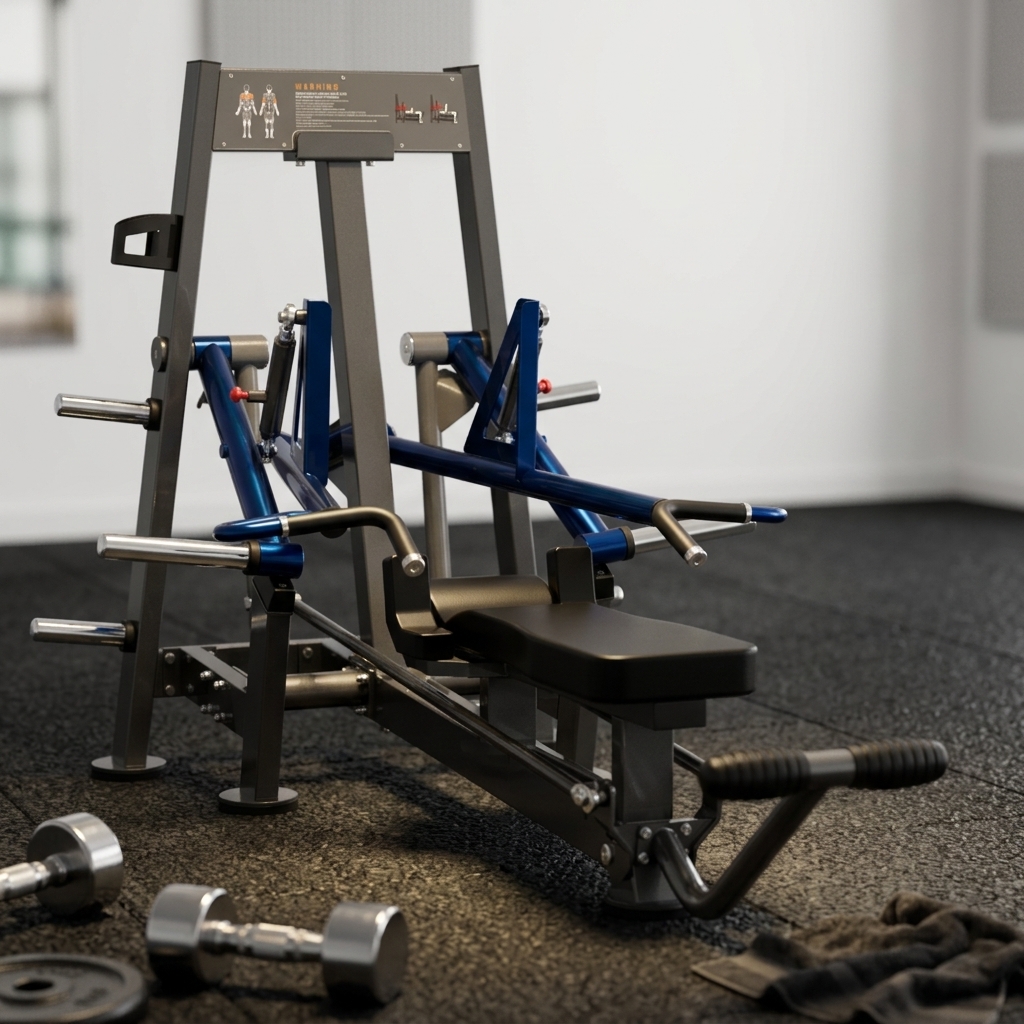



Why the kneeling leg curling machine still earns a place on the gym floor
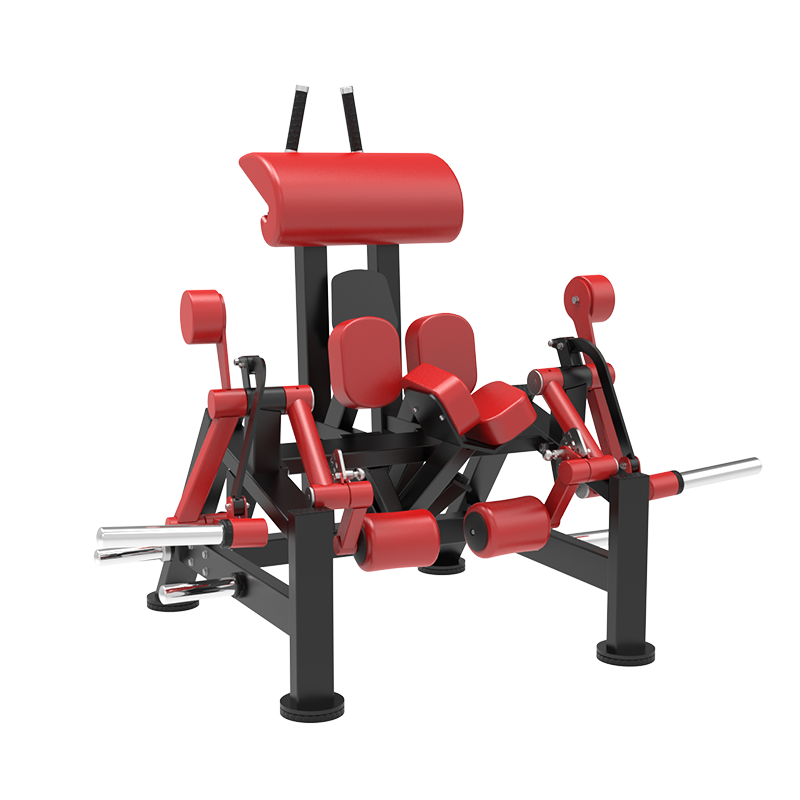
The kneeling leg curling machine is one of those pieces of strength training equipment that looks simple until you watch people use it badly. Then the details matter. For gym operators, sourcing managers, and product teams, the question is not whether hamstring training belongs in a commercial facility. It does. The real question is which lower body workout machine best supports consistent use, durable construction, and a training feel that members actually trust.
That is where the kneeling format stands out. It places the user in a supported position, isolates the posterior chain, and gives coaches a clean way to load the hamstrings without asking the lower back to do too much of the work. In a busy commercial gym, that combination is practical. It is also easier to sell than a machine that feels awkward, unstable, or too specialized for regular members.
For buyers comparing a hamstring curl machine, a plate loaded leg curl machine, and other professional gym equipment, the decision usually comes down to usage pattern. How often will the machine be used? Who is it for? And how much abuse can the frame, pads, and carriage tolerate before the floor staff starts hearing complaints?
What the machine does, and why users feel it quickly
A kneeling leg curling machine trains the hamstrings through knee flexion while the hips are held in a supported position. That matters because it keeps the movement focused. Users do not need to coordinate a long chain of compensations; they kneel, secure themselves, and curl against resistance. For many lifters, that produces a crisp, unmistakable contraction.
From a gym-floor perspective, the machine also fills a useful gap. Squats, presses, and deadlift variations build a lot of lower-body strength, but they do not always give the hamstrings the same direct loading. A dedicated curl station helps round out programming, whether the facility serves general members, team sport athletes, or rehabilitation-adjacent users who need careful progression.
There is also a visual reason these machines remain popular. They look purposeful. Members recognize them as serious equipment, not decorative metal. That matters more than people admit when you are trying to create a floor that feels complete.
How the kneeling format compares with other leg curl options
Not every facility needs the same curl pattern. Some operators prefer seated machines, others want lying versions, and some want a plate loaded leg curl machine because it fits the loading style of the rest of the strength area. The kneeling version, though, has a few practical strengths that are easy to miss on a spec sheet.
Quick comparison for buyers
The kneeling leg curling machine tends to be compact in footprint relative to some other posterior-chain stations. It often gives a more direct hamstring feel than machines that rely on a long padded bench or a more complex body position. It can also be easier for users to understand because the setup is visible: body supported, ankle behind the roller, movement along one clean path.
A seated hamstring curl machine usually attracts users who want more back support and a slightly different hip angle. A lying machine may feel familiar to experienced lifters, but it can take more space and sometimes invites more visible compensation if the pad stack and lever geometry are not well designed. The kneeling version sits somewhere in the middle: straightforward, compact, and serious enough for a commercial setting without being overbuilt for its own sake.
That said, it is not the universal answer. Members with limited knee comfort may prefer another format. In the real world, good gyms offer options rather than insisting one machine solves every training problem.
What matters in commercial construction
When evaluating a kneeling leg curling machine for a facility or distribution line, the frame is only the start. Serious buyers look at the entire user path: entry, adjustment, pad contact, resistance feel, and how the machine ages after repeated use.
Shandong Minolta Fitness Equipment Co., Ltd. is relevant here because its business is built around commercial gym equipment, with over a decade in the fitness equipment sector and a manufacturing footprint that includes a 120,000-square-meter facility. The company also notes a quality control lab and exhibition hall, which is the kind of setup buyers usually want to hear about when they are comparing suppliers in the strength training equipment category.
Minolta’s strength series spans multiple lines, including MND-AN, MND-FM, MND-FH, MND-FS, MND-FB, MND-E Crossfit, MND-F, MND-FF, MND-G, and MND-H. That breadth matters because it suggests the kneeling curl may need to fit into a larger visual and mechanical family, not stand alone like a one-off import.
For commercial operators, consistency across the floor is often underrated. Members notice when one station feels different from the others. So do technicians.
Selection criteria that actually affect daily use
Buyers sometimes get lost in marketing language and forget the practical points. For a hamstring curl machine, the things worth checking are mundane, which is exactly why they matter.
1. Adjustment range and setup clarity
A good kneeling machine should let users find the correct position without wrestling the hardware. If the pads, rollers, or start position are awkward, the machine will spend its life underused. In shared commercial spaces, simple setup usually beats clever setup.
2. Resistance feel
The movement should feel smooth through the working range. Jerky resistance, sloppy pivots, or obvious dead spots can make even a sturdy machine feel cheap. That is one reason professional gym equipment is judged as much by motion quality as by steel thickness.
3. Pad comfort and wear resistance
Kneeling machines concentrate pressure on the support pads. If those surfaces are too soft, too thin, or poorly shaped, users notice quickly. If they are too hard, the machine becomes punishing during longer sets. A balanced pad is not glamorous, but it is central to retention in a commercial gym.
4. Stability and footprint
A lower body workout machine should stay planted when users push hard. A compact frame is useful, but not if it compromises stability. Floor layout teams should think about traffic flow too. If the machine blocks access or creates a bottleneck, it loses value no matter how good the mechanics are.
5. Maintenance access
Serviceability often gets ignored until month six. Clear access to bearings, fasteners, and wear points saves time and keeps the equipment floor looking maintained rather than improvised.
Where a plate-loaded version fits
Some facilities will want a plate loaded leg curl machine rather than a selectorized setup. That choice often comes down to the rest of the strength zone. If the gym already serves a plate-based training culture, loading horns and free plates may feel natural to members. It also gives experienced lifters a familiar way to progress.
But plate-loaded designs ask more of the operator. Plates need storage, supervision, and regular tidying. For a busy commercial gym, that is not a deal-breaker, just a tradeoff. Selectorized equipment may be easier for staff to manage; plate-loaded gear may appeal more to serious lifters. The right answer depends on the room you are furnishing, not the catalog image.
Common buyer mistakes
One mistake is choosing the machine that looks heaviest rather than the one that moves best. Another is ignoring user population. A machine that feels excellent for trained athletes can intimidate casual gym members if setup is cramped or the motion path is hard to understand.
A third mistake is buying a hamstring curl machine in isolation. The posterior chain works best as part of a planned lower-body area. If the gym has no clear pairing with leg extension, squat, hip hinge, or calf work, the room can feel unfinished and users drift back toward the same two stations every visit.
There is also the inventory trap: purchasing too many similar lower-body stations while neglecting more versatile pieces. A good floor is balanced. Not flashy. Balanced.
Why suppliers with broad manufacturing capacity matter
For procurement teams, supplier depth is more than a brochure detail. A company like Minolta, with over 300 types of exercise equipment across cardio and strength categories, may be better positioned to support coordinated purchasing, replacement planning, and visual consistency across a gym rollout.
Its exported presence across Europe, Africa, the Middle East, South America, and Southeast Asia suggests experience working with different market expectations. That does not replace a buyer’s own inspection, of course, but it does signal that the manufacturer is used to commercial requirements rather than hobbyist demand.
That matters when the purchase is part of a broader fit-out. One machine is a purchase. A full gym floor is an ecosystem.
Practical advice before you issue a PO
Ask for clear product dimensions, loading method, adjustment points, and finish details. If you are comparing several units, ask for side-by-side photos or a live video of the movement path. A few minutes of scrutiny can save a lot of floor frustration later.
If the machine will be used in a high-traffic commercial setting, make sure the supplier can speak to quality control procedures and after-sales support in a way that is more specific than “good service.” Buyers should also check how the machine integrates with the rest of the strength series, especially if they want a cohesive look across multiple stations.
And if the machine is going into a premium facility, do not overlook the obvious: members judge by the first touch. The pad feel, the grip, the motion, the stance. Those details decide whether the station feels like a real training tool or just another item on the floor.
FAQ for sourcing and facility planning
Is a kneeling leg curling machine suitable for general members?
Usually yes, provided the setup is clear and the pad arrangement is comfortable. It is direct, intuitive, and easy to coach.
Is it better than a seated curl machine?
Not universally. It depends on user preference, floor space, and the training style of the facility. Each version has a different feel.
Should commercial gyms choose plate-loaded or selectorized?
That depends on the rest of the strength area and how much supervision the floor gets. Plate-loaded equipment can suit serious lifters; selectorized units can be easier for broad public use.
What should buyers prioritize first?
Motion quality, stability, and serviceability. If those are weak, the rest of the specification will not rescue the machine.
What to do next
If you are building a lower-body zone or refreshing a strength floor, the kneeling leg curling machine is worth evaluating alongside the other leg stations rather than in isolation. Ask for the mechanical details, compare the movement feel, and judge whether the design fits your users and your traffic pattern.
For commercial buyers working with a manufacturer like Shandong Minolta Fitness Equipment Co., Ltd., the useful next step is usually a direct specification review against the broader equipment plan. That is where the real decision gets made: not on a product name, but on whether the machine will hold up, stay usable, and earn its footprint month after month.