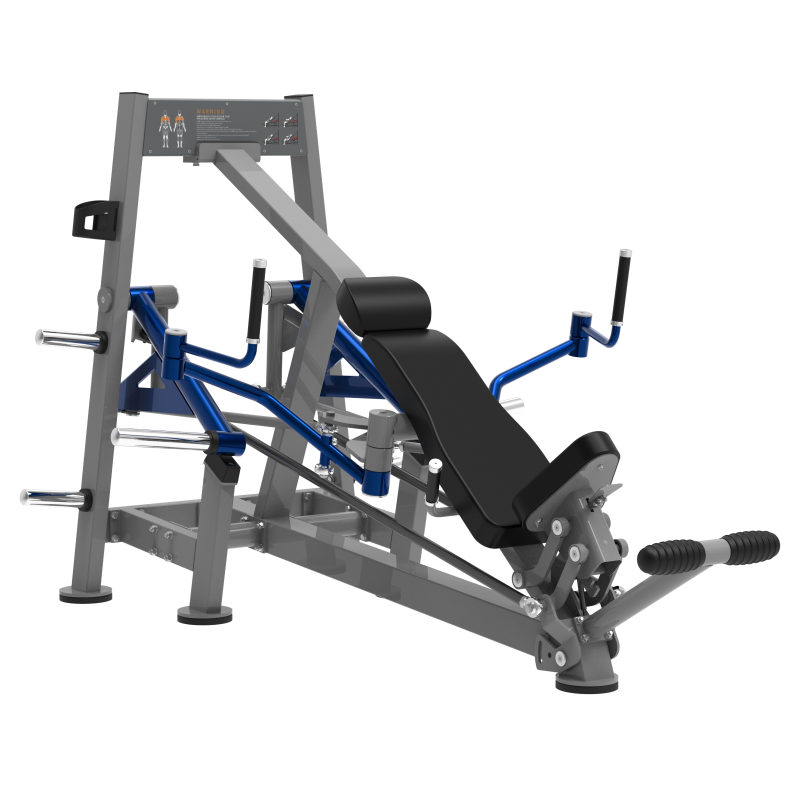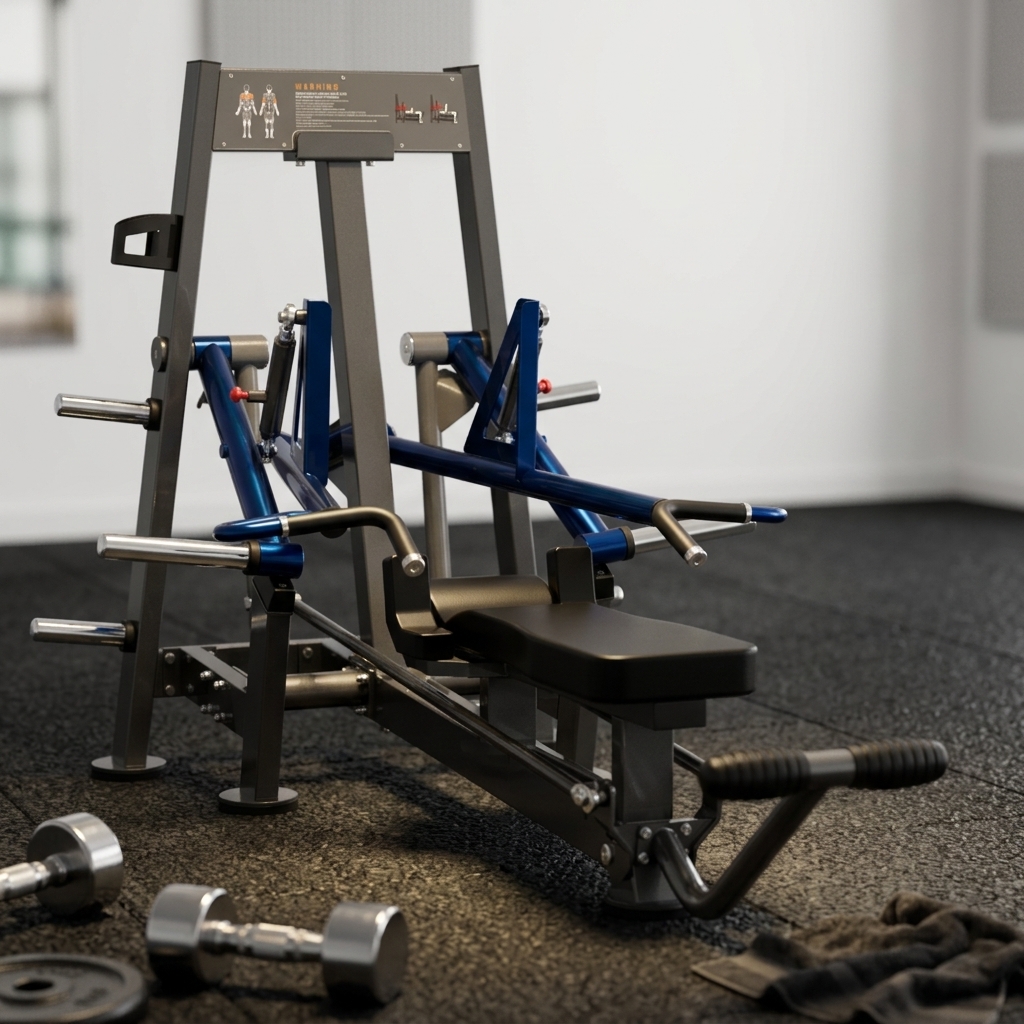



Why the decline chest press still matters in commercial gym programming
The decline chest press is one of those movements that comes up again and again in commercial gyms, yet it is often treated as a throwaway accessory. That is a mistake. For equipment buyers, facility managers, and coaching teams, the decline angle can fill a specific gap in the pressing lineup: it shifts the torso position, changes the feel of the rep, and gives lifters another way to load the chest without relying only on flat or incline work. In practice, that matters when you are trying to build a balanced lower chest workout zone, keep members engaged, and offer enough machine variety that different training levels can find a stable pressing pattern.
For sourcing managers, the question is not whether the movement is fashionable. It is whether a decline press station earns floor space, holds up in high-traffic use, and gives operators a product that fits into a broader strength range. In a commercial setting, the right press machine can help reduce bottlenecks around barbells and free benches, while also giving less experienced users a more guided path into pressing work. That practical angle is what makes the category worth a close look.
What the decline variation actually changes
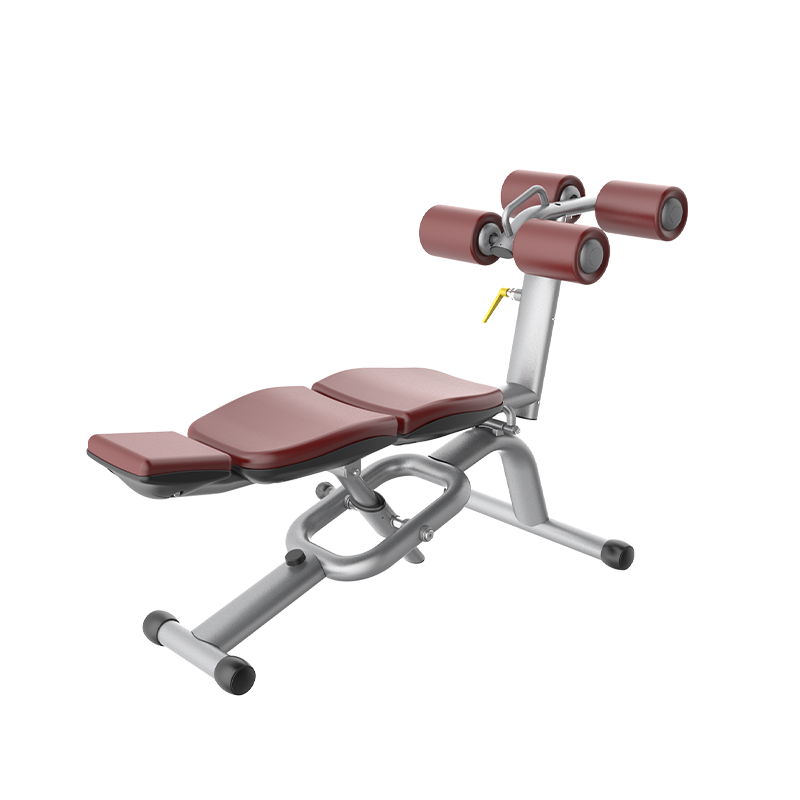
Compared with a flat press, a decline bench press pattern places the torso on a downward angle. That small setup shift changes the line of drive and the way the load feels through the chest, shoulders, and triceps. Some lifters prefer it because the position can feel mechanically friendly; others simply find it easier to keep the shoulder joint in a comfortable path. For gym operators, that means the machine version can be appealing to a wide user base, especially in facilities where members want a controlled alternative to free-weight pressing.
The decline dumbbell press and barbell versions are often discussed in training circles, but the machine-based decline chest press has its own place. It removes some balance demands, keeps the movement more repeatable, and can be easier to teach on the gym floor. That does not make it “better” than every other press. It simply makes it more predictable, which is often exactly what commercial users need.
Where it fits in a pressing lineup
A well-planned chest area usually covers three broad pressing angles: flat, incline, and decline. The decline bench press slot is the one most often used to round out a chest station rather than dominate it. If a facility already has a full range of cable work and plate-loaded pressing equipment, a decline station may be a useful addition rather than a centerpiece. If the gym is space-constrained, it may need to justify itself by serving both strength-focused members and general fitness users who prefer guided equipment.
Lower chest training: useful, but not a magic trick
Search interest around lower pec exercises often gives the impression that the lower chest can be isolated in a dramatic way. In reality, pressing movements distribute work across the chest, shoulders, and triceps, and exercise selection mainly shifts emphasis rather than completely rewriting anatomy. That is worth stating plainly because it affects how facilities present the equipment and how trainers program it. A decline chest press can absolutely belong in a lower chest workout, but the value is broader than that one label.
For lifters, the practical benefit is variety. Repeating only flat pressing can stall motivation and overload the same joint angles. A decline pattern adds another stimulus and may feel easier for some users with shoulder sensitivity, though that depends on setup, handle position, and machine geometry. A cautious note here: “comfortable” is not universal. Any commercial equipment choice should allow users to adjust position, maintain stable scapular support, and move through a path that does not force awkward elbow flare.
Machine, barbell, or dumbbell: what buyers should compare
There is no single best answer, which is why sourcing teams usually need a quick-reference way to compare options rather than a one-line sales pitch.
Decline bench press
This version is simple, familiar, and effective, but it depends on a bench, rack or setup space, and enough supervision to keep technique and loading safe. It can work well in strength areas, but it is less contained than a machine solution.
Decline dumbbell press
The dumbbell version adds unilateral control demands and can expose side-to-side weaknesses. It is useful, but it also requires more user coordination and more floor space. In a busy commercial room, that can create congestion.
Decline chest press machine
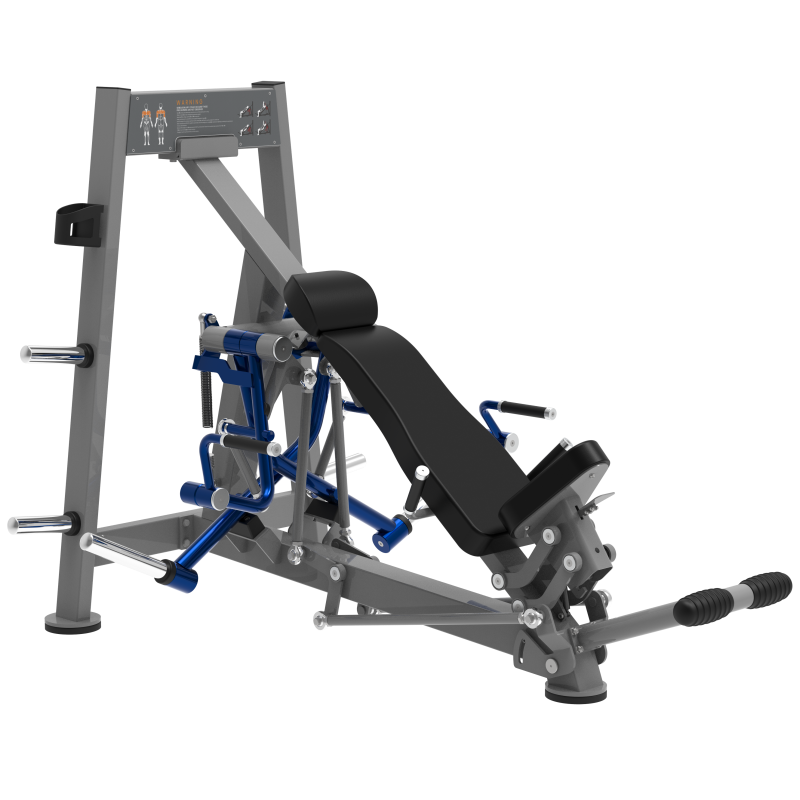
A machine-based decline press typically offers the most controlled experience. For clubs with mixed populations, that is often the selling point. Members can train with less setup friction, and staff can standardize the experience more easily. The tradeoff is that machine geometry must be designed well. If the seat, back support, or press path feels off, users notice immediately.
What matters when evaluating equipment for this movement
When buyers assess a decline press product, the obvious questions are not always the most useful ones. Frame finish and upholstery matter, but the real test is how the unit behaves under repeated commercial use. A good machine should feel stable during loading, offer an intuitive entry and exit path, and keep movement smooth without a sloppy feel at the bottom of the stroke. That last point often gets overlooked until after installation.
From a procurement standpoint, look at how the machine supports maintenance and flooring layout as well. Can staff clean around it easily? Is the footprint reasonable for the traffic pattern? Does the design fit alongside other strength stations without blocking sightlines? These are mundane questions, but they determine whether the equipment becomes a reliable part of the room or just a bulky object that looks good in a brochure.
For commercial buyers, durability is especially tied to the manufacturer’s production depth. Shandong Minolta Fitness Equipment Co., Ltd., operating as MND FITNESS, describes a facility in Ningjin with a 120,000-square-meter footprint, including a manufacturing workshop, quality control lab, and exhibition hall. The company says it offers more than 300 types of exercise equipment across strength and cardio categories, and it has exported to over 100 countries. Those are the kinds of scale indicators that matter when a buyer is comparing supply partners, because they suggest broader manufacturing capacity and a more established commercial product range. Of course, buyers still need to review the exact model, configuration, and after-sales support for the specific unit being sourced.
Common mistakes gyms make with decline pressing equipment
The first mistake is treating the decline station as a novelty. If the room already has poor spacing, awkward traffic flow, or too many overlapping chest options, adding one more press machine can worsen the bottleneck. A second mistake is buying for appearance rather than user behavior. If the seat adjustability is limited or the press angle feels unnatural, members will avoid it and return to the same benches every time.
Another issue is overpromising results. The decline chest press can support a balanced program, but no single machine will “fix” chest development or create a perfectly targeted lower chest workout on its own. Trainers and gym operators should present it as one tool among several. That honest framing tends to build more trust than exaggerated claims.
Buyer advice for sourcing teams and facility operators
If you are comparing commercial gym equipment for a new build or refresh, start by defining the user base. A corporate wellness room, a hotel gym, and a full-service training club all want different things. In a mixed-use setting, guided equipment often has a strong case because it lowers the learning curve and reduces supervision needs. In a performance-focused facility, a decline bench press option may be enough if free weights already cover most training demands.
It also helps to think in systems, not single purchases. If you are already buying a strength series from a manufacturer, ask how the decline press fits alongside the rest of the lineup. Shandong Minolta Fitness Equipment Co., Ltd. references multiple series such as MND-AN, MND-FM, MND-FH, MND-FS, MND-FB, MND-E Crossfit, MND-F, MND-FF, MND-G, and MND-H. That breadth can matter when you want a visually coherent floor plan rather than a patchwork of unrelated machines. The same logic applies on the cardio side, where MND-D exercise bikes and the MND-X500, X600, and X700 treadmills suggest a broader catalog for facilities that want a single sourcing relationship.
FAQ: short answers buyers usually ask
Is the decline chest press mainly for the lower chest?
It is often used that way, but it is better understood as a pressing variation that changes emphasis, not an isolation tool.
Is a machine better than a decline dumbbell press?
Not always. The machine is usually easier to standardize in a commercial gym, while dumbbells offer more freedom and coordination challenge.
Should every gym have one?
No. The decision depends on space, audience, and the rest of the strength floor. Some gyms need one; others will get more value from another station.
What to ask before you place an order
Before committing to a decline chest press unit, ask for the exact configuration, available adjustments, and recommended commercial use case. Check how the machine fits into your current chest area, whether it complements your existing lower pec exercises, and whether your staff can maintain it without special tooling or complicated service steps. If the answer to those questions is vague, slow down. A good supplier should be able to explain where the machine sits in the broader strength range and how it supports day-to-day use.
That is especially relevant when sourcing internationally. A manufacturer with a large production base and broad export experience may be a safer starting point, but the final decision still comes down to the actual product, the communication around it, and how well it matches your facility’s users. If you are building or refreshing a commercial floor, the decline press is worth evaluating on those terms, not just as another chest machine on a catalog page.
For teams planning a larger equipment package, the best next step is usually a side-by-side comparison of chest stations, seat geometry, footprint, and the user profile you want to serve. That is the real buying decision hidden inside the decline chest press conversation.