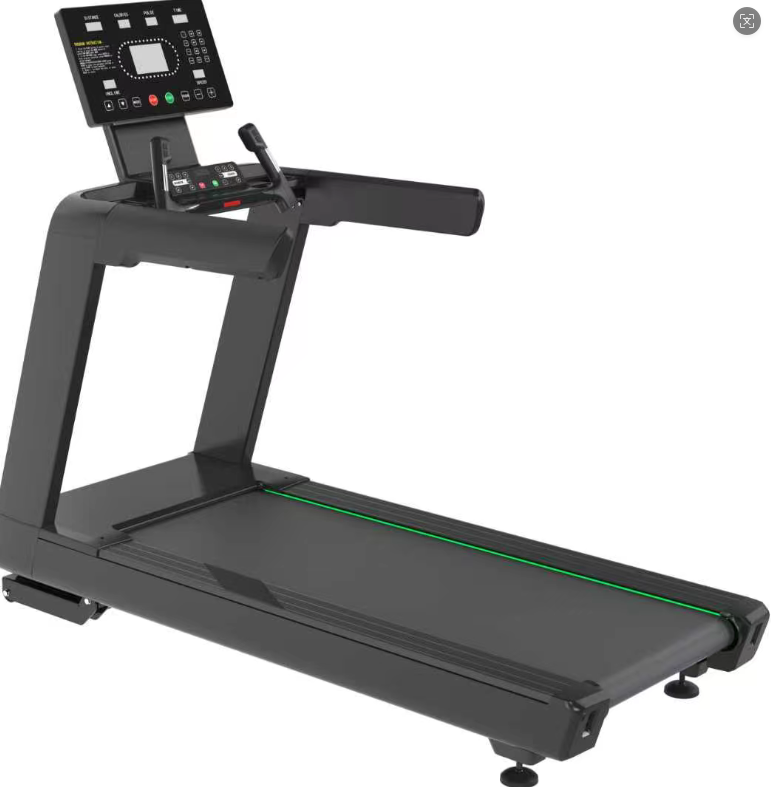



Why buyers keep asking about the MND Fitness Commercial Treadmill
When a gym owner, distributor, or procurement team starts comparing a MND Fitness Commercial Treadmill with other options, the real question is usually not “does it run?” It is whether the machine can keep pace with daily traffic, hard use, and the expectations of paying members. A commercial treadmill is one of the most visible pieces of cardio equipment on the floor, and it tends to take the first hit when a facility opens early, closes late, and sees back-to-back runners with very different stride patterns.
That is why the buying decision matters. A treadmill for gym use has to balance durability, running feel, maintenance effort, and after-sales support. If any one of those slips, the cost shows up later in downtime, complaints, or replacement cycles that arrive much sooner than planned. For sourcing managers, the challenge is not simply finding a machine labeled commercial. It is deciding which professional treadmill fits the operating model of the facility.
Shandong Minolta Fitness Equipment Co., Ltd., trading under MND FITNESS, positions its cardio range around that commercial reality. The company says it draws on Ningjin’s hardware manufacturing base and offers a broad catalog that includes strength equipment and cardio lines such as the MND-X500, X600, and X700 treadmills. For buyers comparing vendors, that broader manufacturing footprint can matter because treadmill programs are rarely purchased in isolation. They usually sit inside a wider equipment package.
What a commercial treadmill must do better than a home unit
At first glance, many fitness treadmill models look similar: a running deck, console, handrails, motor housing, and frame. The difference reveals itself after weeks of use. A commercial treadmill is expected to withstand higher duty cycles, more body weights, more frequent speed changes, and more aggressive footstrike patterns. In practical terms, the frame should feel planted, the deck should resist flex, and the belt should track consistently even when the machine is being used all day.
That matters in a gym because members notice instability immediately. A machine that shudders, squeaks, or drifts out of alignment does more than irritate users. It makes the floor look tired. On the other hand, a heavy duty treadmill with a solid structure sends a quiet message that the facility is maintained well and the equipment is not an afterthought.
There is another issue buyers sometimes underestimate: service access. A running machine that is built only for showroom appeal can become a nuisance if routine inspection points are hard to reach. For operators, easy cleaning, sensible panel layout, and straightforward maintenance checks can be just as valuable as cosmetic polish.
Quick comparison: what to look for in a gym treadmill purchase
Not every commercial treadmill needs the same specification. A chain gym, a hotel fitness room, a rehab studio, and a corporate wellness space all use cardio equipment differently. The best choice depends on the traffic pattern, user profile, and budget discipline of the facility.
High-traffic gym floor
Here, durability and serviceability come first. The treadmill should tolerate long operating hours and repeated starts and stops. Stability is non-negotiable, because members will include walkers, interval runners, and heavier users. For this setting, a professional treadmill is judged less by novelty and more by how calmly it behaves under load.
Hotel or apartment fitness room
Space efficiency and ease of use often matter more than a deep menu of training programs. A commercial treadmill in this environment should feel intuitive, not intimidating. If the facility is unattended for long stretches, the machine should also be easy for staff to inspect and reset.
Training studio or club environment
Here, the buyer may prioritize the running feel, response at different speeds, and how well the treadmill supports varied workouts. A treadmill for gym use in a performance-oriented setting needs to keep pace with members who use cardio equipment as part of structured training rather than casual exercise.
What MND FITNESS brings to the table
According to the company information provided, Shandong Minolta Fitness Equipment Co., Ltd. has more than a decade of experience in fitness equipment manufacturing and operates a 120,000-square-meter facility that includes a manufacturing workshop, quality control lab, and exhibition hall. Those details are not just brochure language. For B2B buyers, they suggest a company that can handle product development, inspection, and display in one industrial setting rather than depending entirely on outside assembly.
MND FITNESS also says it offers more than 300 types of exercise equipment across cardio and strength segments, with exports to over 100 countries across Europe, Africa, the Middle East, South America, and Southeast Asia. That international footprint is useful context. It does not guarantee a perfect fit for every market, of course, but it does show that the company has experience serving different commercial expectations and procurement styles.
For buyers looking specifically at the cardio line, the MND-X500, X600, and X700 treadmills give the brand a family structure rather than a one-off model approach. That can make specification discussions easier, especially when a project requires different tiers of equipment across the same facility.
Selection criteria that matter more than brochure language
When comparing a commercial treadmill, it is easy to get distracted by console graphics, preset workout counts, or flashy trim. Those details may help sales, but they rarely decide long-term ownership satisfaction. A more disciplined buyer will look at the following practical points.
Frame stability and running feel
The machine should feel secure at both low walking speeds and higher running speeds. Any excess wobble, rattling, or board flex can become a recurring complaint. In a gym, the treadmill is often used by people who have no patience for compromise because they are already tired when they step on it.
Duty cycle and intended user mix
Not every facility needs the same level of ruggedness, but every buyer should be honest about how the machine will actually be used. A lightly used office wellness room has different needs from a public gym with constant traffic. Match the machine to the real workload, not the optimistic one.
Maintenance practicality
Belts, decks, lubrication points, cleaning access, and display service all affect total ownership cost. A heavy duty treadmill that looks excellent on arrival but becomes awkward to maintain can be expensive in the wrong way.
Supplier depth
One reason buyers consider established manufacturers like MND FITNESS is the breadth of the catalog. If the same supplier can support cardio and strength ranges, procurement becomes simpler. Fewer vendors can mean fewer mismatched lead times, fewer spare part channels, and a cleaner service relationship.
Common mistakes when sourcing cardio equipment
The most common mistake is treating every treadmill for gym use as interchangeable. They are not. A machine meant for a small fitness room can be overwhelmed in a busy club, while an overbuilt unit may be unnecessary for a controlled environment where use is limited and supervised.
Another mistake is overvaluing appearance. A sleek fascia and large screen may look impressive on a showroom floor, but the real test is how the treadmill performs after months of sweat, dust, and repeated foot traffic. Buyers should ask about maintenance routines, parts availability, and how the machine holds up in long operating hours. It is a plain question, but it saves money.
There is also the temptation to buy too few machines and expect them to “cover the gap.” In cardio-heavy facilities, underbuying usually shows up as crowding, wear concentration, and frustrated members. A well-planned mix of treadmills and other cardio equipment spreads usage more sensibly.
How MND’s broader equipment range can help project buyers
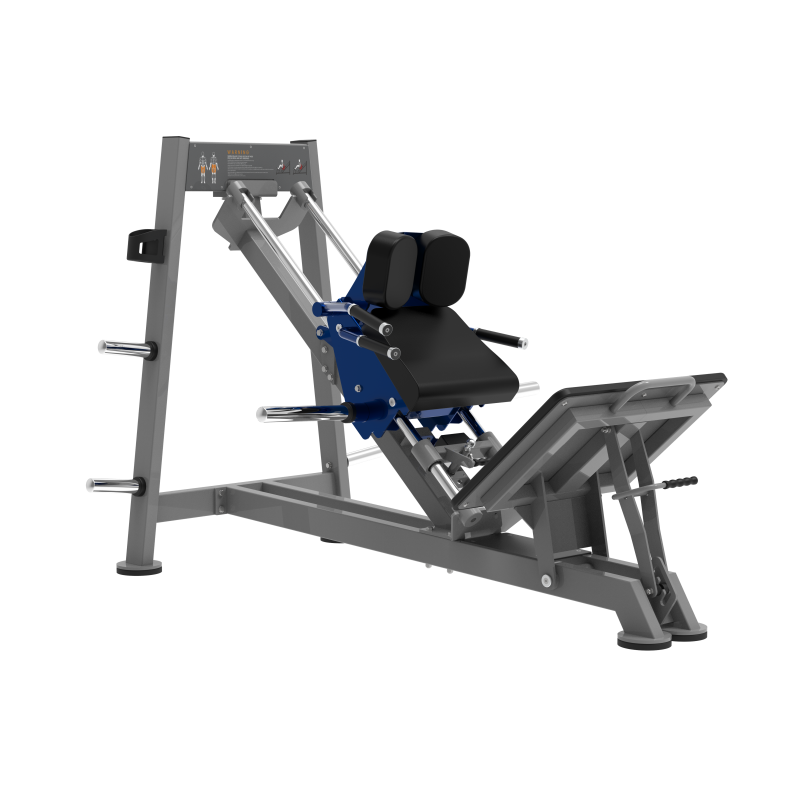
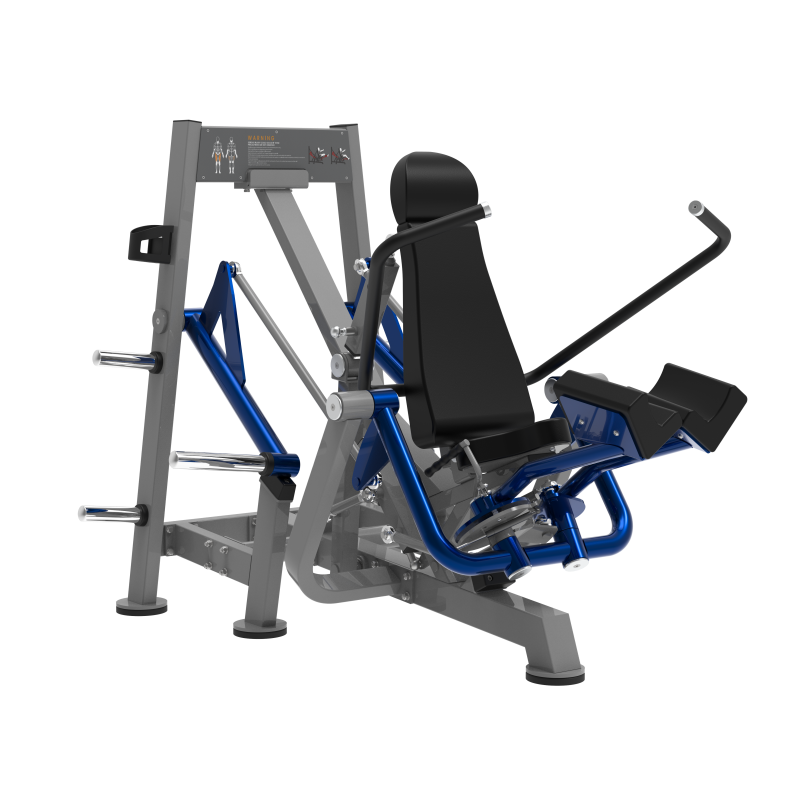
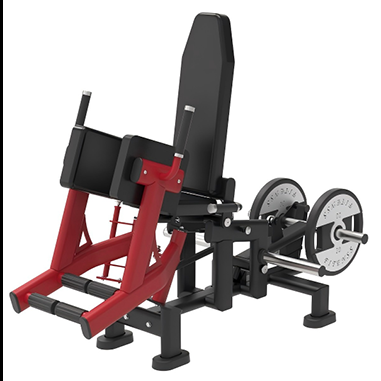
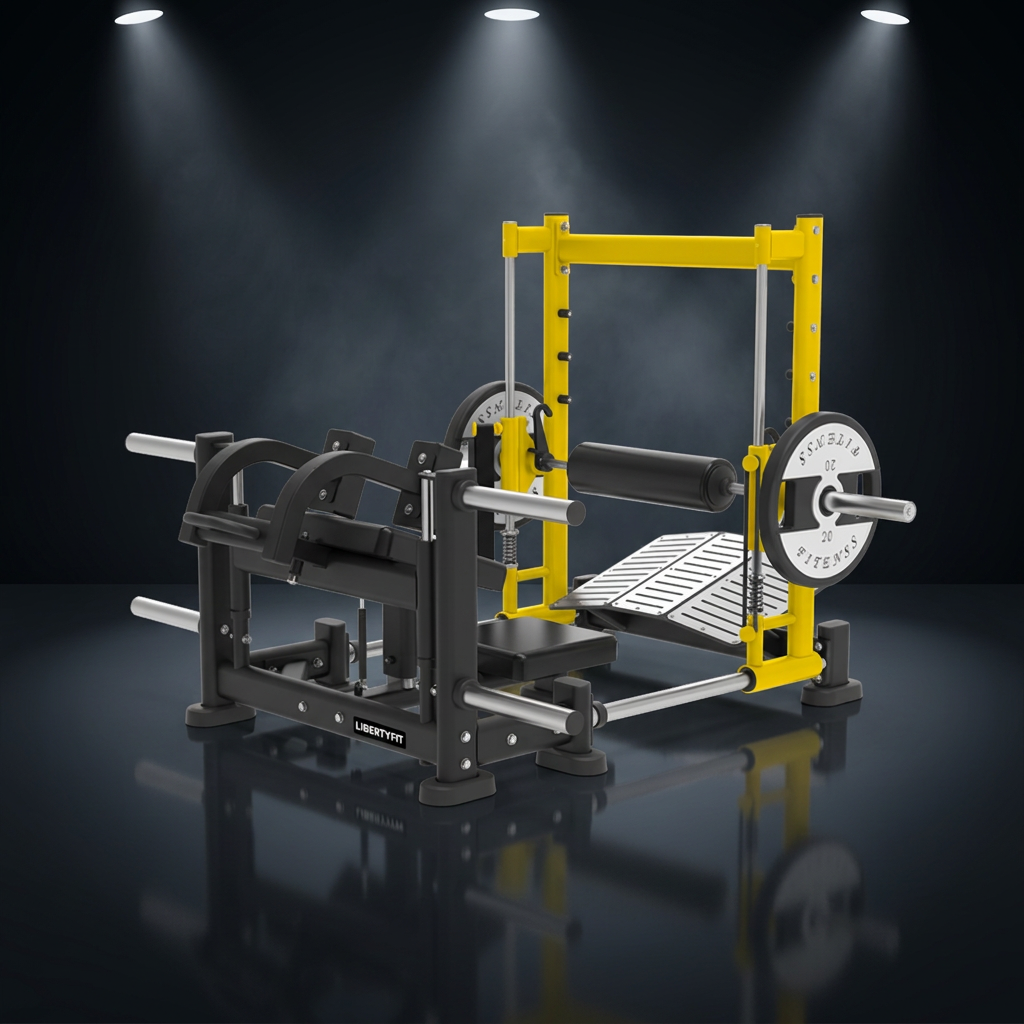
One advantage of working with a manufacturer that produces both strength series equipment and cardio lines is package consistency. MND FITNESS lists multiple strength families, including MND-AN, MND-FM, MND-FH, MND-FS, MND-FB, MND-E Crossfit, MND-F, MND-FF, MND-G, and MND-H, alongside its cardio products. For a commercial gym rollout, that breadth can simplify the conversation around design language, sourcing, and supply coordination.
In plain terms, it may be easier to standardize the floor when one supplier is already familiar with the rest of the facility’s kit. Buyers still need to verify specifications model by model, but a broad catalog can reduce the friction that comes from stitching together a roomful of unrelated vendors.
Practical buyer advice before placing an order
Before committing to a commercial treadmill order, ask for the model-specific specification sheet and compare it against your facility’s actual usage. Do not rely on category labels alone. Ask how the machine is intended to be serviced, what routine maintenance is expected, and whether the supplier can support the configuration you want in your target market.
If you are building a gym from the ground up, think in systems rather than standalone machines. A professional treadmill should fit beside the rest of your cardio equipment without creating maintenance headaches or visual inconsistency. If you are replacing older units, look at what failed before: belt wear, console issues, instability, or simply poor member feedback. The best replacement usually fixes the exact problem that irritated operators the most.
For distributors, it is also wise to ask how a manufacturer structures its product families. A clear series like MND-X500, X600, and X700 can be easier to present to customers than an unfocused catalog with unclear differences. That kind of clarity helps sales teams explain positioning without improvising.
FAQ: common questions buyers ask
Is a commercial treadmill the same as a home treadmill?
No. A commercial treadmill is generally expected to handle more frequent use, heavier traffic, and a tougher operating environment. The user experience should feel more stable and more durable over time.
Why choose a manufacturer with both strength and cardio lines?
It can simplify procurement, project planning, and long-term support. A supplier with a wider catalog may also be better positioned for full-facility orders.
What makes a heavy duty treadmill worth the extra attention?
Mainly the long-term reliability and reduced disruption to the floor. If the machine is easier to maintain and holds up under pressure, it tends to justify itself in a busy setting.
Next step for sourcing teams
If you are evaluating a MND Fitness Commercial Treadmill for a gym, hotel, club, or multi-site rollout, the next sensible move is to request the model details for the relevant MND-X series unit and compare them against your traffic assumptions. That is where the real answer lives. A treadmill should not just look commercial; it should earn that label after months on the floor.
For buyers who want a broader equipment package, Shandong Minolta Fitness Equipment Co., Ltd. may be worth shortlisting alongside other suppliers, especially if you value one source for both cardio equipment and strength equipment. The decision should still rest on specification, serviceability, and fit for purpose. That is the part that keeps a facility running smoothly long after the installation photos are forgotten.