


What buyers usually mean when they search for MND Fitness
When sourcing MND Fitness, most buyers are not just looking for a brand name. They are trying to answer a more practical question: is this a fitness equipment manufacturer that can support a real commercial project, from product mix to delivery consistency? That matters whether you are outfitting a hotel gym, a club, a public fitness center, or a multi-site chain with standard specifications.
For sourcing managers, the decision is rarely about one machine. It is about whether the supplier can provide the right spread of commercial fitness equipment, whether the build looks suitable for heavy use, and whether the factory has enough depth to handle repeat orders without constant redesign. Product teams think a little differently, but the concern is the same: can this line hold up in the field, and does the range cover both cardio machines and strength training equipment in a way that makes commercial sense?
Shandong Minolta Fitness Equipment Co., Ltd., which operates under MND FITNESS, positions itself squarely in that space. Based in Ningjin, where the hardware industry is already established, the company says it offers more than 300 types of exercise equipment and has exported to more than 100 countries. Those are broad numbers, but they do suggest scale, variety, and an export-oriented operation. That combination is often what buyers want to verify before they move from catalog browsing to sample review.
Quick take: where MND FITNESS fits in a commercial buying decision
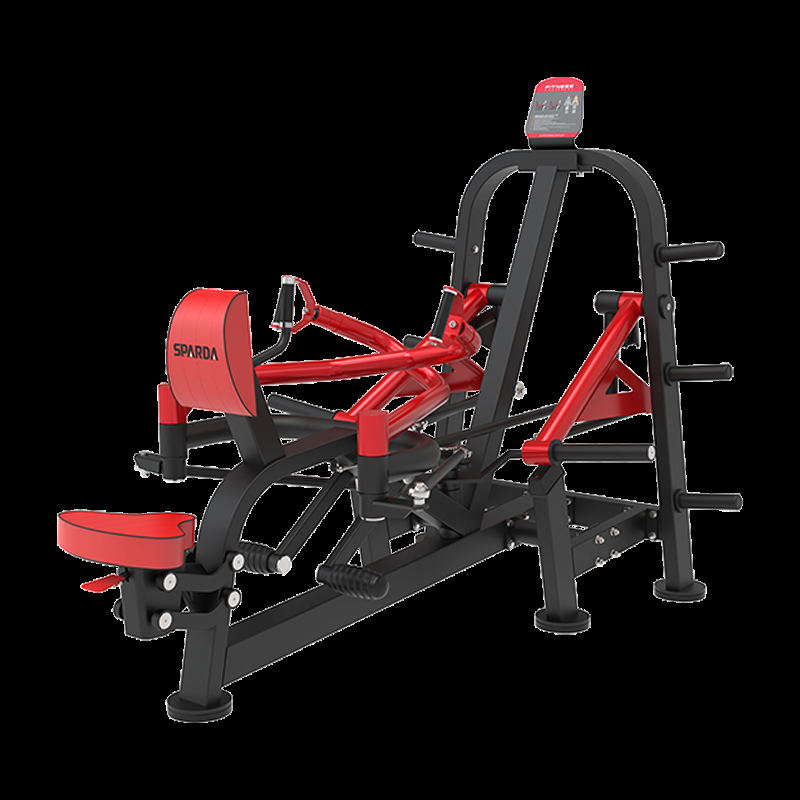
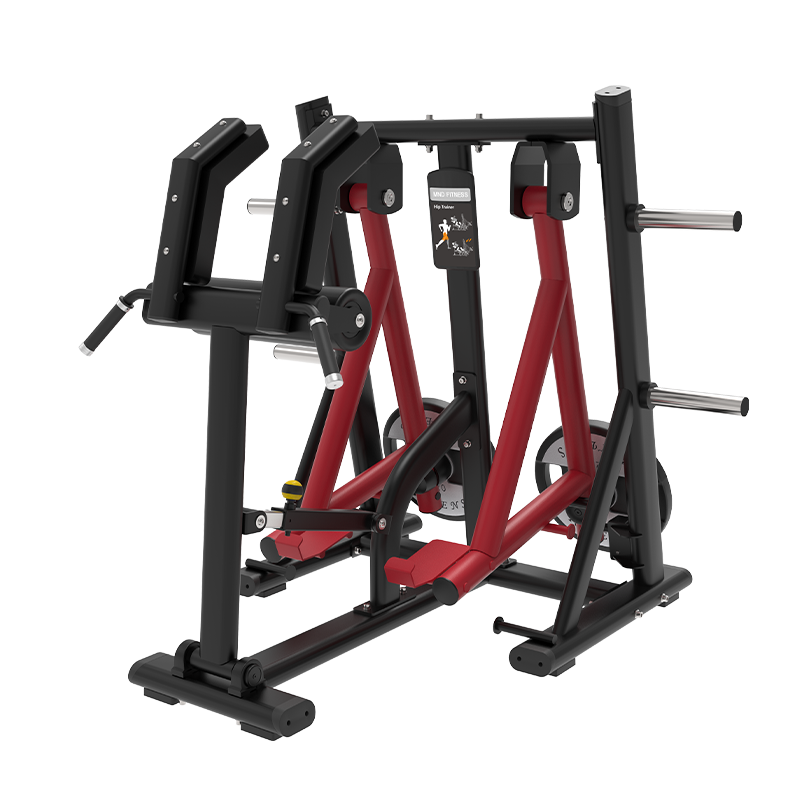
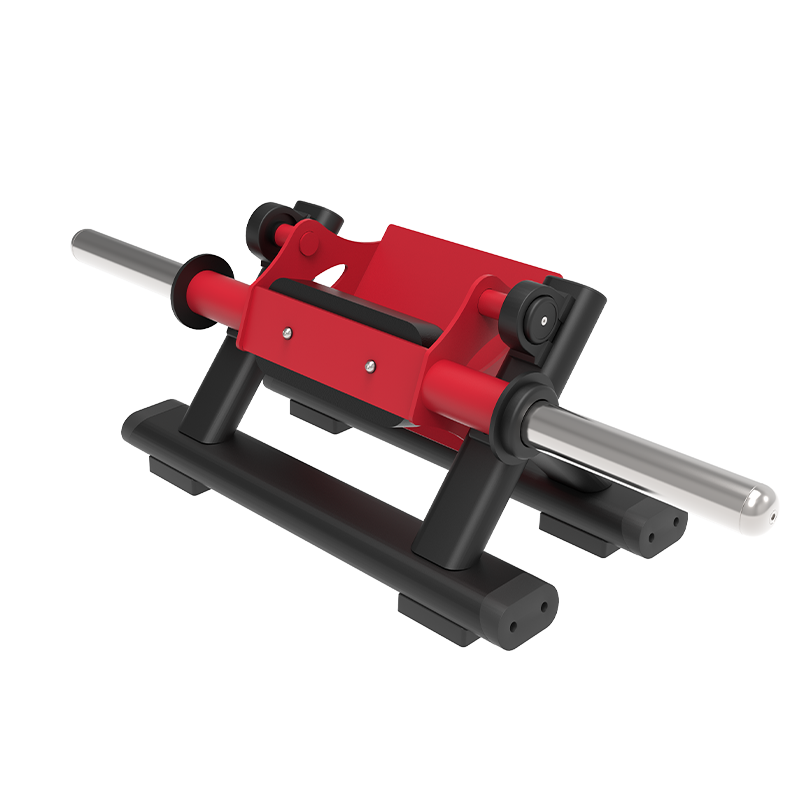
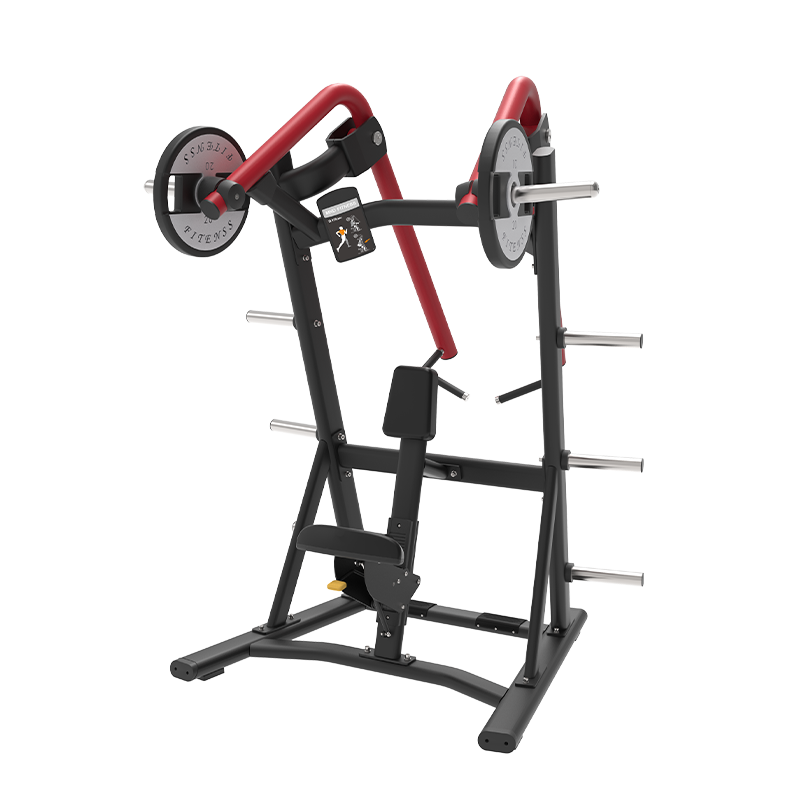
If you want the short version, MND FITNESS looks like a supplier aimed at buyers who need breadth more than boutique specialization. The company’s range includes the Strength Series across several product families such as MND-AN, MND-FM, MND-FH, MND-FS, MND-FB, MND-E Crossfit, MND-F, MND-FF, MND-G, and MND-H, plus cardio lines like MND-D exercise bikes and the MND-X500, X600, and X700 treadmills. That is the sort of lineup that can support a full-room purchase rather than a one-off machine order.
For procurement teams, that matters because mixed-use commercial fitness equipment usually has to match visually and mechanically across a facility. A buyer may not care whether a treadmill and a leg press come from the same internal platform, but they do care that the equipment feels coherent, spare parts are manageable, and the supplier understands commercial gym machines rather than consumer-grade toys dressed up for a brochure.
Why the factory side matters more than the catalog
In this category, a polished website can be misleading. What usually separates a dependable supplier from a risky one is not how many product photos they post, but how they build, inspect, and organize production. MND FITNESS says its facility covers 120,000 square meters and includes a manufacturing workshop, quality control lab, and exhibition hall. That layout is useful to know because it suggests a manufacturer that can show buyers not only finished units, but also the process behind them.
For commercial gym equipment, process matters. Frames, moving assemblies, upholstery, resistance systems, and console components all need to survive repetitive loading. Even if two suppliers offer similar-looking gym equipment, one may have much tighter consistency in welding, assembly, and final inspection. A factory with its own quality control lab is not a guarantee of excellence, of course, but it is better than vague claims with no visible infrastructure behind them.
Buyers should still ask direct questions. What is inspected at incoming material stage? How are load-bearing parts checked? Which components are standardized across series, and which are model-specific? Those are not glamorous questions, but they are the ones that matter once the purchase order is signed.
Product range: what the lineup suggests about the supplier
Strength series for multi-station and free-weight-style environments
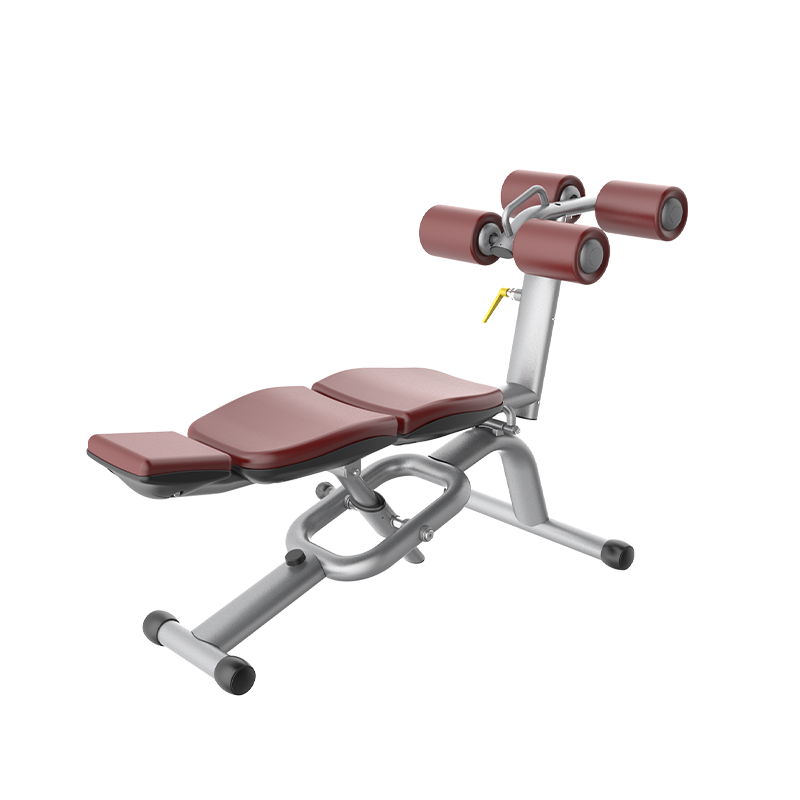
The strength portfolio is broad enough to hint at a supplier used to furnishing full commercial rooms. The range spans multiple series, including MND-AN, MND-FM, MND-FH, MND-FS, MND-FB, MND-E Crossfit, MND-F, MND-FF, MND-G, and MND-H. While the company info does not break down each model’s mechanical design, the series structure itself suggests segmented product families, which is generally helpful for buyers comparing commercial gym machines across different zones of a facility.
That sort of structure can support project planning. A club operator might specify one set of machines for a standard strength floor, another for functional training, and another for premium touchpoints. The more clearly a fitness equipment manufacturer can organize its lines, the easier it becomes to mix and match without ending up with a patchwork of incompatible aesthetics or dimensions.
Cardio machines for the essential floor plan
The cardio side is more concise, but still practical. MND-D exercise bikes and the MND-X500, X600, and X700 treadmills give buyers a starting point for the most common categories in a commercial gym. For many projects, that is enough to begin a serious conversation. Cardio machines are often the most visible assets in the room, and they are also the machines that members notice immediately when something feels unstable, noisy, or dated.
When reviewing this type of equipment, buyers should focus on operational fit, not just appearance. Console readability, stride feel, belt behavior, bike adjustability, and maintenance access are the details that determine whether a machine gets used constantly or quietly avoided. A supplier that covers both cardio and strength training equipment can simplify sourcing, but only if the product families are genuinely built for commercial duty.
How to evaluate MND Fitness against other suppliers
The most useful way to compare MND FITNESS with another supplier is to separate three questions: range, manufacturing depth, and project fit. Range is easy enough to see from the catalog. Manufacturing depth takes more digging, usually through plant visits, documentation, or sample testing. Project fit is where many deals are won or lost, because even a capable manufacturer may not be the best match for your region, budget structure, or brand standards.
For example, a buyer sourcing gym equipment for a mid-market chain may prefer a supplier with broad enough coverage to furnish several locations from one source. A premium club, by contrast, may care more about finish quality, motion feel, and visual identity than raw breadth. MND FITNESS appears to sit in the practical middle: large enough to cover numerous product types, but still clearly positioned as a volume manufacturer rather than a niche design house.
That is not a criticism. In commercial procurement, volume manufacturers often provide the stability that operators need. The trick is making sure the supplier’s strengths align with the buyer’s use case. A hospital wellness room has different expectations from a training studio, and a municipal fitness center has different service demands again. The equipment has to match the duty cycle, not just the brochure.
Common mistakes buyers make when sourcing commercial gym machines
The first mistake is treating all commercial fitness equipment as interchangeable. It is not. Two machines may look similar in photos yet behave very differently under repeat use. The second mistake is overvaluing feature count. A treadmill with extra software options is not automatically a better procurement choice if the base platform is harder to maintain.
Another common issue is skipping the service conversation. Buyers sometimes focus on the initial shipment and ignore what happens after installation. With strength training equipment and cardio machines alike, replacement parts, support documentation, and assembly consistency can make a bigger difference than a flashy console or a more aggressive frame design. It is the sort of detail no one wants to discover six months after opening day.
There is also a tendency to assume that large export volume means every market requirement is already solved. Not quite. A supplier may export to Europe, Africa, the Middle East, South America, and Southeast Asia, but each region can still have different expectations for documentation, language, voltage, service access, and commercial norms. Export history helps, yet it does not remove the need for due diligence.
Practical questions to ask before you place an order
Before committing to MND Fitness or any comparable supplier, ask for enough detail to make the purchase measurable. Which product series are most suitable for your project type? Which items are best for high-traffic installation, and which are better for lower-traffic facilities? Can the supplier provide a consistent specification across multiple sites? What is the usual approach to packaging and spare-parts support? These questions help a buyer move from general interest to actual sourcing control.
If you are comparing cardio and strength categories together, it also helps to request a floor plan view or a proposed equipment mix. Even a strong catalog can become unwieldy if the final selection is too broad. A full commercial gym does not need every machine the factory makes. It needs the right subset, arranged for real user flow, maintenance access, and class programming.
One small caution: when a supplier offers more than 300 types of exercise equipment, the temptation is to assume that more choice automatically means better value. Sometimes it does. Sometimes it only means the buyer has to work harder to separate core models from less suitable ones. Breadth is useful, but discipline in selection is what saves money.
FAQ: a few questions buyers usually ask
Is MND FITNESS only for large projects?
Not necessarily. The company information suggests a broad commercial and home-use range, although its strongest fit appears to be in commercial procurement where variety and scale matter.
Does the company cover both cardio and strength equipment?
Yes. The supplied information lists both categories, including exercise bikes and treadmills on the cardio side, plus multiple strength series.
Is export experience relevant for domestic buyers?
Yes, because export-oriented manufacturers often develop stronger packaging discipline, documentation habits, and logistics awareness. That said, the buyer still needs to verify the exact commercial fit for local use.
What should I request first?
Start with product specification sheets, project recommendations, and sample or showroom review if available. The company’s exhibition hall may also be useful if an in-person visit is realistic.
A sensible next step for sourcing teams
If MND Fitness is on your shortlist, the best next move is not to ask for the longest catalog. Ask for the narrowest list that matches your actual project. Identify the facility type, the mix of cardio machines and strength training equipment you need, and the service expectations you have after installation. Then compare MND FITNESS against one or two other suppliers on those exact points.
That approach usually reveals more than brand familiarity ever will. In commercial gym procurement, the right decision is rarely the loudest one. It is the supplier that can deliver the right equipment mix, with enough manufacturing depth to keep the project steady after the first shipment leaves the dock.