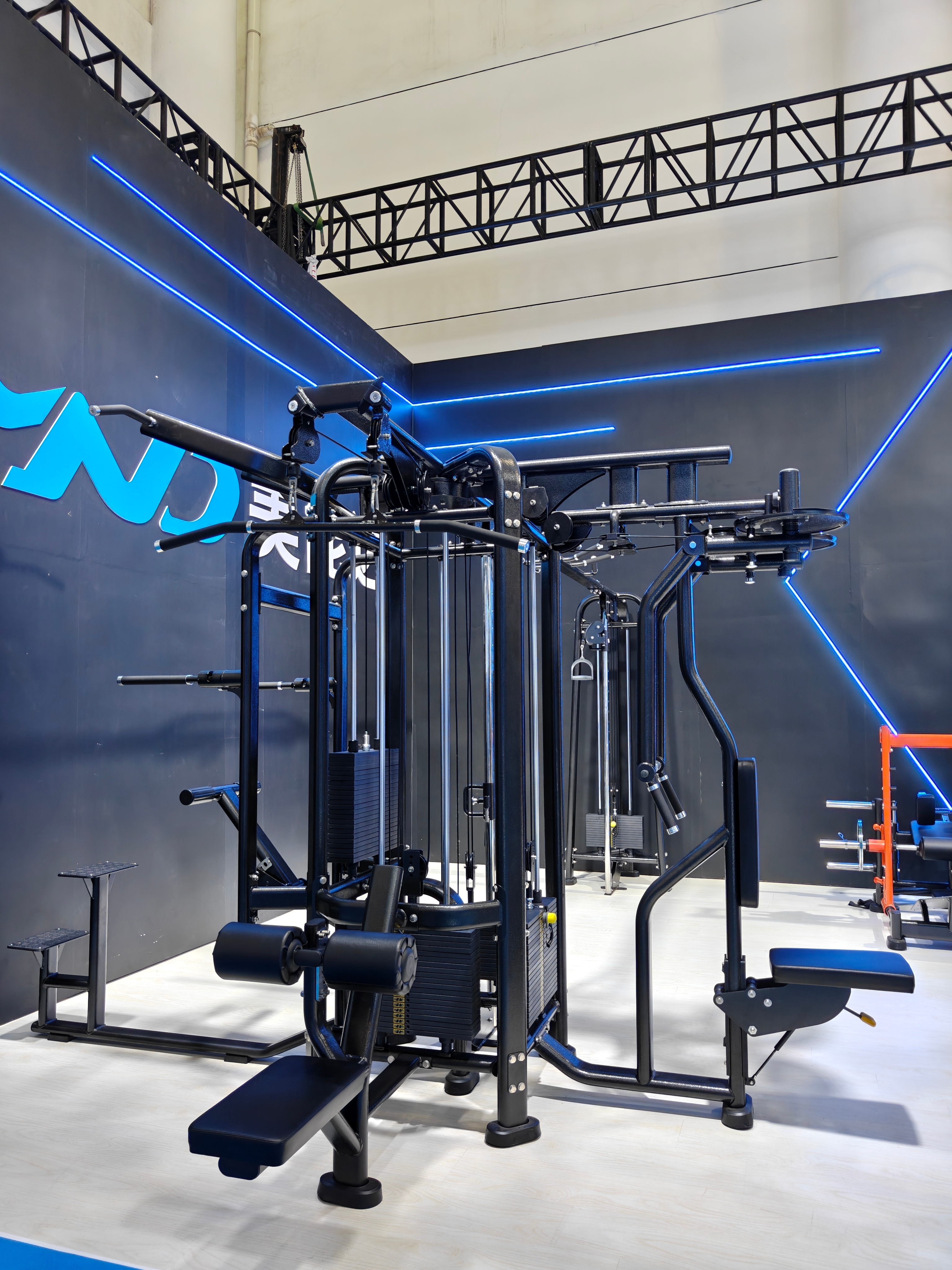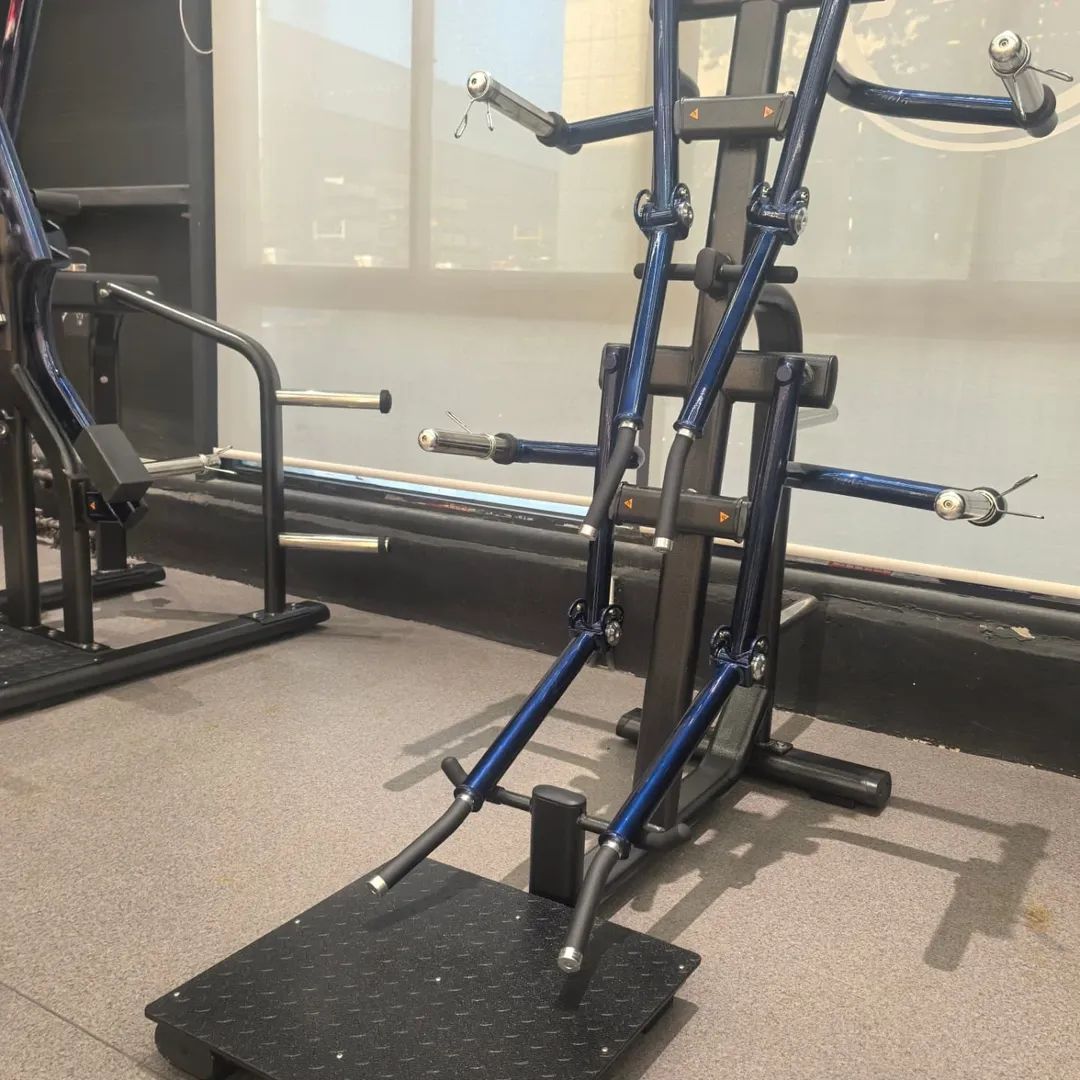



Every spring and autumn, tens of thousands of international buyers land in Guangzhou with targeted sourcing lists, but navigating the massive halls of the Canton Fair to procure heavy commercial fitness equipment presents a unique set of challenges. Sourcing high-load strength machines or high-mileage cardio units is completely different from buying lightweight consumer goods. A single structural failure, poor biomechanical pivot point, or cut corner in frame wall thickness can wreck the balance sheet of an expanding fitness club or commercial gym chain. This guide breaks down what procurement teams, commercial gym operators, and fitness equipment distributors need to know when evaluating gym equipment suppliers at the fair, how to separate genuine original equipment manufacturers from intermediaries, and how to verify production capabilities beyond the show floor.
Understanding the Fitness Sector at the Canton Fair
Fitness, gym, and sporting goods exhibitors gather at the Canton Fair (traditionally during Phase 3 of the exhibition cycle at the Pazhou Complex). Walking the aisles, you will encounter hundreds of booths displaying everything from boutique accessories to full commercial selectorized racks and heavy-duty motorized treadmills.
The visual spectacle can easily mask critical differences between exhibitors. On the fair floor, booths are packed tightly, and sample pieces are polished to a high sheen. However, the commercial fitness landscape in China generally falls into distinct manufacturing clusters. For strength machinery and heavy steel fabrication, Shandong Province—particularly the industrial cluster around Ningjin—serves as the primary hardware and manufacturing engine. When walking the Canton Fair, discerning buyers actively look for manufacturers with dedicated engineering facilities in these hubs rather than coastal trading intermediaries who mark up equipment without direct production oversight.
How to Inspect Gym Equipment on the Exhibition Floor
Showroom samples are often "golden samples"—units hand-assembled and fine-tuned specifically for display. When assessing selectorized strength stations, plate-loaded machines, or commercial treadmills at a booth, buyers should look well past the surface powder coating.
1. Structural Tubing and Frame Rigidity
Commercial equipment built for a high-traffic health club or a round-the-clock 24 hour gym must endure constant, repetitive stress. Inquire directly about tube dimensions and steel wall thickness. Reliable commercial selectorized lines—such as the MND-AN, MND-FS, or heavy-duty MND-G series—typically utilize robust cold-rolled steel tubing (often 2.5 mm to 3.0 mm gauge or heavy oval profiles) to avoid frame flexing under maximum stacks. Lean your weight against the frame, check the rigidity of the uprights, and look underneath the shroud where welds often reveal true production standards.
2. Welds, Pulleys, and Pivot Biomechanics
Smooth motion defines member retention in any facility. Check the pulley wheels: are they stamped nylon or precision-machined aluminum with sealed industrial bearings? Inspect the cable paths for straight tracking. If a cable rubs against a bracket at the fair booth, it will fray within three months of heavy use in a real gym. Test the converging and diverging arcs on chest presses and shoulder machines to ensure the biomechanics match natural human musculoskeletal movement rather than a poorly cloned CAD design.
3. Electronic Drive Systems in Commercial Cardio
For cardio equipment like the MND-X500, X600, or X700 treadmills, booth inspections should focus on the motor specifications, inverter reliability, and running deck shock absorption. Ask exhibitors whether motors are AC commercial-grade or light-duty DC variants. In commercial settings where equipment runs 12 to 16 hours a day, thermal dissipation and drive motor continuous horsepower (CHP) ratings matter far more than touchscreen entertainment consoles.
Evaluating Commercial Viability: Matching Machines to Your Business Model
Facility operators often face a strategic compromise: keeping capital expenditure low enough to maintain competitive gym membership prices while purchasing hardware rugged enough that maintenance calls do not wipe out monthly cash flow. When evaluating equipment lines at the fair, consider the specific demands of your target audience:
- Multi-Purpose Fitness Club Operations: Demands intuitive weight-adjustment pins, low step-over heights, and full instruction placards to serve general fitness training without requiring constant staff intervention.
- Boutique Studios and Functional Fitness: Needs modular, high-impact equipment like the MND-E Crossfit frames, heavy plate-loaded options (MND-F and MND-FF series), and dynamic cardio such as MND-D commercial exercise bikes that tolerate repeated drops and intense intervals.
- Unsupervised Facilities: Operating a 24 hour gym requires bulletproof durability. Equipment must function smoothly with minimal lubrication requirements and feature tamper-resistant weight stacks to safeguard members working out without hands-on fitness coaching.
Prospective gym members rarely dissect equipment specs when deciding whether to join gym facilities, but they immediately notice sticky guide rods, torn seat vinyl, and broken treadmills. Sourcing reliable hardware at the Canton Fair directly protects the long-term perceived value of a gym membership.
Beyond the Booth: Transitioning from Fair Meeting to Factory Audit
Closing a container-sized procurement contract directly on the fair floor is rarely wise for first-time buyers. A trade show booth proves a company paid for exhibition space; it does not prove they operate clean laser cutting, robotic welding lines, or an active quality control lab.
Experienced sourcing directors use their time at the Canton Fair to shortlist two or three serious candidates, collect catalog specifications, and then schedule on-site factory visits immediately following the show. For instance, touring an integrated facility like the MND Fitness Factory—operated by Shandong Minolta Fitness Equipment Co., Ltd.—reveals operational scale that a trade booth cannot display. Their Ningjin facility covers approximately 120,000 square meters, housing dedicated production workshops, a functional testing lab, and a comprehensive exhibition hall showcasing more than 300 cardio and strength product types.
During an on-site audit, pay attention to:
- Steel Storage and Pre-treatment: Is raw tubing stored indoors to prevent oxidation? Do frames go through multi-stage surface cleaning and shot-blasting before electro-powder coating?
- Tooling and Cutting Accuracy: Are parts cut on automated laser machines, or are tolerances loose from manual cutting? Accurate tooling ensures replacement parts will fit years later.
- Packaging Standards: High-end commercial equipment frequently suffers damage during ocean transit. Verify that frames are bubble-wrapped, boxed with reinforced corner guards, and palletized properly to prevent container transit rub marks.
Common Sourcing Mistakes to Avoid
Over decades of global equipment exports across Europe, the Middle East, Southeast Asia, and the Americas, several predictable pitfalls catch commercial buyers off guard:
Relying entirely on digital brochures. Specification sheets frequently misstate net machine weight or frame wall dimensions. Always request a vernier caliper check on structural tubing if you are on-site or demand production-line inspection reports before shipment.
Ignoring spare parts allocations. Even top-tier machinery experiences wear. Always negotiate an initial wearing-parts package into your purchase contract—extra cable assemblies, guide rod bushings, weight stack selector pins, and treadmill belt lubricants.
Overlooking local voltage and regulatory requirements. Cardio units require appropriate voltage and plug standards for your home market. Confirm motor controllers match local grid stability, especially in regions prone to voltage spikes.
Frequently Asked Questions (FAQ)
Can I purchase single machine samples directly at the Canton Fair?
Most exhibitors prefer not to break down booth displays during the fair, but many will sell fair floor samples for pickup on the final afternoon of the phase. This allows buyers to avoid sample production lead times, though you must handle Guangzhou local logistics and outbound customs documentation yourself.
What is the typical production lead time after confirming an order post-fair?
For full 20ft or 40ft container loads of mixed commercial strength and cardio lines, standard manufacturing lead times typically run between 25 and 40 days, depending on custom color schemes, upholstery logos, and seasonal order volumes in the factory.
How do I verify if a Canton Fair booth is a manufacturer or a trading company?
Ask detailed questions about factory tooling, tubing stock, and custom frame modifications. Ask to place an immediate video call with their workshop engineering team or arrange an in-person visit to their northern production hub within the week. Trading entities will often deflect or hesitate when pressed for rapid on-site plant access.
Next Steps for Your Sourcing Journey
Attending the Canton Fair gives procurement teams a panoramic view of global supply trends, but solid commercial relationships are solidified through rigorous vetting. If your goal is to build out a competitive health club facility or expand an equipment distribution line with dependable cardio and strength machinery, partner with an established manufacturer backed by mature hardware engineering and global export logistics. Contact the MND Fitness engineering and export sales team before or during the fair to arrange a technical review or schedule a comprehensive factory audit at our Ningjin manufacturing base.