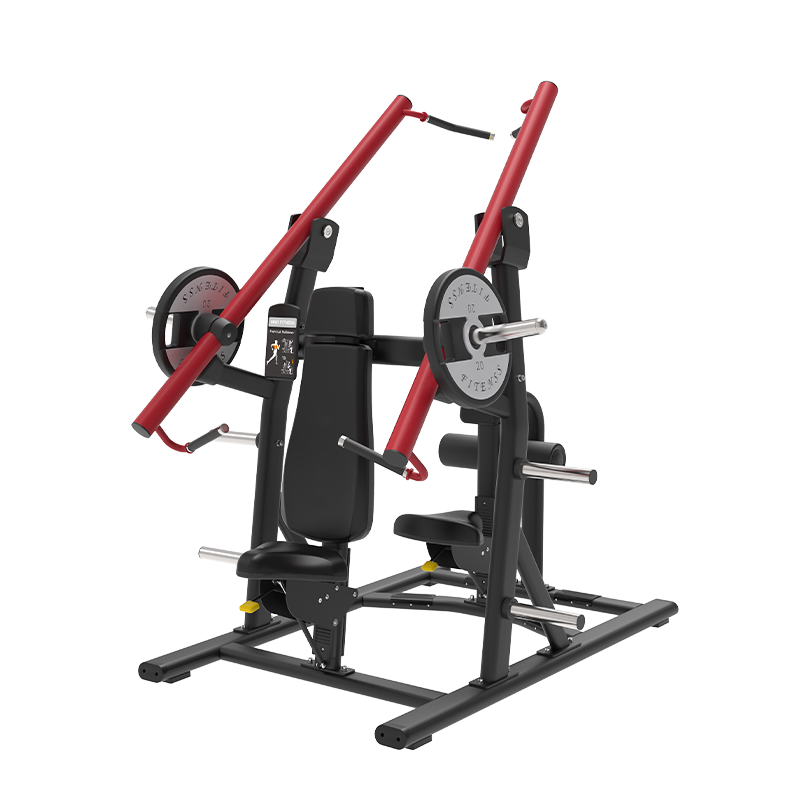



Specifying Heavy Duty Fitness Equipment: What Procurement Teams Miss in Commercial Gym Audits
Walk through any high-volume commercial gym during peak evening hours, and you will see equipment subjected to mechanical abuse that laboratory drop-tests rarely replicate. Members drop 25-kilogram Olympic plates onto carriage horns, slam weight stacks against guide rods, and torque adjustment levers at awkward angles. For procurement managers, sourcing genuine Heavy Duty Fitness Equipment is not merely an aesthetic choice or a brand-building exercise; it is an exercise in managing total cost of ownership (TCO), mitigating patron liability, and preventing structural fatigue failures before a facility's third operating quarter.
A glossy brochure can make a light-commercial bench look identical to an institutional-grade piece. The differences reveal themselves six months in, when cheap powder coating flakes off high-contact contact points, guide rod chrome begins to pit, and welded joints develop micro-fractures under cyclic stress. Evaluating commercial strength lines requires looking past industrial styling to inspect steel gauge, joint geometry, bearing architectures, and surface preparation.
The Structural Anatomy of True Commercial Equipment
The term "heavy duty" gets applied generously across the fitness supply chain, often describing machinery that barely qualifies as semi-commercial. Sourcing engineers and equipment distributors should assess four mechanical markers to separate retail-grade units from institutional hardware:
1. Tube Profile and Steel Gauge
True commercial frames rely on structural steel with wall thicknesses between 2.5 mm and 3.0 mm (roughly 11-gauge to 12-gauge). While light-commercial equipment often uses 1.5 mm to 2.0 mm rectangular tubing to reduce freight and raw material costs, these thinner profiles deform over time around bolt-through connections and high-stress pivot brackets. Structural geometries commonly favor 50x100 mm flat oval or 60x120 mm heavy-wall rectangular tubing, which offer superior torsional resistance against side-loading compared to standard square tubes.
2. Pivot Points and Bearing Assemblies
The pivot point is almost always the first point of mechanical failure on articulating leverage machines. Lower-tier manufacturers use brass or bronze sleeve bushings that wear unevenly, develop radial play, and eventually bind when subjected to uneven limb drive. Commercial-grade builds specify sealed deep-groove ball bearings or heavy-duty pillow block units. These assemblies isolate lateral forces and ensure smooth, zero-play rotational movement across tens of thousands of load cycles.
3. Surface Treatment and Finishing Lines
Sweat is intensely corrosive. If a manufacturer applies powder coating directly onto raw steel without an automated shot-blasting or multi-stage phosphating pre-treatment, oxidation will quickly crawl beneath the paint layer. Institutional lines typically demand a two-stage electrostatic powder coating process—an anti-corrosion primer followed by a high-durability thermoset polyester topcoat cured at regulated oven temperatures.
Biomechanical Engineering in Plate-Loaded Movement: The Pendulum Mechanism
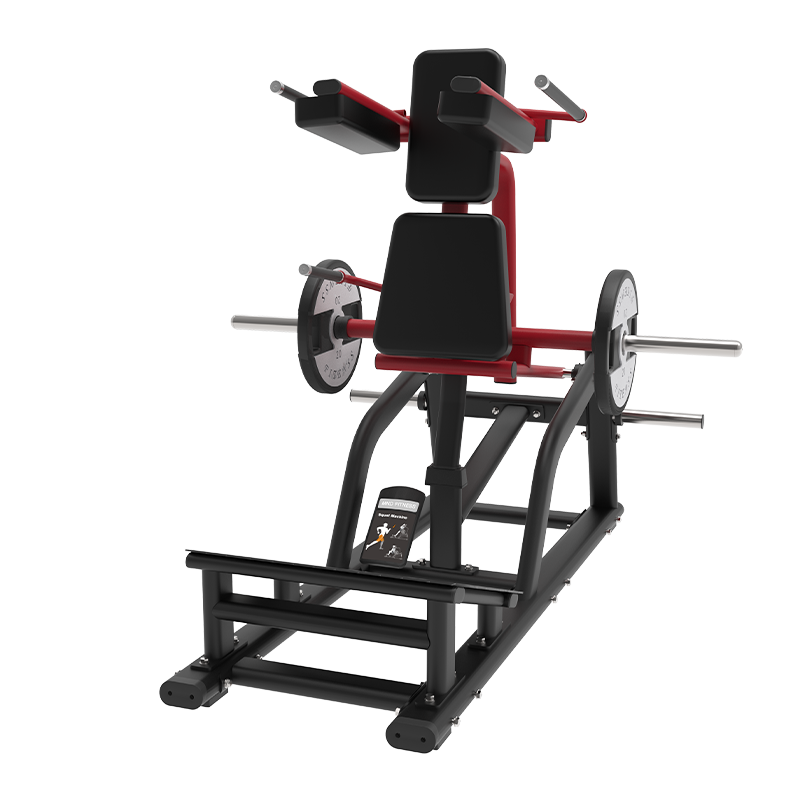
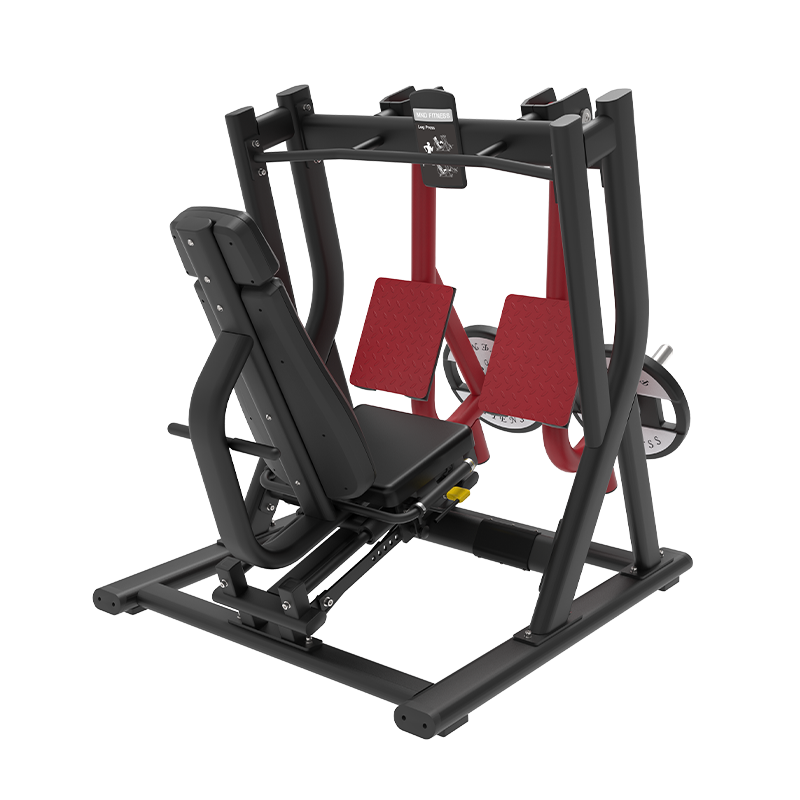
Pin-selected machines serve a broad demographic, but plate-loaded equipment absorbs the highest peak loads on a gym floor. Because users directly load cast-iron or urethane plates onto weight horns, the mechanical leverage and arc of travel must align precisely with human musculoskeletal mechanics to prevent joint strain.
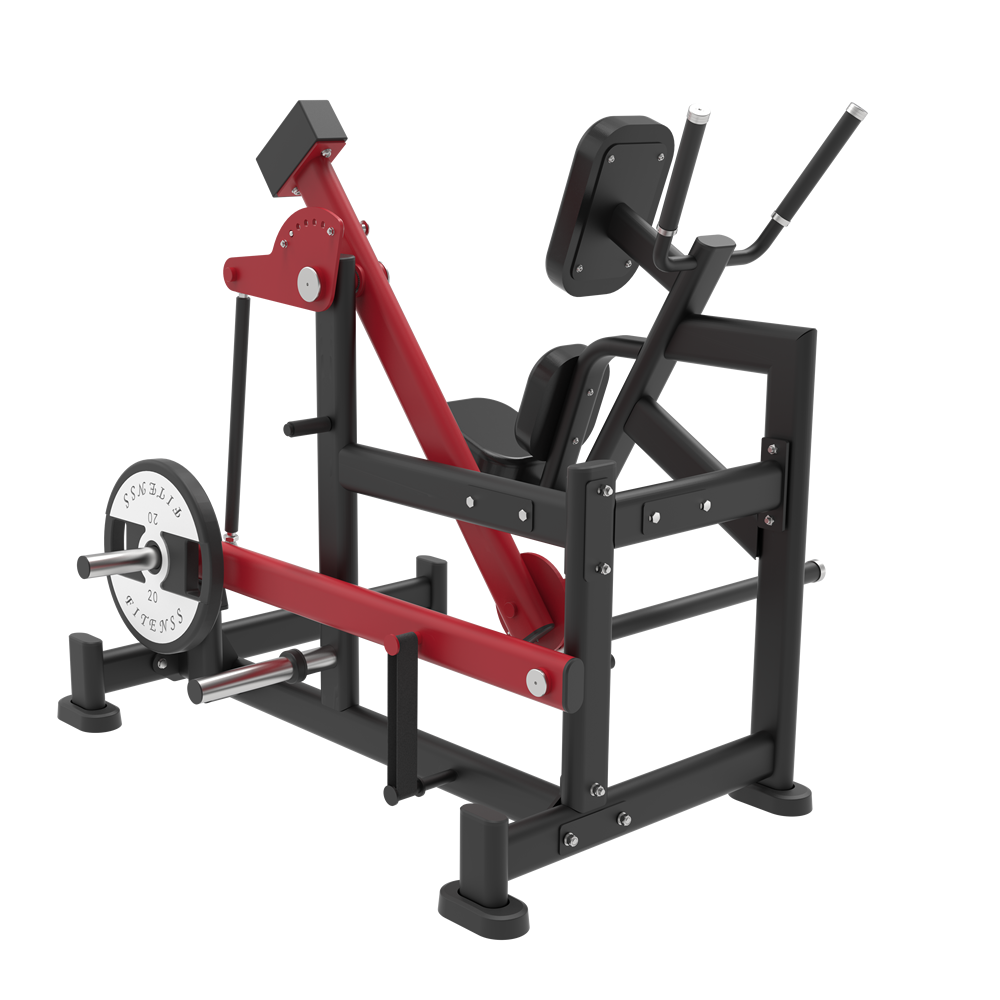
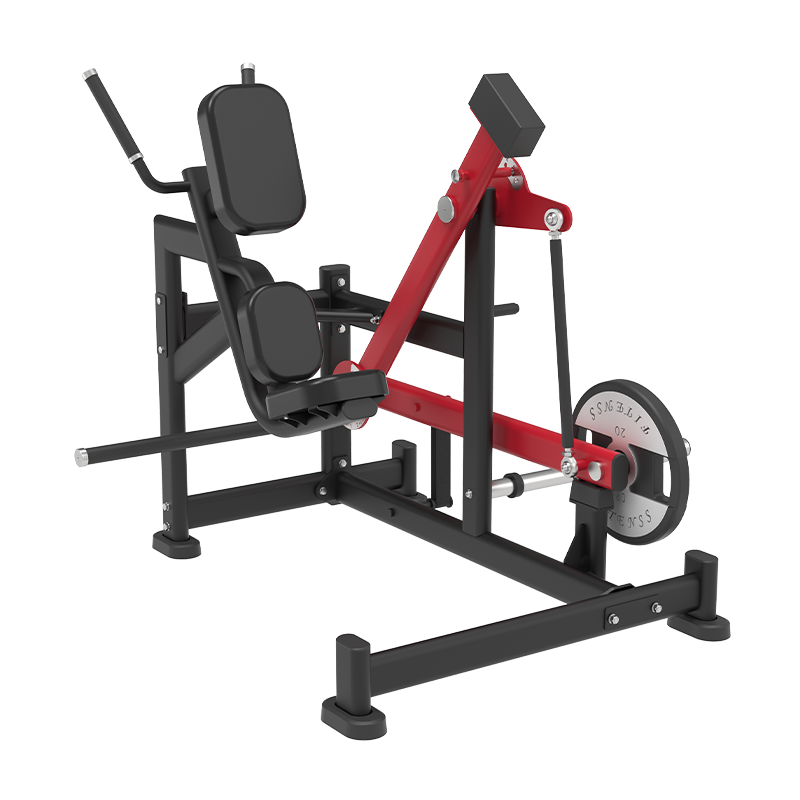
A prime example of specialized kinematic design is the PL43 Pendulum Back Kick Trainer. Unlike traditional multi-hip cable setups or generic kickback benches that compromise lumbar stability, a pendulum-based kick trainer utilizes a curved swing arm to replicate the natural extension arc of the hip. The mechanical resistance matches the gluteus maximus strength curve—lighter at the initial stretch position and peaking as the hip reaches full extension.
From a manufacturing standpoint, a machine like the PL43 Pendulum Back Kick Trainer tests every aspect of a factory's engineering tolerances:
- Axle Rigidity: The main rotational shaft must resist bending moments when an athlete loads multiple 20 kg plates on one side while driving unevenly through the footplate.
- Counterbalance Calibration: The tare weight of the pendulum arm must be carefully balanced so the baseline resistance remains accessible without compromising peak loading capacity.
- Grip and Chest Pad Ergonomics: Support platforms require high-density, molded polyurethane foam rather than glued scrap-foam cores to prevent bottoming out under heavy hip-thrust loads.
Evaluating Manufacturing Clusters: The Ningjin Ecosystem
When sourcing commercial fitness machinery globally, geographical manufacturing clusters play a decisive role in supply chain efficiency. In China, Ningjin County (Shandong Province) has evolved into one of the world's dense hubs for commercial gym fabrication, supported by a localized hardware and metalworking ecosystem.
Within this industrial belt, operations like Shandong Minolta Fitness Equipment Co., Ltd. (MND FITNESS) demonstrate the scale required to produce diverse institutional equipment. Operating from an expansive 120,000-square-meter facility with dedicated quality control labs and testing workshops, manufacturers of this tier manage comprehensive catalogs spanning over 300 equipment designs—ranging from high-volume plate-loaded and selectorized strength series (such as their MND-AN, MND-FM, and MND-FH lineups) to commercial cardio frames.
For international buyers across Europe, the Middle East, and the Americas, sourcing from deep-cluster manufacturers provides distinct production advantages:
- Raw Material Proximity: Direct access to domestic steel tube mills and automated laser-cutting services keeps lead times manageable even on full-facility container orders.
- In-House Tooling: Large-scale plants maintain their own robotic welding cells, bending dies, and upholstery compression molds, minimizing the variance common to outsourced sub-assemblies.
- Lifecycle Parts Availability: Facilities with a decade-plus operational history maintain standardized spares—pulley wheels, selector pins, sealed bearings, and cable terminations—reducing maintenance downtime years after delivery.
Common Procurement Traps to Avoid
Contract buyers and gym chains frequently encounter pitfalls that do not show up on an initial bill of materials. Keep these trade cautions in mind during your supplier reviews:
Overlooking Cable and Pulley Ratings: A heavy frame is meaningless if the cable assembly fails. Demand aircraft-grade steel cable (typically 7x19 strand construction) with a durable nylon extrusion jacket, rated to at least 1,000 kg breaking strength. Pair this with CNC-machined aluminum pulleys containing double-shielded bearings rather than lightweight nylon-composite pulleys that groove prematurely.
Underestimating Shipping Density: Plate-loaded strength gear occupies massive cubic volume if shipped fully welded. Verify that the supplier has designed structural bolt-together sub-assemblies that minimize crate volume without sacrificing frame rigidity once assembled on-site.
Vague Upholstery Specifications: "Commercial leather" in a quotation often translates to thin PVC film over soft sponge. Insist on wear-resistant micro-fiber or heavy-duty semi-PU synthetic leather with a double-stitched perimeter, wrapped over high-resilience, cold-cured molded foam.
Commercial Buyer Inspection Checklist
| Inspection Area | Minimum Acceptable Standard | Rejection Threshold |
|---|---|---|
| Main Structural Frame | ≥ 2.5 mm Q235 steel; clean robotic or TIG welds | Tubing < 2.0 mm; excessive manual weld spatter |
| Rotational Pivots | Precision-machined housings with sealed ball bearings | Unsealed bronze bushings; observable lateral play |
| Guide Rods & Weight Horns | Hard-chrome plated or stainless steel tubing | Flaking decorative chrome; surface pitting |
| Hardware & Fasteners | Grade 8.8 tensile zinc-coated or stainless fasteners | Unmarked, low-carbon structural bolts |
Frequently Asked Questions
What is the standard warranty period for commercial strength equipment frames?
For genuine institutional equipment, reputable manufacturers typically provide a 5-to-10-year warranty on the main structural framework and welds. Wear components—including pulleys, cables, linear bearings, and upholstery—generally carry a 1-to-2-year coverage window, assuming standard maintenance protocols are followed.
How does plate-loaded equipment compare to selectorized stacks for commercial ROI?
Plate-loaded units offer an exceptionally high return on investment because they have fewer moving wear parts—no selector rods, pin cables, or encapsulated weight stacks. For targeting specific movements, as with a dedicated pendulum kickback or a chest-supported row, plate-loaded options accommodate higher loading capacities while maintaining minimal ongoing service costs.
Can high-volume factories customize frame colors and branding for fitness franchises?
Yes. Mid-to-large-scale manufacturers with automated powder lines routinely support custom RAL frame colors, custom vinyl stitching, and laser-cut acrylic or steel brand badges for multi-site gym operators placing container-quantity orders.
Next Steps for Your Facility's Fit-Out
Outfitting a high-performance commercial gym or updating a regional distribution portfolio demands equipment that endures relentless daily use. Reviewing technical specification sheets, verifying tube gauge callouts, and inspecting bearing assemblies will protect your investment over the long haul. If you are planning an upcoming commercial gym project or looking to expand your equipment distribution line, contact our technical sales team at Shandong Minolta Fitness Equipment Co., Ltd. to request comprehensive catalogs, factory audit reports, and container-load pricing.