


What a seated row machine is really for
A seated row machine is one of those pieces of gym hardware that looks straightforward until you start buying, maintaining, or programming it for real-world use. At a glance, it is a back workout machine built around a lever-and-resistance system: the user sits, braces, and pulls handles toward the torso to train the upper back, lats, and related pulling muscles. In commercial settings, that simple movement pattern matters because it gives coaches and facility managers a controllable upper back exercise that is easier to standardize than dumbbell rows and often easier to learn than free-weight variations.
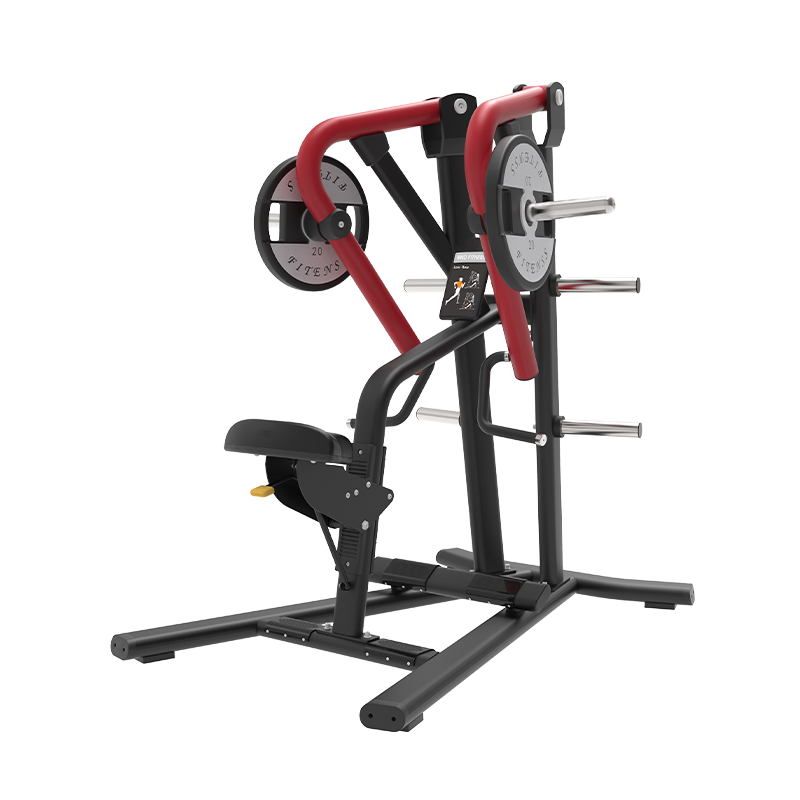
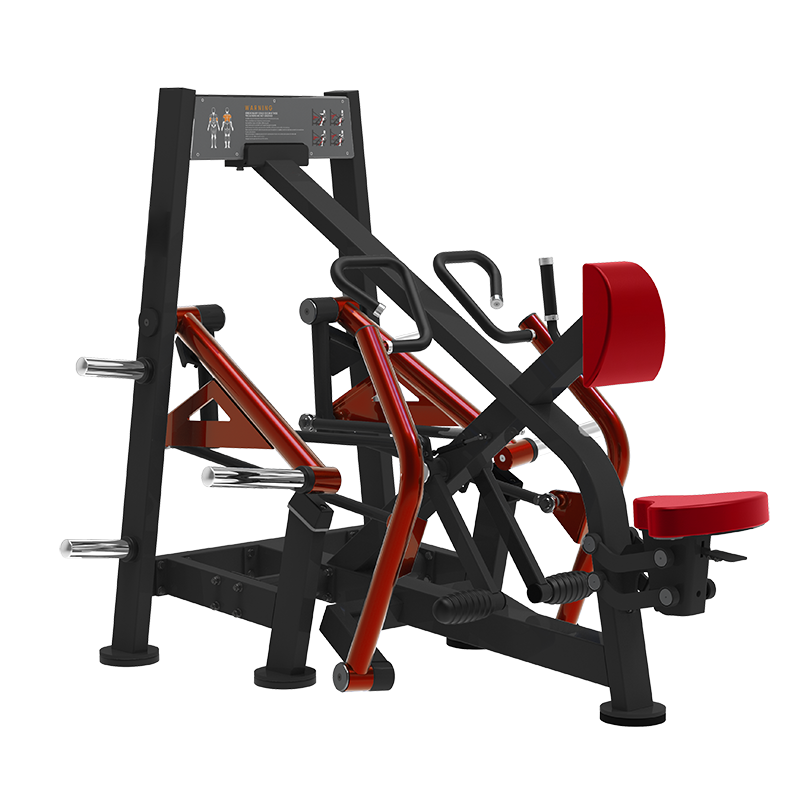
The unit described here appears to be a plate-loaded, floor-standing lever machine with a welded steel frame, multiple grips, padded contact points, and loading posts on the side. That combination tells a buyer a lot. It suggests a self-contained machine built for repeated use in a strength area, not a lightweight home product pretending to be commercial. It also suggests the machine is meant to deliver rowing-style resistance with free weight plates rather than a stack, which changes both the feel of the rep and the maintenance profile.
Why this machine earns floor space
If you manage a gym, sports performance center, or rehab-oriented training space, the seated row machine solves a common problem: how to offer a productive horizontal pulling pattern without requiring advanced technique or a lot of coaching time. Barbell rows are effective, but they also ask more from the user’s hinge position, trunk control, and fatigue management. A gym row machine narrows the variables. The seat, supports, grips, and lever path guide the movement and make the exercise more repeatable from one session to the next.
That repeatability is not a small point. For facilities, repeatable exercise means easier onboarding, more predictable programming, and fewer form breakdowns during busy hours. For users, it means they can focus on load, tempo, and range rather than wrestling with setup. In a commercial gym, that is often the difference between a machine that gets used and one that occupies space.
What the visible construction says about durability
This machine appears to be built from heavy welded steel with a black powder-coated main frame and red or orange moving arms and pads. That is a common and sensible layout for commercial gym equipment because the frame needs to stay rigid while the moving components remain visible and easy to inspect.
A few details stand out:
The wide base and floor-standing structure suggest stability under repeated pulling loads.
The pivot arms indicate a lever-based resistance path rather than a simple fixed carriage.
The multiple hand grips hint at different grip options, which can be useful when programming for comfort, shoulder position, or unilateral work.
The padded torso or chest contact area and the red seat or thigh/hip pad point to better bracing during the pull. That matters because a rowing movement gets much more useful when the user can stabilize against something.
The loading posts on the left side are especially important. They strongly suggest a plate-loaded design, which often appeals to facilities that want straightforward resistance changes and a mechanical feel that can be more direct than some selectorized systems.
Plate-loaded versus selectorized: the practical tradeoff
Buyers often compare a plate-loaded rowing machine with a pin-select system, and the right choice depends on how the equipment will actually be used.
A plate-loaded back muscle trainer typically gives a familiar strength-training feel and allows the load to be tailored with standard plates already in the facility. That can be an advantage in performance gyms and dedicated lifting spaces. It may also be easier to maintain in some environments because there are fewer internal moving parts than in a stack machine.
The tradeoff is convenience. Loading plates takes more time, and staff need to keep an eye on plate availability, floor clutter, and wear at the loading points. In a high-traffic gym, that matters. In a strength-focused area, it often does not.
Selectorized machines, by contrast, are faster to change and friendlier for general fitness users, but they come with a different feel, more internal hardware, and sometimes a higher service expectation over the long term. There is no universal winner here; the real question is who will use the machine, how often, and under what supervision.
What kind of training it supports
The main use case is rowing and other pulling work aimed at the upper back and lats. Depending on the geometry of the handles and seat, the machine may also support unilateral or bilateral pulling patterns. That makes it relevant not only for muscle-building programs but also for sports conditioning, where balanced pulling strength is often overlooked until shoulder issues start appearing.
For coaches, a machine like this can be programmed in several ways:
heavier sets for strength-focused pulling volume
moderate-load hypertrophy work with controlled eccentric tempo
single-arm work for side-to-side balance
assisted accessory work for athletes who need more back volume without as much spinal loading
That last point is worth underlining. A lever-based seated row machine can give users a substantial upper-body training stimulus while keeping the torso better supported than many free-weight alternatives. That does not make it a rehab device by default, but it can fit conditioning environments where controlled resistance matters.
Selection criteria that actually matter
When evaluating a machine like this, buyers should look beyond appearance and ask a few practical questions.
First, is the frame stable at working loads? A commercial gym machine needs more than cosmetic heft. The base geometry, weld quality, and pivot design should feel planted when the user pulls hard.
Second, is the movement path natural? A row machine should allow a comfortable pull without forcing the shoulders into an awkward position. Handle height, torso support, and arm travel all affect that.
Third, is the loading process easy enough for daily use? Plate-loaded machines are only efficient if staff and members can change load without friction.
Fourth, are the contact points durable and easy to clean? Pads, grips, and foot supports take abuse. In shared facilities, that becomes a maintenance issue long before a frame problem.
Finally, consider service access. A machine with visible pivot points, straightforward upholstery, and a simple welded structure is usually easier to inspect than a more enclosed system. That does not make it indestructible, but it can make ownership less painful.
Common mistakes buyers make
One common mistake is assuming all rowing machines train the same way. They do not. Small changes in handle path, torso support, and resistance arc can make one machine feel back-dominant and another feel like a rear-deltoid accessory.
Another mistake is buying for square footage instead of usage. A seated row machine takes up more room than a compact cable station, so the question is whether it will earn its footprint. In a commercial gym, underused metal is expensive metal.
A third mistake is overlooking user fit. If the seat height, pad position, or grip arrangement does not suit a broad range of users, the machine can become niche equipment very quickly. That is especially true in facilities serving mixed populations.
How this fits into a commercial equipment lineup
In a broader strength floor, a seated row machine sits neatly beside other pulling stations, chest-supported devices, and plate-loaded strength units. For operators who prefer a consistent visual language across the floor, the black-and-red industrial styling is also useful. It reads as serious equipment, not decorative fitness furniture.
Shandong Minolta Fitness Equipment Co., Ltd. says it offers more than 300 types of exercise equipment across strength and cardio lines, with a 120,000-square-meter facility and exports to over 100 countries. For buyers comparing commercial gym equipment suppliers, that breadth can matter because it suggests manufacturing depth and the ability to support mixed facility orders, not just a single hero machine.
That said, the exact model behind this row machine is not identified here, so procurement teams should verify the details that matter before ordering: resistance system, dimensions, pad construction, service parts, and the actual exercise geometry. A product can look right and still be wrong for a specific training concept.
Buyer advice before you place an order
If you are sourcing this kind of rowing machine, ask for photos or drawings of the lever path, loading posts, and seat/support layout. If possible, compare how the machine feels under light load and under a working set. Machines can feel smooth unloaded and awkward once plates are added.
Also check the obvious but often rushed items: weld finish, paint coverage around high-wear points, handle quality, and whether the upholstery looks suitable for repeated commercial use. Those are not glamorous details, yet they are the details users see every day.
For a facility purchase, the best question is simple: does this machine help more people train better, more safely, and with less coaching time? If the answer is yes, the floor space is probably justified.
FAQ
Is a seated row machine only for back training?
Mostly, yes, but it also supports broader pulling and postural work. Depending on the grip and setup, users may feel secondary involvement from the rear shoulders and arms.
Is plate-loaded better for commercial gyms?
Not always. Plate-loaded designs often suit strength-focused facilities well, but high-traffic general gyms may prefer faster adjustments. The right answer depends on audience and programming.
What should I confirm before buying this type of machine?
Confirm resistance type, frame dimensions, loading capacity, pad layout, service access, and whether the movement path fits your users. If any of those are vague, ask for documentation rather than guessing.
Next step for buyers
If you are comparing row machines for a gym upgrade or a new strength room, start with use case, not catalog language. Decide whether you need a plate-loaded lever machine, a stack machine, or a different back training station altogether. Then match the machine’s geometry to the users who will actually train on it. A good seated row machine should disappear into the session and let the work speak for itself.