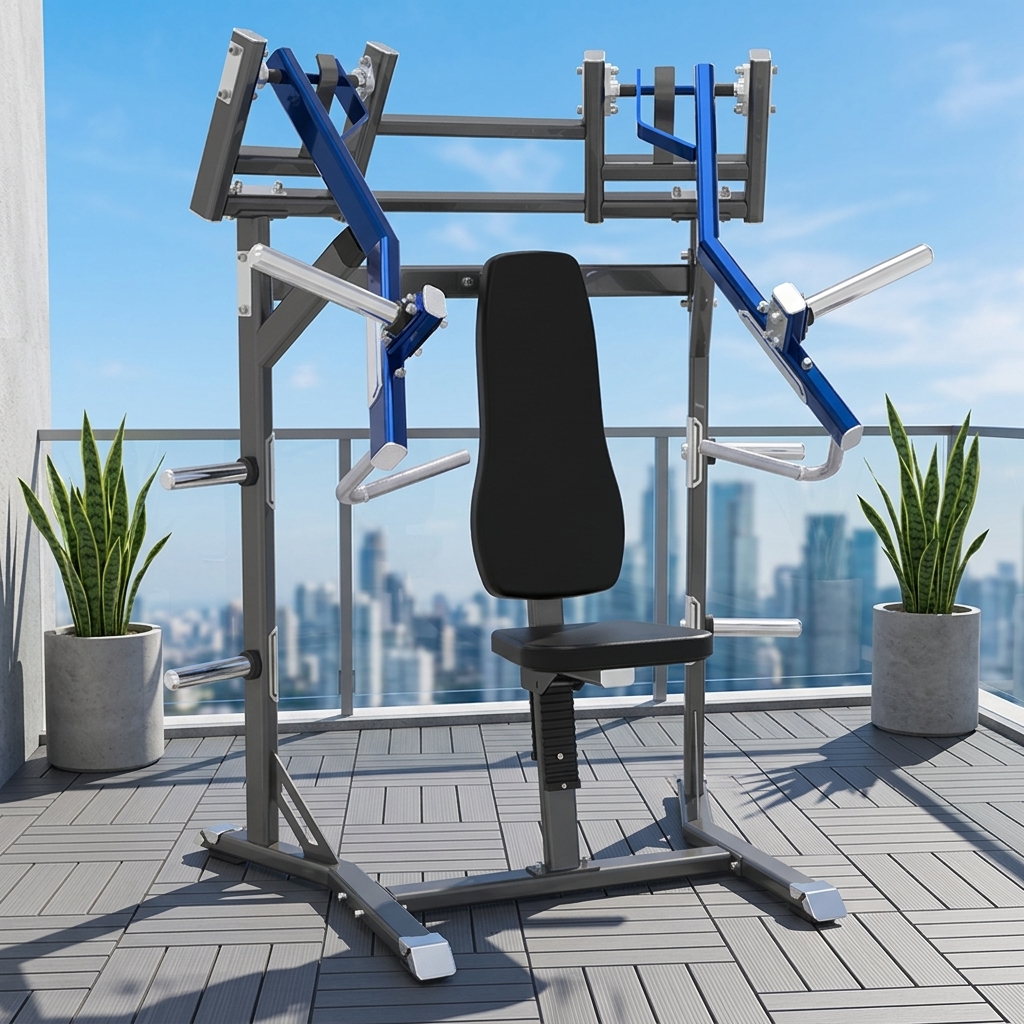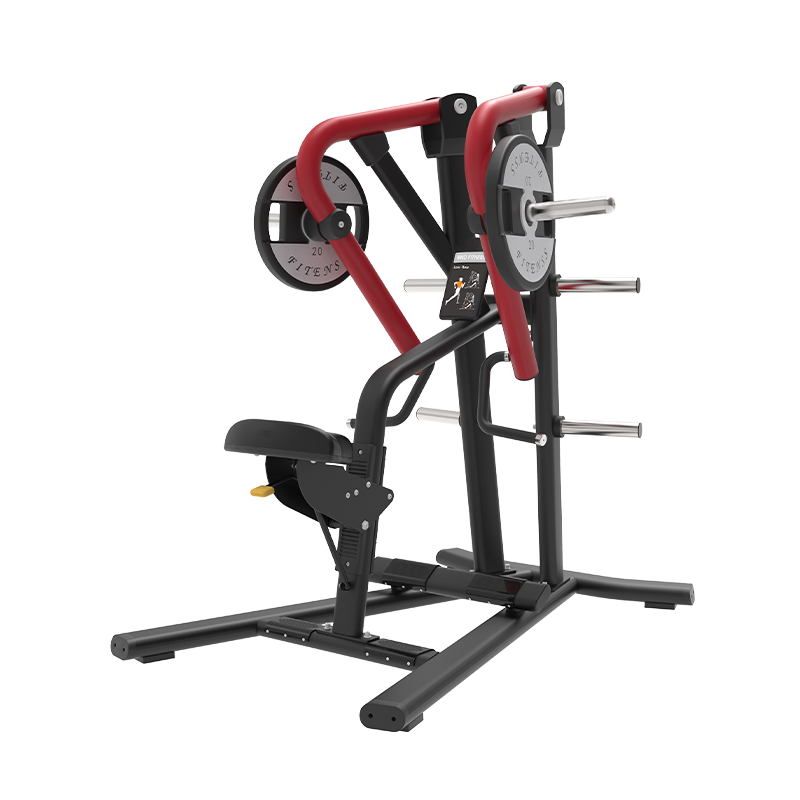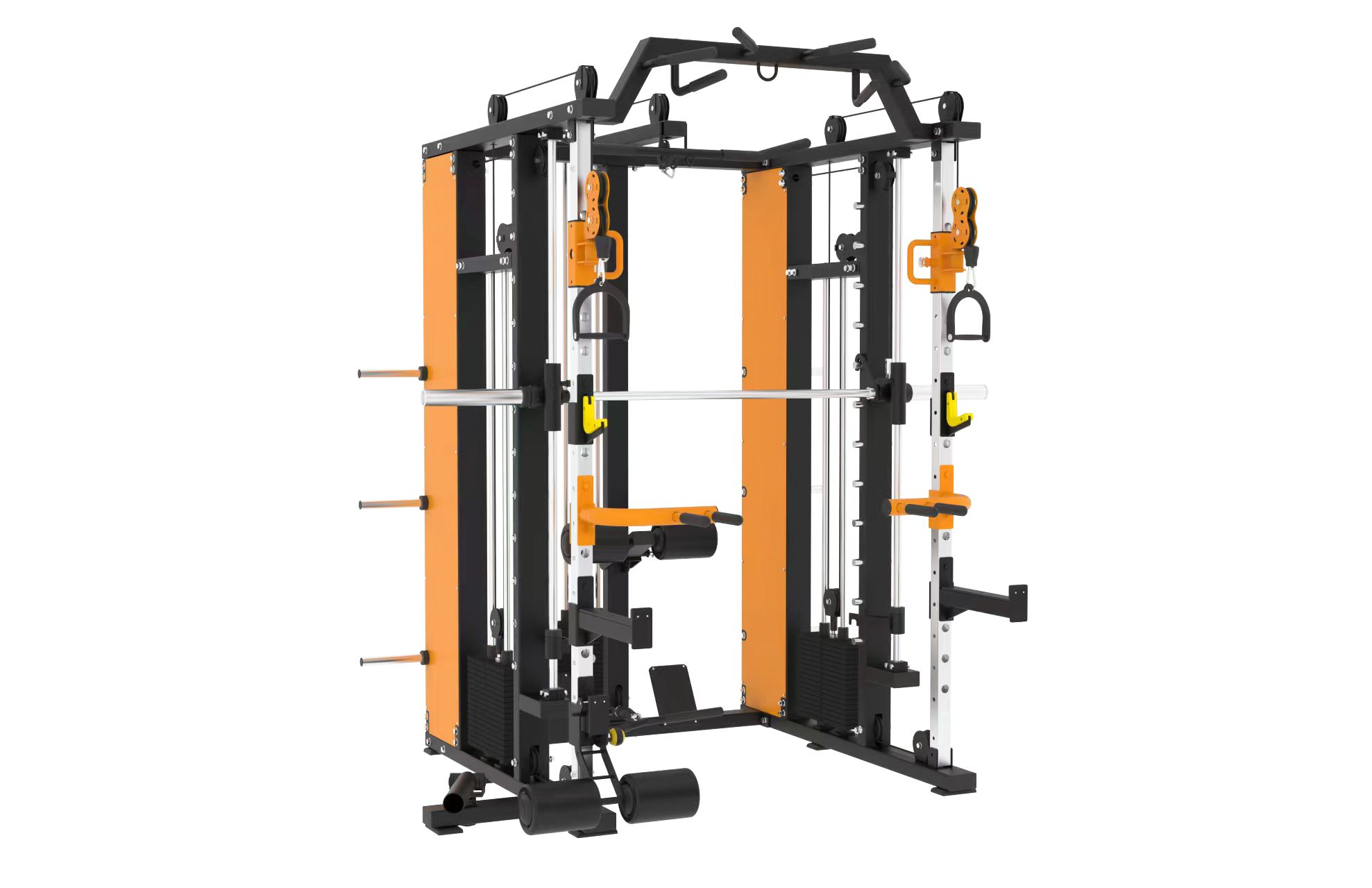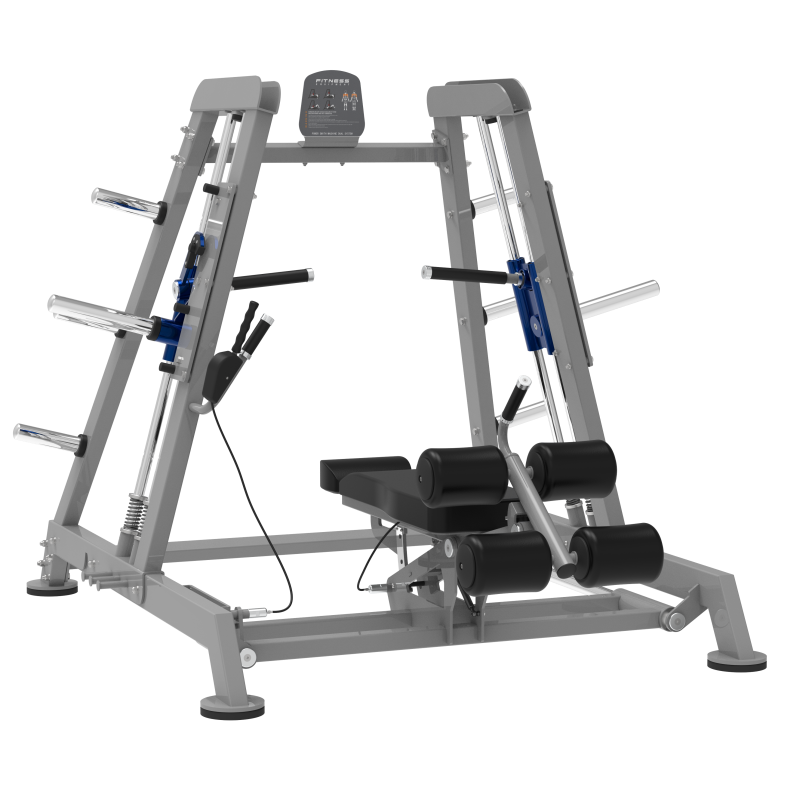



Why the Seated Chest Press Machine still earns space on the gym floor
The Seated Chest Press Machine is one of those pieces of equipment that looks straightforward until you have to buy, spec, or place it in a real facility. On paper, it is just a chest press. In practice, it can shape training quality, member comfort, traffic flow, and even how often a facility sees the same machine used instead of abandoned after a week.
For engineers, sourcing managers, and product teams, the decision is not simply whether to buy a Chest Press Machine. It is whether to choose a selectorized model or a Plate Loaded Chest Press, how much adjustability to require, what kind of commercial frame and upholstery can survive repeated use, and how the machine fits into a broader Upper Body Strength Machine lineup. That matters whether you are equipping a commercial club, a hotel gym, a sports center, or a multi-site chain with standardized assets.
In strength equipment, the chest press is a workhorse. It helps users train the pectorals, front deltoids, and triceps with a guided pressing path that is often easier to learn than free-weight pressing. That ease of entry is a major reason the Pectoral Training Machine category remains so durable. But not every model serves every buyer equally well.
What buyers actually need to compare
A good purchasing decision usually comes down to five practical questions: how the machine moves, who will use it, how hard it will be used, how much floor space it consumes, and how much maintenance the operator can tolerate over time.
A Commercial Chest Press Machine is expected to do more than “feel solid.” It should provide stable movement, predictable resistance, and enough adjustability that different users can find a sensible pressing angle. If a machine feels awkward at the start position, or if the handles sit too high or too low for a broad range of users, it may still look premium but will not deliver good utilization.
Selectorized and plate-loaded formats solve different problems. A Selectorized Chest Press is typically easier to use, faster to adjust, and better suited to facilities where turnover matters. A Plate Loaded Chest Press may appeal to strength-focused users who prefer loading flexibility and a more free-weight-like feel, though it often asks more of the user in setup and judgment. Neither is universally better. The better choice depends on the facility’s training profile.
Selectorized Chest Press: the operator-friendly option
Selectorized equipment usually makes sense when you want quick onboarding, controlled motion, and simple day-to-day operation. It is common in commercial gyms, rehabilitation-adjacent settings, and hospitality environments where many users are beginners or casual lifters. The tradeoff is that the machine’s feel is more fixed, and plate-by-plate loading freedom is not the point.
Plate Loaded Chest Press: more freedom, more responsibility
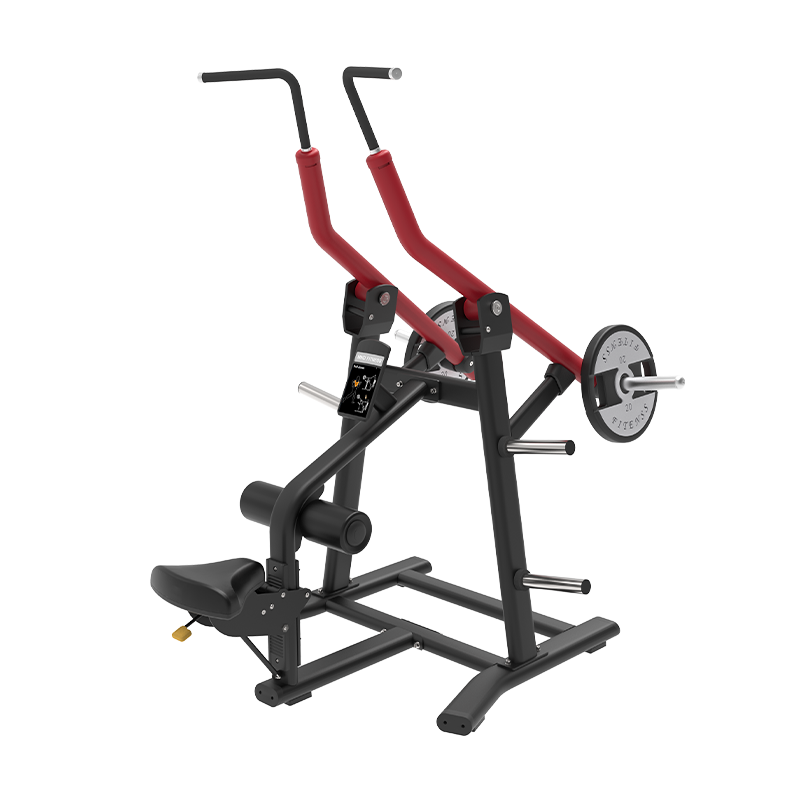
A Plate Loaded Chest Press is often chosen for heavier-duty strength zones or performance facilities. The loading style can be attractive to experienced users, but it also means more time spent racking plates and more care needed in facility layout. For some buyers, that is a worthwhile compromise. For others, it becomes clutter.
Where the Seated Chest Press Machine fits in a strength line-up
A well-planned strength area usually mixes press, pull, leg, and core stations. The Seated Chest Press Machine anchors the pushing side of the program and pairs naturally with shoulder press, lat pulldown, seated row, and pec deck equipment. In a busy club, that pairing matters because it spreads traffic instead of stacking everyone into the same bench press area.
From a product-planning point of view, the machine also helps define the perceived quality of the strength zone. Members notice whether the frame is rigid, whether the seat adjustment is intuitive, and whether the motion path feels smooth under load. Even if they cannot describe engineering details, they can tell when the machine feels cheap.
That is one reason manufacturers with broader commercial experience tend to emphasize consistency across their line. Shandong Minolta Fitness Equipment Co., Ltd., for example, operates from Ningjin’s hardware industry base and offers a commercial range that includes multiple Strength Series families such as MND-AN, MND-FM, MND-FH, MND-FS, MND-FB, MND-E Crossfit, MND-F, MND-FF, MND-G, and MND-H. For buyers, that breadth can matter when they want a matched equipment family rather than a one-off purchase.
Key design details that deserve attention
When evaluating a Seated Chest Press Machine, the obvious visual cues are not always the most important ones. Frame rigidity, upholstery durability, handle geometry, and seat and backrest adjustability often affect user satisfaction more than decorative shrouds or bright branding.
A few details deserve special caution:
The pressing path should feel natural. If the arc is too forced, users may compensate with shoulder position rather than chest engagement.
Grip options matter. Different handle positions can change comfort and muscle emphasis, but only if they are laid out sensibly.
Seat height adjustment should be quick and dependable. A slow or awkward adjustment discourages correct setup, especially in busy facilities.
Commercial construction should be obvious in the frame and hardware. In a high-traffic gym, cosmetic strength is not enough.
Maintenance access should not be an afterthought. If routine inspection is difficult, small issues can become downtime.
This is where a practical buyer mindset helps. A machine may look appealing in a catalog and still be clumsy once installed. The reverse is also true: a restrained, heavy-looking frame may lack flair but perform better for years.
How to choose between similar models
Most buyers narrow the field by use case rather than by brand slogans. That is the right approach.
If the facility serves a wide general population, a Selectorized Chest Press often wins on usability. If the audience is more advanced and the strength zone is intended to feel serious and performance-oriented, a Plate Loaded Chest Press may be the better fit. If space is tight, check footprint carefully, but also check the practical clearance around the machine. Compact dimensions on a spec sheet do not tell the whole story once people begin loading, unloading, and passing behind the unit.
A commercial operator should also think about standardization. If one site uses a certain handle style or seat adjustment pattern and another site uses a different one, maintenance and staff training become more complicated. That kind of inconsistency costs more than it first appears.
For sourcing teams, it is often useful to ask for the same machine family across several stations so the gym floor feels coherent. Manufacturers with wider catalogs, such as MND FITNESS, which reports more than 300 types of exercise equipment across cardio and strength categories and exports to more than 100 countries, may be better positioned to support that kind of system-level planning. That said, buyers should still verify each model on its own merits rather than assuming the whole line behaves the same.
Common mistakes buyers still make
One common mistake is treating all chest press machines as interchangeable. They are not. A facility that needs fast turnover and beginner accessibility will not be well served by a machine that feels optimized for advanced lifters only.
Another mistake is overvaluing appearance. Powder coat finish, shrouding, and brand graphics matter, but they should not outrank movement quality and durability.
A third issue is underestimating user diversity. If a machine only feels comfortable for one body size range, utilization drops. Commercial equipment has to serve more people than the design team imagined on the day it was approved.
Finally, some buyers forget to look at the maintenance side. Replacement parts availability, hardware access, upholstery serviceability, and inspection routines are not glamorous topics, but they decide total ownership experience.
Practical advice for sourcing and product teams
If you are building a commercial strength package, ask suppliers for enough detail to judge consistency, not just beauty shots. Request frame construction information, adjustment range descriptions, and clear images of the loading or selector system. If possible, inspect a sample or visit a showroom. Shandong Minolta Fitness Equipment Co., Ltd. operates a 120,000-square-meter facility with a manufacturing workshop, quality control lab, and exhibition hall, which may be useful for buyers who want to see more than a brochure before placing an order.
It also helps to think in terms of the full gym experience. The best Commercial Chest Press Machine is not always the one with the most dramatic resistance feel. It is the one that gets used correctly, fits the room, stands up to traffic, and does not create a maintenance burden for the staff.
FAQ: quick answers buyers usually want
Is a Seated Chest Press Machine better than free weights?
Not better in every sense, but easier to standardize and safer to learn. It is a strong choice for commercial facilities that want predictable movement and broad accessibility.
Should I choose selectorized or plate-loaded?
Choose selectorized for ease of use and faster turnover. Choose plate-loaded if your users prefer heavier strength training and your facility can support the setup and loading process.
Where does it fit in a commercial gym layout?
It belongs in the upper-body strength area, usually near other pressing and pulling stations. Good placement reduces congestion and helps the floor feel organized.
What should I ask the supplier before buying?
Ask about frame construction, adjustment behavior, maintenance access, and whether the model is intended for commercial use. If the supplier offers a broader strength series, ask how this machine coordinates with the rest of the line.
A sensible next step
If you are comparing a Seated Chest Press Machine for a new facility or an equipment refresh, start with the user profile and the operating rhythm of the gym. That simple step filters out a lot of unsuitable options. Then compare selectorized and plate-loaded formats against the real floor plan, the maintenance plan, and the rest of the upper-body lineup.
For buyers who want a commercial supplier with a broad strength range and international export experience, it is worth reviewing manufacturers like Shandong Minolta Fitness Equipment Co., Ltd. and checking how their chest press options fit into the wider gym package. The right machine is rarely the flashiest one on the page. It is the one that holds up after the first hundred training sessions, and the thousandth.