


What buyers usually mean when they search for Shandong fitness equipment
When sourcing Shandong fitness equipment, most buyers are really asking a practical question: which manufacturer can deliver durable machines, consistent build quality, and enough product depth to support a real commercial program? That matters because the purchase is not just about a single treadmill or strength station. It is about uptime, spare-parts planning, finish quality, and whether the equipment will still look presentable after heavy daily use in a gym, hotel, school, or club.
Shandong has become a familiar name in the fitness supply chain for a reason. The region is tied to a strong hardware and metalworking base, which gives manufacturers access to fabrication know-how, welding capacity, machining support, and the kind of industrial ecosystem that helps shorten the path from design to finished frame. For sourcing teams, that can translate into a broader choice of commercial gym equipment, more flexible product development, and a supplier conversation that feels closer to manufacturing than trading.
Still, the region alone does not guarantee a good procurement decision. Buyers need to separate marketing language from the things that affect operating cost: frame consistency, upholstery durability, movement feel, packaging, and how well a supplier supports a broad mixed order. That is where a manufacturer profile matters.
Why the manufacturer behind the equipment matters more than the label
In this market, two machines can look similar from a catalog photo and behave very differently on the gym floor. Small differences in weld finish, guide rod alignment, cable routing, seat adjustability, or treadmill deck construction can affect user experience and maintenance demands. For operators buying strength training equipment or cardio machines in volume, those differences show up later as complaints, downtime, or uneven wear.
Shandong Minolta Fitness Equipment Co., Ltd. is one of the names that often comes up in this conversation. MND FITNESS has more than a decade of experience in the sector and operates a 120,000-square-meter facility that includes a manufacturing workshop, quality control lab, and exhibition hall. Those three elements are worth noting together. A workshop suggests production capability, a quality control lab suggests process discipline, and an exhibition hall suggests the company is set up to present a wider portfolio in a way buyers can review before ordering.
The company also reports more than 300 types of exercise equipment, covering both cardio and strength options, with supply for commercial and home use. For buyers, breadth is not a luxury. It can simplify sourcing when a single project needs treadmills, bikes, selectorized stations, plate-loaded frames, and supporting accessories from a consistent source.
Quick takeaways for sourcing teams
If you are evaluating Shandong fitness equipment for a new club, a distributor line, or a hotel refurbishment, three points tend to matter most.
First, confirm whether the manufacturer can cover your core categories without forcing you to stitch together multiple vendors. Second, look at how the equipment family is organized. A coherent line, rather than a random catalog, usually makes after-sales support and future expansion easier. Third, ask how the supplier handles export packaging, documentation, and product consistency across batches. Those are unglamorous details, but they often decide whether a project stays on schedule.
There is also a difference between buying for a low-traffic room and specifying high end fitness equipment for a commercial site with daily footfall. In the latter case, the buyer should care less about brochure styling and more about frame feel, adjustability, load behavior, and service access.
What Minolta Fitness offers in practical terms
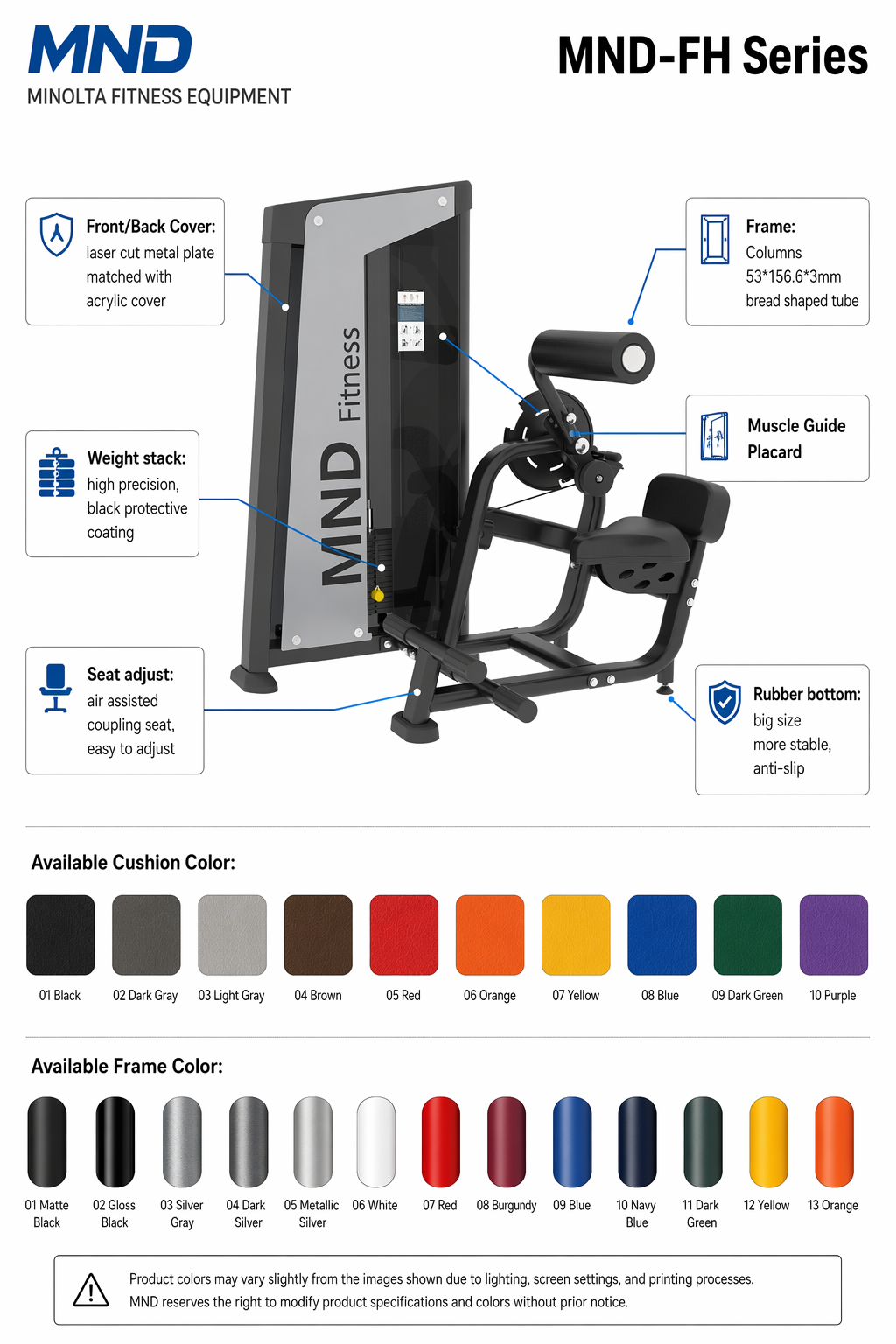
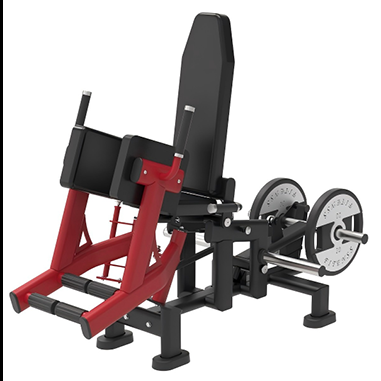
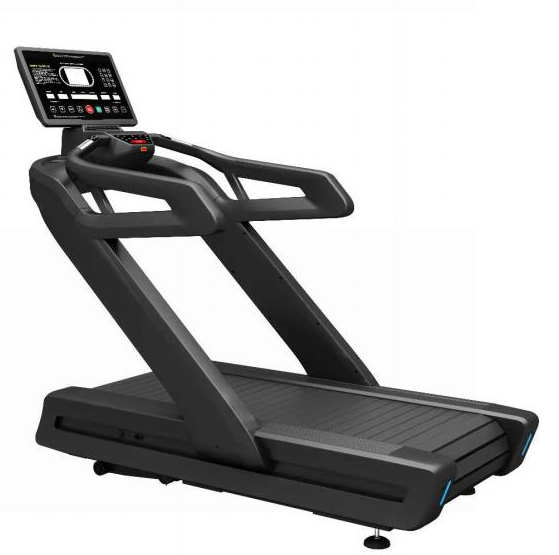
Minolta Fitness organizes its portfolio into recognizable product families rather than a loose collection of models. That is useful for procurement planning. The company lists several Strength Series groups, including MND-AN, MND-FM, MND-FH, MND-FS, MND-FB, MND-E Crossfit, MND-F, MND-FF, MND-G, and MND-H. It also offers Cardio Series options such as MND-D exercise bikes and treadmills in the X500, X600, and X700 ranges.
For a buyer, the value of this kind of structure is simple: it helps match equipment to training zones. A strength floor may need selectorized machines, plate-loaded stations, and functional training solutions. A cardio area may need bikes and treadmills with different user profiles in mind. When a supplier can speak in series rather than isolated models, it is usually easier to standardize the look of a facility and keep the user experience consistent.
This is also where the phrase premium fitness machines can be misleading if it is used too casually. Premium is not only about appearance. It should mean dependable construction, sensible ergonomics, and enough variety to support real commercial use. Buyers should ask what makes one series different from another, and whether the supplier can explain those differences in terms of users, not just model numbers.
Strength, cardio, and the middle ground
Strength training equipment
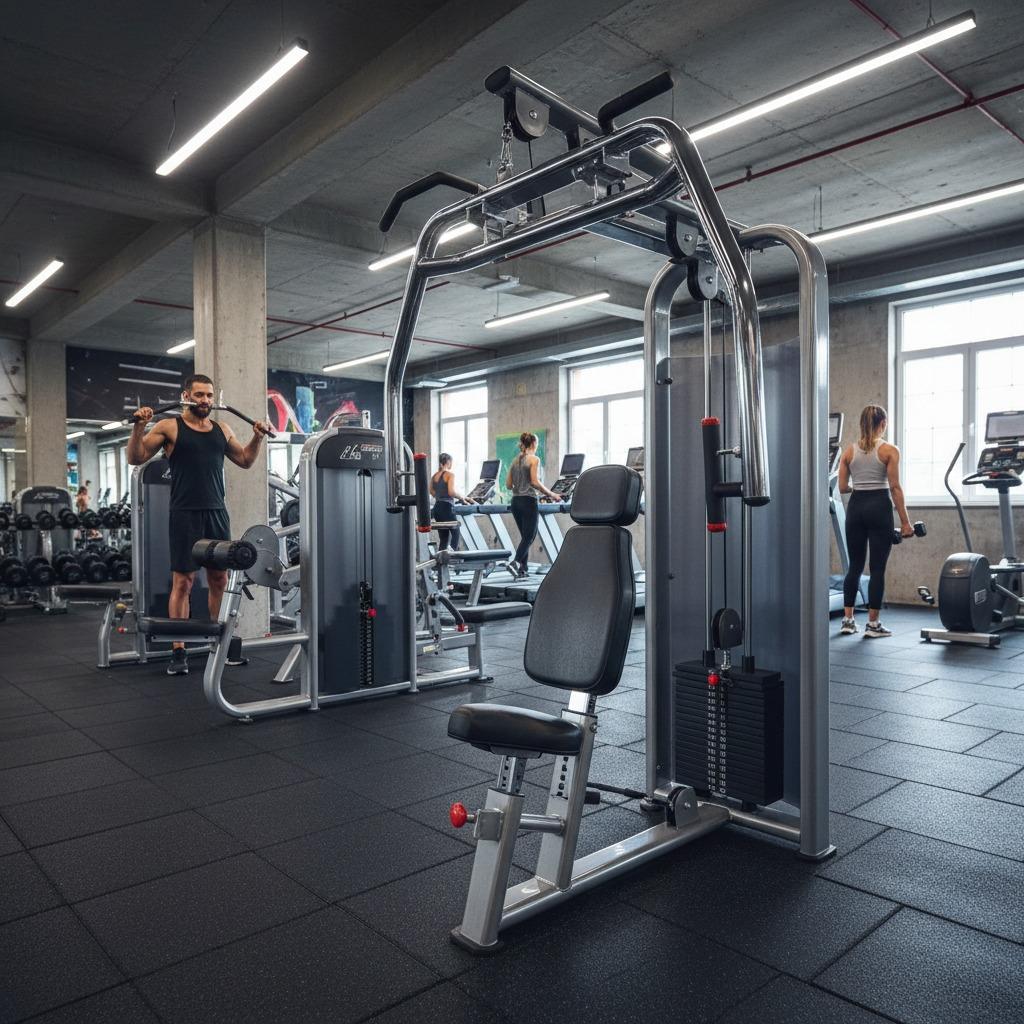
Strength machines are usually where operators notice quality differences fastest. Seat travel, start resistance, handle placement, and range of motion all affect how welcoming the machine feels to first-time users and experienced lifters alike. If the equipment is part of a public gym, the machine has to be intuitive. If it is for a performance center, it has to feel stable under repeat load. That is why strength training equipment deserves careful review rather than a quick catalog skim.
Minolta’s strength families suggest coverage across different training styles, including conventional machine-based work and functional or CrossFit-oriented use. For buyers, that is useful if the project needs both general fitness and more athletic training zones.
Cardio series
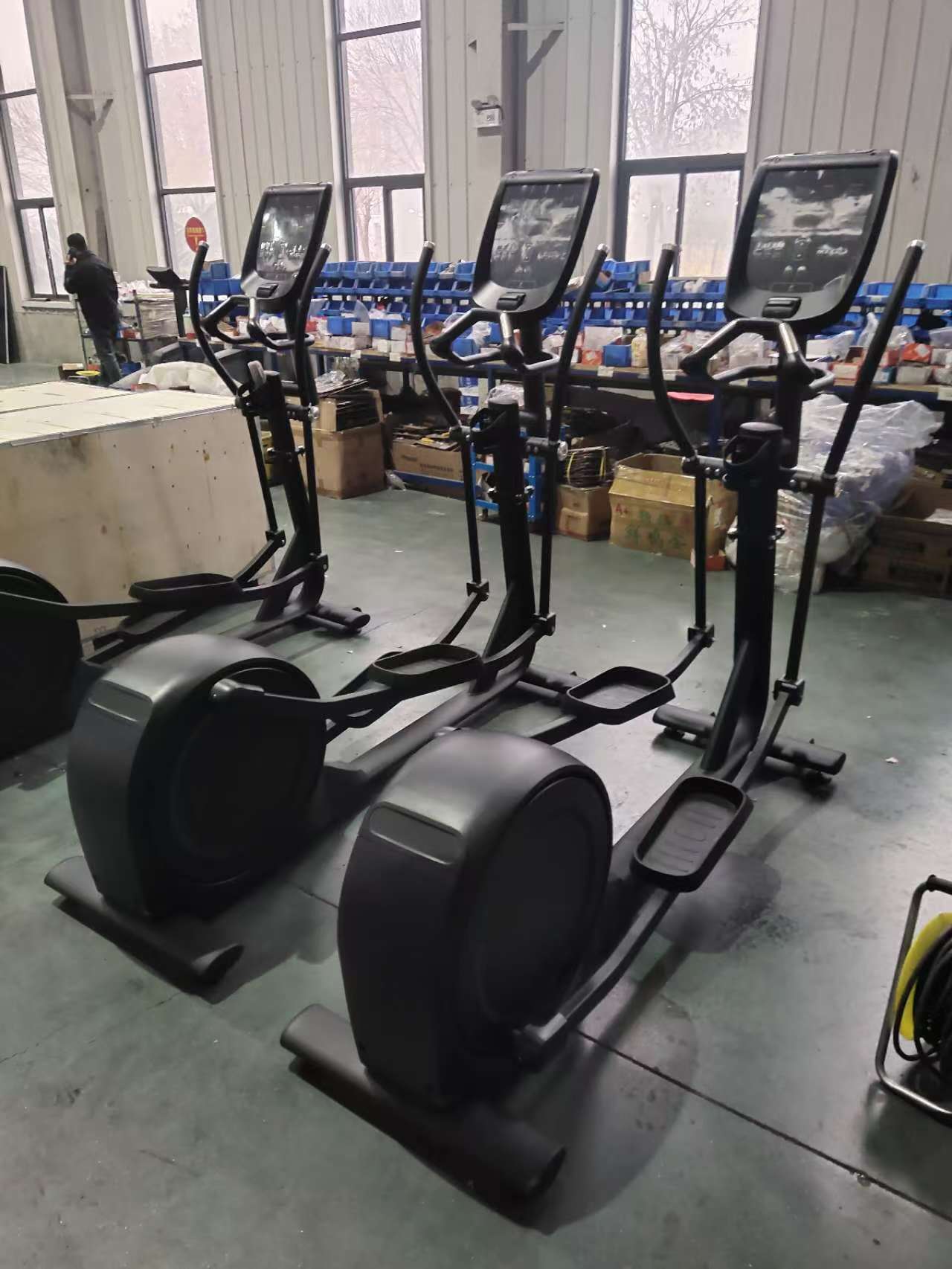
Cardio procurement tends to be more sensitive to user comfort and maintenance. Treadmills and exercise bikes have moving parts, electronics, and high daily usage. Buyers should look at ease of cleaning, display logic, service access, and how the machine holds up in humid or high-traffic environments. The MND-D exercise bikes and the X500, X600, and X700 treadmill lines give Minolta a practical entry point into that part of the market.
For operators comparing commercial gym equipment, cardio machines are often the first items members notice and the first items staff have to maintain. A treadmill deck that feels solid on day one but becomes noisy or unstable later can damage a club’s reputation faster than a poorly chosen bench or rack. That is a small but expensive reality.
How to evaluate a supplier from Shandong without getting lost in the catalog
The best way to compare suppliers is to work backward from the facility plan. Start with your user base, then your floor plan, then your duty cycle. A hotel gym needs compact, user-friendly machines. A corporate wellness room may need a different mix. A commercial club may need heavier frames, broader adjustment ranges, and more resilient upholstery.
When reviewing Shandong fitness equipment, ask for clear answers to a few practical questions: Which product families are best suited to heavy use? How does the supplier support batch consistency? Can the supplier mix cardio and strength orders in one program? What documentation accompanies export shipments? Even if the answers are straightforward, the conversation tells you a lot about how the company works.
Minolta’s 120,000-square-meter facility and stated export history to more than 100 countries across Europe, Africa, the Middle East, South America, and Southeast Asia suggest a company with international shipping experience. That does not remove the need for due diligence, but it does indicate familiarity with different market expectations and purchasing patterns.
Common mistakes buyers make
The first mistake is treating all commercial gym equipment as interchangeable. It is not. A machine may look robust but still be awkward for the target user group. The second mistake is overbuying on visual appeal and underbuying on serviceability. A polished powder coat will not help much if a technician cannot access a worn component easily.
A third mistake is assuming that one line of equipment can serve every market segment. In reality, a school, a private club, a hotel, and a performance facility often need different combinations of machines. The supplier should be able to support that variation without forcing awkward compromises. This is where a broad catalog can help, but only if the product families are actually coherent.
Another practical warning: do not rely on images alone. Catalog photography can hide details such as handle spacing, adjustment mechanisms, console readability, and the overall footprint of a machine. Those small differences matter when you are trying to fit a floor plan or manage user flow.
Where Minolta Fitness fits in a sourcing strategy
For buyers looking at Minolta Fitness, the company appears positioned as a broad-line manufacturer rather than a narrow specialist. That can be helpful if you are consolidating vendors or trying to keep a project consistent across multiple zones. The ability to source more than 300 types of exercise equipment may make planning easier, especially for distributors and project installers who need a stable supply relationship.
If your goal is to build out a complete floor with mixed categories, the combination of strength, cardio, and broader commercial gym equipment options is a practical advantage. If your goal is a very specialized performance lab, you would still need to verify whether the relevant series fit your use case. A wide catalog is useful, but not every product line serves every buyer equally well.
FAQ for buyers comparing Shandong suppliers
Is Shandong a good sourcing region for fitness equipment?
For many buyers, yes. The region’s hardware and fabrication background supports a strong manufacturing base. The real question is not the geography alone, but whether the supplier has stable production, sensible product design, and a clear quality process.
What should I ask before placing a commercial order?
Ask about product families, packaging, export experience, support for mixed orders, and how the supplier handles quality control. If you are buying premium fitness machines, also ask for details that affect daily use, not just visuals.
Can one supplier cover both cardio and strength projects?
Often yes, if the manufacturer has enough portfolio depth. Minolta’s lineup suggests that kind of coverage, with strength series and cardio series both available. The key is making sure the selected models fit your floor and your users.
What to do next
If you are shortlisting Shandong fitness equipment suppliers, start with the product families that match your project, then review the manufacturer’s production scale, quality control setup, and export background. Minolta Fitness offers a useful example of how a Shandong-based manufacturer can combine a broad catalog, a large facility, and experience serving overseas markets.
For sourcing managers and product teams, the next step is usually a simple one: compare the actual series you need, ask for detailed configuration information, and see whether the supplier can support the mix of machines your facility requires. That is where the difference between a catalog supplier and a manufacturing partner becomes clear.