


Why treadmill warranty deserves more attention than the spec sheet
When buyers compare a treadmill warranty, they usually start with the visible things: motor size, deck feel, console features, maybe whether the unit folds or offers a generous treadmill incline range. Those details matter, but warranty terms often tell you more about the real-life durability of the machine and the seriousness of the supplier. For sourcing managers, gym operators, and product teams, the warranty is not a side note. It is part of the purchase decision, the service plan, and the long-term cost picture.
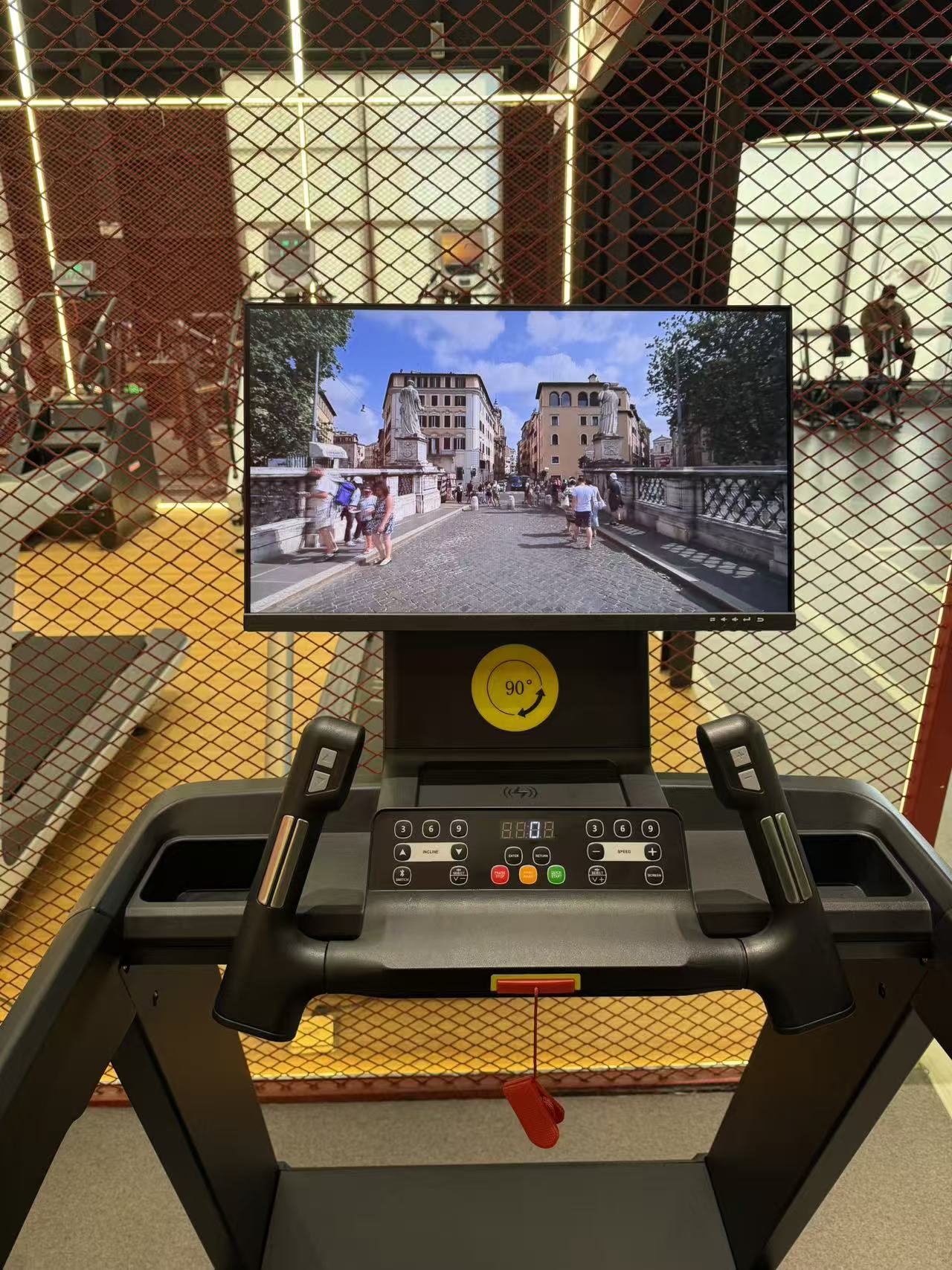
That matters even more when the treadmill is destined for regular use. A treadmill for home may need a different level of support than a treadmill commercial unit that runs for hours a day. The wrong warranty can turn a decent machine into an expensive headache. The right one can make the difference between predictable ownership and a stream of complaints, parts delays, and avoidable downtime.
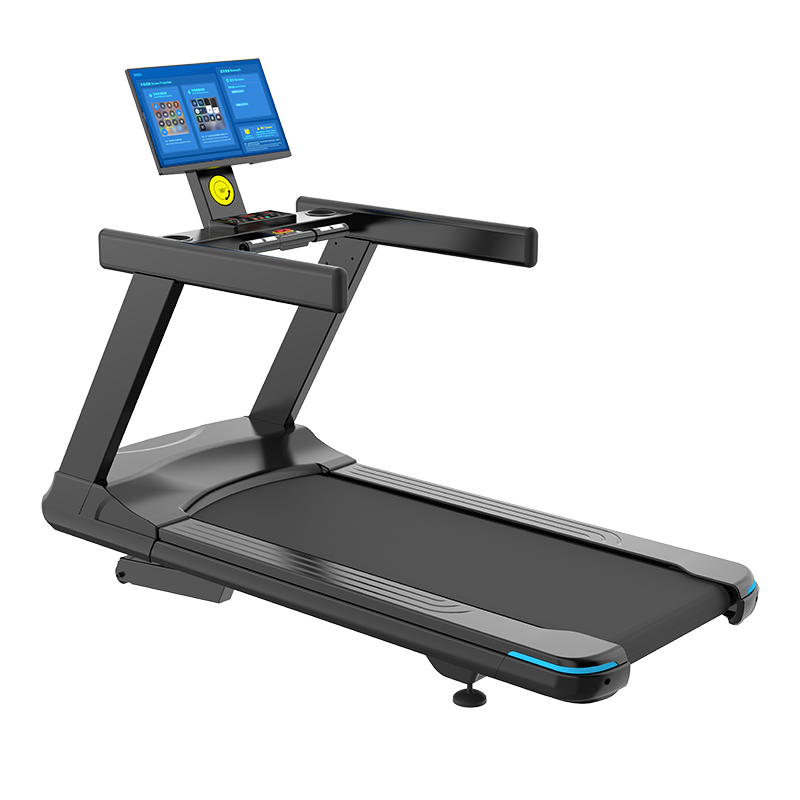
Shandong Minolta Fitness Equipment Co., Ltd., better known as MND FITNESS, sits in that practical space between product and support. With more than a decade in the fitness equipment sector, a 120,000-square-meter facility, and a lineup that includes the MND-X500, X600, and X700 treadmills, the company is positioned as a manufacturer that understands both equipment design and the realities of after-sales service. That combination is worth paying attention to when warranty language comes up.
What a treadmill warranty actually tells you
A warranty is not just a promise to replace a broken part. In manufacturing terms, it is a signal about confidence in materials, assembly, and quality control. If a supplier is willing to stand behind the frame, motor, electronics, rollers, and wear parts under defined conditions, that usually means the product was designed with serviceability in mind.
For buyers, the practical question is simpler: what risk are you taking on, and who carries it? A strong warranty reduces uncertainty. A vague warranty shifts labor, shipping, and downtime back to the buyer. And the fine print matters. Some agreements cover structural parts but leave wear items or labor out of scope. Others sound generous until you look at exclusions for misuse, installation errors, or commercial use in a home-grade machine.
This is where many projects get tripped up. Teams compare treadmills by feature set, then discover later that the warranty does not match the way the equipment will actually be used. A treadmill folding model selected for space savings may be fine for a small apartment, but if the buyer expects it to handle continuous use in a shared office or boutique studio, the warranty terms need to reflect that reality.
Quick reference: the warranty questions that matter most
Before you settle on a supplier, ask a few direct questions. They are not glamorous, but they save time.
What parts are covered, and for how long? Is the motor treated differently from the frame or electronics? Does the warranty apply to treadmill commercial use, or only to lighter-duty environments? Who pays shipping for replacement parts? Is labor included or excluded? Are there service procedures you must follow to preserve coverage? And if the unit has treadmill incline functionality or a folding mechanism, are those components treated as normal wear points?
These questions are especially important in cross-border sourcing. A warranty is only useful if the supplier can actually support it across your market. MND FITNESS notes exports to more than 100 countries across Europe, Africa, the Middle East, South America, and Southeast Asia, which suggests experience with varied buyer expectations and shipping conditions. That does not replace careful contract review, but it does indicate a manufacturer accustomed to international after-sales realities.
Commercial-grade and home-use treadmills do not age the same way
One of the most common mistakes is treating every treadmill as if it lives in the same environment. It does not.
A treadmill for home typically sees shorter sessions, fewer users, and more predictable operating conditions. A treadmill commercial unit is exposed to heavier traffic, varied body weights, longer duty cycles, and a much higher chance of inconsistent maintenance. That difference should affect not only the machine selection but the warranty discussion itself.
Commercial buyers should look closely at frame construction, drive system robustness, cooling, console durability, and service access. Home buyers, on the other hand, may care more about compact storage, treadmill folding designs, noise control, and whether the warranty is straightforward enough to be useful if something goes wrong. The point is not that one market is easier. It is that the support plan has to fit the use case.
MND FITNESS offers both cardio and strength equipment, including treadmills within the Cardio Series. That broader manufacturing scope matters because a supplier with in-house quality control and a manufacturing workshop is usually better placed to maintain consistency across product lines than a pure trading company. Buyers do not need perfection. They need a clear path when parts are required, and a warranty that is built around actual equipment usage rather than marketing language.
How warranty terms connect to design details
Warranty quality is often linked to the way a treadmill is built. A well-designed deck system, stable frame, and sensible electronics layout reduce failure points. A treadmill incline mechanism, for example, should be engineered for repeatable movement without excessive strain on the drive system. Folding systems need robust hinges and secure locking, because weak mechanical interfaces tend to show up later as complaints about wobble, noise, or misalignment.
In other words, warranty and product design are not separate conversations. They are two sides of the same manufacturing question. If a supplier has invested in a quality control lab and a structured production environment, that usually supports more dependable product behavior in the field. MND FITNESS says its facility includes a manufacturing workshop, quality control lab, and exhibition hall, which suggests a mature production setup. That is useful because warranty support is easier to deliver when production discipline already exists.
Still, buyers should avoid reading too much into broad claims. A large factory does not automatically equal a strong warranty, and a broad warranty does not guarantee trouble-free ownership. The useful approach is to connect the paperwork to the product architecture and the intended workload.
Common warranty mistakes buyers make
The first mistake is focusing on the headline duration and ignoring the exclusions. A ten-year frame warranty sounds impressive, but if key electronics or labor are excluded, the coverage may be less helpful than a shorter, better-balanced plan.
The second mistake is assuming a treadmill folding feature makes the machine easier to support. Folding can be helpful in small spaces, but mechanical complexity adds another area that needs verification. Locks, hinges, and transport wheels should all be checked for practical durability, not just convenience.
The third mistake is buying a machine with treadmill incline features that are more advanced than the buyer’s service capability. If the local team cannot diagnose or replace incline components efficiently, downtime gets expensive fast.
The fourth mistake is treating all suppliers the same. Manufacturers with over a decade in the sector and a documented export footprint often have more predictable spare-parts handling than sellers who only assemble orders. That is not a blanket rule, but it is a useful bias when evaluating vendors.
What sourcing teams should ask before issuing a PO
Purchasing teams should push for specific answers, not general reassurance. Ask how warranty claims are logged. Ask whether there is a standard process for parts identification. Ask what evidence is required for a claim. Ask how quickly the supplier can ship replacements, and whether assemblies or individual components are supplied. If the treadmill commercial order is for a chain or multi-site rollout, ask whether the same warranty terms apply across all locations.
It is also worth asking about product consistency across series. MND FITNESS has multiple strength series and cardio series products, which can be an advantage if it means the manufacturer has internal discipline around component sourcing and assembly practices. Buyers do not need every detail of the factory floor, but they do need enough information to judge whether the supplier can support the machine after installation.
A practical aside: if a vendor is reluctant to explain the warranty in plain language, that is usually a warning sign. The issue may not be the coverage itself, but the difficulty of getting a clean answer when something breaks.
FAQ: short answers buyers usually want first
Is a longer warranty always better?
Not necessarily. A longer warranty with narrow coverage can be less useful than a shorter one that clearly covers the parts most likely to fail in real use.
Does a folding treadmill need special warranty attention?
Yes. The folding mechanism is a moving structural feature, so buyers should confirm how hinges, locks, and lifting components are treated.
Should commercial buyers use the same warranty standard as home buyers?
No. Treadmill commercial applications generally demand stronger support, clearer parts availability, and better service documentation.
What should home buyers prioritize?
For a treadmill for home, clarity matters most: simple coverage terms, easy claim steps, and support for the components used most often.
The buying decision the warranty helps you make
At the end of the day, treadmill warranty language helps answer a simple question: is this a product you are buying, or a problem you will later inherit? For engineers and sourcing teams, that distinction matters. The machine spec tells you what the treadmill can do today. The warranty tells you how the supplier expects it to survive tomorrow.
Manufacturers such as Shandong Minolta Fitness Equipment Co., Ltd. that combine a wide product range, established production capacity, and export experience tend to offer a more credible support conversation than vendors who only talk about features. Their MND-X500, X600, and X700 treadmill line, along with a broader cardio and strength portfolio, gives buyers a starting point for comparing equipment that is designed for different use cases and service expectations.
If you are evaluating a new purchase, do not treat the warranty as paperwork to review later. Put it on the same table as frame design, incline performance, folding structure, and intended usage. That is the cleaner way to buy a treadmill that will still make sense after the first year of ownership, which is usually when the real costs start to show.
For buyers planning a commercial rollout or a private-label project, the next step is straightforward: request the warranty terms alongside the product specification, then compare them line by line against the actual duty cycle you expect. That small discipline tends to separate reliable supply partners from expensive surprises.