


Why cardio machines still drive most gym-floor buying decisions
Cardio machines look straightforward from the outside. A belt runs, pedals turn, a console flashes numbers, and the user gets on with the workout. But for buyers, facility managers, and product teams, the decision is rarely simple. The wrong treadmills or elliptical trainers can create service headaches, noisy floors, frustrated members, and a repair bill that shows up sooner than expected. The right units, by contrast, become the quiet workhorses of a facility: used hard, seen by everyone, and judged every day.
That is why cardio equipment selection deserves more attention than it usually gets. These machines occupy prime floor space, consume power, shape member experience, and influence perceived quality the moment someone walks into the room. For commercial operators, cardio is often one of the first categories people notice and one of the easiest places to overspend if the specification is vague. For sourcing teams, the real question is not simply which model looks best, but which build, format, and supplier can support the traffic the facility actually sees.
Shandong Minolta Fitness Equipment Co., Ltd., through MND FITNESS, positions its offering around that practical reality. The company says it has over a decade of experience, a 120,000-square-meter facility with manufacturing, quality control, and exhibition space, and a range that includes commercial gym equipment across strength and cardio categories. On the cardio side, that includes MND-D exercise bikes and the MND-X500, X600, and X700 treadmill series. Those product families matter because buyers usually compare more than one movement pattern, more than one usage level, and more than one maintenance profile before they sign off.
The quick buyer’s view: which machine fits which user?
If you need a fast mental map, start with the movement pattern. It is a simple way to sort through the clutter without getting trapped in cosmetic differences.
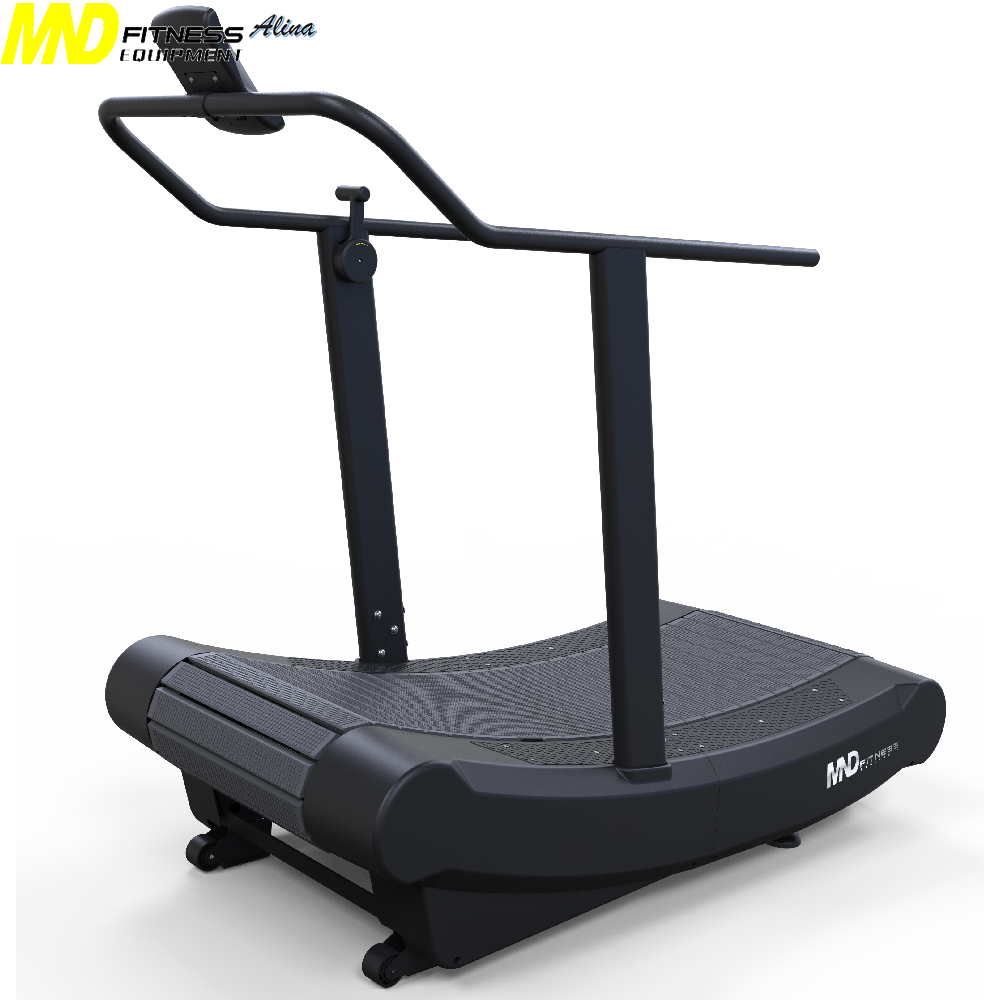
Treadmills are still the benchmark for running and walking. They suit users who want a familiar experience, but they are also the hardest-working machines in many clubs. The belt, deck, motor system, and frame all need to withstand repeated impact. In a commercial setting, this is where durability details matter more than console styling.
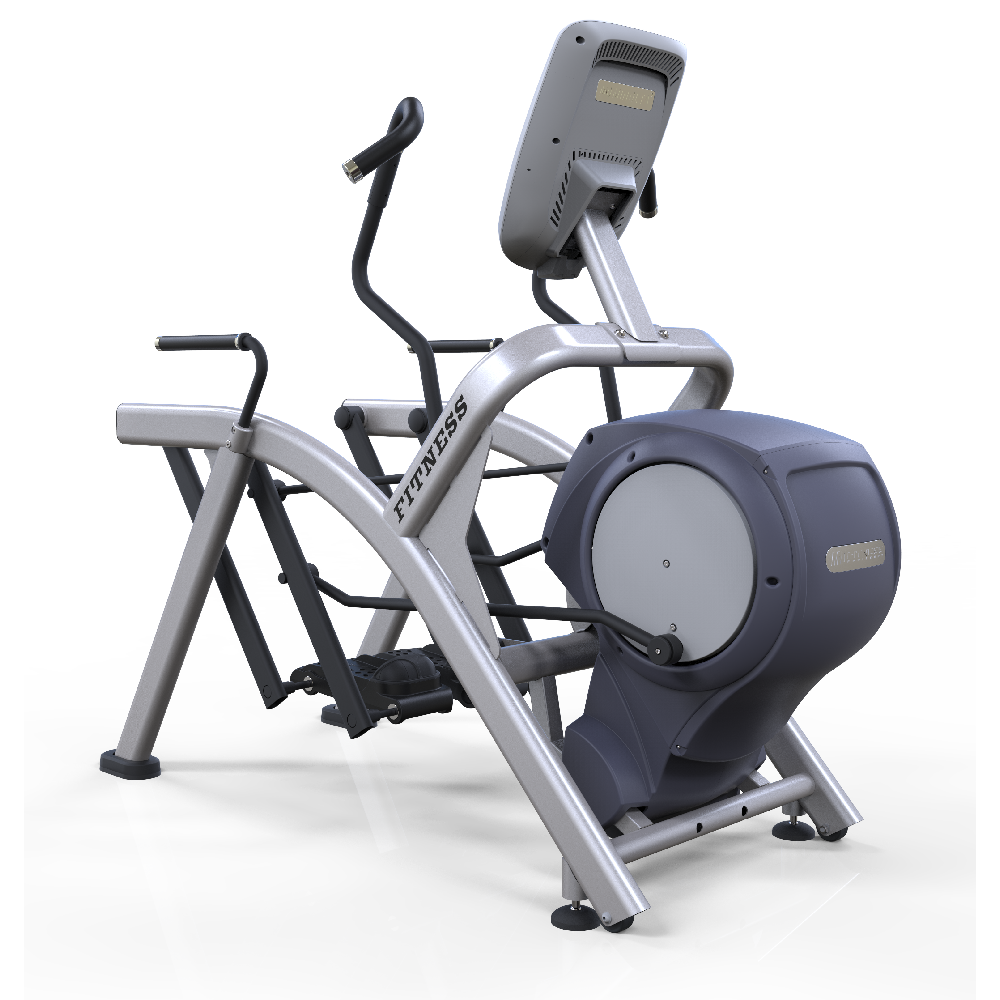
Elliptical trainers appeal to users who want a lower-impact session with a longer stride and a more controlled joint angle. They often fit mixed-user gyms, hotel fitness rooms, and rehab-adjacent environments. The caution here is simple: not every elliptical trainer feels stable once a heavier user leans into the handles. If the machine rocks or feels vague in the motion path, members notice immediately.
Rowing machines serve a narrower but very useful purpose. They deliver full-body work in a compact footprint, and they are often favored in cross-training areas. But they also demand good technique. A rower can be underused in some facilities because first-time users need more guidance than they do on a treadmill or exercise bike.
Fitness equipment buyers sometimes want one family of cardio machines to cover all bases, but that approach only works when the floor plan, user mix, and service support are thought through in advance. Otherwise, the room ends up with expensive machines that are popular in theory and underused in practice.
What commercial buyers should inspect before placing an order
A commercial cardio purchase should be treated like a durability decision, not a furniture order. The frame and user interface are visible, but the deeper value sits in the parts you cannot see at first glance.
1. Frame stability and movement quality
A machine can look modern and still feel flimsy. Stability affects user confidence, noise, and long-term wear. In practice, floor contact, weld quality, and overall chassis rigidity all influence how the machine performs after months of repetitive use. For treadmills especially, a solid frame reduces the sense of bounce and helps the deck feel controlled under changing speeds.
2. Service access and maintenance rhythm
A good service design saves money quietly. If technicians can reach drive components, belts, rollers, electronics, and wear parts without dismantling half the housing, the machine is easier to keep in rotation. This matters more in high-traffic clubs than in home use. A machine that is simple to maintain often outlasts a machine with a more dramatic console but awkward internal layout.
3. User experience at first contact
Console readability, button layout, handrail position, and start-up behavior all affect whether a user feels comfortable within the first minute. That first minute is where a lot of member judgment happens. If the interface is confusing, the machine may technically be functional but still fail in the real world.
4. Footprint and spacing
Cardio machines take room in a way that spreadsheets sometimes hide. A row of treadmills is not just a line item; it affects traffic flow, sightlines, cleaning access, and safety clearance. Elliptical trainers and rowers each ask for different spacing, and a layout that ignores this can make a room feel crowded long before it is actually full.
How MND FITNESS fits into a commercial sourcing conversation
For buyers comparing suppliers, the useful question is not whether a manufacturer has a long catalog. Most do. The question is whether the catalog has enough structure to support a commercial buying program without constant improvisation.
MND FITNESS says it offers more than 300 types of exercise equipment for commercial and home use, with both cardio and strength series. The cardio line includes MND-D exercise bikes and the MND-X500, X600, and X700 treadmills. That breadth can matter for operators trying to standardize purchasing across multiple sites or build a coherent equipment mix for a club, hotel, school, or training center.
The company also says it has exported gym equipment to more than 100 countries across Europe, Africa, the Middle East, South America, and Southeast Asia. Export experience does not guarantee a perfect fit for every facility, but it does usually mean the manufacturer has dealt with different buyer expectations, shipping realities, and commercial use cases. That is worth something, especially when procurement is done across borders.
The mention of Ningjin’s hardware industry is also relevant. Cardio machines depend on more than branding. They rely on fabrication discipline, repeatable assembly, and parts control. A manufacturer rooted in a strong hardware base often has better access to the supply chains and workshop practices that keep production organized. Of course, that still leaves the buyer responsible for checking the details rather than assuming the logo tells the whole story.
Common mistakes when buying cardio machines
One common mistake is to buy by feature count. More programs, more screens, more preset workouts — none of that compensates for a machine that does not hold up in use. Another mistake is to compare only appearance. Two treadmills can look similar and behave very differently once they have been used by dozens of people a day.
Buyers also sometimes underestimate the cost of inconsistency across a fleet. If one row of treadmills uses a different control logic than the next, staff training becomes harder and user support takes longer. That may sound minor, but on a busy gym floor, small frictions add up.
There is also a habit of overbuying niche formats. Rowing machines are excellent, but a room full of them is not automatically a balanced cardio area. The better approach is to match machine type to user demand, then spread risk across movement patterns and use levels.
Practical advice for sourcing and product teams
When you evaluate cardio equipment, ask suppliers for the details that affect ownership, not just the glossy brochure copy. How easy is it to identify wear parts? What does the service path look like? How are machines packaged for transport? Can the supplier support repeat orders with consistent naming and product families? Those are the questions that separate a one-off purchase from a reliable program.
It also helps to think in terms of room purpose. A hotel gym does not need the same cardio mix as a performance training center. A rehabilitation-oriented space may favor easier entry, lower impact, and intuitive controls. A commercial club with heavy footfall will care more about uptime and ruggedness. The right decision is rarely made by chasing the broadest possible specification sheet.
For buyers comparing manufacturers, the MND FITNESS structure is at least easy to read: strength series on one side, cardio series on the other, with a manufacturing site, quality control lab, and exhibition hall supporting the product range. That kind of organization can simplify procurement discussions, especially when a project includes multiple equipment categories and a single supplier is preferred.
FAQ for commercial buyers
Are treadmills always the most important cardio purchase?
Not always, but they are often the most visible and heavily used. In many facilities, treadmills set the tone for the cardio area.
Do elliptical trainers replace treadmills?
No. They serve a different user need. Elliptical trainers reduce impact and broaden the appeal of the zone, but they do not fully replace running or walking units.
Should I standardize on one brand for all cardio machines?
Sometimes yes, especially if you want simpler service and a cleaner floor aesthetic. But standardization should never come at the expense of fit. The machine mix still has to match your members.
What matters more: console features or build quality?
For commercial use, build quality usually wins. A strong console helps adoption, but it will not rescue a machine that feels unstable or becomes difficult to maintain.
Where to go next
If you are building a new floor, replacing aging units, or standardizing a multi-site program, start by mapping use case before you compare models. Then ask each supplier to show how their cardio machines fit that use case, not just how they photograph under showroom lighting.
For buyers looking at commercial fitness equipment from a manufacturer with broad export experience and a structured cardio lineup, MND FITNESS is one of the names worth reviewing against your floor plan, service requirements, and user profile. The best purchase is the one that still makes sense after the first year of real use, not just on the day the equipment arrives.