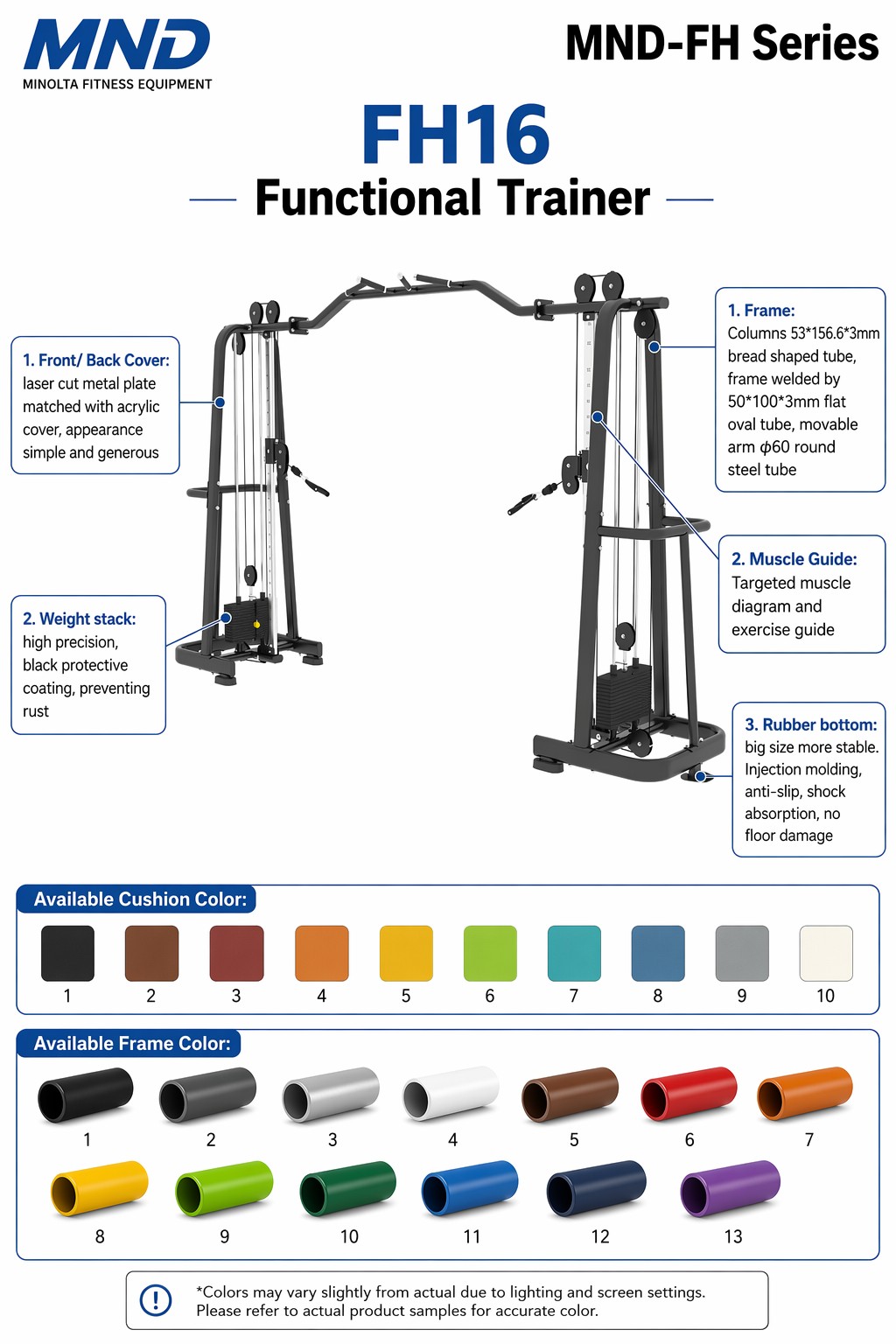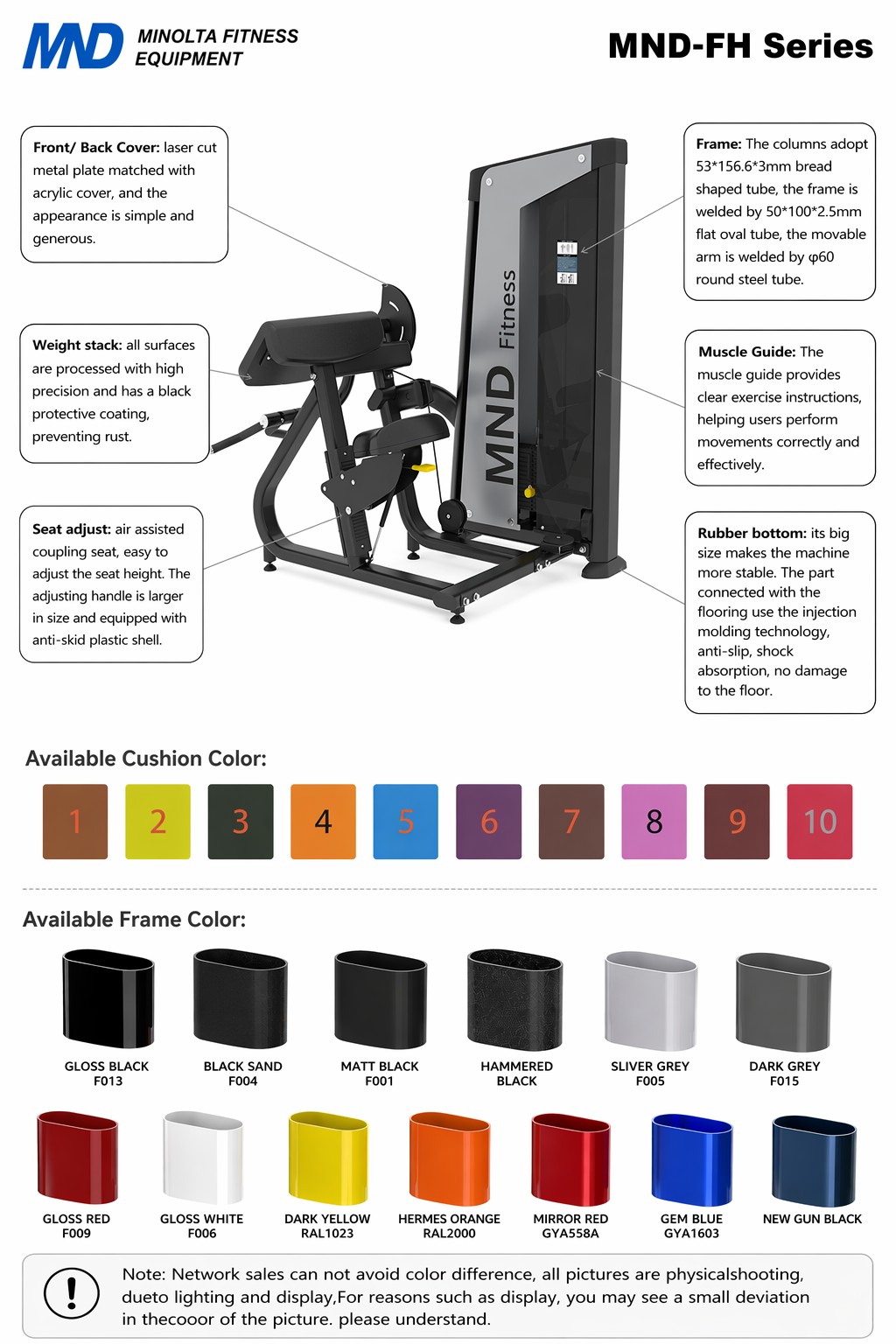



Choosing a Cardio Machine for a Commercial Gym Is Not Just a Catalog Decision
A cardio machine looks straightforward until you have to buy ten, thirty, or fifty of them for a club, hotel, school, or rehab-focused facility. Then the questions stack up fast: which frame holds up under heavy use, which console is actually readable in a busy room, how much maintenance will the floor staff tolerate, and which models will still feel relevant after the new equipment smell fades. For sourcing managers and product teams, the right cardio machine is less about a flashy spec sheet and more about uptime, user mix, serviceability, and the long tail of ownership.
That is why buyers should think beyond the obvious. A treadmill, upright bike, or elliptical is not merely a piece of fitness equipment; it is a traffic manager, a retention tool, and sometimes the first impression a member gets of the whole facility. If one machine feels unstable, noisy, or awkward to use, people remember. And if the service calls start early, operations teams remember that too.
Shandong Minolta Fitness Equipment Co., Ltd. sits in a market where that kind of decision matters. The company says it has more than a decade of experience, a 120,000-square-meter facility, and a range of more than 300 exercise equipment types across cardio and strength categories. Its cardio lineup includes MND-D exercise bikes and treadmill families such as X500, X600, and X700. Those details do not pick a model for you, but they do show the scale and specialization that commercial buyers usually want to see before they shortlist suppliers.
What Buyers Usually Mean When They Ask for a Cardio Machine
The phrase cardio machine can mean several different things depending on the setting. In a hotel gym, buyers may want compact, simple equipment that guests can use without instruction. In a commercial club, durability and foot traffic matter more. In a corporate wellness room, quiet operation and easy cleaning can outweigh advanced training programs. In a school or public facility, the priority may be straightforward controls and hard-wearing parts.
That is why the first decision is not always treadmill versus bike versus cross-trainer. It is often about usage profile.
Treadmills
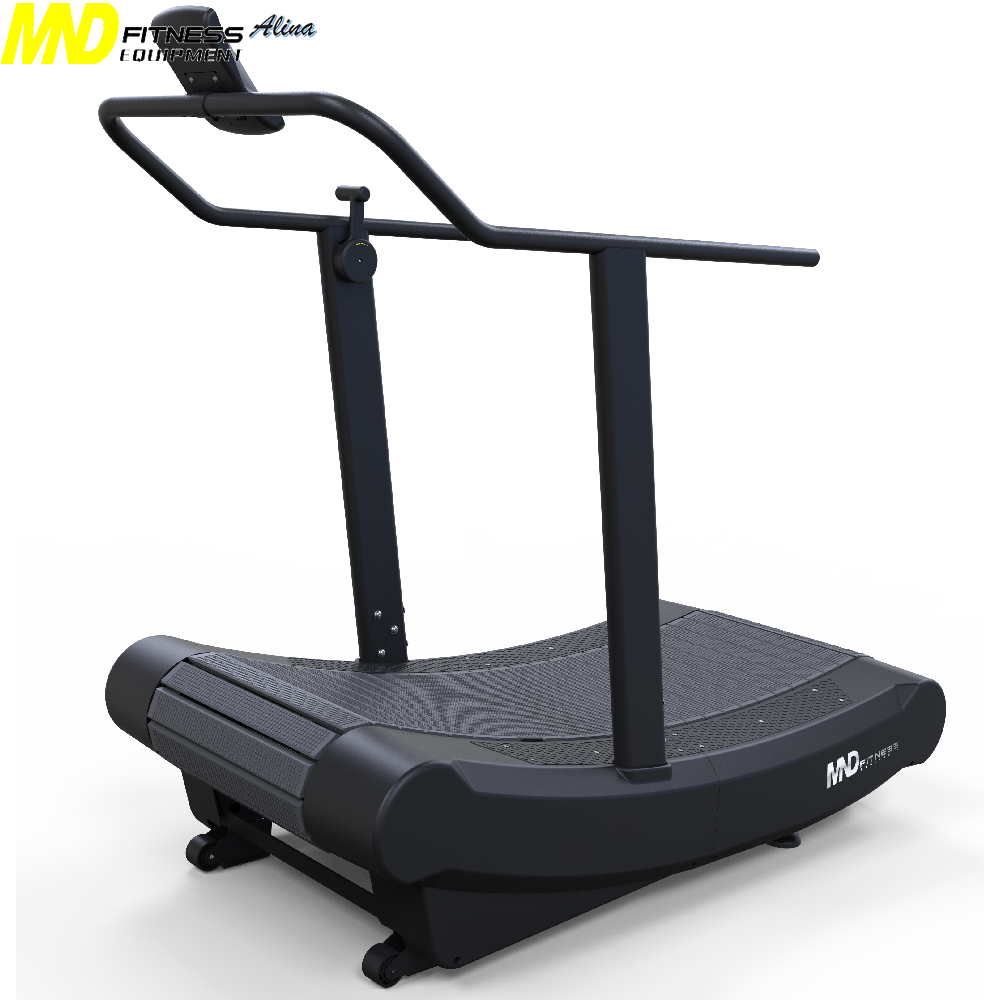
Treadmills remain the default choice for many facilities because they are familiar and broadly useful. People know how to start walking or running on one with very little coaching. But treadmills also tend to take the most punishment. Motors, belts, decks, and running surfaces all face real wear, especially where the machines are occupied most of the day. If you are comparing treadmill lines, look carefully at the stability of the frame, the feel of the deck, the simplicity of console controls, and how the machine handles repeated start-stop cycles.
Minolta’s X500, X600, and X700 treadmill series suggest a tiered approach, which can be useful for buyers who need different duty levels or feature sets across a facility. The exact fit depends on the room and user base, but a family approach often makes fleet planning easier.
Exercise bikes
Exercise bikes are often the practical workhorses of cardio floor planning. They are compact, generally easier to maintain than treadmills, and useful for a wider range of users than some buyers expect. Minolta’s MND-D exercise bikes fit into that category. For gyms that need to balance footprint and accessibility, bikes can be the quiet solution that keeps occupancy moving without crowding the room.
The key is not just resistance style or display design. Seat adjustability, frame stability, and pedal feel matter more than many first-time buyers realize. A bike that is technically “commercial” but awkward to adjust will still create complaints.
Other cardio equipment
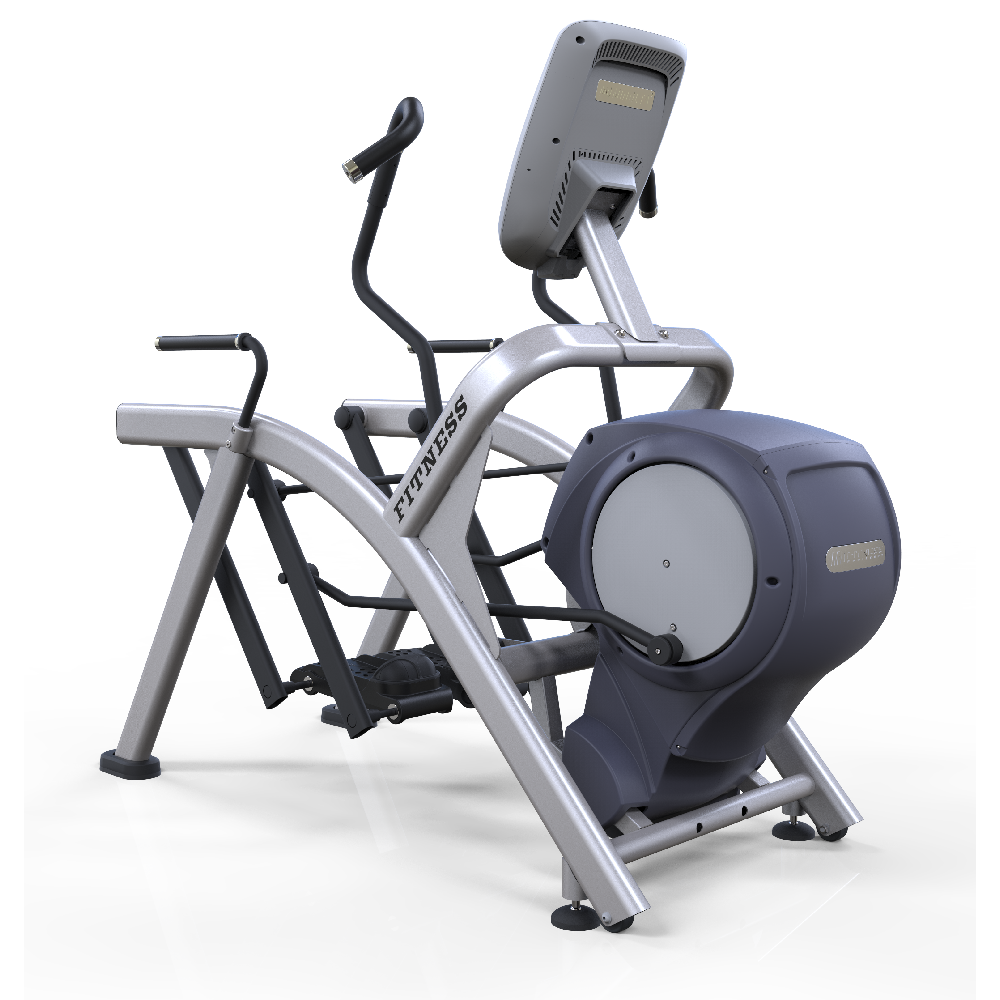
Depending on the facility, cardio equipment can also include ellipticals, step-style machines, and hybrid units. These are often chosen to diversify the floor and reduce repeat strain patterns. From a buyer’s angle, variety matters because not every member wants the same motion pattern every day. For facilities with older users or rehab-adjacent programs, a broader mix can also reduce access barriers.
What to Compare Before You Buy
There is a temptation to compare machines by display size or by the number of preset programs. That is usually the wrong first pass. A better method is to look at the less glamorous details that control cost and member satisfaction over time.
Durability and frame construction
Commercial equipment should feel planted. If a machine shifts under load, squeaks early, or shows obvious flex, it is not likely to age gracefully in a busy gym. Frame design, weld quality, and the overall rigidity of the structure matter more than glossy branding. Buyers should ask how the equipment is intended to be used: steady club traffic, light corporate use, or mixed commercial and home use. Minolta says its equipment serves both commercial and home applications, which is useful only if the specific model is chosen for the actual duty cycle.
Serviceability
Maintenance teams care about access. Can belts, covers, or panels be reached without a long teardown? Are replacement parts likely to be standardized across a product family? Is the console simple enough that front-desk staff can troubleshoot basic issues without a service ticket? These are not glamorous questions, but they determine total ownership pain.
User experience
A cardio machine succeeds when people return to it. That means the controls should be readable, the motion should feel natural, and the machine should not punish users who are new or slightly out of shape. For many facilities, the best fitness cardio machine is not the one with the longest feature list. It is the one that disappears into the background and does its job reliably.
Footprint and layout
Gym layouts are rarely as generous as the original plan suggests. Cardio units need breathing room, service access, and spacing that keeps traffic from colliding around them. Treadmills are especially demanding in this regard. Bikes are easier to cluster, but even there, access for cleaning and repairs should not be overlooked.
Why the Supplier Matters as Much as the Spec Sheet
In cardio procurement, the supplier’s manufacturing depth can be as important as the individual product name. Minolta’s facility scale, quality control lab, and exhibition hall suggest a manufacturer that can present a broader catalog and support different order profiles. For buyers, that can simplify sourcing if the goal is to standardize machines across a chain or match cardio with a larger strength program.
The company also says it exports to more than 100 countries across Europe, Africa, the Middle East, South America, and Southeast Asia. That kind of geographic spread does not automatically guarantee a perfect fit for every market, but it often signals that the manufacturer has dealt with different buyer expectations, room sizes, and commercial use cases.
A practical warning here: global reach is useful, but it does not replace a sample review. A supplier can be experienced and still not be the best match for your floor, your maintenance team, or your brand positioning. Always evaluate the actual unit, not just the range.
Common Buyer Mistakes
One mistake is overbuying features. If the console is so complex that members ignore it, you paid for a distraction. Another is underestimating service access. A machine can look durable in a showroom and still become annoying once it needs routine maintenance in a crowded facility.
Another frequent error is choosing an entire fleet from a single appearance preference. Matching frames and screens can make a room look neat, but uniformity should not override function. A hotel gym may benefit from a simplified set. A high-traffic commercial club may need a more varied mix of treadmills and bikes to spread use across equipment types.
A smaller but costly mistake is ignoring the space between machines. Crowding cardio units makes them feel cheaper, even when they are not. Users notice elbow room, especially during peak hours.
Practical Buyer Advice for Sourcing Teams
If you are building a shortlist, start with the use case and work backward.
For a new club, ask which units will take the heaviest daily load and which ones need to be easiest to clean. For a hotel, prioritize intuitive operation and a footprint that fits the room without turning it into a storage aisle. For a school or community facility, durability and uncomplicated operation usually beat fancy software.
When discussing options with a manufacturer like Minolta, it helps to ask for product family consistency, compatibility across parts where possible, and clarity on how the cardio line differs from the strength series. The broader the catalog, the easier it can be to build a coherent package, but only if the supplier can explain where each model sits in the range.
If your team is comparing cardio aparatu from several vendors, keep the discussion grounded in use: who will use it, how often, how long each session lasts, and who fixes it when something goes wrong. Those questions do more for procurement than a stack of marketing photos.
Quick Takeaways for Decision-Makers
The best cardio equipment is not chosen by instinct alone. It is chosen by matching machine type to user profile, then checking durability, serviceability, and room fit.
Treadmills are versatile but demand more from the floor and maintenance team. Exercise bikes are efficient and often easier to manage. Mixed cardio floors usually work better than one-note lineups.
A manufacturer with a broad catalog, commercial experience, and visible production capacity can reduce sourcing friction, but the final decision still needs hands-on evaluation. If a machine will be used daily, you want to know how it behaves after the first month, not just on delivery day.
FAQ
Is a cardio machine suitable for both commercial and home use?
Sometimes, yes, but only if the specific model is designed for the duty level you need. A machine that works well in a home setting may not survive commercial traffic without faster wear.
Should I choose treadmills or bikes first?
If space and maintenance are tight, bikes are often the easier starting point. If your members expect running and walking options, treadmills are still essential. Most facilities need both.
What should I ask a supplier before placing an order?
Ask about product families, service access, consistency across units, and how the equipment is intended to be used. If the supplier can explain the differences between models clearly, that is a good sign.
How important is the manufacturer’s scale?
Scale matters because it often affects catalog depth, production consistency, and support capacity. It is not the only factor, but it is rarely irrelevant.
Next Step for Buyers Planning a New Cardio Floor
If you are comparing a cardio machine lineup for a facility buildout or refresh, start with the floor plan and user profile, then request model-specific details from the supplier. For buyers looking at a broader commercial package, Minolta’s mix of cardio and strength series may be worth reviewing alongside the specific treadmill or exercise bike family you need. The goal is not to buy the biggest catalog. It is to buy equipment that holds up, fits the room, and gets used without complaint.