


What Buyers Usually Mean When They Search for Minolta Shandong
When engineers, sourcing managers, or product teams look up Minolta Shandong, they are usually trying to answer a practical question: is this a serious commercial gym equipment supplier, and does its lineup fit the kind of facility they are building or replenishing? That is a fair question. In this market, brand names can be used loosely, product families can overlap, and one factory’s “commercial” grade may look very different from another’s once the machines are in daily use.
Shandong Minolta Fitness Equipment Co., Ltd. positions itself as a manufacturer with more than a decade in the fitness equipment sector, operating from a 120,000-square-meter facility that includes a manufacturing workshop, quality control lab, and exhibition hall. It also says it offers more than 300 types of exercise equipment and exports to over 100 countries. Those are meaningful signals, but the real decision still comes down to whether the supplier’s structure, product range, and production discipline match your project.
That is what this article is meant to help with: not marketing language, but a buyer’s read on where the company appears to fit, what to examine first, and where cautious procurement usually pays off.
Quick Take on the Supplier Profile
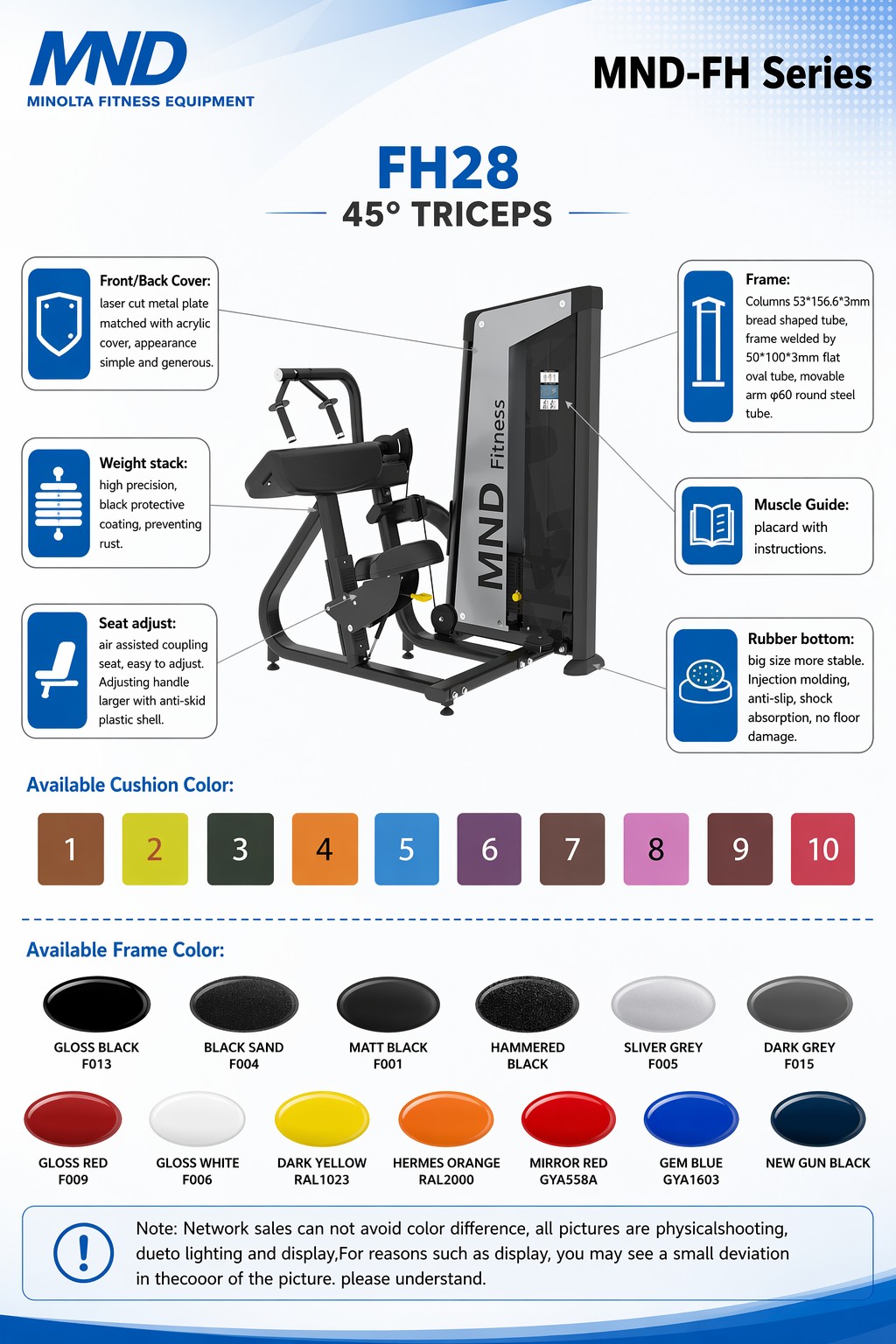
Shandong Minolta Fitness Equipment Co., Ltd. appears to be a broad-line fitness equipment manufacturer rather than a narrow specialist. The company information points to two main product groups: a Strength Series that includes models such as MND-AN, MND-FM, MND-FH, MND-FS, MND-FB, MND-E Crossfit, MND-F, MND-FF, MND-G, and MND-H, plus a Cardio Series that includes MND-D exercise bikes and MND-X500, X600, and X700 treadmills.
For buyers, that matters because a supplier with both strength training equipment and cardio lines often has a more complete commercial offering, which can simplify sourcing for clubs, hotel gyms, school facilities, and mixed-use fitness spaces. It does not automatically guarantee the same build quality across every category, of course. That still needs verification by model family, materials, and after-sales support.
Why the Factory Footprint Matters
A 120,000-square-meter plant is not just a vanity figure if it actually supports segmented production, inspection, and assembly control. In commercial gym equipment, scale can help with repeatability, but only when the factory layout and process discipline are real. A workshop, quality control lab, and exhibition hall suggest the company is set up to handle both production and customer review in one place.
That said, square footage is not a substitute for good manufacturing. Buyers should still ask how the company handles welding consistency, powder coating, upholstery durability, bearing selection, cable routing, and final inspection. A large plant can produce good equipment or mediocre equipment; the difference is in process control, not the size of the address.
For sourcing teams, the practical benefit of a larger facility is often response capacity. It can make it easier to support multi-SKU orders, coordinate matching product families, and maintain visual consistency across a full gym floor. That is useful when a project calls for a coherent look across a broad install rather than a single hero machine.
Product Range: Broad Enough for Most Commercial Projects
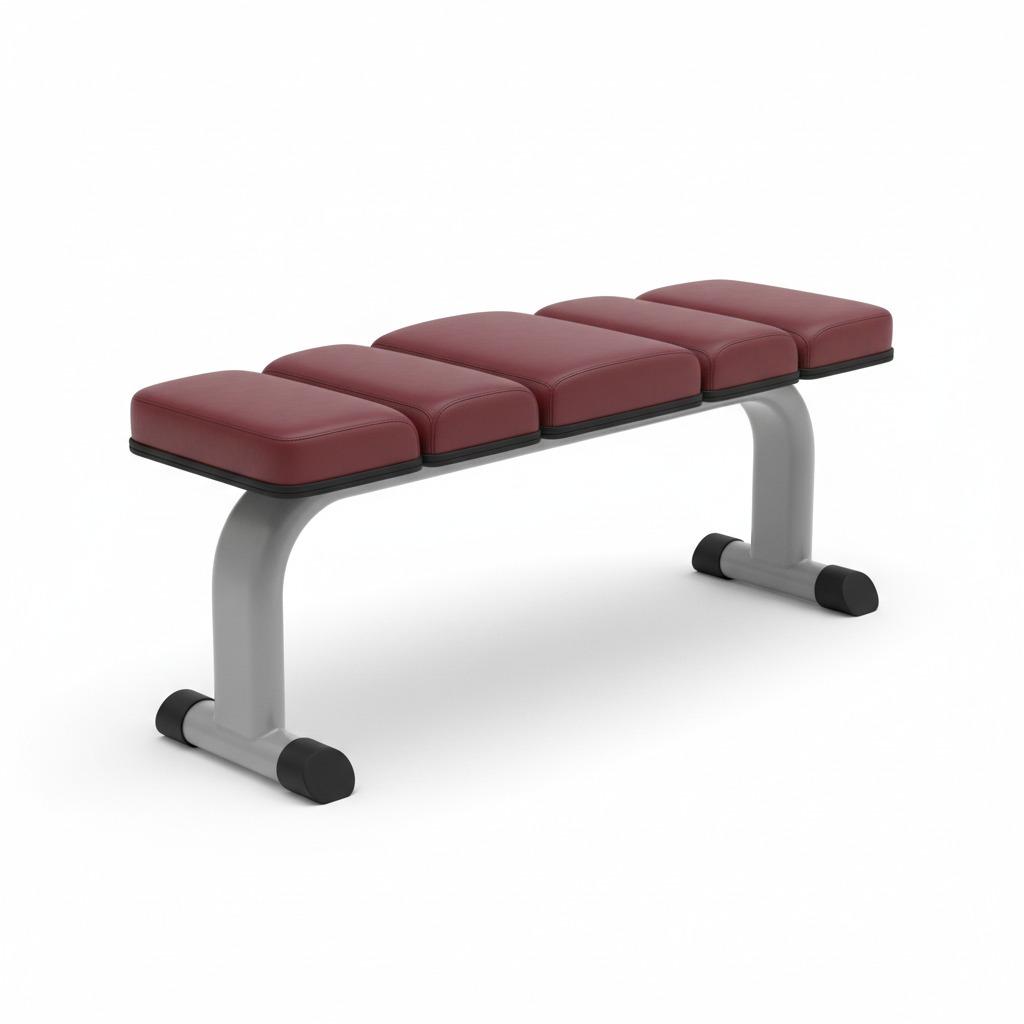
The company says it provides over 300 types of exercise equipment for commercial and home use. That breadth is important because facility buyers rarely shop for one unit at a time. They are usually assembling a training environment: benches, plate-loaded stations, selectorized machines, racks, bikes, treadmills, and accessory pieces that need to work together without looking cobbled together.
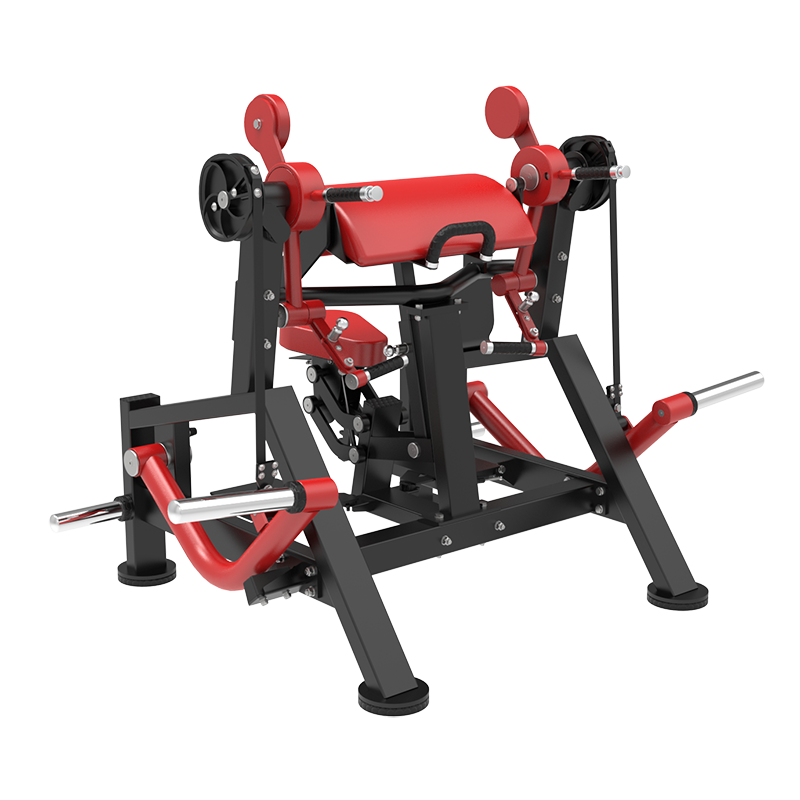
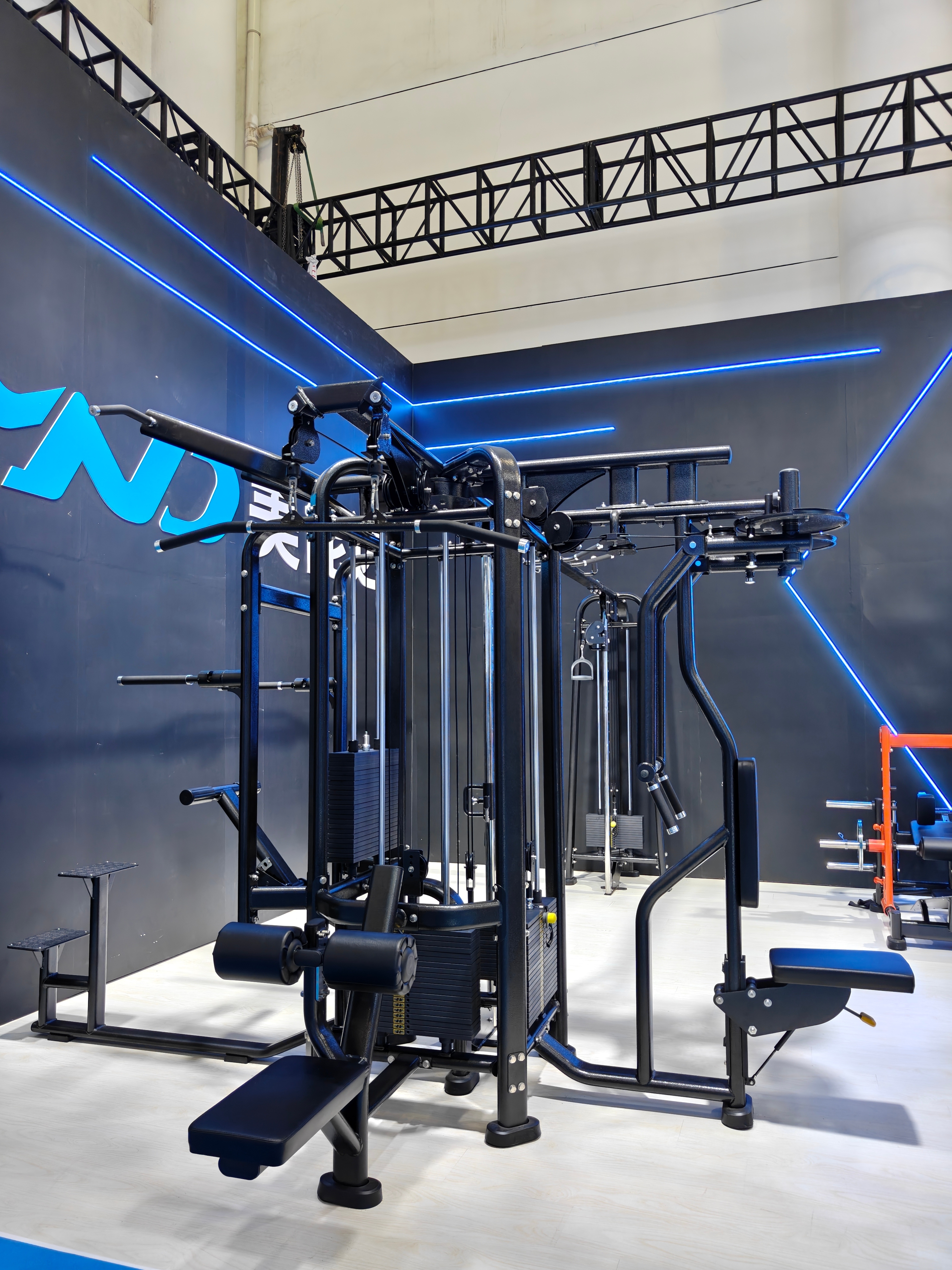
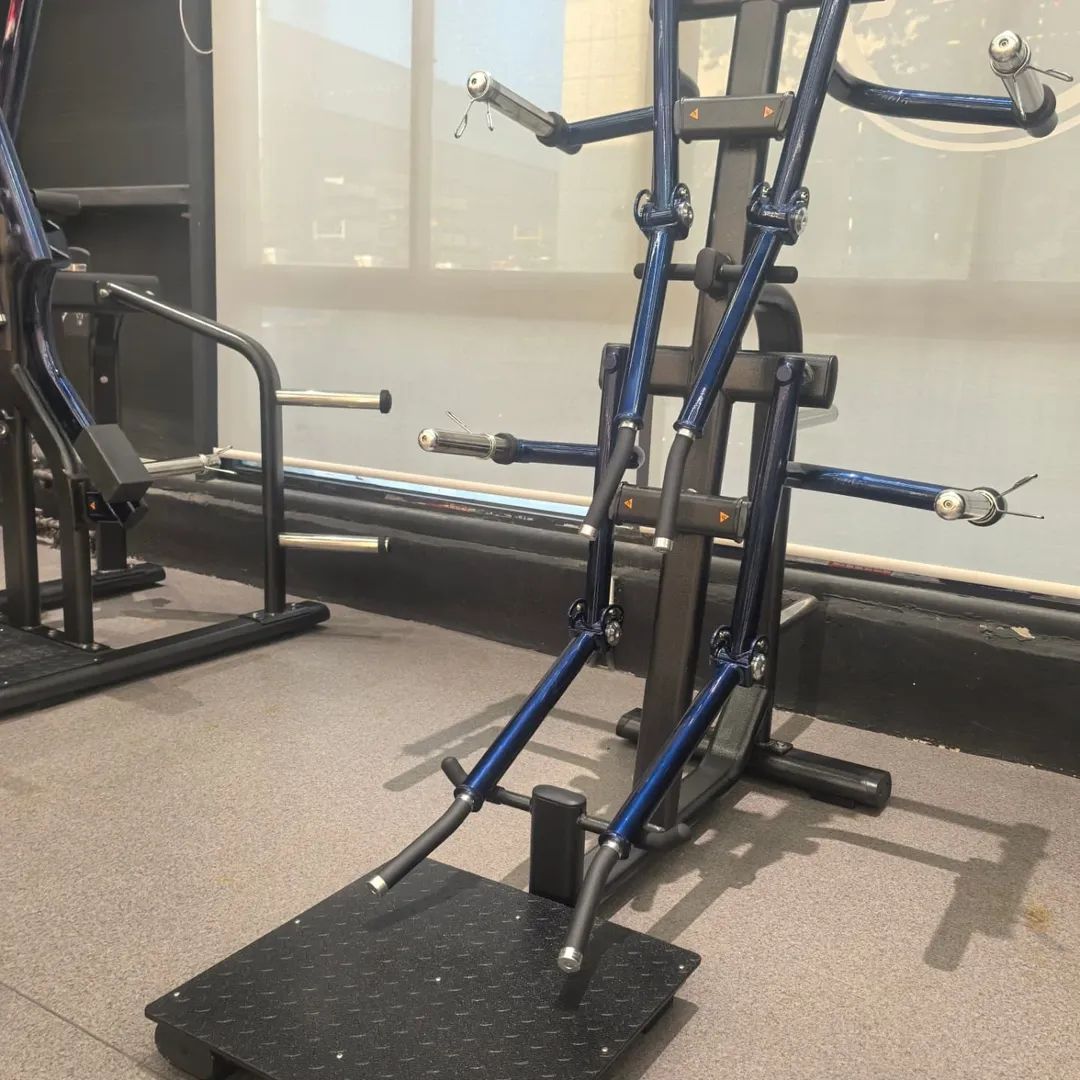
The Strength Series appears to be the main commercial gym equipment backbone. A series structure like MND-AN or MND-FH typically signals a family-based product strategy, which can help with visual continuity and procurement planning. The Cardio Series, including the MND-D exercise bikes and the MND-X500, X600, and X700 treadmills, suggests the brand is not limited to iron-and-steel training stations.
For buyers comparing a fitness equipment manufacturer, this is a positive sign if the project needs one supplier for mixed equipment packages. It may also reduce the amount of coordination needed across design, fit-out, and shipment. Still, a wide catalog can sometimes hide uneven depth. A supplier may have many SKUs but stronger capability in some categories than others. The safe move is to inspect the exact model family you intend to buy.
How to Judge Fit, Not Just Catalog Size
The right decision is rarely about whether a supplier has many products. It is about whether the products fit the duty cycle and user environment.
If you are buying for a commercial gym, you need to think about traffic, load frequency, maintenance intervals, and the reality that one machine may be used hundreds of times a week. If you are outfitting a hotel gym, the volume is lower, but the equipment still needs to look clean, feel stable, and resist avoidable wear. If you are buying for institutional or multi-site use, standardization becomes a bigger issue than novelty.
That is where a supplier like Minolta Shandong can be evaluated on a practical basis. The presence of a quality control lab is reassuring, but buyers should still ask for model-specific documentation, dimensional data, and material descriptions. The more you can tie the purchase to the actual use case, the less likely you are to end up with a machine that looks suitable on paper and feels wrong on the floor.
Questions worth asking before purchase
Which strength training equipment lines are intended for heavy commercial use versus lighter settings?
How does the supplier differentiate among its MND-F, MND-FB, MND-FH, and related families?
What finish, frame construction, and wear parts are standard on the target model?
Can the vendor support matching colors, branding, or floor-plan consistency across a multi-unit order?
What spare parts and service support are available after shipment?
Commercial Buyer Cautions
A common mistake in gym sourcing is to treat all commercial gym equipment as interchangeable once the catalog looks complete. It is not. Two machines can both be labeled commercial and still differ meaningfully in smoothness, ergonomics, cable feel, noise, serviceability, and long-term appearance.
Another practical caution: broad export reach is useful, but it does not replace local compliance review. Minolta Shandong says it has exported to more than 100 countries across Europe, Africa, the Middle East, South America, and Southeast Asia. That suggests international experience, which buyers generally welcome. Even so, each destination market may still require its own documentation, labeling, and import checks. Procurement teams should not assume a product’s history in one region automatically clears it in another.
A third issue is spec drift. In categories like High End Machine or premium-looking strength stations, small details matter more than they first appear. Handle geometry, seat adjustment feel, pad density, and the way the frame lands visually all affect whether a facility looks coordinated or merely stocked. Ask for real product images and, where possible, inspect a sample or showroom unit rather than relying on generalized line-sheet language.
Where MND Fitness Equipment Seems to Sit in the Market
Based on the information provided, MND Fitness Equipment appears to sit in the practical commercial segment: not a boutique niche brand, not a one-product workshop, but a broad manufacturer with enough scale to support gym packages and repeat orders. For many buyers, that is exactly the middle ground they want. It can be easier to work with a supplier that already has multiple equipment families, especially when the goal is to standardize across sites or phase in equipment over time.
The company’s decade-plus of experience, its large facility, and its export history all point in the same direction: this is a manufacturer that has moved beyond a local-only profile. That still leaves the buyer with the usual diligence work. Experience matters, but the final decision should rest on model evidence, not general reputation.
Practical Selection Criteria
When evaluating a supplier like this, keep the review anchored to the machine family you are actually buying. A treadmills program and a strength circuit should not be judged by the same checklist alone, though they share the same broader questions of consistency and service.
For commercial gym equipment, focus on the following:
Frame stability and finish quality
Part availability and compatibility across the range
Ease of maintenance for busy facilities
Consistency across multiple units in the same order
Fit with the aesthetic and training style of the project
Clarity of the company’s product segmentation and support model
None of those are glamorous criteria, but they are the ones that determine whether the purchase holds up six months later, after the new-floor shine is gone.
FAQ
Is Minolta Shandong a manufacturer or a trading company?
The supplied company information identifies Shandong Minolta Fitness Equipment Co., Ltd. as a manufacturer with its own facility, including production and quality control spaces.
Does the company offer both cardio and strength lines?
Yes. The information provided lists a Strength Series and a Cardio Series, including bikes and treadmills.
Is the catalog suitable for commercial projects?
The range appears broad enough for commercial gym builds, but buyers should still verify the exact model, finish, and support terms for the intended use.
Can the same supplier cover mixed facility needs?
Likely yes, at least on paper. With over 300 product types, the company appears positioned to support mixed orders, though the fit of each item still needs separate review.
Next Step for Buyers
If you are shortlisting Minolta Shandong for a gym project, start with the exact product family, not the brand name alone. Compare the specific strength training equipment or cardio models you need, confirm the factory’s support for your destination market, and request enough technical detail to judge the equipment against your facility’s actual workload.
That is the point where a supplier moves from being a catalog name to a credible procurement option.