


Minolta Fitness Equipment: what buyers should know before they spec a gym floor or home lineup
Minolta Fitness Equipment is the kind of name buyers usually come across when they are trying to separate durable commercial gear from the softer, more disposable end of the market. Whether the immediate need is a hotel gym, a training studio, a school facility, or a serious home setup, the decision is rarely just about picking a machine that looks good on a catalog page. It is about uptime, space, serviceability, and whether the equipment matches the way people actually train.
Shandong Minolta Fitness Equipment Co., Ltd., also known as MND FITNESS, positions itself as a manufacturer with more than a decade in the fitness equipment sector. The company says its operation is built around Ningjin’s hardware industry base and spans 120,000 square meters, with a manufacturing workshop, quality control lab, and exhibition hall. It also states that it offers more than 300 types of exercise equipment and has exported to over 100 countries. Those are not small claims, and for a buyer they matter because scale usually affects consistency, parts support, and product range.
Why this matters to sourcing managers and facility planners
Gym equipment is one of those purchases that can look simple on a spreadsheet and become complicated the moment the first wave of users arrives. A machine that works well in a showroom may not hold up under club traffic. A product line that seems broad may still be weak in the exact category you need most. A home setup may need compact footprints and quieter movement, while a commercial floor needs more durable construction and predictable maintenance.
That is why buyers researching Minolta gym equipment are usually trying to answer a few practical questions:
Will the product range cover both strength and cardio needs?
Can the equipment fit a commercial environment, or is it better suited to light-duty use?
Does the manufacturer look capable of handling volume orders and export logistics?
Are the product families organized in a way that makes expansion easier later?
Those are the right questions. They are more useful than comparing catalogs line by line without a use case in mind.
Quick reference: what the Minolta lineup appears to cover
Based on the company information provided, the range is split into two broad categories.
Strength Series
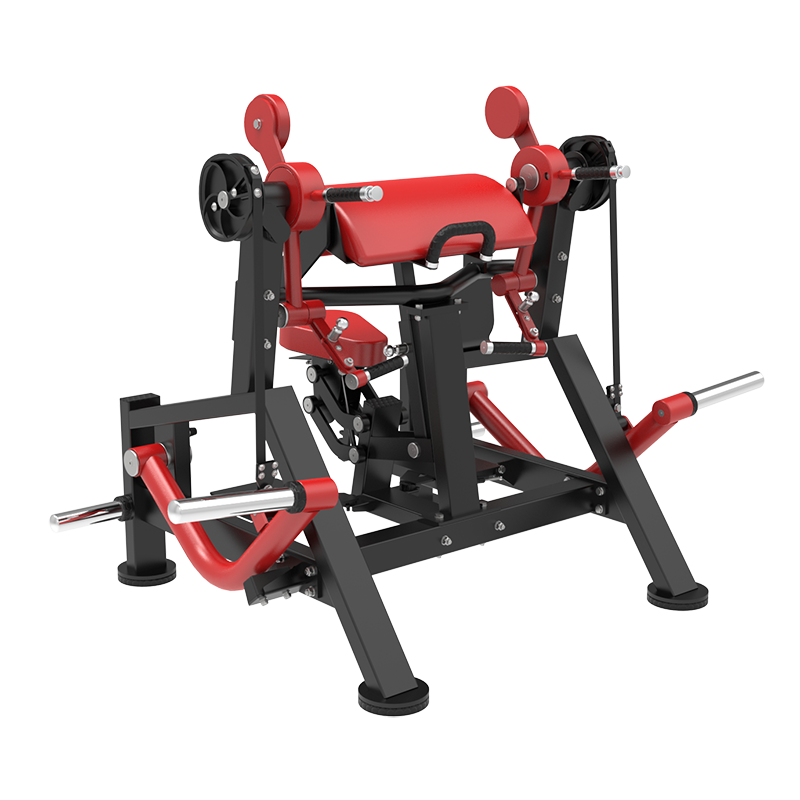
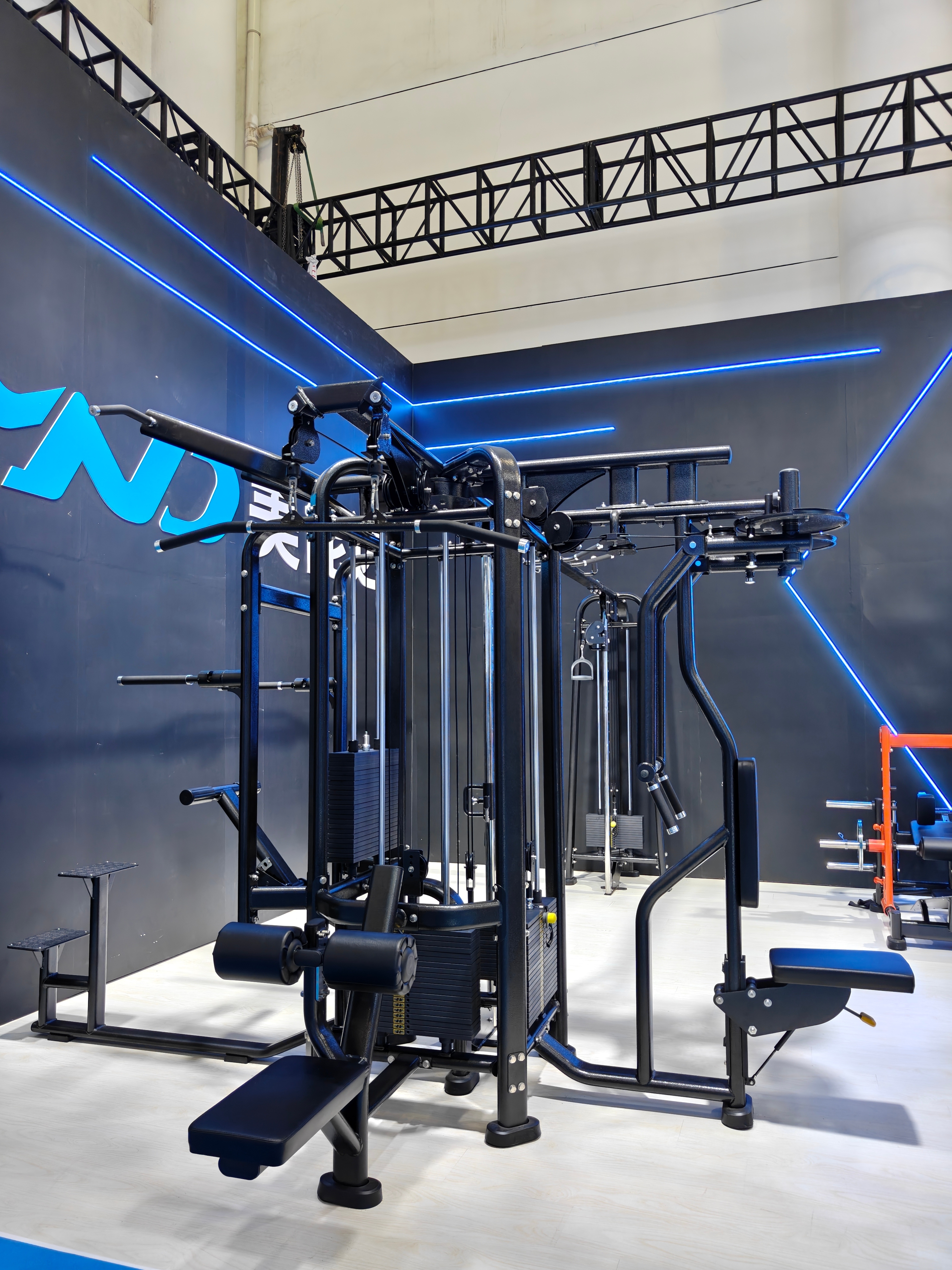
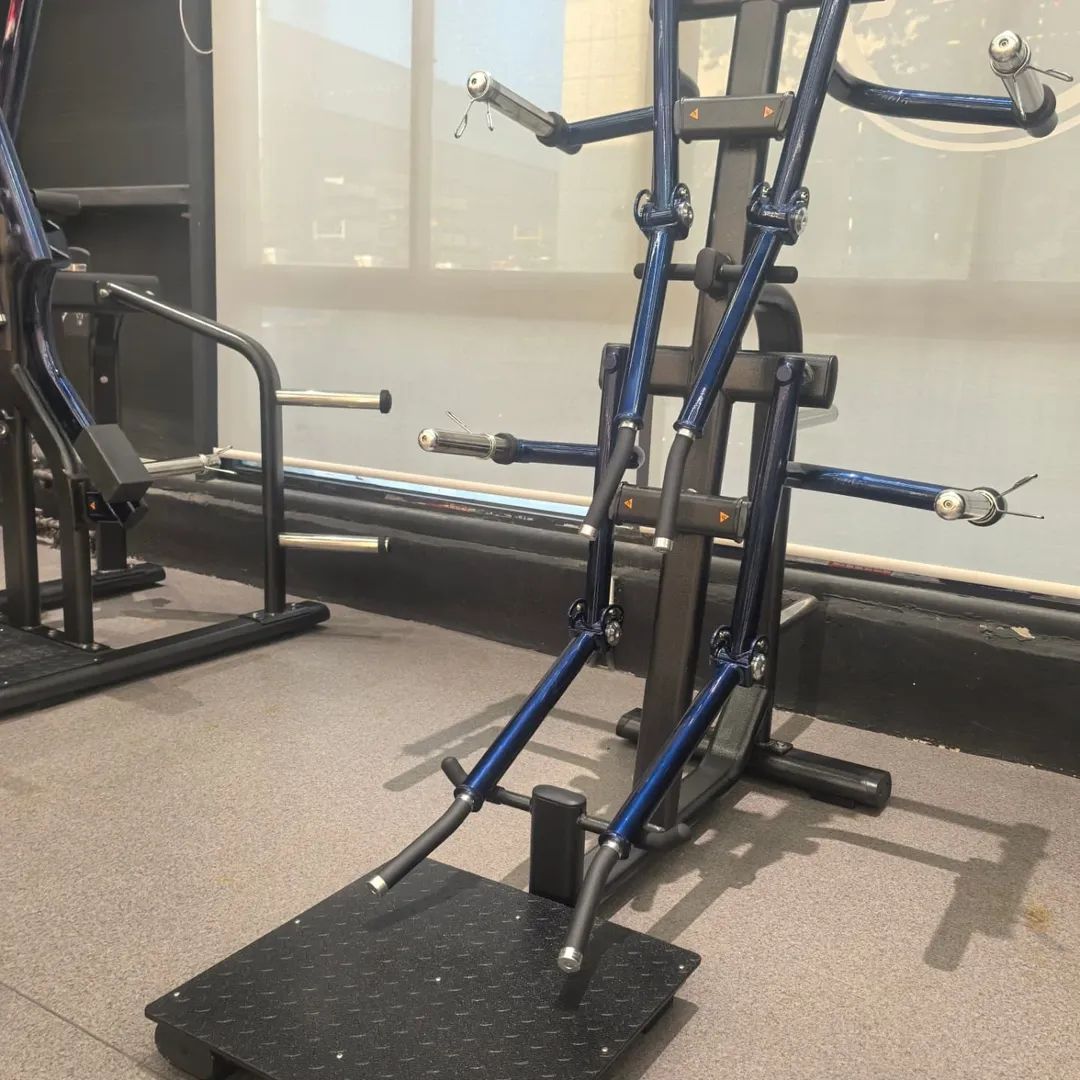
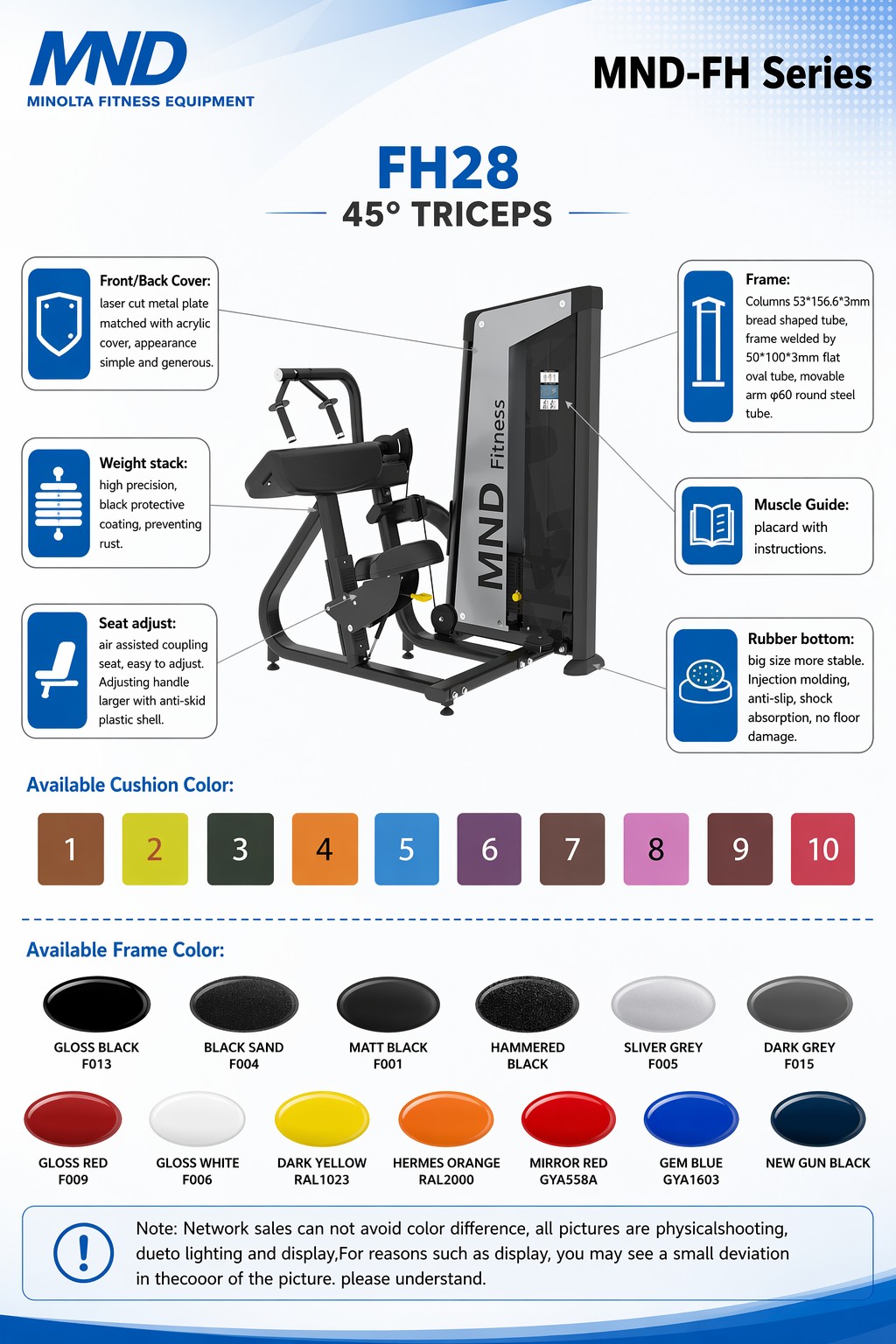
The strength line includes MND-AN, MND-FM, MND-FH, MND-FS, MND-FB, MND-E Crossfit, MND-F, MND-FF, MND-G, and MND-H. For buyers, that suggests a modular commercial lineup rather than a one-off set of machines. In practice, that usually helps when you are building a full gym floor and need a consistent visual language across selectorized stations, free-weight-adjacent units, and functional training zones.
Cardio Series
The cardio side includes MND-D exercise bikes and X500, X600, and X700 treadmills. Those model families matter because treadmills and bikes often take the hardest daily abuse in a gym. If a manufacturer keeps those lines organized and easy to specify, procurement gets much easier, especially when multiple sites are being outfitted at once.
Commercial vs. home use: do not blur the line too early
A common mistake in equipment sourcing is assuming “fitness equipment” is a single category. It is not. Minolta workout machines are presented as suitable for both commercial and home use, but those are very different buying conditions.
For commercial buyers, the key concerns are duty cycle, repeat use, cleaning resistance, and how the machine behaves after months of everyday operation. Commercial equipment also needs to be easy for staff to inspect. Bolts loosen, upholstery wears, cables stretch, and consoles eventually need attention. If a supplier cannot support those realities, the purchase becomes expensive in a different way.
For home gym equipment, the priorities shift. Footprint, noise, storage, and ease of assembly matter more. A machine can be technically capable and still be a poor fit if it dominates the room or feels overbuilt for a private space. Buyers sometimes overspec home equipment because they want “commercial quality,” but the better answer is usually a balanced one: enough durability, not so much bulk that the room stops being usable.
What a buyer can reasonably infer from the company profile
There is useful signal in the company information, even if it is not a full engineering dossier.
First, a 120,000-square-meter facility suggests a manufacturer with meaningful production capacity. That does not guarantee every batch is perfect, but it does indicate the company is not operating like a small assembler with limited throughput.
Second, having a manufacturing workshop, quality control lab, and exhibition hall in the same operation suggests a more complete workflow. In practical terms, that can help with product review, sample checks, and consistency across the line. It also hints that the company is set up to show buyers more than just a sales brochure.
Third, the export footprint across Europe, Africa, the Middle East, South America, and Southeast Asia is worth noting. Export experience is not just a bragging point. It often means the manufacturer has dealt with differing import expectations, packaging needs, and channel requirements. Again, that is not the same as guaranteeing a smooth project, but it is a good sign for international procurement teams.
How to evaluate Minolta fitness machines against your project needs
The best way to assess any equipment line is to start with the end use, not the model number. A facility planner or sourcing manager should walk through a simple filter.
1. Match the equipment to traffic levels
A boutique studio, a corporate wellness room, and a busy public gym do not wear equipment in the same way. If the intended use is commercial, ask whether the machine family is intended for repeated daily loading. The broader the user base, the more important clean mechanics and robust frames become.
2. Check space and layout pressure
Treadmills, bikes, and strength stations all consume floor area differently. This sounds obvious, but it is often where projects go off course. A buyer may like a machine technically, then discover it creates awkward aisles, poor sightlines, or congestion around adjacent stations. The smarter purchase is the one that fits the room without forcing a redesign.
3. Think in series, not single units
One reason a manufacturer with named series can be useful is that it helps standardize a site. If you are opening more than one location, or planning to expand later, a consistent series structure can simplify future reorders and replacements. It also helps maintenance teams learn the equipment faster.
4. Ask about service parts and after-sale support early
This is where many buyers wait too long. Once equipment is on the floor, parts availability becomes more important than the brochure language. Even a good machine is only as useful as its support chain. If a supplier can explain how wear parts, cables, consoles, and basic maintenance items are handled, that is a real advantage.
Where Minolta exercise equipment seems strongest
The strongest signal in the provided company information is breadth. More than 300 types of equipment is a wide portfolio, and that usually helps buyers who want to consolidate vendors. Instead of sourcing cardio from one supplier, strength from another, and specialty items from a third, a broader manufacturer may let you build a more coherent package.
That said, breadth is only valuable if the buyer still checks the details. A wide catalog can tempt teams into assuming every product is equally mature. Usually that is not true. Some lines will be better suited to commercial floors, others to lighter installations, and some will simply align better with the look and layout of a given facility.
Common mistakes buyers make with gym equipment sourcing
The first mistake is buying on appearance. New equipment photographs well, which is exactly why procurement should look past the finish and examine use case, access for maintenance, and replacement planning.
The second mistake is overcommitting to one type of training. A room filled only with cardio may look complete on paper but disappoint users who need strength options. The reverse is also true. Good facilities usually balance training modalities rather than chasing one trend.
The third mistake is treating home and commercial equipment as interchangeable. They are not. The intended environment should shape the decision from the start.
The fourth mistake is failing to ask how a manufacturer handles scale. An export-ready supplier with a large facility may be better positioned for a multi-unit rollout than a small local assembler, but only if the buyer confirms stock planning, packaging, and communication practices.
Practical buyer advice before requesting a quote
If you are evaluating Minolta Fitness Equipment for a project, prepare a short internal spec before you reach out. Include the facility type, user volume, available floor space, preferred training zones, and whether the order is for one site or multiple sites. That information helps a supplier respond more accurately and can reveal quickly whether the lineup is a fit.
For commercial gyms, ask which machines are intended for heavier traffic and which are better suited to lighter use. For home gym equipment, ask about footprint and assembly expectations. For mixed-use projects such as hotels or residential clubs, do not skip the quieter details like movement feel, maintenance access, and how the equipment will age in a shared space.
If you are comparing Minolta fitness machines with another supplier, make the comparison around the same use case. Too many sourcing decisions collapse into comparing a dozen unrelated features. That usually tells you less than you think.
FAQ: quick answers buyers usually want
Is Minolta only for commercial gyms?
No. The company information says its equipment is tailored for both commercial and home use, though each project should still be matched to the specific product and environment.
Does the product range include both cardio and strength?
Yes. The provided lineup includes both the Strength Series and the Cardio Series.
Is the catalog large enough for full-gym builds?
The stated range of more than 300 exercise equipment types suggests a broad portfolio, which may support full builds and phased expansions.
Is export experience relevant?
Very much so. For international buyers, export experience often affects packaging, communication, and order handling, even when the machines themselves are the main focus.
The practical next step
If Minolta exercise equipment is on your shortlist, start with a site-specific equipment map rather than a general product search. Decide what the space needs to do, how much traffic it will carry, and whether you are buying for commercial durability or home convenience. Then ask for the exact product families that fit that use case.
That approach saves time, reduces mismatch, and usually leads to a cleaner purchasing decision. In this category, that matters more than a polished brochure ever will.