


Why buyers look at the MND Fitness FF95 in the first place
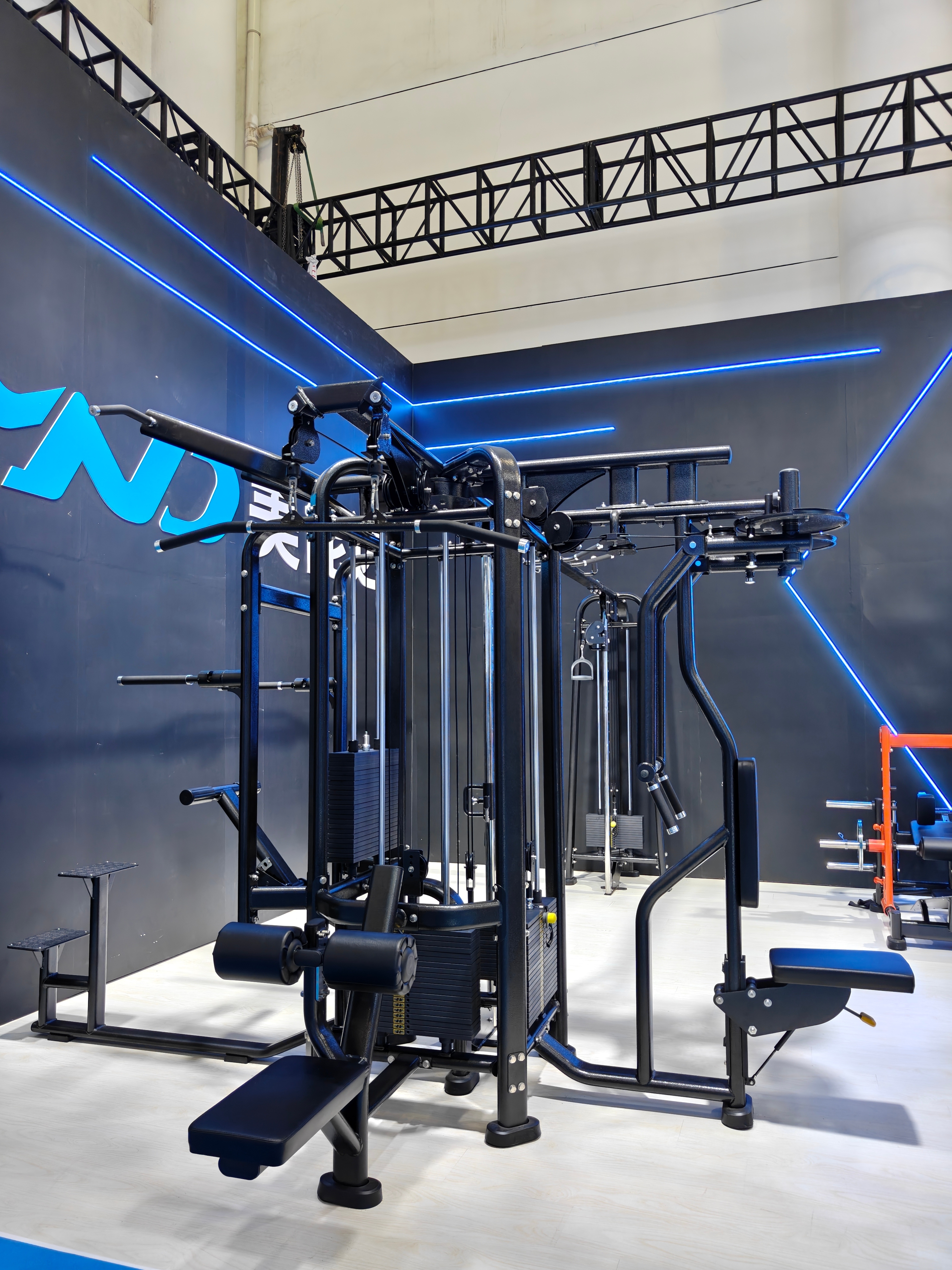
When a gym owner, distributor, or project specifier searches for MND Fitness FF95, the real question is usually not about one model alone. It is about how to fit more training capacity into less floor space without turning the strength area into a crowded maze. That is where a 5 station gym machine starts to matter. A multi-user frame can support different exercises at the same time, which is useful in commercial clubs, hotel gyms, school facilities, and smaller training studios where every square meter has to earn its keep.
The appeal of a 5 station workout system is straightforward. It helps operators serve more members, keep traffic moving, and reduce the need to install five separate single stations. That does not make it the right choice for every layout, and it certainly does not replace a full strength floor. But for buyers comparing commercial options, the FF95 sits in a category that deserves serious attention because it addresses a very practical problem: how to add usable training variety without expanding the footprint in the same proportion.
What the FF95 type of system is meant to do
A multi station strength equipment setup is built around shared structure and multiple exercise positions. In practice, that means one frame, several users, and a set of training stations that can support common strength movements. For operators, the immediate value is efficiency. For trainers, the value is accessibility. For members, the value is less waiting around.
That said, these systems are best understood as a compromise with benefits, not as a universal solution. They are not trying to replace every plate-loaded machine, cable tower, or dedicated selectorized station. They are trying to cover a useful middle ground. In many commercial spaces, that is exactly what is needed.
Shandong Minolta Fitness Equipment Co., Ltd. places the MND FITNESS range in a broad commercial portfolio that includes strength and cardio lines. The company says it has more than a decade of experience, a 120,000-square-meter facility, and a catalog of more than 300 types of exercise equipment. It also notes exports to more than 100 countries across Europe, Africa, the Middle East, South America, and Southeast Asia. Those details matter because a buyer looking at commercial fitness equipment usually wants more than a product photo. They want evidence that the manufacturer understands volume production, export logistics, and long-term support.
Quick buyer takeaways before you spec one
If you are shortlisting the FF95 or any similar commercial fitness equipment, keep these points in mind:
The layout must match your traffic pattern. Five stations sound efficient, but a poor arrangement can create bottlenecks faster than a simpler machine would.
The user mix matters. A club built around general fitness will use a gym strength training machine differently from a performance studio or rehabilitation-oriented space.
Service access matters more than brochure language. Multi-user strength frames involve more moving parts, and maintenance planning should be part of the purchase decision.
Floor space is only one variable. Ceiling height, member flow, supervision lines, and safety clearance all shape whether a 5 station fitness equipment investment works well.
Where a 5 station machine fits best
The best use cases tend to be practical rather than glamorous. A hotel gym may need a single footprint that covers several common exercises without requiring a full strength bay. A school or university weight room may need to handle multiple users at once with straightforward operation. A community gym may want more training variety with less equipment redundancy.
This is also why buyers often compare the FF95 against other commercial fitness equipment categories instead of just other multi-station frames. If the room is already heavy on cardio, the strength area may need one compact hub instead of several separate stations. If the gym serves peak-hour traffic, the ability to train several members simultaneously is a real operational advantage, not just a marketing line.
There is a practical caution here, though. Multi-station frames can look deceptively simple on a spec sheet. The real question is whether the exercise mix matches the user base. If your members mostly want heavy, isolated movements or highly specialized training, a shared system may feel limiting. If your population wants dependable, broad-based resistance training, it can be a very efficient choice.
What to examine in the frame, finish, and layout
Buyers often focus on exercise count and overlook the hardware story. That is a mistake. In strength equipment, the frame structure, cable routing, pulley feel, padding quality, and adjustment logic all affect day-to-day satisfaction. A multi-user station should feel stable under repeated use, not just look substantial in photos.
Because Minolta operates in Ningjin, a region known for hardware manufacturing, it is reasonable to expect attention to fabrication and production discipline. Still, serious buyers should inspect or request details on the points that matter most in the field:
How easy is it to enter, exit, and reset each station?
Are the user instructions visible and intuitive?
Is there enough room for supervision and cleaning?
Do the stations interfere with one another during peak use?
Can the machine be serviced without major disruption to the gym floor?
These are not small questions. A machine that looks efficient in a catalog can become awkward if multiple users crowd the same zone or if one adjustment point blocks another. That is the sort of thing that only shows up once the equipment is installed.
How the FF95 compares with other strength setups
Compared with a row of single-purpose machines, a 5 station gym machine usually saves space and can lower the number of separate pieces to manage. Compared with a more open cable system, it may offer a more defined training experience and easier supervision. Compared with a fully customized strength area, it is faster to deploy and often simpler to explain to users.
But the trade-off is flexibility. Shared systems do not always offer the same level of customization as individual stations. If your facility serves advanced lifters or athletes with specific programming needs, you may still need supplemental equipment.
This is why the best buyers think in systems, not in isolated products. The MND FITNESS catalog includes multiple strength series and cardio lines, which suggests the FF95 should be viewed as one part of a broader floor plan rather than a standalone answer to every training requirement. That broader view usually leads to better purchasing decisions.
Common mistakes buyers make with multi station strength equipment
One common error is underestimating user flow. If the machine is placed where people must cross other training zones to reach it, it can slow down the whole room.
Another is overestimating how much variety a shared frame will provide. A 5 station workout system is useful, but it is still a defined set of movements. It does not replace thoughtful programming or a balanced equipment mix.
A third mistake is ignoring maintenance access. Commercial gyms are busy places, and even good equipment benefits from routine checks. If cleaning, inspection, or part replacement is awkward, wear issues tend to become bigger issues later.
Finally, some buyers select only on unit price. That is a risky habit in the strength category. What looks cheaper at purchase can cost more in lost usability if the machine is cramped, difficult to supervise, or poorly matched to the facility.
Why manufacturer capability matters as much as the model name
For products like the MND Fitness FF95, the manufacturer’s scale and export experience are part of the buying decision. Shandong Minolta Fitness Equipment Co., Ltd. says it has a 120,000-square-meter facility with a manufacturing workshop, quality control lab, and exhibition hall. That matters because commercial buyers usually want consistent production, repeatable build quality, and a supplier that can support business-to-business orders across different markets.
The company’s exported presence in more than 100 countries also suggests familiarity with different commercial expectations, packaging needs, and international purchasing habits. That does not replace due diligence, of course. A buyer still needs to confirm specifications, configuration options, and after-sales support. But it does help frame the supplier as more than a local assembler.
Practical buying advice before you place an order
If you are evaluating the FF95 or a similar gym strength training machine, ask for a layout drawing, station list, and installation guidance before final approval. Check whether the planned room can handle the machine’s footprint plus user circulation. If possible, compare it against your actual member profile rather than an idealized floor plan.
Also, think about the training culture of the facility. A commercial club with steady member turnover may benefit from simple, easy-to-learn stations. A performance facility may need more specialized strength equipment alongside the shared system. The right answer depends on how your people train, not just how the product is described.
FAQ: what buyers usually want to know
Is the MND Fitness FF95 suitable for commercial use?
The FF95 is positioned within a commercial equipment portfolio, so it is being presented for that market. As always, confirm the exact configuration and intended application with the supplier before purchase.
Does a multi station frame save space?
Usually yes, compared with installing several separate machines. But the actual space savings depend on the exercise setup, access clearance, and how your gym is arranged.
Is a 5 station machine enough for a full strength area?
Not by itself in many facilities. It can be a strong central piece, but most gyms still need a broader mix of strength and cardio equipment.
What should I ask before buying?
Ask about station functions, footprint, maintenance access, shipping support, and whether the layout suits your traffic flow.
A sensible next step for sourcing teams
If your project calls for a compact, multi-user strength solution, the MND Fitness FF95 is worth placing on a serious comparison list. The real job is not to chase the biggest-looking frame. It is to choose a machine that matches member use, floor plan, and service expectations.
For sourcing teams and gym operators, the best next step is to request the exact FF95 configuration, verify the station arrangement, and compare it against your actual space and training needs. That is usually where the right decision becomes clear.