


Why Buyers Keep Comparing MND Fitness With Other Commercial Equipment Lines
When sourcing MND Fitness equipment, most buyers are not just shopping for machines. They are trying to solve a practical business problem: how to build a training floor that holds up to daily traffic, stays serviceable, and still feels coherent to end users. That matters whether the buyer is an engineer specifying a facility, a sourcing manager balancing procurement risk, or a product team trying to assemble a commercial package that does not look stitched together from different eras.
The conversation usually starts with strength stations, then quickly moves to durability, layout efficiency, and the difference between a machine that looks good on a catalog page and one that can survive repeated commercial use. In that context, MND Fitness is often considered alongside other commercial gym equipment suppliers because it offers both strength and cardio ranges, plus enough model breadth to support a full facility buildout. According to the company information provided, Shandong Minolta Fitness Equipment Co., Ltd. operates with a 120,000 square meter facility and a catalog of more than 300 equipment types. That scale does not guarantee the right fit for every buyer, but it does matter when consistency, volume, and category coverage are part of the decision.
What The Range Suggests At A Glance
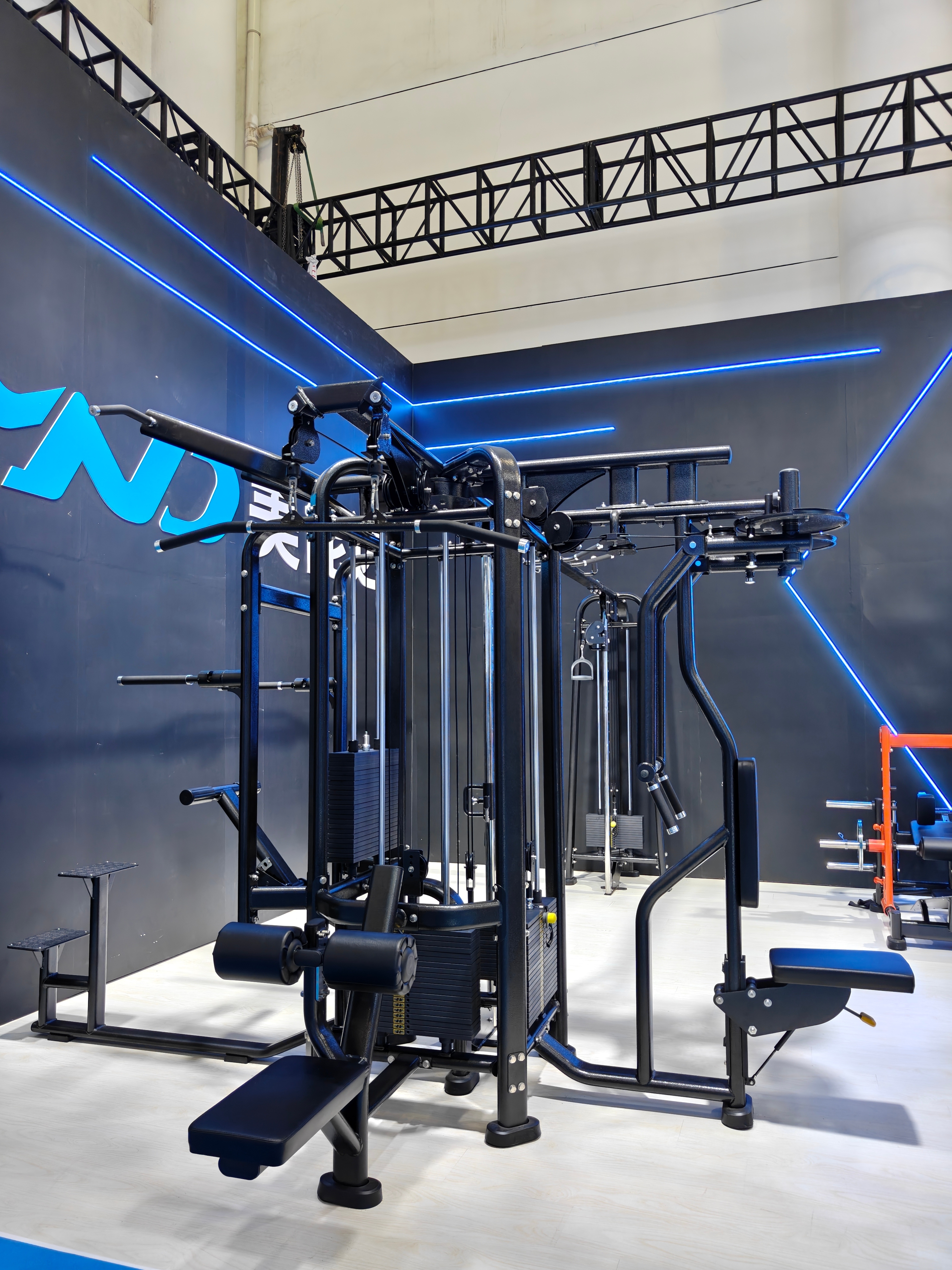
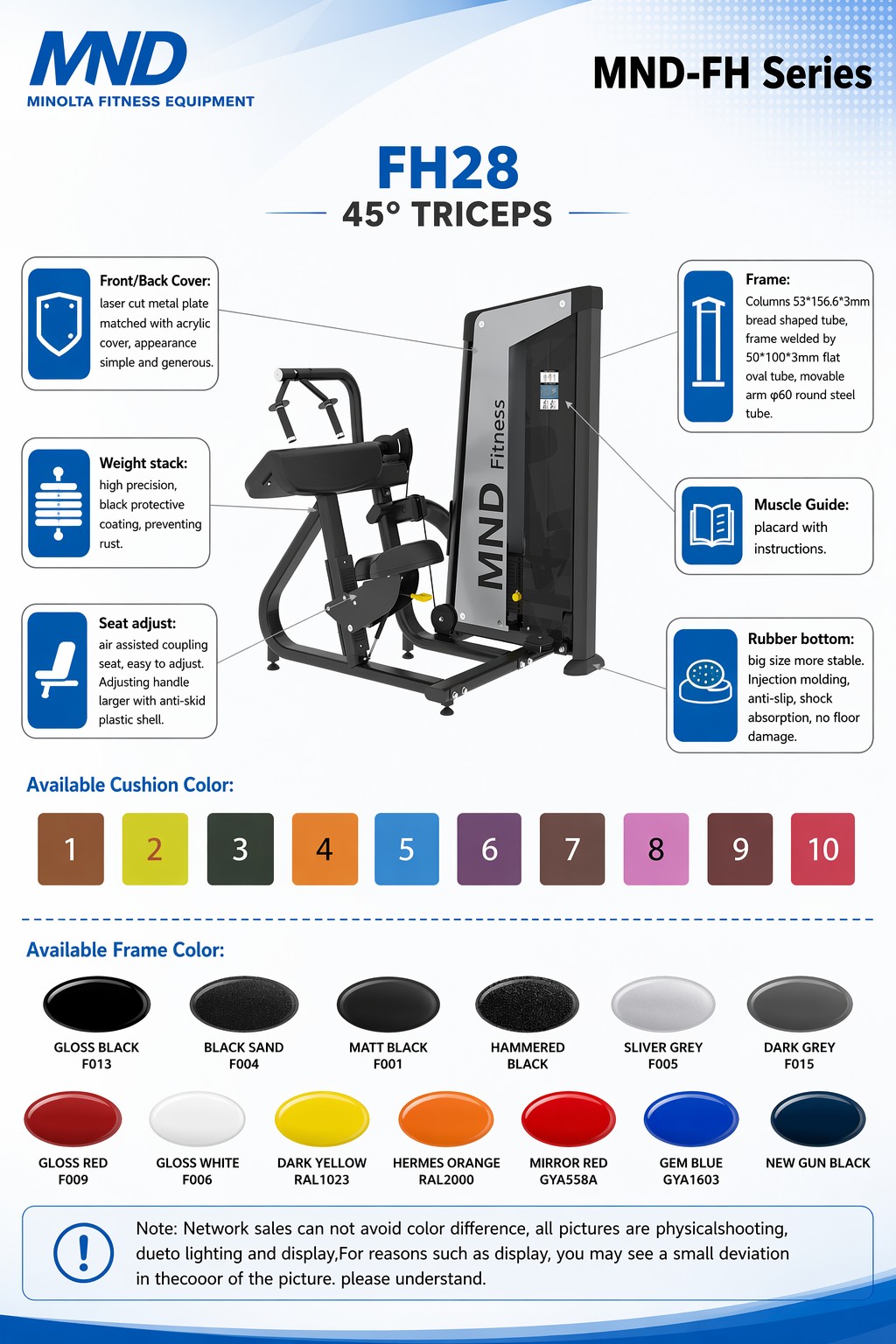
The strongest signal from the supplied company data is breadth. MND Fitness covers multiple strength series, including MND-AN, MND-FM, MND-FH, MND-FS, MND-FB, MND-E Crossfit, MND-F, MND-FF, MND-G, and MND-H, alongside cardio lines such as MND-D exercise bikes and the X500, X600, and X700 treadmills. For buyers, that matters because it reduces the need to piece together a room from several unrelated vendors.
That said, breadth is only useful if the product family stays understandable in practice. A catalog with many series can help with zoning a facility by training style, user level, or budget band. It can also create confusion if the buyer does not define the target use case early. Commercial gym equipment is not a single category in the real world; it is a mix of plate-based resistance, selectorized stations, cardio, and accessory pieces, each carrying different expectations for wear, maintenance, and floor planning.
Where Plate-Loaded Equipment Fits In
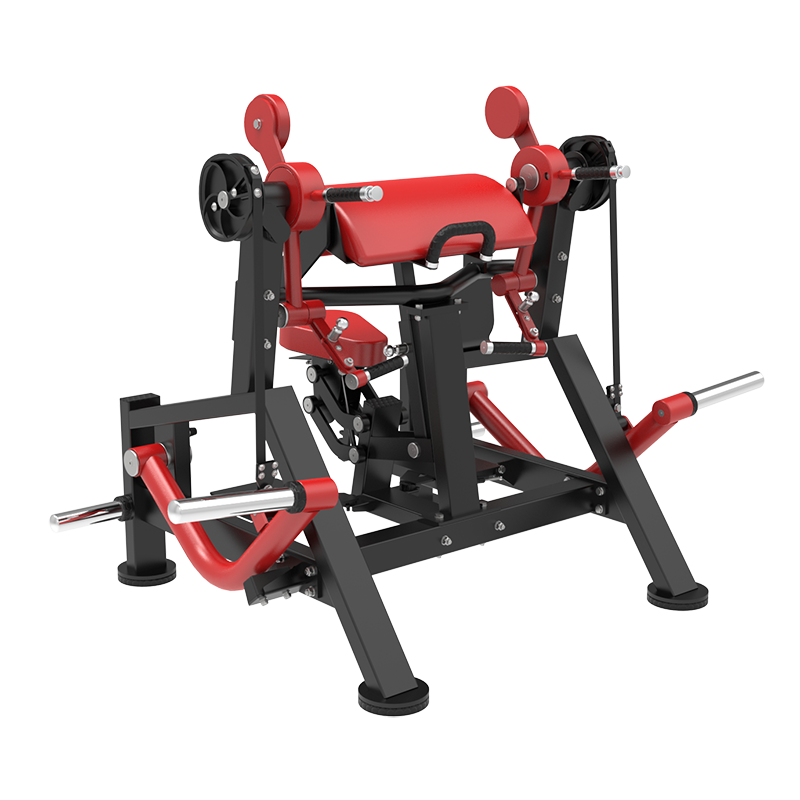
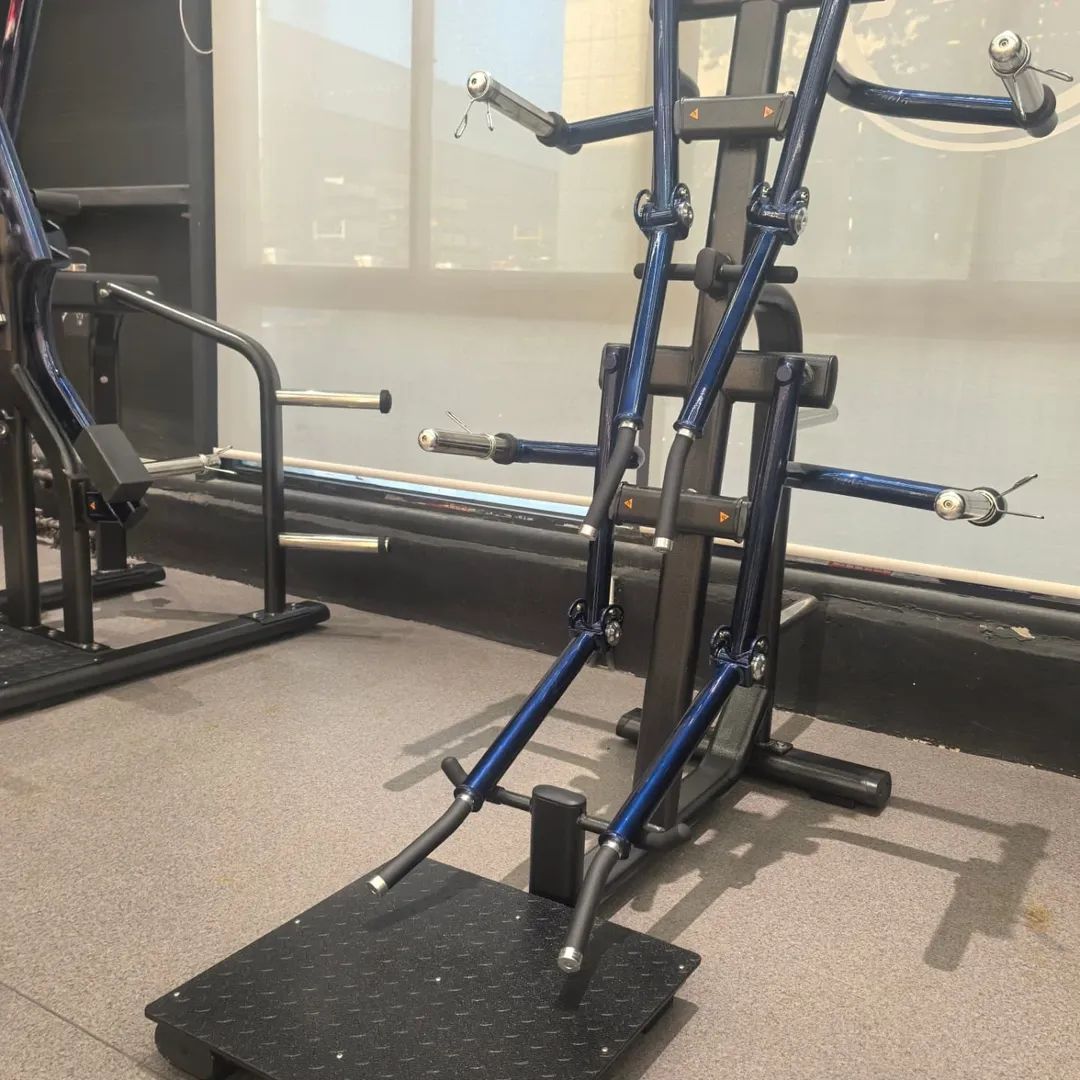
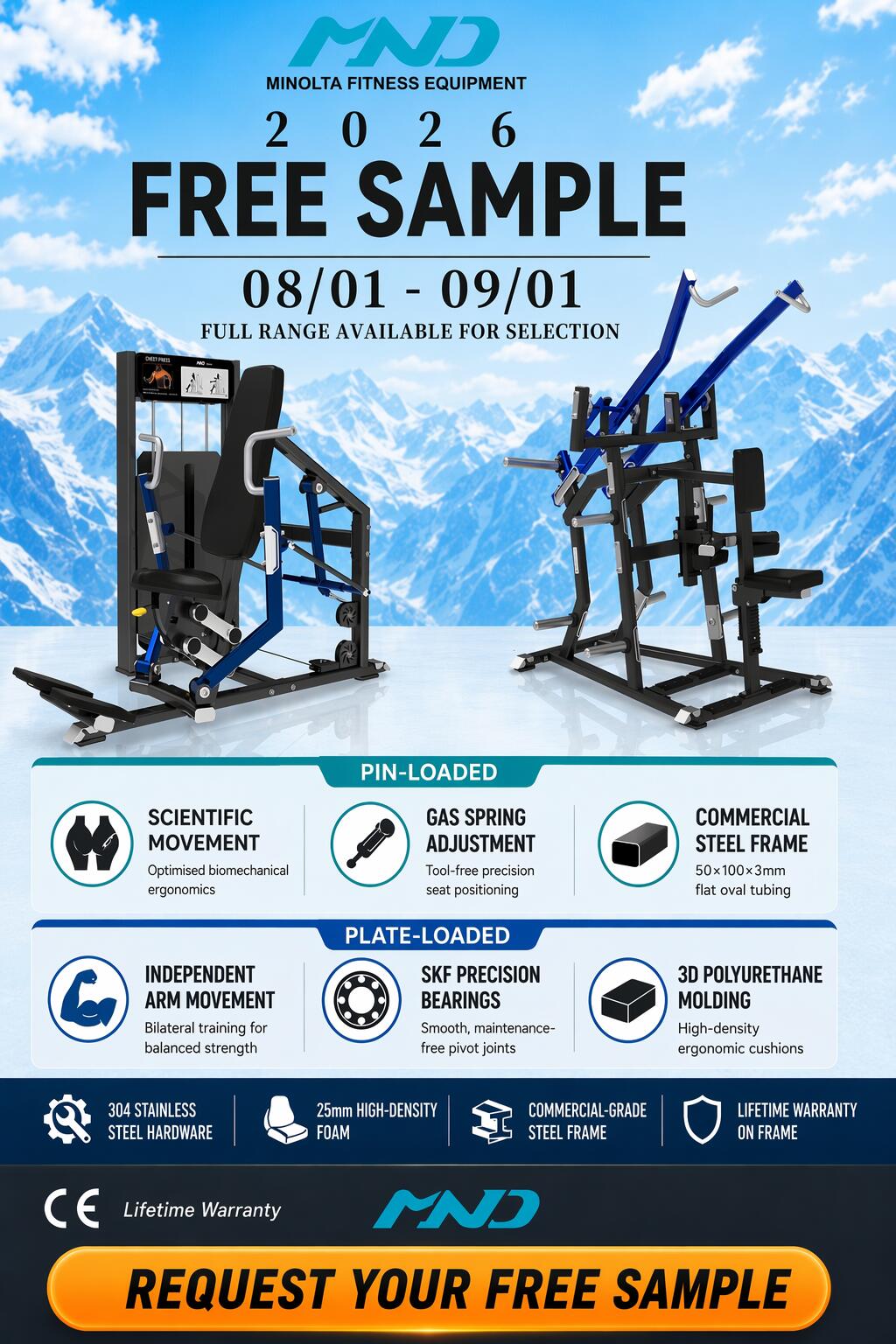
A lot of buyers evaluating plate loaded equipment are doing so for good reasons. These machines usually appeal to facilities that want a more natural loading feel, strong visual presence on the floor, and the ability to train serious users without moving immediately into free-weight chaos. A plate loaded gym machine is also easier to position in some commercial layouts because it can deliver demanding movement patterns in a relatively compact footprint.
The tradeoff is straightforward. Plate-loaded stations can be excellent for hard-use strength zones, but they still need room for loading access, plate storage planning, and safe movement around the machine. If a buyer treats them like plug-and-play units, the result is often cramped spacing and poor traffic flow. That is the practical mistake to avoid: the machine may be robust, but the room around it still has to be designed.
This is where an experienced supplier can matter. A manufacturer that regularly handles strength training equipment and multiple commercial categories is often better positioned to advise on family matching, floor continuity, and how different stations work together in one facility. It is not just about selling a machine; it is about whether that machine can be integrated without awkward gaps in the training zone.
How To Read A Supplier Profile Before You Ask For A Quote
A proper buying review should start with the supplier itself. The company information for Shandong Minolta Fitness Equipment Co., Ltd. points to a manufacturer with more than a decade in the fitness equipment sector, a large production footprint, in-house quality control lab resources, and an exhibition hall. Those are useful indicators because they suggest the business is built around industrial-scale output rather than opportunistic trading.
For sourcing teams, the key question is not whether the supplier sounds large. It is whether the supplier can support repeat procurement with consistent product identity and manageable variation. A company exporting to over 100 countries, as stated in the supplied information, has likely dealt with a range of market preferences and regulatory expectations. That is useful, although buyers should still verify the details that matter for their own project: product dimensions, structural design, material specification, assembly format, warranty terms, finish options, and documentation.
A caution worth keeping in mind: catalog scale can hide uneven depth. A supplier may have many SKUs, but not every series will be equally mature. Before approving a line for a commercial project, ask which models are core, which are seasonal, and which have the strongest installed base. That question saves time later.
Selection Criteria That Actually Matter
The decision is usually less about brand language and more about fit. A buyer comparing MND Fitness against other options should look at several concrete factors.
First, assess the intended user profile. A hotel fitness room, a university training center, and a commercial club floor do not need the same mix. Heavier-duty commercial gym equipment may be appropriate in all three cases, but the balance between cardio and resistance changes sharply.
Second, check the consistency of the series you are considering. If you are building around one family of machines, consistent frame geometry, upholstery tone, and user interface logic help the space feel intentional. This is especially relevant when using a mix of plate loaded equipment and selectorized strength stations.
Third, think about maintenance access. Machines that are easy to inspect, clean, and service tend to age better in busy environments. That sounds obvious, yet it is often ignored until the first service issue appears.
Fourth, validate logistics. A machine can be technically suitable and still be a poor choice if its shipping profile, assembly burden, or replacement-part expectations do not match your market.
Quick buyer check
Does the supplier provide a coherent strength series rather than isolated products?
Can the machines be laid out without crowding loading points or walkways?
Is there enough category depth to support future expansion?
Are the product details specific enough for your engineering or procurement review?
Common Mistakes Buyers Make
One common mistake is overemphasizing visual finish and underweighting serviceability. A machine can look premium and still become a maintenance burden if the design is awkward or the parts ecosystem is unclear.
Another mistake is buying plate-loaded units without checking the actual floor plan. Plate storage, user approach angles, and spacing between stations matter more than many first-time buyers expect. In a dense gym, a few extra centimeters can decide whether a lane feels professional or congested.
A third mistake is treating all strength equipment as interchangeable. It is not. The training feel of a plate loaded gym machine, the adjustment logic of selectorized equipment, and the layout demands of cardio rows are different enough that the mix has to be deliberate.
Finally, some buyers assume that a large manufacturer automatically means the right fit for every market segment. Size helps, but relevance matters more. A supplier should be evaluated on whether its strength series, cardio lines, and support structure align with the buyer’s use case.
Practical Advice For Procurement Teams
If you are shortlisting MND Fitness for a commercial project, start by narrowing the scope. Decide whether you are building a complete floor, a strength-only zone, or a mixed facility package. Then ask for model-level details rather than broad catalog claims.
For engineering teams, the most useful documents are the ones that help with installation planning and floor coordination. For sourcing managers, the key is whether the supplier can keep the product family consistent across orders. For product teams and gym operators, user flow matters: can a beginner understand the space, and can experienced lifters train without friction?
A sensible approach is to compare a few machine families side by side rather than judging the brand as a whole. If the strength series fits your use case and the cardio mix fills the remaining floor plan, the supplier becomes easier to evaluate. If not, you learn that quickly and can move on.
FAQ For Buyers
Is MND Fitness only for commercial facilities?
No. The supplied company information says the product range covers both commercial and home use, though the strength of the offering appears to be in commercial gym equipment.
Does the catalog include strength and cardio?
Yes. The provided data lists several strength series and cardio series, including exercise bikes and treadmills.
Why do buyers care about the company’s facility size?
Because a large manufacturing footprint, quality control lab, and exhibition hall can indicate a more established industrial operation. It does not replace product evaluation, but it helps frame supplier credibility.
Should I choose plate loaded equipment for every strength area?
Not necessarily. Plate loaded equipment suits certain training goals and user groups, but a complete commercial floor often needs a mix of machine types.
What A Good Next Step Looks Like
The right next step is not to commit to a full order on catalog impressions alone. Request the exact models you want to review, map them against your facility layout, and verify the details that affect installation and daily use. If your project needs a uniform strength zone with enough variety to serve a real commercial audience, MND Fitness is worth a close look. If your needs are narrower, the same review process will tell you that just as clearly.
In procurement, clarity is the real savings. The sooner the machine list is tied to a floor plan and a user profile, the fewer surprises you carry into installation, servicing, and day-to-day operations.