


Why buyers still care about MND Fitness Equipment
When sourcing MND Fitness Equipment, most buyers are not just comparing catalogs. They are trying to solve a practical problem: how to equip a gym, training center, hotel, or multi-site facility with machines that can take daily use, fit the space, and still make economic sense over time. That is why the discussion usually turns quickly to durability, consistency across a product line, and whether the supplier behaves like a real Fitness Equipment Manufacturer rather than a trading desk with a glossy brochure.
For engineers and sourcing managers, the decision is rarely about one machine alone. It is about the mix: strength stations, cardio units, frame quality, upholstery wear, service support, and how easy the equipment is to standardize across locations. A facility that buys the wrong Commercial Gym Equipment can spend the next few years dealing with mismatched dimensions, awkward maintenance, and a replacement cycle that comes far earlier than expected. That is expensive in obvious ways, and annoying in the hidden ways that show up after opening day.
What Minolta brings to the table
Shandong Minolta Fitness Equipment Co., Ltd. presents itself as a manufacturer rooted in Ningjin’s hardware industry, which matters more than it may sound at first glance. A local industrial base usually means a deeper supply chain for metal fabrication, finishing, and component sourcing. In plain terms, that can improve lead-time stability and make quality control more repeatable, though buyers should still verify specs on a project-by-project basis.
The company says its facility covers 120,000 square meters and includes a manufacturing workshop, a quality control lab, and an exhibition hall. Those are not decorative details. A workshop supports production scale, a QC lab suggests in-house inspection capability, and an exhibition hall can be useful when buyers want to review product families side by side rather than judge everything from a single catalog page.
According to the provided information, MND FITNESS offers more than 300 types of exercise equipment for both commercial and home use, and it has exported to over 100 countries across Europe, Africa, the Middle East, South America, and Southeast Asia. That broad export footprint does not guarantee the right fit for every buyer, but it does tell you the company is used to serving different market expectations, from compact club builds to larger institutional orders.
Strength and cardio lines: a quick map for buyers
The company’s product range is split between strength and cardio, which is the right way to think about a gym build. Buyers often get bogged down in individual model names before they define what the floor plan actually needs.
Strength Series
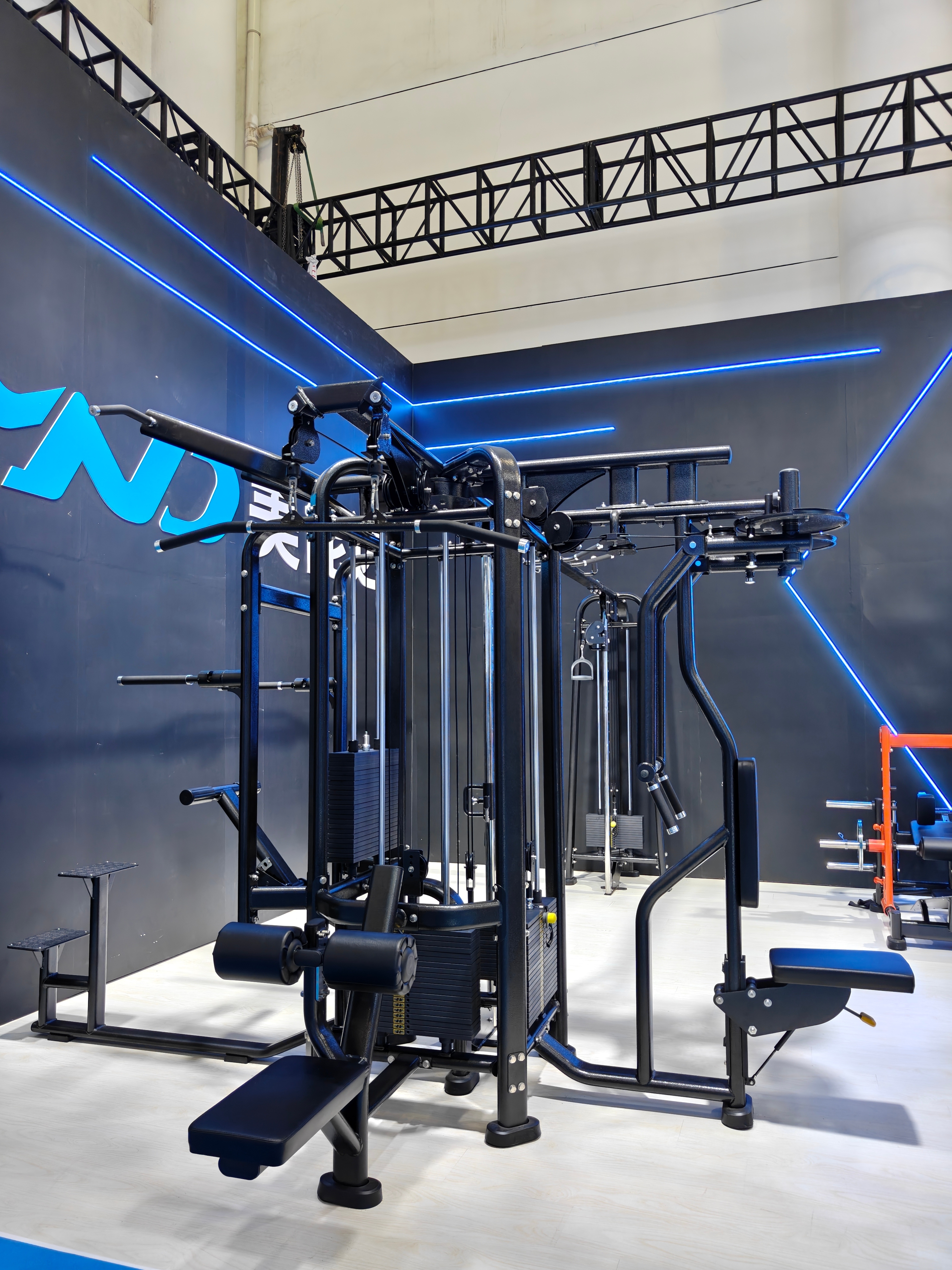
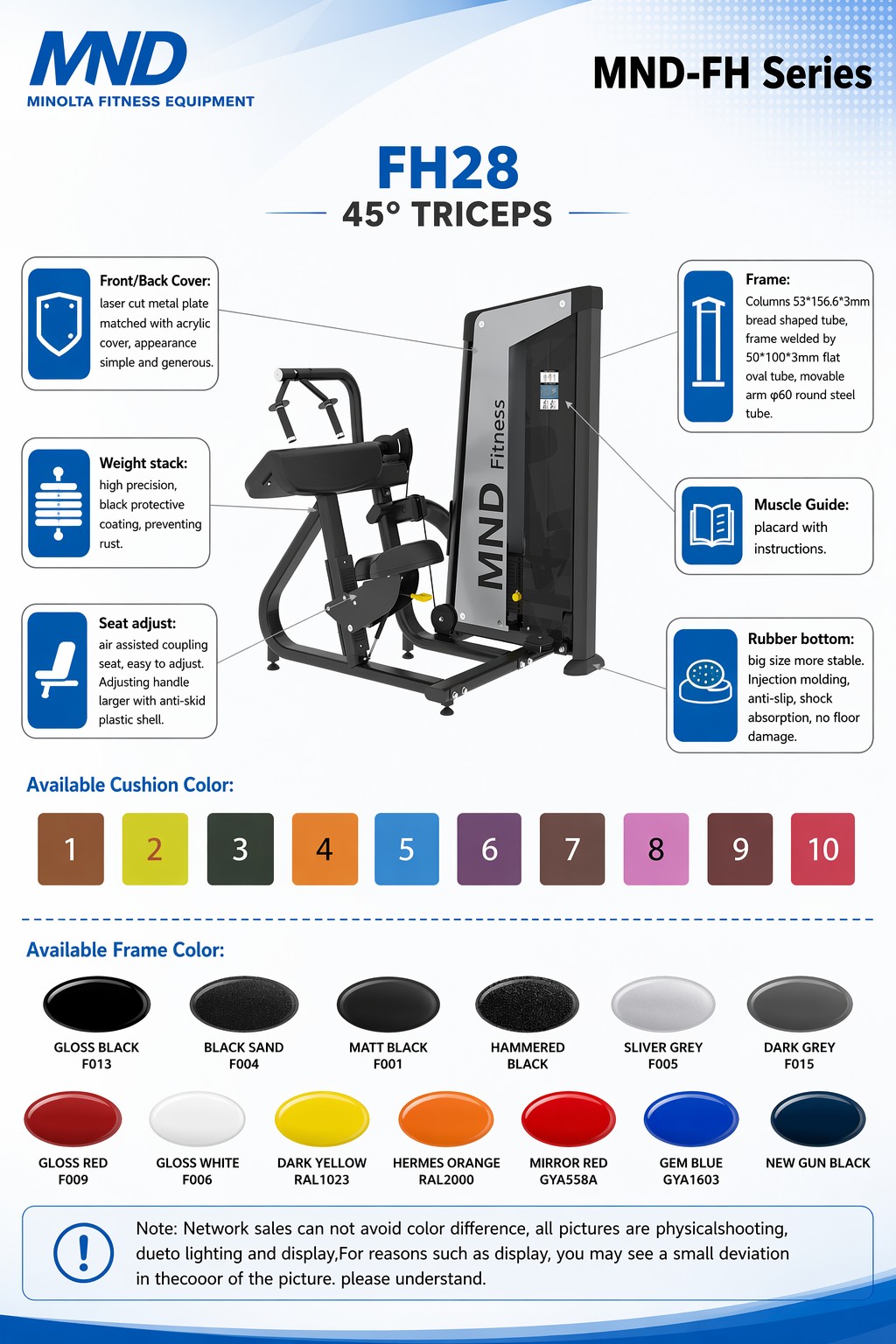
The strength lineup includes MND-AN, MND-FM, MND-FH, MND-FS, MND-FB, MND-E Crossfit, MND-F, MND-FF, MND-G, and MND-H. The list suggests a broad commercial range rather than a narrow specialty line. For most buyers, that is useful because it allows a facility to keep a consistent visual language and training experience across multiple zones.
This is where the category distinction matters. A well-chosen Strength Training Machine line should not feel pieced together from unrelated equipment families. Coaches notice that immediately, and members do too. Smooth progression between stations, easy access to adjustment points, and a consistent user interface all reduce frustration on the gym floor.
Cardio Series
The cardio side includes MND-D exercise bikes and X500, X600, and X700 treadmills. That is a compact set, but it covers the essentials that most commercial buyers start with. Treadmills remain the workhorse item in many facilities, while bikes often matter for rehab-friendly use, warm-ups, and lower-impact training.
For operators, cardio decisions are about more than screen size or console appearance. They involve service access, belt and deck wear, stability under repeated loading, and how the machine behaves after months of real traffic. These are not glamorous questions, but they are the ones that affect uptime.
Where plate-loaded systems fit into the purchase decision
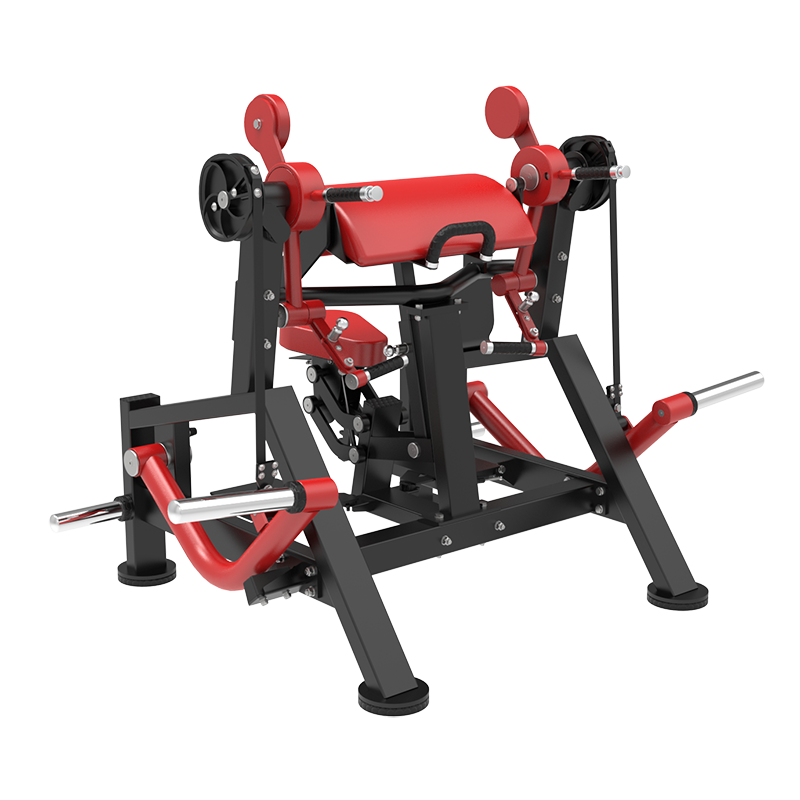
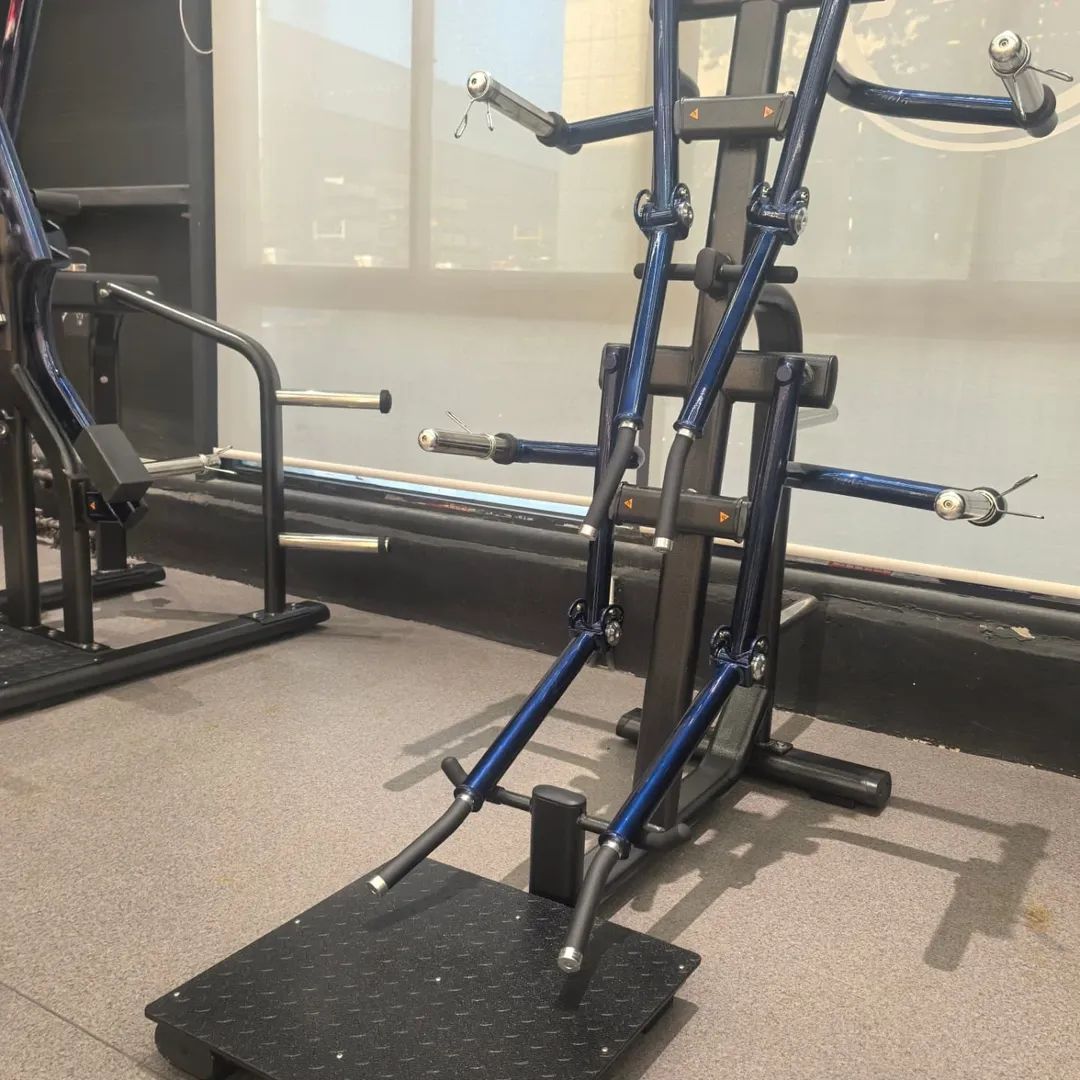
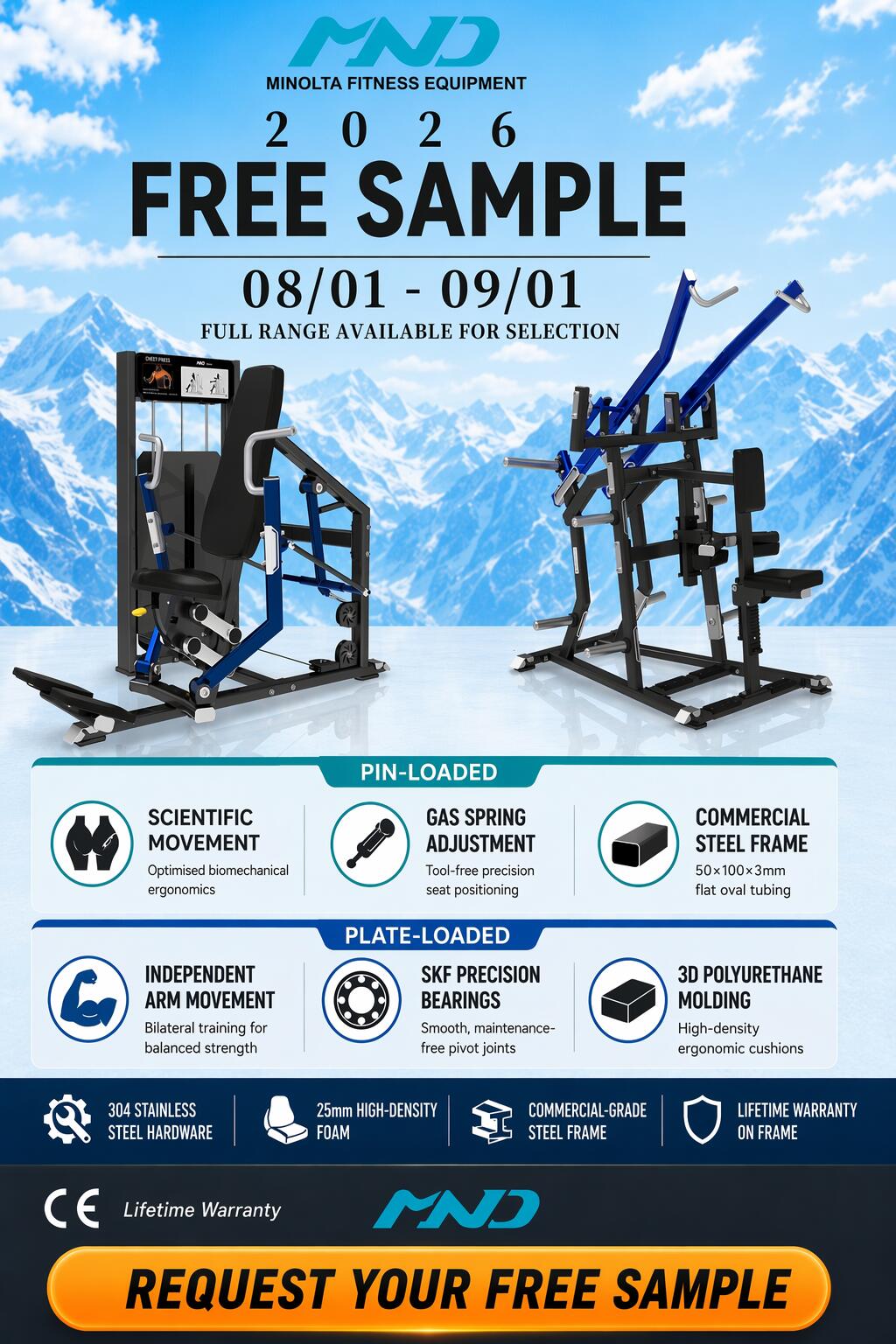
A large share of commercial buyers still want Plate Loaded Strength Equipment because it sits in a useful middle ground. It gives users a serious training feel without the complexity and maintenance profile of some selectorized systems. For facilities that prioritize high resistance, familiar movement patterns, and lower dependency on internal weight stacks, this category remains relevant.
A Plate Loaded Machine can also work well in strength-focused areas where the operator wants a durable look and less concern about cable or pin wear. That said, plate-loaded equipment is not automatically the right answer for every room. It occupies space, depends on plate inventory, and may not be ideal for beginner-heavy environments unless the floor plan and coaching model support it.
This is the point where buyers should slow down. A machine can look impressive in a showroom and still be awkward in a real facility if the loading angle, footprint, or user entry position is wrong. Ask how it will be used at peak hours, not just how it looks in a render.
Selection criteria that actually matter
If you are evaluating MND Fitness Equipment or any comparable supplier, the useful checklist is simpler than many tenders make it appear.
1. Match the machine family to the facility type
A hotel gym, school gym, training studio, and full commercial club do not need the same density of equipment. Commercial buyers often overspecify strength zones and underspecify cardio traffic patterns. That leads to poor utilization.
2. Confirm consistency across the range
Look for frame geometry, finish quality, upholstery style, and user-adjustment logic that feel consistent across the line. Even when exact dimensions vary, the overall experience should not.
3. Ask about manufacturing and QC flow
Because Minolta says it has a manufacturing workshop and quality control lab, buyers should ask how those functions are used in practice. Which inspections are internal? How are welds, coating, and moving parts checked? What happens when a batch does not meet spec? These are reasonable questions, and a serious supplier should expect them.
4. Think about service, not just shipment
Imported equipment is easy to order and hard to regret later if spare parts are unclear. Before placing a purchase order, clarify what documents come with the machines, how replacement parts are identified, and whether the supplier can support multi-site standardization over time.
Common mistakes buyers make with commercial gym builds
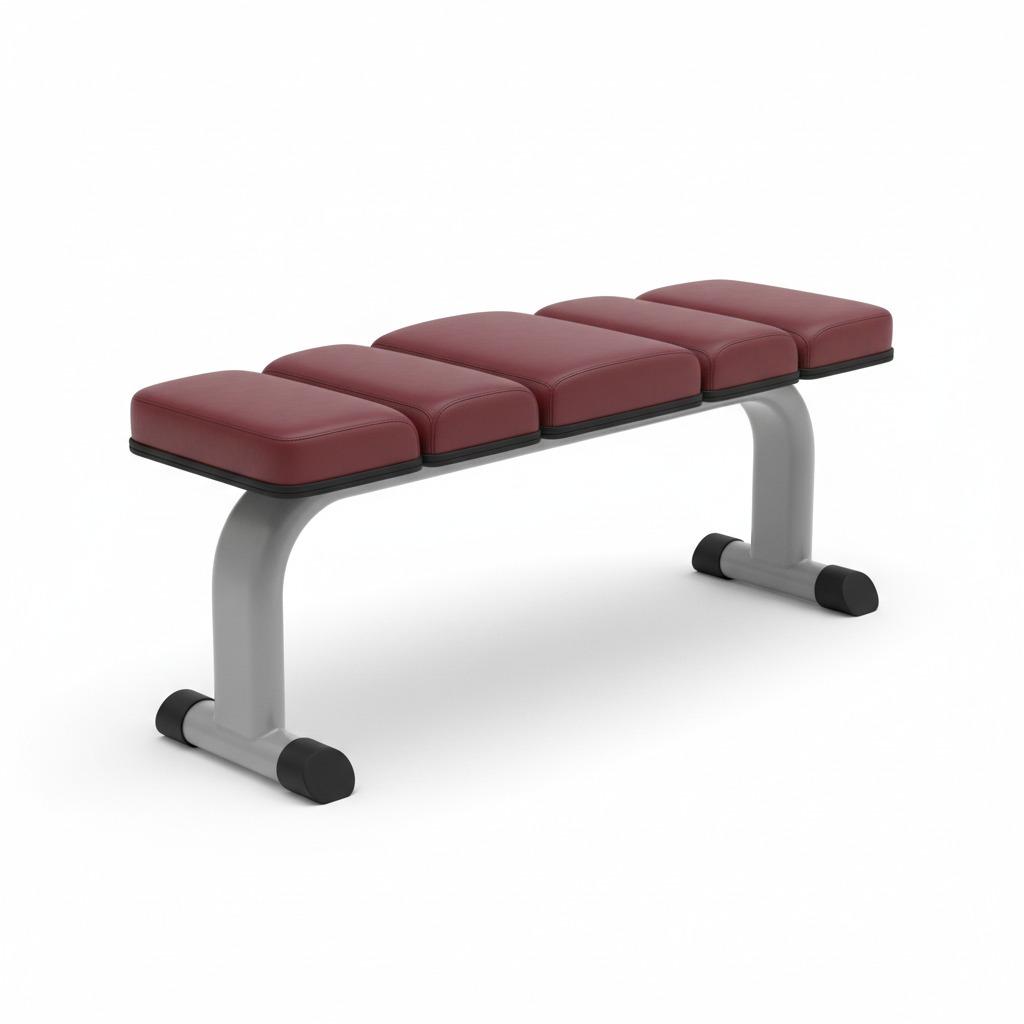
One recurring mistake is buying too many “hero” machines and not enough bread-and-butter pieces. A gym needs anchors: racks, presses, treadmills, bikes, and leg work that members can use without a learning curve. Another mistake is assuming all Commercial Gym Equipment is comparable just because it falls under the same category label.
A second problem is failing to account for maintenance access. A machine may fit on paper, but if technicians cannot reach key parts comfortably, the ownership cost rises quietly. That is especially true for high-traffic strength zones.
Finally, some buyers focus on a supplier’s export footprint and treat it as proof that everything will be fine. Export experience is useful, certainly, but it is not a substitute for reviewing the actual models you plan to buy.
How to approach a supplier discussion
The best buying conversations are specific. Instead of asking whether a supplier has “good quality,” ask for the product family that suits your use case, then request technical drawings, material descriptions, finish details, and a sample comparison between the strength and cardio lines. If you are planning a mixed floor, ask how the equipment will look together and how the floor plan can support traffic flow.
For a procurement team, the real goal is not collecting model names. It is building a reliable, coherent asset base that can survive daily use and still look respectable two years later. That is the standard a serious Fitness Equipment Manufacturer should be able to meet.
Who is MND Fitness Equipment likely to suit?
Based on the information provided, MND FITNESS appears suited to buyers who want a broad catalog from a single source: clubs that need both strength and cardio; distributors looking for multiple series under one supplier relationship; and operators who prefer commercial equipment with enough range to support different market segments.
The breadth of the line is probably its main advantage. Over 300 product types is enough depth to support planning, whether you are building a compact training room or a larger commercial floor with separate zones. If your project needs consistency across several branches, that breadth becomes even more valuable.
A practical next step
If you are evaluating MND Fitness Equipment for a project, start with the use case, not the catalog. Define your floor area, member profile, loading expectations, and service model. Then compare the relevant strength and cardio families against those needs. The right supplier conversation is usually less about whether the brand is known and more about whether the equipment will stay useful after the first rush of installation fades.
For buyers who want a broad commercial range from a manufacturer with established export experience, Shandong Minolta Fitness Equipment Co., Ltd. is worth a closer look. The sensible next move is to request the specific series that match your facility plan, then review them against your own operational requirements before committing to a full order.