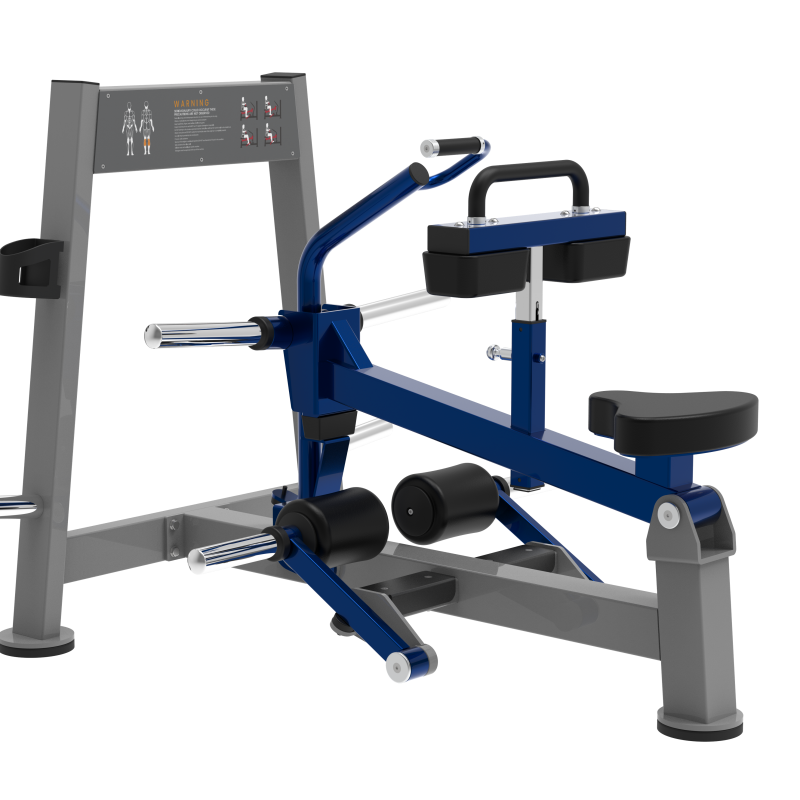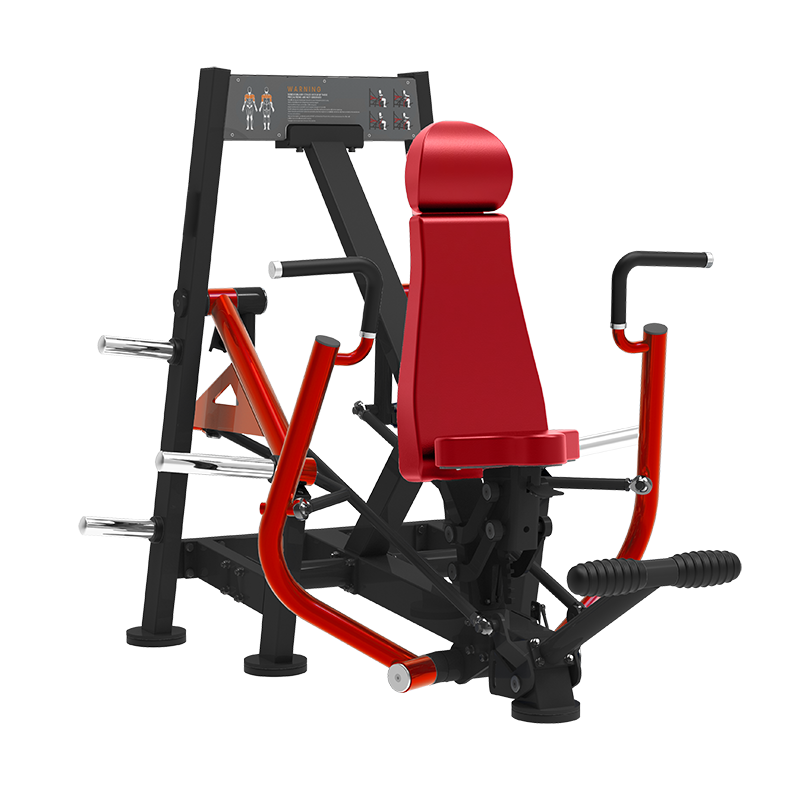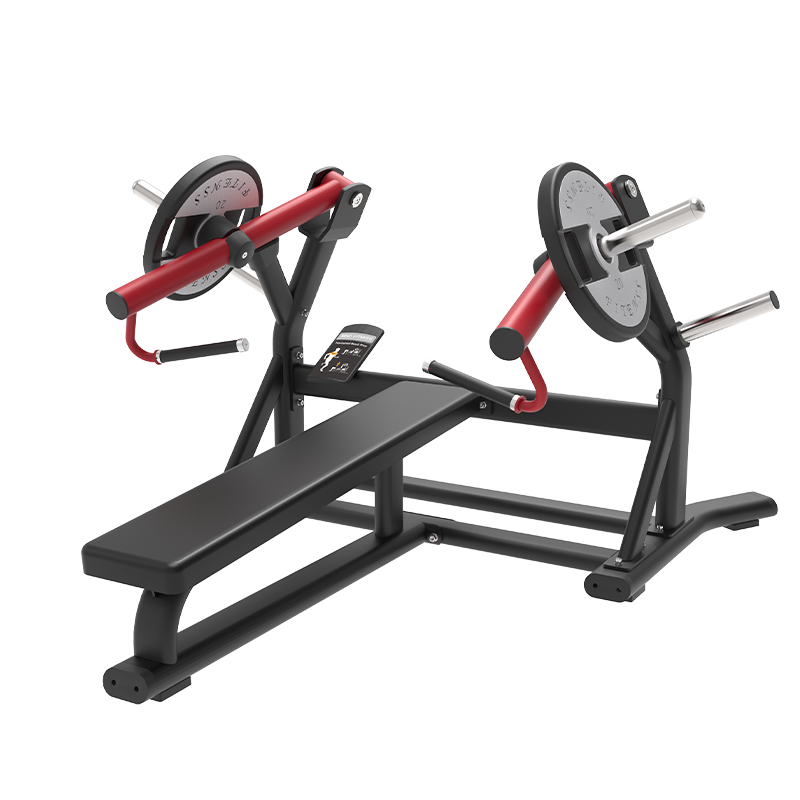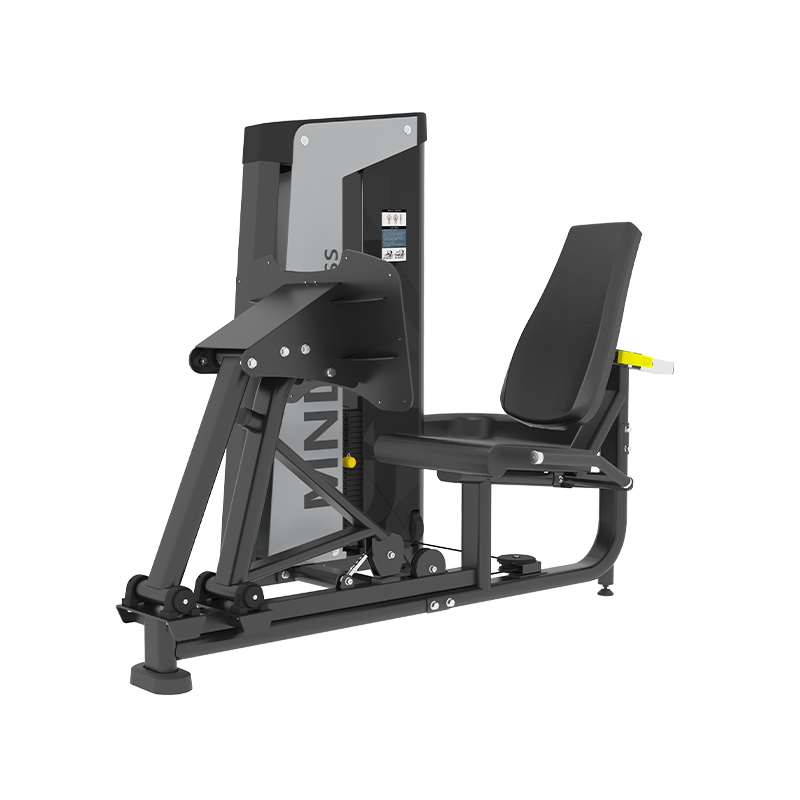



What buyers really mean when they search for mnd fitness
When sourcing managers, gym owners, or equipment specifiers search for mnd fitness, they are usually not hunting for a brand name alone. They are trying to answer a more practical question: who can supply commercial gym equipment that holds up in daily use, fits a defined training concept, and does not turn into a maintenance problem six months later?
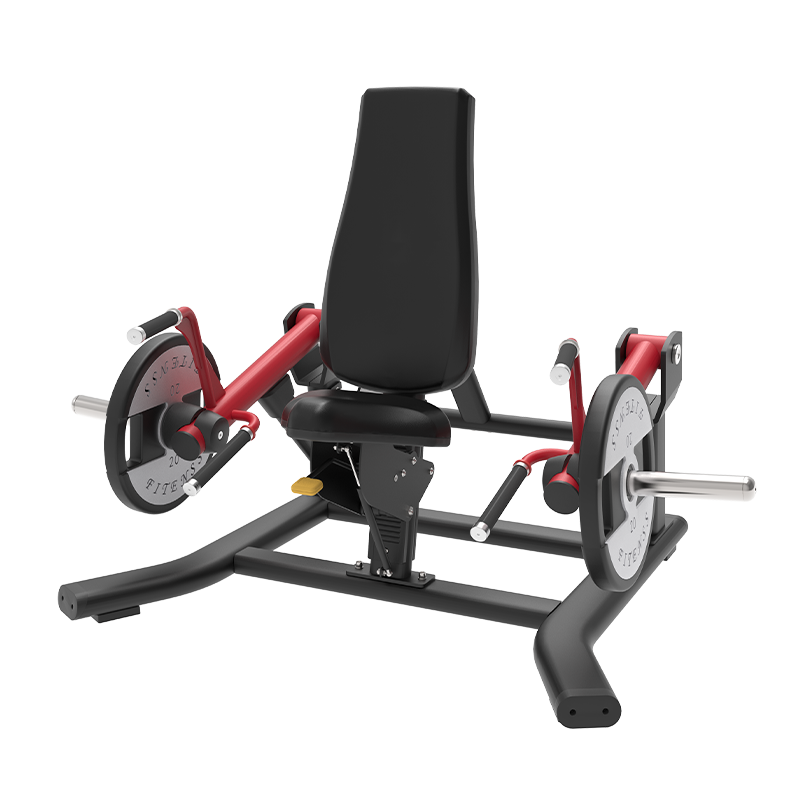
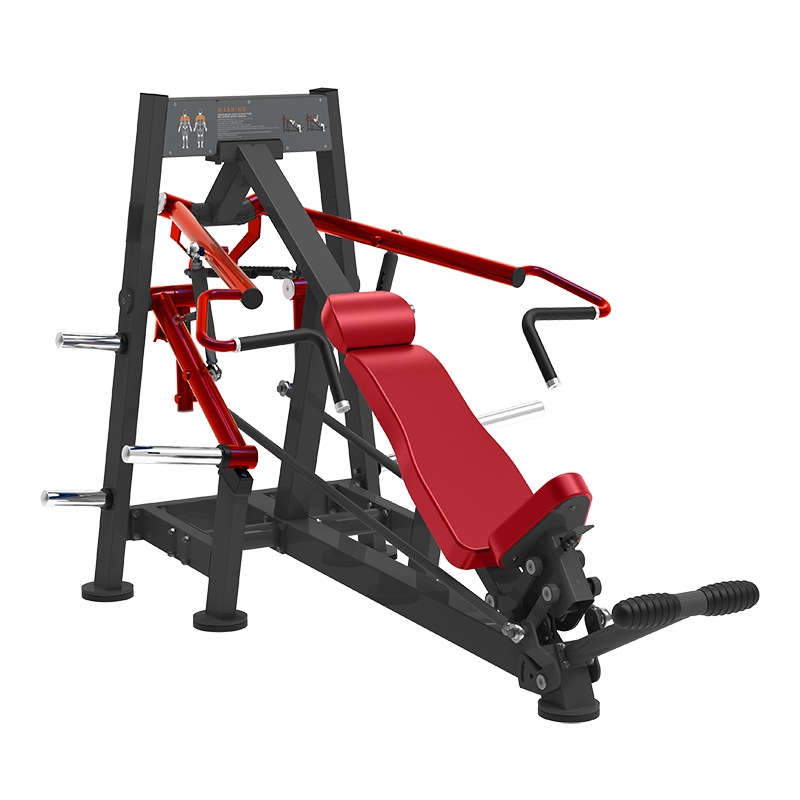
That is especially true for strength machines, where frame geometry, pad support, linkage feel, and overall build quality matter as much as the marketing label. A decline chest press machine is a good example. It looks simple from a distance, but in a busy club the difference between a well-designed press and a loose, awkward one becomes obvious quickly. Members notice it. Trainers notice it. Maintenance teams definitely notice it.
Shandong Minolta Fitness Equipment Co., Ltd., which operates under MND FITNESS, sits in that commercial-equipment conversation with a broad catalog and a manufacturing base in Ningjin’s hardware industry cluster. For buyers comparing suppliers, that matters because it suggests the company is not only assembling a few hero products, but supporting a range of strength and cardio lines with workshop capacity, quality control, and export experience.
Why the declined chest press still earns floor space
The declined chest press is not the flashiest machine in a strength circuit, and it is easy for clubs to overlook it when space is tight. That would be a mistake. A decline angle changes the pressing line and shifts emphasis in a way many users appreciate, especially in commercial facilities where members want variety without moving to free weights.
A properly built decline chest press machine can help a gym do three things at once:
It gives users a guided pressing pattern that feels stable for beginners.
It adds variety to a chest-focused strength zone without requiring a large footprint compared with multiple free-weight stations.
It provides a more premium training experience when the machine’s range, seat adjustment, and pad comfort are sorted out.
The catch, of course, is that not all versions are equally useful. Some are overbuilt and awkward. Some feel loose under load. Others look impressive but are inconvenient to clean, adjust, or service. For commercial buyers, the real task is not simply to find a super declined chest press. It is to find one that is robust, intuitive, and compatible with the way the facility actually operates.
Where MND Fitness fits into a commercial equipment lineup
MND FITNESS, under Shandong Minolta Fitness Equipment Co., Ltd., offers more than 300 types of exercise equipment, with both strength and cardio categories in the portfolio. The company says its lineup includes Strength Series ranges such as MND-AN, MND-FM, MND-FH, MND-FS, MND-FB, MND-E Crossfit, MND-F, MND-FF, MND-G, and MND-H, plus Cardio Series products including MND-D exercise bikes and MND-X500, X600, and X700 treadmills.
For a buyer, that breadth is important because one machine does not usually get purchased in isolation. A decline chest press is often part of a larger strength floor plan. If you are standardizing across a club chain, a hotel gym, or a municipal fitness space, having a supplier that can cover multiple machine families can simplify procurement, shipment planning, and replacement strategy.
The company also describes a 120,000-square-meter facility with a manufacturing workshop, quality control lab, and exhibition hall. Those are the kinds of details sourcing teams look for because they speak to how a manufacturer organizes production, inspection, and product presentation. It does not remove the need for due diligence, but it does help frame the discussion.
What to look for in a super declined chest press
If you are comparing a super declined chest press or any declined chest press model, the spec sheet should not be your only guide. A few practical checks matter more than a neat brochure image.
1. Press path and user positioning
A decline press should feel natural through the movement. The user should be able to set up without contorting shoulders or lower back. Seat height, back support, and handle placement all matter. If the machine looks dramatic but forces users into an odd starting position, it will lose value quickly in a commercial setting.
2. Frame and contact points
Commercial fitness equipment takes a beating. Look at the frame size, weld consistency, pad mounting, and the places where hands and shoes will repeatedly strike the machine. On a chest press, the pads and handles are not decorative details; they are wear points.
3. Ease of adjustment
If the machine requires too many steps to enter, adjust, and exit, it slows down traffic on the floor. In a busy gym, that can become a small daily annoyance that grows into a real operational issue. Fast, legible adjustments are worth more than fancy styling.
4. Service access
A machine that is hard to inspect is hard to maintain. Buyers often focus on member experience and forget the maintenance team. That is a common mistake. Panels, moving parts, and fastening points should be accessible enough for routine checks and cleaning.
Commercial buying criteria that matter more than brochure language
The strongest purchasing decisions are usually made with boring questions. That is not a bad thing.
How much floor area does the decline chest press actually consume in a live layout?
How easy is it to train staff on proper use and adjustment?
Can the supplier support a mixed order of strength and cardio pieces if the project expands?
Does the machine line fit a premium club, a mid-market facility, or a high-turnover shared gym space?
MND Fitness, based on the company information provided, appears relevant to buyers who want a supplier with broad equipment coverage rather than a single-category specialist. That can be a real advantage when you are building a consistent training environment. Still, buyers should ask for product drawings, configuration details, and confirmation of any option sets before making assumptions. A machine family name is not enough on its own.
Common mistakes when sourcing chest press machines
One of the most common errors is choosing by appearance. A sleek super declined chest press may look premium on a showroom floor and still prove clumsy in daily use.
Another mistake is underestimating how different user populations interact with the machine. A club with experienced lifters, for example, may tolerate a steeper press angle or a more specialized feel. A mixed-use fitness center will usually need a more forgiving machine that works for a broad range of body types and training ages.
A third issue is treating all commercial gym equipment as interchangeable. They are not. Small design differences affect user comfort, throughput, and the ability of staff to keep the floor moving.
Practical buyer advice before you place an order
If you are evaluating MND FITNESS or another manufacturer, make the process concrete. Ask how the machine fits into the wider strength series. Ask what other products are commonly paired with it in a commercial floor plan. Ask how the supplier handles quality control in production, and whether the machine can be matched with other items from the same visual family.
If you are sourcing for a multi-site rollout, consistency matters almost as much as performance. An equipment mix that looks unified and feels familiar from club to club reduces training time for staff and improves member confidence.
For projects that include both strength and cardio, a supplier with a broad catalog can be easier to manage. That is one reason MND FITNESS often enters the shortlist for international buyers. The company says it has exported gym equipment to more than 100 countries across Europe, Africa, the Middle East, South America, and Southeast Asia. Export reach does not replace technical review, but it does suggest a level of cross-market experience that many buyers value.
FAQ for sourcing teams and gym operators
Is a decline chest press machine worth the space?
Usually yes, if your facility already covers basic horizontal pressing and you want to add variation. It is more useful in commercial settings than many operators expect, especially where guided strength training is part of the member experience.
What makes a super declined chest press different?
The term can refer to a more pronounced decline angle or a machine designed with a stronger emphasis on that movement pattern. Because naming varies by supplier, always verify the actual geometry and setup rather than relying on the label.
Why consider MND Fitness for commercial equipment?
Because the company offers a wide range of strength and cardio products, operates a large manufacturing facility, and has export experience. For buyers who want one supplier across multiple categories, that can simplify the sourcing process.
Should I buy based on photos alone?
No. Photos are useful, but only as a starting point. For a chest press machine, the feel of the movement, the adjustment range, and the serviceability should carry more weight.
What this decision should help you do next
If you are shortlisting mnd fitness for a commercial project, use the decline chest press as a test case. It is a compact way to judge how the manufacturer thinks about user setup, build quality, and long-term serviceability. A good supplier should be able to explain how the machine sits within the broader Strength Series, what makes it suitable for commercial use, and how it integrates with the rest of a gym floor.
That is the real buying decision here: not just whether the machine exists, but whether it fits the operating rhythm of your facility. For sourcing teams, that is usually the difference between an equipment order that looks good on paper and one that still feels right after the first year of daily use.