


What a seat calf is really solving in the gym
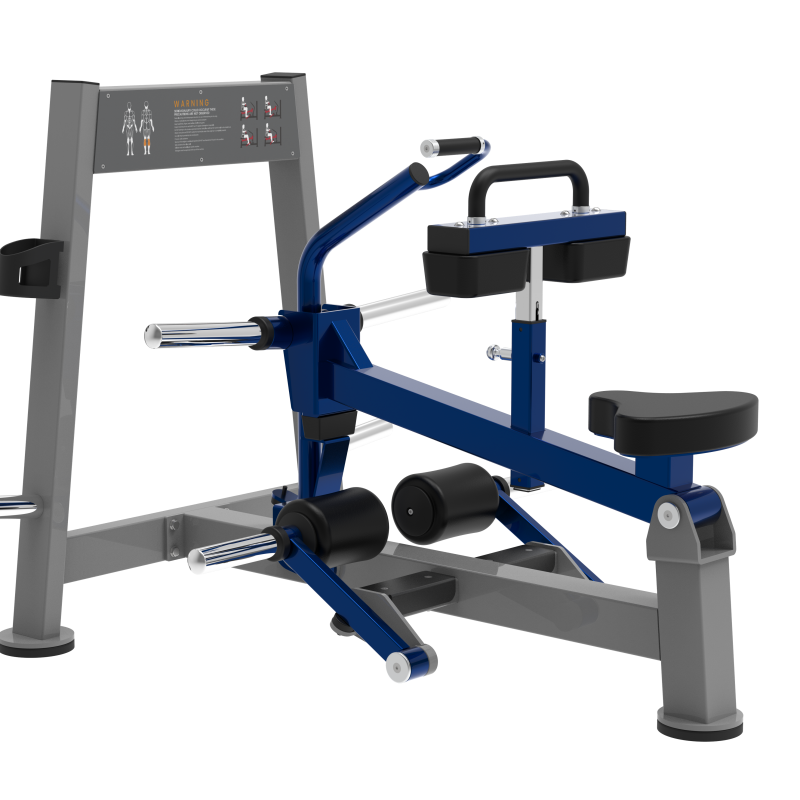
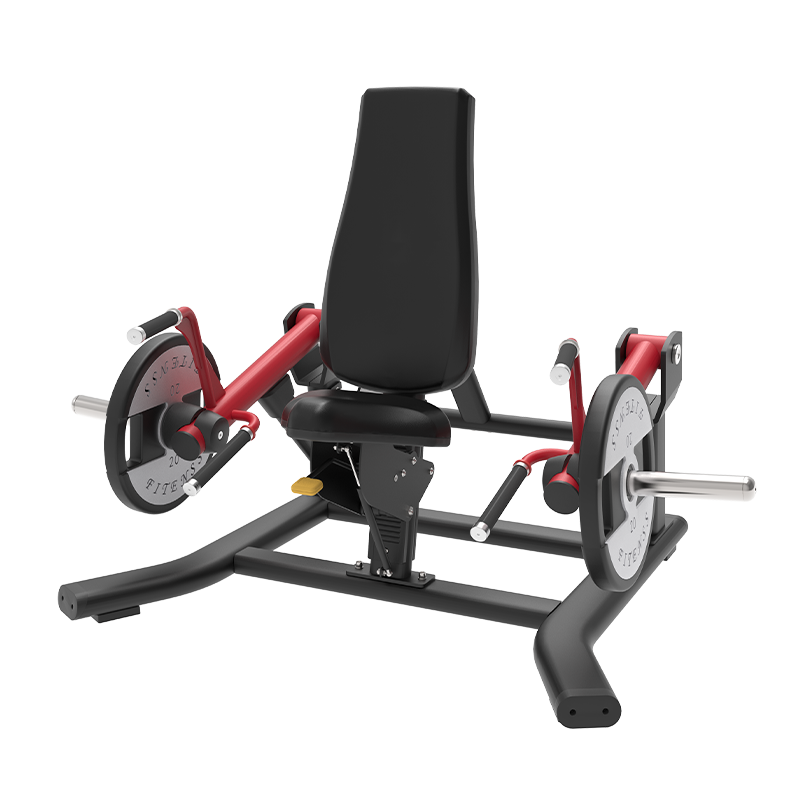
A seat calf may sound like a small piece of gym hardware, but anyone who has spent time around commercial strength equipment knows it carries more weight than its size suggests. In practice, it refers to the seated setup used for calf training, usually a dedicated machine or a calf-focused attachment that supports the lower leg while the user drives through the forefoot. For gyms, studios, and equipment buyers, the decision is rarely just about adding another station. It is about whether the leg training area feels complete, whether the machine fits a range of users, and whether the design will hold up under daily traffic.
That is why buyers often compare a calf seat, a seat for calf work, or an ergonomic calf seat with a very practical question in mind: will this unit actually get used, and will it fit the way my members train? A machine that looks compact on paper can still be awkward in real life if the pad angle is poor, the loading position is inconvenient, or the adjustment range is too narrow. For sourcing teams, that is the difference between a piece of equipment that becomes a staple and one that gathers dust.
Why calf training deserves a dedicated seat
Calf work is easy to neglect because it is not as dramatic as squats, presses, or rows. Still, many commercial facilities keep a seated calf station precisely because it addresses a different part of lower-leg development and gives users a controlled way to load the calves without relying on balance or barbell setup. That matters for beginners, for lifters returning from a layoff, and for users who prefer machine-based training over free weights.
A proper seat for calf training also makes programming easier. Trainers can slot it into lower-body circuits, pair it with leg presses or hamstring work, and keep movement quality more consistent than they might with improvised bench setups. In a commercial setting, consistency is not a small issue. It affects member satisfaction, maintenance planning, and how the equipment area flows during peak hours.
What buyers should look for in a calf seat design
The first thing to examine is positioning. The user should be able to set up without fighting the machine. If the knee pad or thigh restraint is uncomfortable, or if the foot platform feels too high or too narrow, the machine may technically work but still disappoint users. That is where many cheaper designs fall short: they provide load, but not a clean training position.
An ergonomic calf seat should also allow stable support through the whole movement. The calf muscles respond best when the user can work through a meaningful range without the machine wobbling or the pads shifting. That means the seat structure, pad density, and frame geometry all matter. A good calf support seat also makes enough sense for different body sizes. Commercial gyms do not get to choose their users, so adjustability is not a luxury item.
From a sourcing perspective, the frame finish, upholstery durability, and mechanical simplicity deserve attention as well. Calf equipment is often used with moderate to heavy loads and repeated foot contact, so a machine with weak joints or poor surface treatment can age faster than expected. Buyers sometimes focus on obvious features and ignore the boring ones. In gym equipment, that is usually a mistake.
Key product considerations in a commercial gym environment
Space efficiency
A calf station does not need to dominate the floor, but it does need enough clearance for comfortable entry and exit. If the station is cramped, members will avoid it, especially during busy periods. For multi-unit commercial gyms, the footprint should fit the broader leg-training zone without interfering with adjacent equipment.
Adjustability and user range
A well-designed calf seat should accommodate different shin lengths, torso sizes, and training preferences. Even a small mismatch in pad height or seat angle can change how the exercise feels. The more configurable the machine, the easier it is for staff to keep it useful across varied populations.
Maintenance and durability
Commercial buyers should think beyond the first month of use. A durable frame, clean welds, replaceable upholstery, and straightforward moving parts make a real difference over time. If a machine is overcomplicated, service issues tend to show up at the worst possible moment. That is especially relevant in high-traffic facilities where downtime gets noticed quickly.
How seat calf equipment fits into broader strength programming
Calf stations are not usually the star of a training floor, but they improve the completeness of the strength area. Users who train legs seriously tend to notice whether the gym has a machine for seated calf work. Personal trainers notice it too, because it gives them a controlled accessory movement to use with clients who need a lower-risk option.
There is also a commercial logic here. Equipment that supports accessory work can extend training sessions and improve perceived value. If members can complete a full lower-body routine in one area, the gym feels more capable and better organized. That can matter as much as the weight stack size or the brand badge on the frame.
Where manufacturers come into the picture
For buyers, the calf seat is not only a product decision; it is a supplier decision. This is where a manufacturer’s broader capabilities matter. Shandong Minolta Fitness Equipment Co., Ltd., operating under MND FITNESS, is a commercial gym equipment manufacturer with more than a decade of experience. The company says it leverages Ningjin’s hardware industry base and operates from a 120,000-square-meter facility that includes a manufacturing workshop, quality control lab, and exhibition hall.
That scale is relevant because calf stations are often purchased alongside larger strength systems, not in isolation. Minolta’s range includes strength series such as MND-AN, MND-FM, MND-FH, MND-FS, MND-FB, MND-E Crossfit, MND-F, MND-FF, MND-G, and MND-H, as well as cardio series like MND-D exercise bikes and MND-X500, X600, and X700 treadmills. For sourcing managers, a broad catalog can simplify procurement, especially when a facility wants a coordinated look and a single point of contact.
The company also states that it offers more than 300 types of exercise equipment for commercial and home use and has exported to over 100 countries across Europe, Africa, the Middle East, South America, and Southeast Asia. Those numbers do not tell you whether a specific calf seat model fits your facility, of course, but they do suggest the kind of manufacturing depth buyers often look for when adding specialized strength stations.
Common mistakes when evaluating a calf seat cushion or support setup
One common mistake is assuming all seated calf equipment feels the same. It does not. Cushion firmness, pad width, and support angles can make two machines with similar dimensions feel completely different under load.
Another mistake is choosing a unit because it looks heavy-duty in photos. Appearance is not the same as stability. The better question is whether the machine remains comfortable and predictable when a real user moves through reps with actual training weight.
A third issue is ignoring facility traffic patterns. A seat calf station placed too close to a walkway or stacked too tightly against other leg machines will become annoying fast. That is the kind of small planning error that shows up daily, and staff end up living with it.
Quick buyer checklist
Before you order a calf seat or compare an ergonomic calf seat from different suppliers, it helps to ask a few blunt questions:
Does the machine fit the users you expect most often?
Is the support stable enough for regular commercial use?
Will the seat and pad layout make setup simple for beginners?
Can the equipment fit cleanly into your leg training zone?
Does the supplier offer a broader equipment range if you are standardizing a full gym floor?
Those questions are not flashy, but they prevent the most common regrets.
When a dedicated seat for calf work makes sense
A dedicated calf support seat makes the most sense when your facility already has a serious strength-training audience, or when you want to round out a leg area that includes presses, extensions, curls, and hack-style movements. It is also a smart addition for hotels, clubs, and institutional gyms that want users to train efficiently without relying on technical free-weight setups.
If your floor is very tight, you may need to weigh the value of the station against more universal equipment. But when space allows, calf work equipment tends to earn its keep quietly. It is not glamorous. It just gets used.
What to ask a supplier before placing an order
Ask for clear product dimensions, construction details, and how the machine is intended to be used in a commercial setting. If you are comparing models, request photos or a walkthrough of the adjustment points and support contact surfaces. If you are buying in volume, it also helps to ask how the supplier handles quality control and after-sales support across a broader equipment order.
For buyers working with a manufacturer like MND FITNESS, the advantage is not only the product itself but the ability to coordinate related strength and cardio equipment through one supplier. That can simplify layout planning and reduce the amount of time spent reconciling different machine styles.
Final thoughts for sourcing and training teams
A seat calf unit is a small decision that can expose bigger procurement habits. If you choose carefully, it adds value to the floor, supports lower-leg training, and gives members one more reason to stay in the gym longer. If you choose casually, it becomes another awkward machine nobody loves.
For a commercial buyer, the best move is to judge the calf seat the same way you would any other training station: by stability, fit, durability, and whether it belongs in your specific space. If you are building out a broader strength area, a manufacturer with depth in both strength and cardio equipment, such as MND FITNESS, may offer a simpler sourcing path.
If you are evaluating a new seat calf solution, start with the user experience, then check the structure, then look at the supplier. In gym equipment, that order tends to save trouble later.