


What buyers usually mean when they search for MND Fitness Equipment Minolta
When sourcing MND Fitness Equipment Minolta, most buyers are not just looking for a brand name. They are trying to answer a more practical question: which commercial gym equipment line will hold up in daily use, fit the floor plan, and make sense for the budget and service model they already have in place. That is especially true for operators comparing imported strength machines, multi-station setups, and cardio ranges for clubs, hotel gyms, schools, or training studios.
Shandong Minolta Fitness Equipment Co., Ltd. sits in a part of China that is known for hardware manufacturing, and that matters more than a marketing brochure usually admits. Buyers do not choose a supplier like this because of a glossy catalog alone. They choose it because they need a range wide enough to build a complete facility, and a factory large enough to support repeat orders, inspection, and product consistency over time.
A quick view of the Minolta range
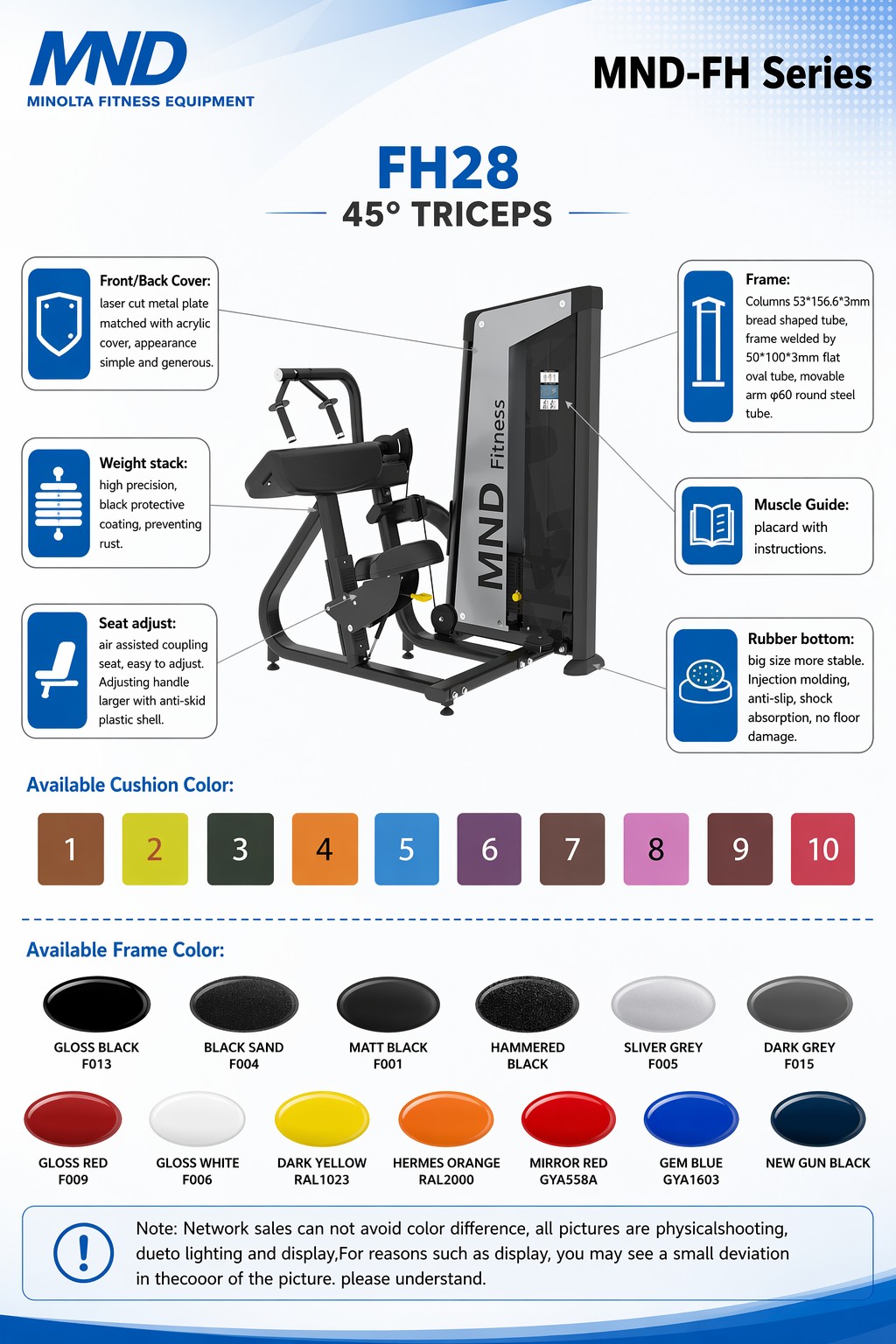
Minolta’s commercial lineup includes both strength and cardio categories. On the strength side, the company lists multiple series: MND-AN, MND-FM, MND-FH, MND-FS, MND-FB, MND-E Crossfit, MND-F, MND-FF, MND-G, and MND-H. For cardio, the range includes MND-D exercise bikes and treadmill models such as MND-X500, X600, and X700.
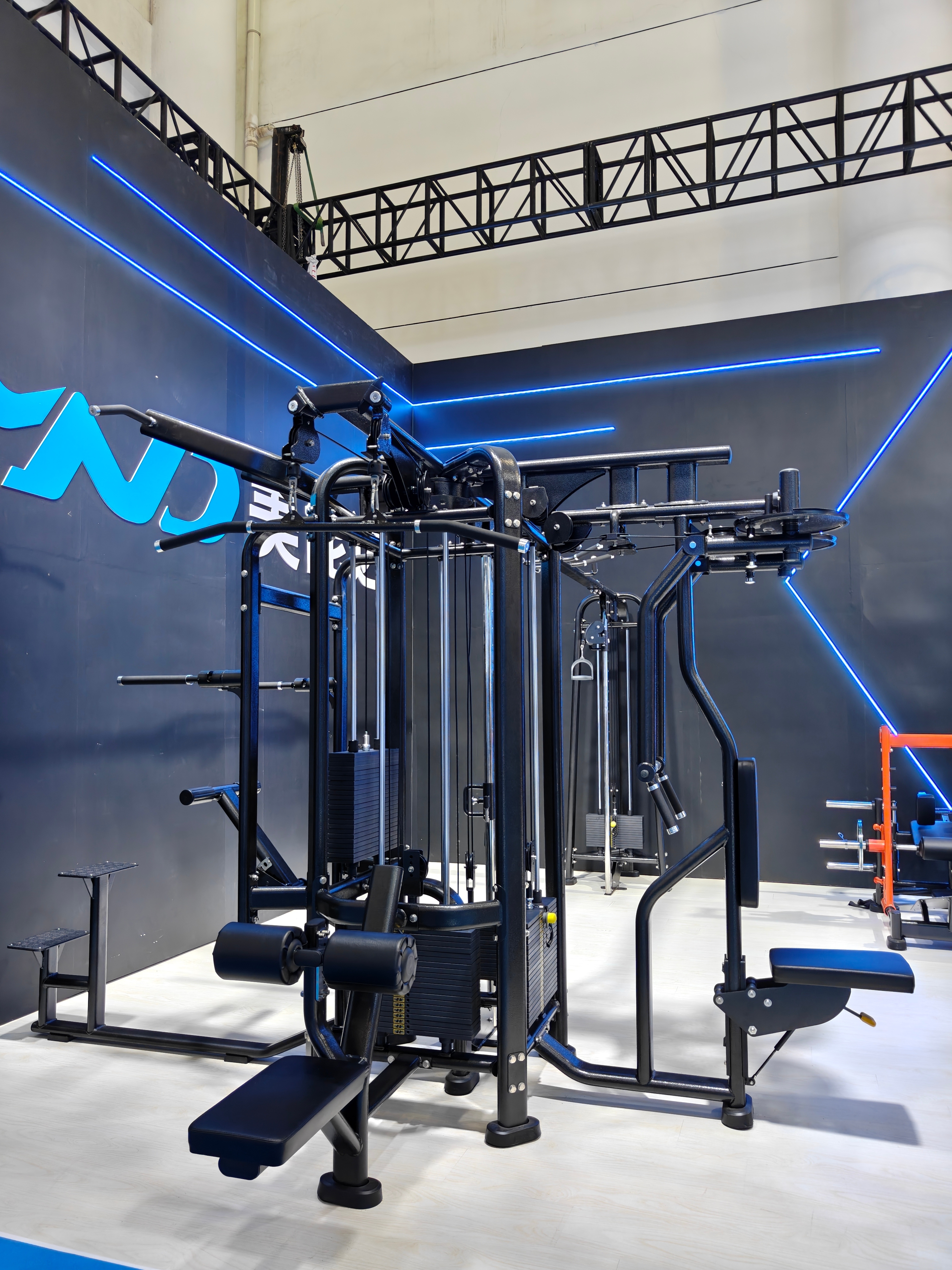
That breadth is useful because buyers often need a mixed floor, not a single hero machine. A studio may want selectorized machines for general users, while a stronger commercial gym may need plate-loaded pieces and rack-based training stations. A hotel, by contrast, usually prioritizes ease of use, compact footprints, and equipment that can survive moderate but steady traffic without constant adjustment.
Why this range matters to sourcing teams
The main value of a broad catalog is planning flexibility. If one supplier can cover multiple categories, purchasing becomes easier to coordinate, and the visual style across the gym tends to feel more unified. That said, range alone is not enough. A buyer still needs to verify construction details, upholstery durability, pulley action, frame stability, and how the machines are packaged for shipment. A wide catalog can hide uneven depth if nobody checks carefully.
What stands out about the manufacturer
MND FITNESS says it has more than a decade of experience in the fitness equipment sector and operates a 120,000-square-meter facility with a manufacturing workshop, quality control lab, and exhibition hall. Those details are worth noting because they suggest a manufacturer that is set up for both production and inspection, not just assembly.
For commercial buyers, that structure matters in plain terms. A workshop handles fabrication and assembly. A quality control lab should support routine checks before shipment. An exhibition hall, while not a technical feature, often tells buyers that the factory is used to hosting visitors, showing models, and comparing product lines side by side. None of that replaces a proper technical review, but it does help a sourcing team gauge whether the supplier is organized enough to support larger orders.
Minolta also says it has exported gym equipment to more than 100 countries across Europe, Africa, the Middle East, South America, and Southeast Asia. Export history is not a guarantee of fit for every market, but it usually indicates the company has dealt with different electrical standards, shipping channels, customs processes, and commercial expectations. Buyers should still confirm local compliance and retailer requirements themselves; export experience does not automatically solve those questions.
Selectorized machines, plate-loaded pieces, and cardio: how to think about the line
People often search for MND selectorized machines when they really mean reliable, easy-to-use equipment for general membership traffic. Selectorized units are usually the backbone of a commercial floor because users can change weight quickly and move through a circuit without much instruction. That makes them useful for busy gyms, rehabilitation-adjacent facilities, and facilities where staff time is limited.
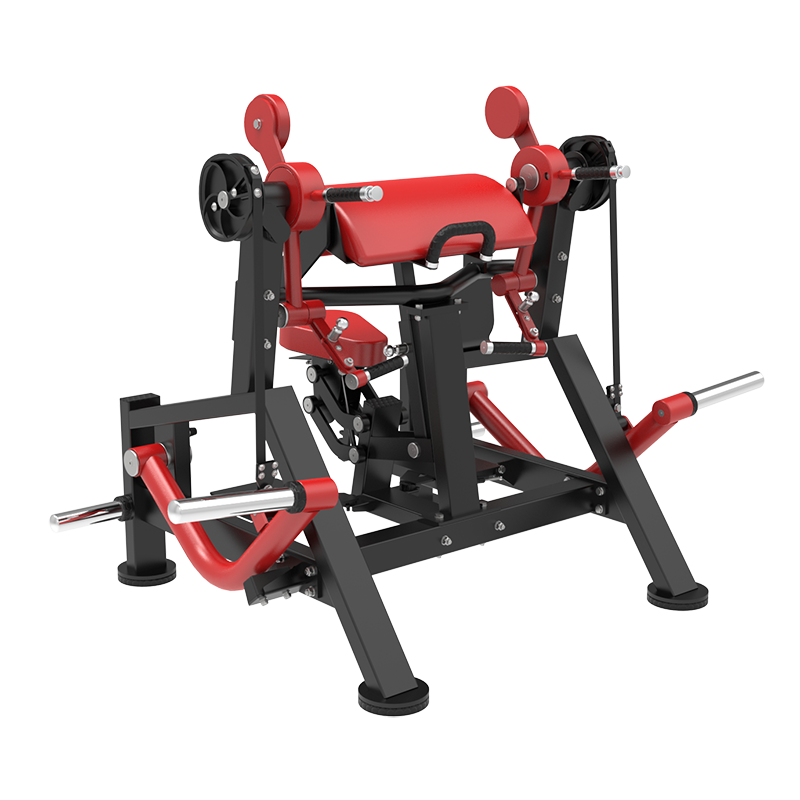
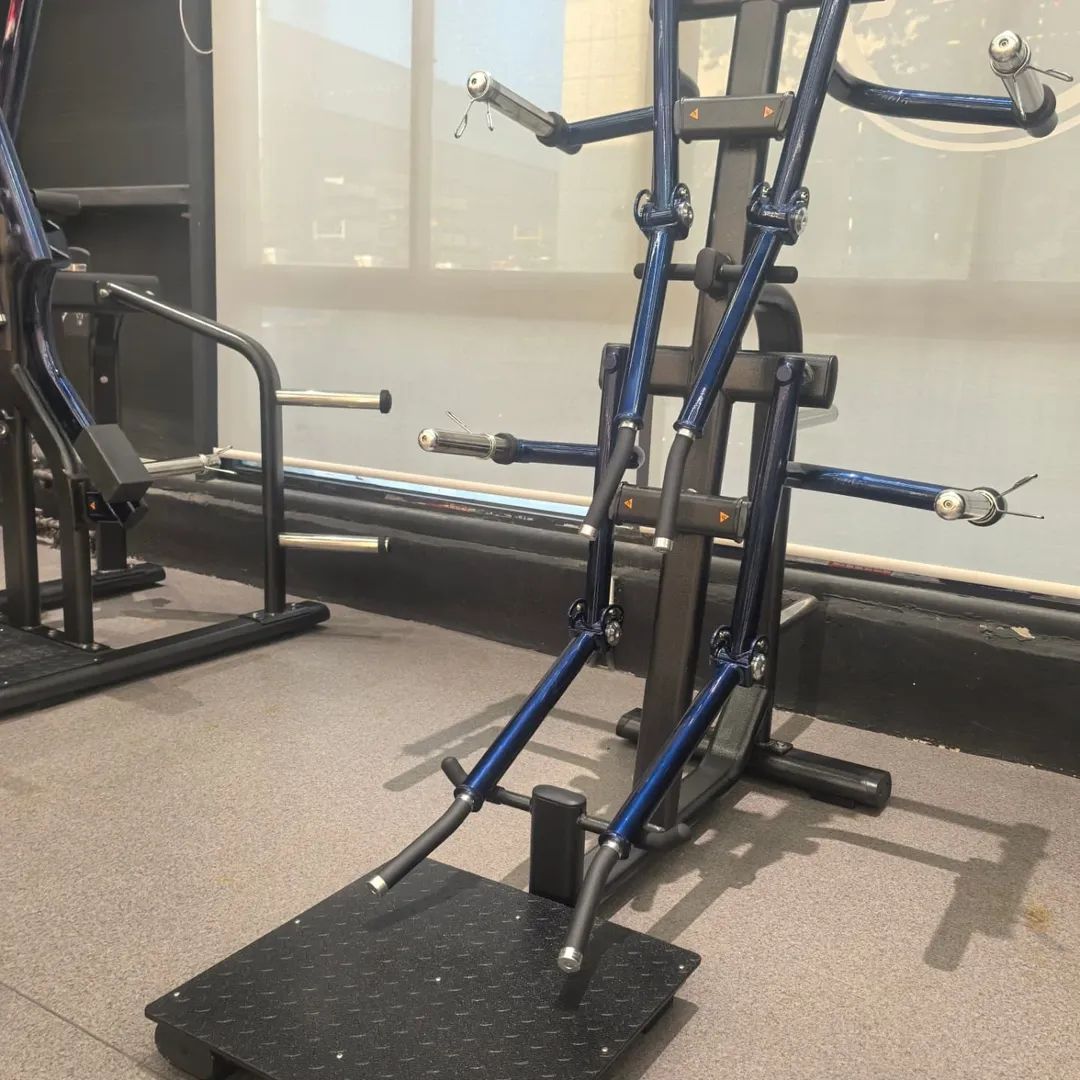
By contrast, MND strength training equipment may also include heavier-use pieces for advanced users, functional training, and strength-focused zones. Here the buying decision becomes more nuanced. A facility may need machines that look impressive, but appearance is secondary to movement quality, lever geometry, and service access. If a machine is difficult to maintain, it can become an expensive object quickly.
Cardio equipment adds another layer. A treadmill line such as MND-X500, X600, or X700 can be evaluated differently depending on the facility type. In a hotel gym, easy operation and dependable day-to-day performance may matter more than a long spec sheet. In a club with high turnover, belt feel, console usability, and maintenance access are more important than a polished sales sample.
How to evaluate MND Minolta gym equipment before placing an order
A good sourcing review should go beyond product photos. Buyers evaluating MND Minolta gym equipment should ask for the details that actually affect the life of the equipment in the field.
First, look at the frame construction and welding quality. Commercial fitness equipment lives or dies by its structure. Clean welds, sensible bracing, and a frame design that does not flex excessively under load are basic requirements, not bonuses.
Second, review the upholstery, grips, and moving parts. A machine may look sturdy in a catalog, but daily use reveals whether foam breaks down, handles spin, or adjustment pins jam after repeated use. These are small issues on paper and large issues on a gym floor.
Third, ask how the line is packaged. For imported commercial equipment, shipping damage can erase any advantage from a good purchase price. Carton design, internal protection, and parts labeling affect installation time and the number of headaches the receiving team faces.
Fourth, confirm serviceability. Even a well-made machine needs routine tightening, replacement parts, and occasional cable or bearing attention. Buyers should know whether the supplier can support repeat orders of consumables and replacement components.
Where MND Fitness Equipment Minolta may fit well
This type of supplier often fits buyers who need a broad commercial range and prefer to source strength and cardio from one manufacturer. That is especially relevant for new gym projects, franchise rollouts, and distributors assembling a mid-market lineup.
It may also fit buyers who want to standardize on a single visual language across different product types. If a facility has one strength series, another cardio series, and a third supplier for accessories, the floor can feel patched together. A more coordinated range can make the room look deliberate, which is not a trivial point in commercial fitness. Members notice.
Still, buyers should not assume every series behaves the same way. One product line may be better suited to heavy-use club settings, while another may make more sense for compact studios or mixed-use facilities. The right move is to compare model by model rather than rely on brand familiarity alone.
Common mistakes buyers make
The first mistake is treating brand range as proof of quality across every item. A large catalog does not mean every machine shares the same frame thickness, finish quality, or motion feel.
The second mistake is buying only from pictures and product names. That is especially risky with MND fitness equipment, because different series can target different use cases. A selectorized machine, a CrossFit-oriented station, and a treadmill do not need the same buying criteria.
The third mistake is forgetting the operating environment. A private training studio, a school gym, and a hotel fitness room all place different demands on equipment. Heavy traffic, novice users, and maintenance routines can change the right specification more than many buyers expect.
The fourth mistake is ignoring after-sales logistics. Replacement parts, packing lists, installation support, and communication speed all matter once containers arrive. In the real world, purchase order approval is the easy part.
Practical buying advice for sourcing managers
If you are comparing MND Fitness Equipment Minolta against other commercial suppliers, start with the end use. Decide whether you are buying for a premium club, a value gym, an institutional facility, or a mixed commercial floor. Then ask the supplier to narrow the range to the models that suit that setting.
It also helps to request the same type of information for every candidate machine: construction notes, dimensions, product photos from multiple angles, packaging details, and available support for repeat orders. If a supplier responds clearly and consistently, that is usually as informative as the brochure itself.
One small but useful caution: do not overbuy for the room you have. More equipment is not always better equipment. A crowded floor can feel less premium than a smaller, better arranged one with machines people actually use.
FAQ
Is MND Fitness Equipment Minolta only for commercial gyms?
No. The company description says its equipment is tailored for both commercial and home use, although the strength and cardio range clearly suits commercial buyers especially well.
Does the company offer enough variety for a full gym project?
Based on the provided information, yes. With over 300 types of exercise equipment and multiple strength and cardio series, it appears positioned for broader facility builds rather than single-product purchasing.
What should buyers verify before ordering?
Check machine construction, finish quality, packaging, service parts, and whether the specific models match the usage level of your facility. For export orders, local compliance and logistics should also be reviewed carefully.
A sensible next step
If you are shortlisting MND Fitness Equipment Minolta, the best next move is to narrow your list by facility type and usage intensity, then compare the exact models in the relevant series. That approach saves time, reduces mismatch risk, and gives you a clearer basis for price discussions and technical review.
For sourcing teams, the supplier question is never just “what do they make?” It is “what can they support consistently, and which part of our project does that actually solve?” With Minolta, the answer seems to begin with range, manufacturing scale, and export experience. The rest depends on the details you verify before the order goes out.