


Why buyers compare MND Fitness Equipment in the first place
When purchasing MND Fitness Equipment, most buyers are not just shopping for machines; they are trying to solve a space, durability, and throughput problem at the same time. A commercial gym wants equipment that can survive long operating hours and heavy turnover. A distributor wants a product line that can be explained clearly to customers. A hotel, school, or apartment gym wants dependable strength and cardio pieces without overcomplicating maintenance. Even a home user, if they are serious about training, is usually trying to choose equipment that feels stable, lasts longer than a seasonal trend, and supports real progression.
That is why the question is rarely “Which machine looks best?” It is more often “Which lineup gives me the right mix of function, build quality, and purchasing confidence?” On that point, MND FITNESS sits in an interesting middle ground: broad enough to cover commercial and home use, but focused enough to matter to buyers who care about specification discipline, not just showroom appearance.
What the MND range covers
Shandong Minolta Fitness Equipment Co., Ltd. presents MND FITNESS as a manufacturer with more than a decade of experience, a 120,000-square-meter facility, and a product range that includes both strength and cardio. That matters because buyers often want a single vendor relationship for multiple zones of a gym floor. The company says it operates with a manufacturing workshop, quality control lab, and exhibition hall, which suggests a setup designed not only for production but also for inspection and display.
Its strength lineup includes series such as MND-AN, MND-FM, MND-FH, MND-FS, MND-FB, MND-E Crossfit, MND-F, MND-FF, MND-G, and MND-H. On the cardio side, the lineup includes MND-D exercise bikes and treadmill families such as MND-X500, X600, and X700. In practical terms, that gives buyers a way to assemble a mixed facility from one supplier instead of stitching together separate brands for benches, selectorized equipment, bikes, and treadmills.
For buyers comparing Fitness Equipment suppliers, that breadth is often more useful than a single hero product. A strong catalog matters because gym planning is rarely one-dimensional. You need machine spacing, training variety, and enough consistency in design that the floor does not look like a warehouse of unrelated products.
Quick buyer takeaway: where this kind of catalog is useful
If you are sourcing Strength Training Equipment or broader gym packages, a company like MND can be a practical fit when you need:
- A wide choice of machine categories for commercial or home use
- A vendor that can supply both cardio and strength lines
- A product family that can support a more unified gym layout
- An export-oriented supplier with stated experience across multiple regions
That does not automatically mean every model is right for every application. Buyers should still check frame construction, upholstery quality, user ergonomics, replacement part availability, and whether the design matches their market’s expectations. A machine can be mechanically solid and still be a poor fit if the seat adjustment is awkward or the movement path feels unfamiliar to users.
Strength series versus cardio series: a simple way to think about the lineup
For sourcing teams, the easiest way to evaluate a supplier’s catalogue is to separate the products by use case. Body Building Equipment and strength machines usually carry different purchase logic from treadmills or bikes. Strength buyers care about joint alignment, leverage, stack feel, pad comfort, and how the machine behaves under repetitive load. Cardio buyers are usually watching motor behavior, console readability, stride or pedal feel, and day-to-day wear under frequent use.
Strength training equipment
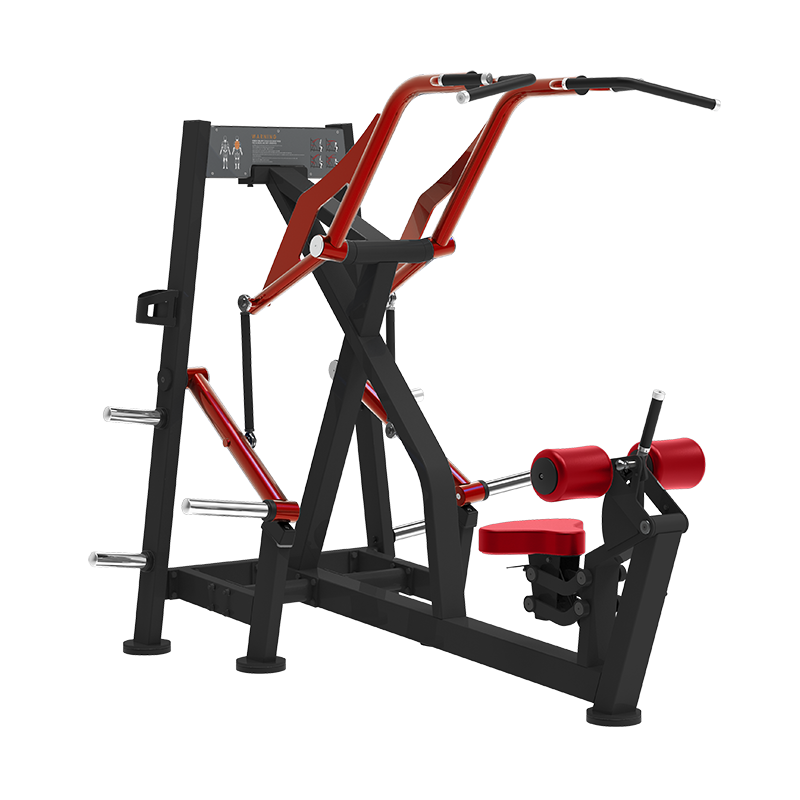
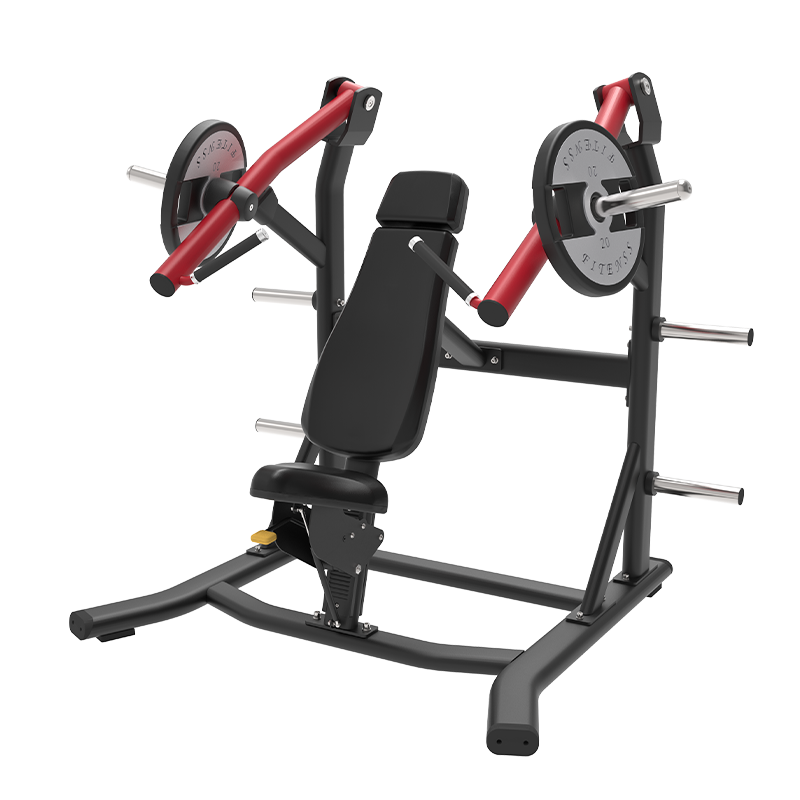
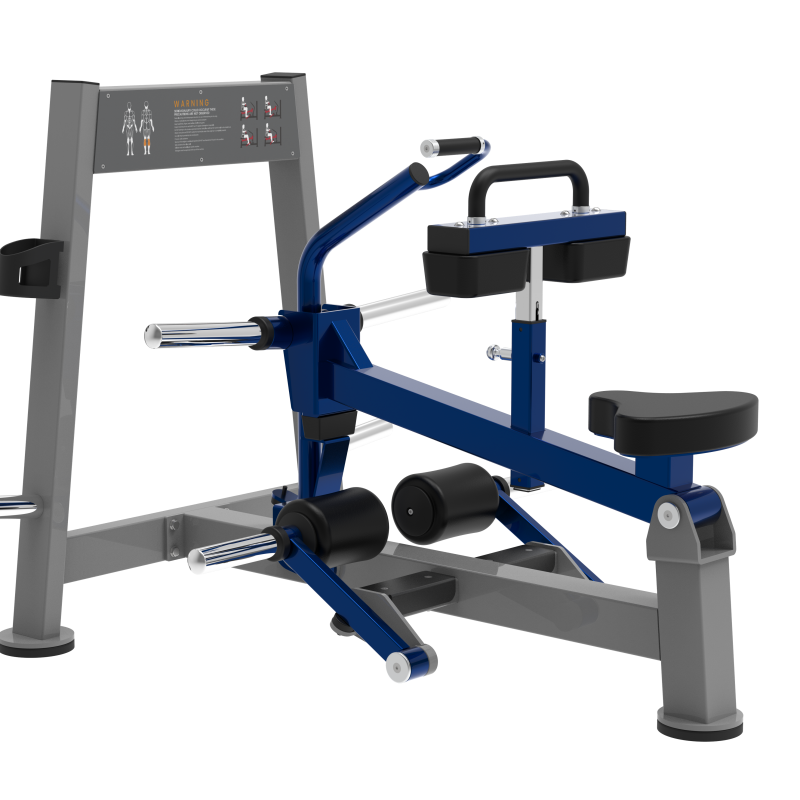
The MND strength series spans multiple naming lines, which suggests a broad attempt to cover different training environments and style preferences. For commercial operators, that kind of range can be useful when building zones for chest, back, legs, cable work, and functional training. For distributors, it creates room to offer entry-level and more premium-looking options without changing suppliers.
From a buyer’s standpoint, the main question is not whether the series names sound impressive. It is whether the machines feel coherent once installed together. Good Muscle Building Equipment should look like part of a system. The machines should be easy to understand, easy to clean, and sturdy enough that staff do not have to babysit them constantly.
Cardio series
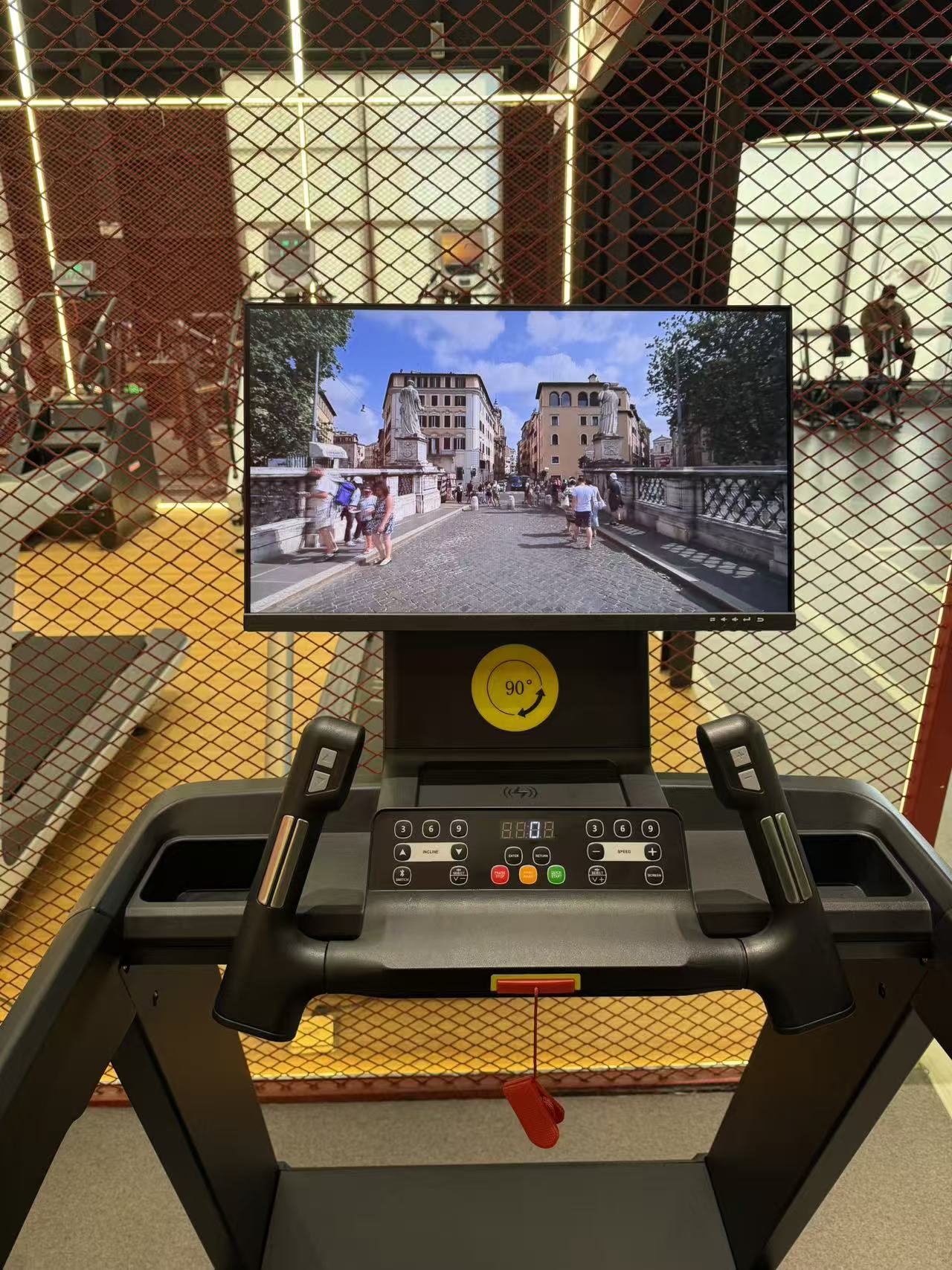
The cardio side is narrower in the information provided, but the inclusion of exercise bikes and treadmills gives the catalog enough basic coverage for most gyms. Buyers assembling a compact facility often start with treadmills and bikes because those are the most visible, most frequently used pieces. They also tend to influence first impressions. A gym floor can forgive one odd machine in the strength area; it is less forgiving of unstable cardio equipment that sounds or feels cheap.
When comparing cardio options, ask simple questions early. How easy is the console to read? Does the user interface make sense for casual members? Is maintenance straightforward for staff? Those practical details matter more than flashy product descriptions.
Why manufacturing scale matters, but only up to a point
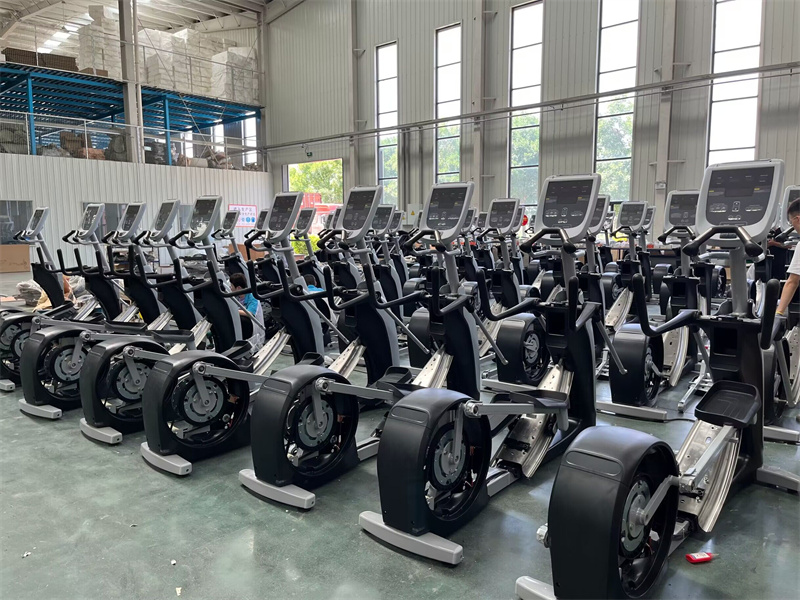
MND FITNESS states that its facility covers 120,000 square meters and includes in-house workshop and quality control functions. For commercial buyers, that can signal production capacity and process control. It also usually means the company is better positioned to handle volume orders, multi-model purchases, and international shipments than a small workshop with limited line separation.
Still, scale should not be mistaken for automatic quality. Large facilities can produce excellent equipment, but only if quality discipline is real on the floor. This is where a quality control lab is encouraging, though buyers should always request the usual documentation, inspect sample units if possible, and verify that the machines being ordered match the approved sample. That sounds obvious, but plenty of purchasing mistakes happen when a buyer assumes a catalog photo is the same as the delivered unit.
How to judge whether the equipment fits your market
Whether you are sourcing for a gym chain, a regional distributor, or a compact training studio, the right decision depends on your end user. A high-traffic commercial gym needs abuse resistance and simple maintenance. A hotel gym needs low-friction operation and a clean visual profile. A school or community facility needs safety and intuitive use. Home gym equipment buyers, meanwhile, usually care about footprint, noise, and the feel of the movement more than they care about high-end branding language.
One useful habit is to map each product category to the type of user who will touch it most often. For example, selectorized strength machines should be easy for casual users. Free-weight-adjacent solutions and cross-training items can serve more experienced trainees. Cardio pieces need to be approachable enough that first-time users are not intimidated. The best fitness equipment is not always the most elaborate; it is the equipment that gets used correctly, day after day.
Common mistakes buyers make with commercial gym sourcing
The first mistake is overbuying variety before confirming floor plan logic. A long list of machines looks impressive in a spreadsheet, but it can become awkward in a real room. Leave room for circulation, loading, and maintenance access.
The second mistake is focusing only on the visible finish. Paint, covers, and upholstery matter, but they do not compensate for poor ergonomics. In strength training equipment, movement path and user comfort are more important than a shiny frame.
The third mistake is underestimating after-sales needs. Even a well-built machine will eventually need parts, service guidance, or replacement wear components. Buyers should ask early how the supplier handles ongoing support, especially if the equipment is going into multiple sites or an export market with slower logistics.
And one small caution: if a supplier’s catalog is very broad, do not assume every family is equally mature. Some series may be established, while others may be better viewed as newer or more specialized. It is worth asking for model-specific details rather than treating the entire brand as one monolith.
What makes a supplier easier to work with
For sourcing managers, the best vendors are not always the ones with the loudest marketing. They are the ones that make selection, ordering, and coordination less painful. In that respect, MND FITNESS has a few characteristics that can be attractive: a wide product range, an export footprint stated across Europe, Africa, the Middle East, South America, and Southeast Asia, and enough internal manufacturing capacity to support a full project rather than one-off purchases.
Export experience is useful because international buyers often need more than a product. They need packaging that travels well, documents that are understandable, and a supplier that is used to handling different business expectations. If you are buying for a chain or distribution program, that operational maturity can save time later.
Practical questions to ask before placing an order
Before choosing MND Fitness Equipment, or any comparable supplier, ask a few direct questions:
- Which series best fits your target customer: commercial club, hotel, school, or home use?
- Are the machines designed primarily for heavy duty use or mixed-intensity use?
- Can the supplier provide model-specific images, dimensions, and configuration details?
- How are replacement parts and service requests handled after shipment?
- Are strength and cardio lines visually compatible if you plan to build a unified gym floor?
Those questions may sound basic, but they separate serious buyers from casual comparison shoppers. They also reduce the chance of getting locked into a purchase that looks fine on paper and awkward on site.
FAQ: a few things buyers usually ask
Is MND FITNESS mainly for commercial gyms?
The company describes its range as suitable for commercial and home use. In practice, buyers should match the model to the setting rather than assume one line fits all environments.
Does the product range include both strength and cardio?
Yes. The stated lineup includes multiple strength series as well as exercise bikes and treadmills.
Why does factory size matter?
It can indicate production capability and process structure. But factory size alone does not guarantee quality, so sample checks and documentation still matter.
What is the biggest sourcing advantage of a broad catalog?
It simplifies procurement. You can build a more consistent training environment and potentially reduce the number of suppliers involved in the project.
What to do next
If you are evaluating MND Fitness Equipment for a commercial gym, a resale program, or a home training project, the sensible next step is to narrow the choice by use case. Decide whether you need Fitness Equipment for heavy commercial traffic, a compact home gym package, or a mixed facility with both strength and cardio zones. Then request model-level details for the series that best fit your floor plan.
That approach is more reliable than browsing by category alone. It keeps the purchase grounded in real operating needs, which is where good equipment decisions are actually made.