


Why a pectoral machine still earns floor space in modern gyms
A pectoral machine is one of those pieces of gym chest equipment that looks simple until you watch how often it gets used. In a busy commercial gym, it pulls double duty: it gives beginners a stable path for chest work, and it gives experienced lifters a way to isolate the pecs, rear delts, or upper-back muscles without turning the session into a balance contest. For buyers, that matters because the right selectorized machine can increase training throughput, reduce coaching burden, and make a strength area feel more complete.
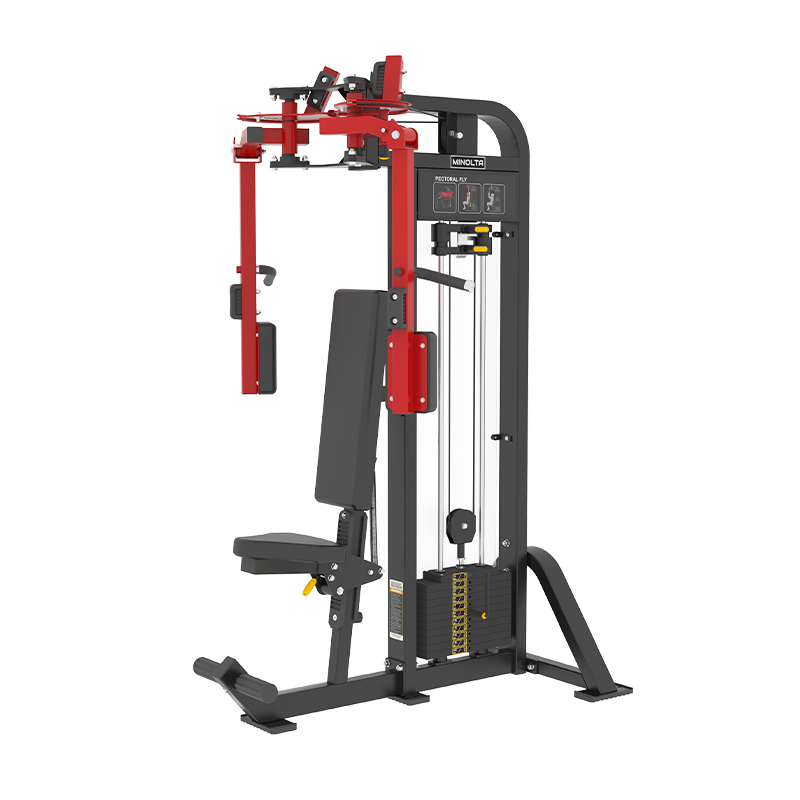
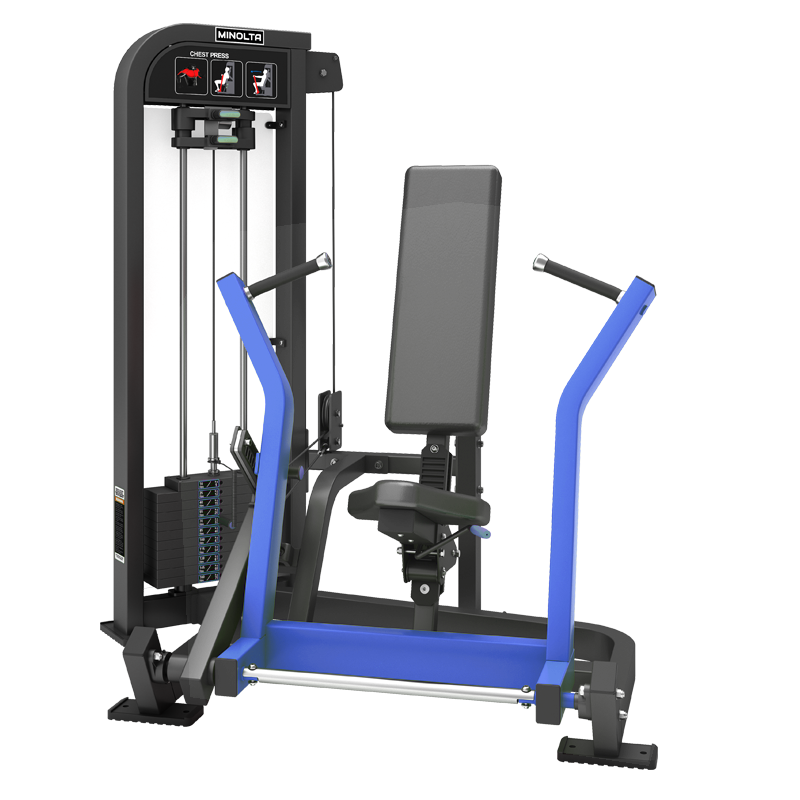
The category is broader than one single motion. Depending on the design, the machine may function like a chest press machine, a pec deck machine, a pec fly machine, or a reverse fly station. The visible unit in the preparation data appears to be a seated, selectorized, dual-arm machine with a weight stack, adjustable pads, and a top pivot assembly. That points to a compact fixed-path trainer built for supported upper-body isolation, which is exactly why it keeps showing up in clubs, rehab spaces, and serious home gyms.
If you are sourcing equipment, the real question is not whether a pectoral machine is “popular.” It is whether the frame, the movement path, and the adjustment range suit your users and your facility’s traffic patterns. That is where buyers often save money or waste it.
What this machine is designed to do
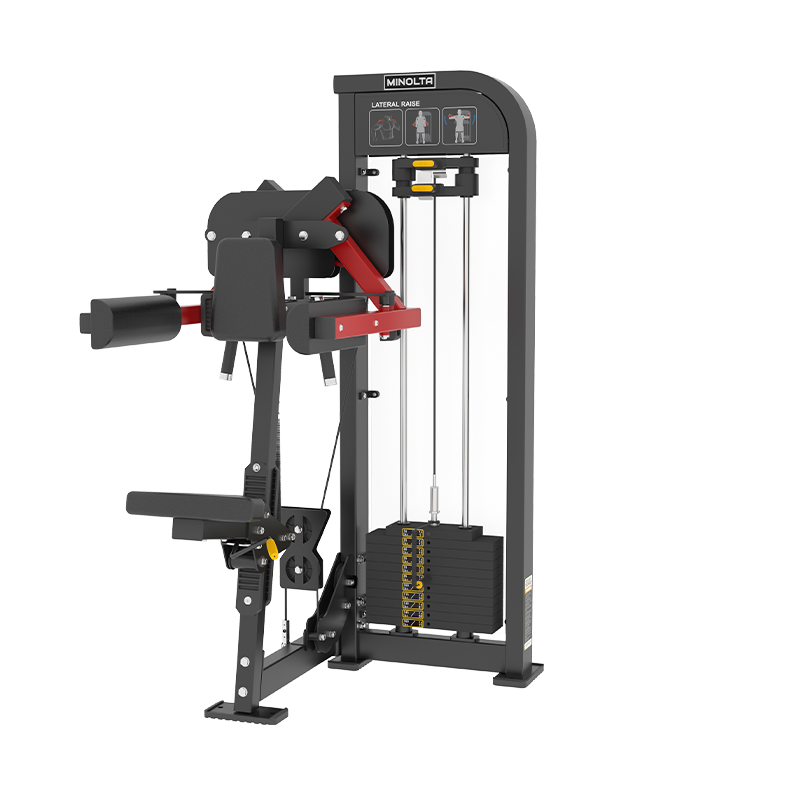
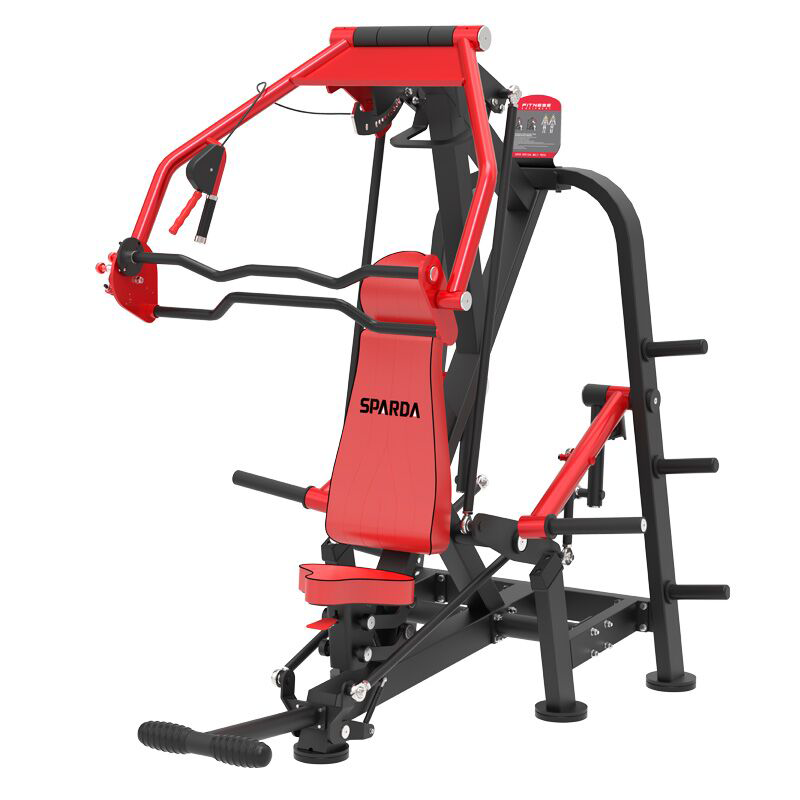
A pectoral machine generally serves one of two roles. Some models emphasize horizontal pressing for chest development. Others emphasize fly motions, bringing the arms through an arc to load the chest from a different angle. Reverse-fly or rear-delt versions are often built on a similar platform, but the arm path and pad placement shift the emphasis toward the posterior shoulder and upper back.
The machine described in the product information appears to combine a tall steel frame, a seated support position, and pivoting top arms connected to a cable and pulley system. That combination is common in selectorized strength equipment because it delivers a consistent resistance curve while keeping the user seated and braced. In practical terms, the user does not have to stabilize a bench, set up dumbbells, or coordinate a free-weight path. The machine does the path control, and the user focuses on force output and range.
That fixed path is not a limitation for every buyer. In fact, for commercial environments it is often an advantage. New members can learn it quickly. Older trainees can use it with less technical friction. And personal trainers can slot it into a session when they want a reliable accessory movement that will not monopolize coaching time.
Quick comparison: what buyers usually mean when they ask for a pectoral machine
Chest press machine
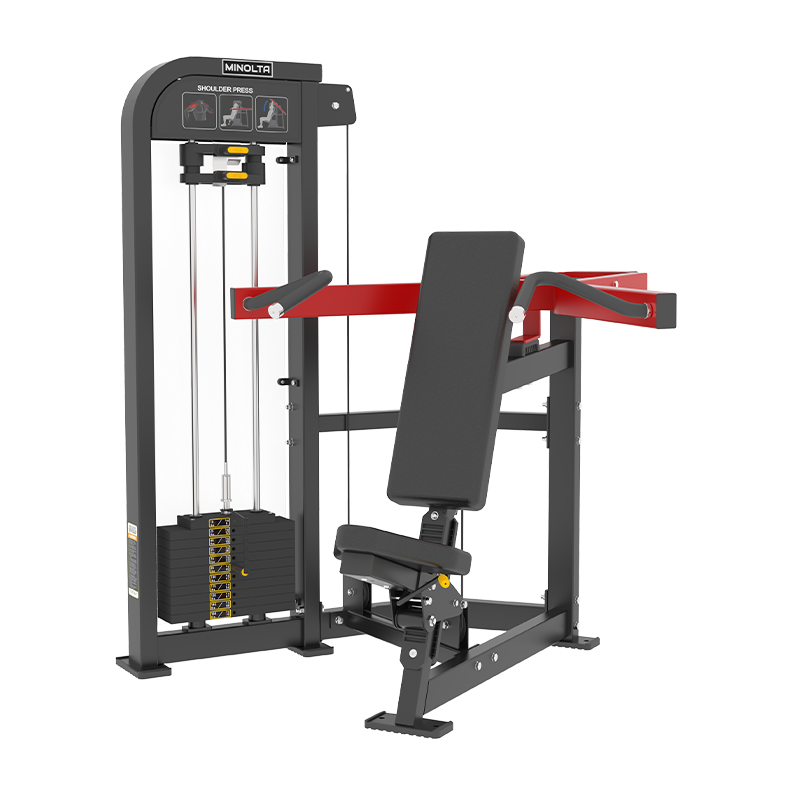
A chest press machine usually places the user in a seated position with handles that move forward in a pressing arc. It is better suited to compound pressing patterns and load progression.
Pec deck machine
A pec deck machine typically uses pads or handles that move inward in a hugging motion. It is commonly chosen for chest isolation and controlled range of motion.
Pec fly machine
A pec fly machine is often used as a general term for fly-style chest training. In real procurement conversations, the term is sometimes used interchangeably with pec deck, which can create confusion if the buyer does not check the actual arm geometry.
Reverse fly / rear delt fly machine
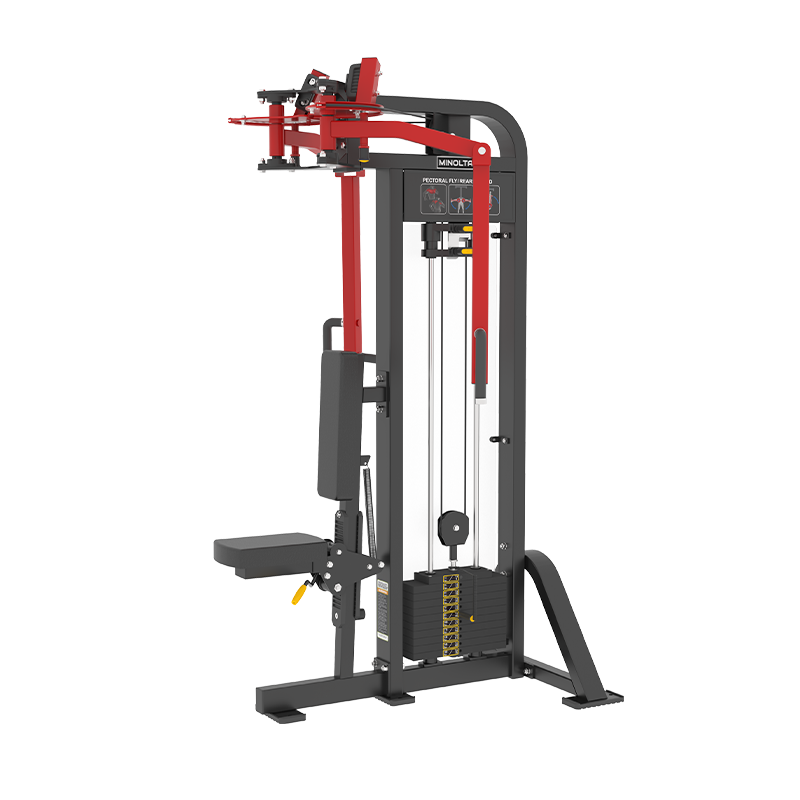
This version shifts emphasis to the rear shoulder and upper back. The frame can look similar to a chest fly machine, but the user position and arm travel are adapted for posterior-chain upper-body work.
For procurement teams, the takeaway is straightforward: do not rely on the label alone. Look at the arm path, the starting position, the seat adjustability, and the intended muscle emphasis before you sign off on the order.
Why the construction details matter more than the marketing name
The product information points to a freestanding weight-stack machine with a tall rectangular steel frame, an arched top support, a front seat, a back pad, guide rods, pulley wheels, and an enclosed weight stack. That is the kind of construction buyers should inspect carefully because it tells you how the machine will behave after months of use.
Powder-coated steel is the normal expectation here, and for good reason. It holds up better than basic painted finishes in a shared training environment, especially where chalk, sweat, and cleaning chemicals are part of daily life. Upholstered pads matter too. If the seat and back support are too soft, users sink and lose position. If they are too firm or poorly shaped, comfort drops and so does compliance.
The selectorized stack is another practical advantage. It reduces setup time, speeds turnover, and makes load changes simple. In a gym with peak-hour traffic, that simplicity can keep the equipment in use instead of sitting between sets while members hunt for plates. For facility managers, that means a machine can earn its footprint more consistently than some plate-loaded alternatives.
A small caution, though: a compact footprint does not automatically mean an easy installation. A tall machine with a stack and overhead arm assembly still needs room for servicing, safe user access, and clear overhead planning. Buyers sometimes measure only the floor plate and forget the working envelope. That mistake is avoidable, and expensive.
Selection criteria that actually affect day-to-day satisfaction
The first criterion is user position. A good pectoral machine should make it easy to sit down, find the pad, and line up the handles or arms without awkward twisting. If the seat adjustment is too coarse, tall and short users will both feel compromised. That is not a small issue; it affects both perceived quality and the range of members who will use the machine regularly.
The second criterion is movement feel. Smooth pulley travel and a stable pivot assembly matter more than many buyers expect. Jerky motion, noisy wheels, or inconsistent resistance can make a machine feel cheap even if the frame looks heavy-duty. For a commercial buyer, that can damage the floor’s overall impression.
The third criterion is exercise versatility. A dual-function design can be more attractive than a single-purpose unit if the machine truly supports both chest and rear-delt work. But versatility should not become a vague promise. If the adjustment process is cumbersome, staff will not guide users through the full range, and the extra function becomes dead weight.
The fourth criterion is serviceability. Selectorized equipment should be easy to inspect, keep clean, and maintain. Access to the weight stack, cable routing, and adjustment points matters. In real facilities, maintenance teams value machines that can be checked quickly and put back into service without a long shutdown.
How this category fits the commercial equipment mix
Shandong Minolta Fitness Equipment Co., Ltd. says it operates from a 120,000-square-meter facility and offers over 300 types of exercise equipment across strength and cardio lines. That scale suggests the company is not limited to one-off fabrication; it is working in the broader commercial fitness equipment manufacturing space, where consistency, welding quality, and finish control matter as much as visible design.
For buyers, that matters because a pectoral machine does not live alone. It has to sit alongside benches, racks, shoulder machines, cable stations, and cardio equipment without looking out of place or wearing out faster than the rest of the floor. A manufacturer with established strength and cardio series is often better positioned to supply matching finishes, consistent branding, and replacement parts across a gym package.
The company also notes export experience across Europe, Africa, the Middle East, South America, and Southeast Asia. That does not tell you the exact specification of this machine, of course, but it does suggest familiarity with multi-market procurement expectations. Different regions ask different things of fitness equipment: some want compact equipment, some prioritize durability, and some care most about commercial appearance. A supplier that has worked across those markets is usually thinking beyond a single domestic install.
Common buying mistakes with pectoral machines
The most common mistake is buying by visual appeal alone. A machine can look robust in a photo and still feel awkward in use if the seat geometry is wrong or the arm path does not suit your audience.
Another mistake is treating all fly-style machines as interchangeable. They are not. A pec deck machine and a reverse fly machine may share a frame language, but they do different jobs. If your facility has a gap in posterior shoulder training, ordering a second chest-centric unit is not a solution.
A third mistake is underestimating maintenance. Cable systems, pulleys, padding, selector pins, and moving arms all need periodic inspection. The machine may be selectorized, but it is not maintenance-free. That is a useful reminder for sourcing teams that hand off equipment to operations after installation.
Buyer advice for gyms, clubs, rehab spaces, and home gyms
For commercial gyms, choose a pectoral machine if you want reliable member throughput and broad appeal. It is a safe bet for general strength areas because it serves beginners without excluding advanced users.
For rehab or conditioning facilities, prioritize adjustability and supported posture. The seated setup and fixed path can be helpful, but only if the machine allows clean positioning and comfortable entry and exit.
For serious home gyms, consider whether the footprint and stack design justify the room it will occupy. A selectorized machine is more convenient than plate loading, but it also demands a permanent place in the training area. That trade-off makes sense for some home users and not for others.
If you are comparing suppliers, ask for the exact movement option, the adjustment range, finish details, and service access before you focus on aesthetics. Those are the questions that tell you whether the machine will hold up in use.
FAQ: practical questions buyers ask
Is a pectoral machine only for chest training?
Not necessarily. Depending on the design, it may also support rear delt or upper-back work. Always verify the arm path and user position.
Is selectorized equipment better than plate-loaded for this category?
Not always better, but often more convenient for commercial use. The stack makes load changes fast and reduces setup friction.
What should I check first when reviewing a sample?
Check seat height, arm travel, smoothness of motion, padding comfort, and access to the stack and cable system.
Can the machine be used in a small gym?
Yes, if the footprint and service clearance fit the room. Compact relative to some multi-station systems, but still not trivial in size.
What to do next if you are evaluating this machine
If you are sourcing a pectoral machine for a gym project, ask the supplier for the exact configuration, movement options, and dimensional drawing before you move to pricing or layout approval. For a manufacturer like MND FITNESS, the broader product range can be useful if you are building a coordinated strength floor, not just buying one unit.
The right decision here is less about choosing a fashionable machine and more about choosing one that members will actually use, staff can maintain, and the space can support. That is the standard that separates a decent purchase from equipment that quietly earns its keep for years.