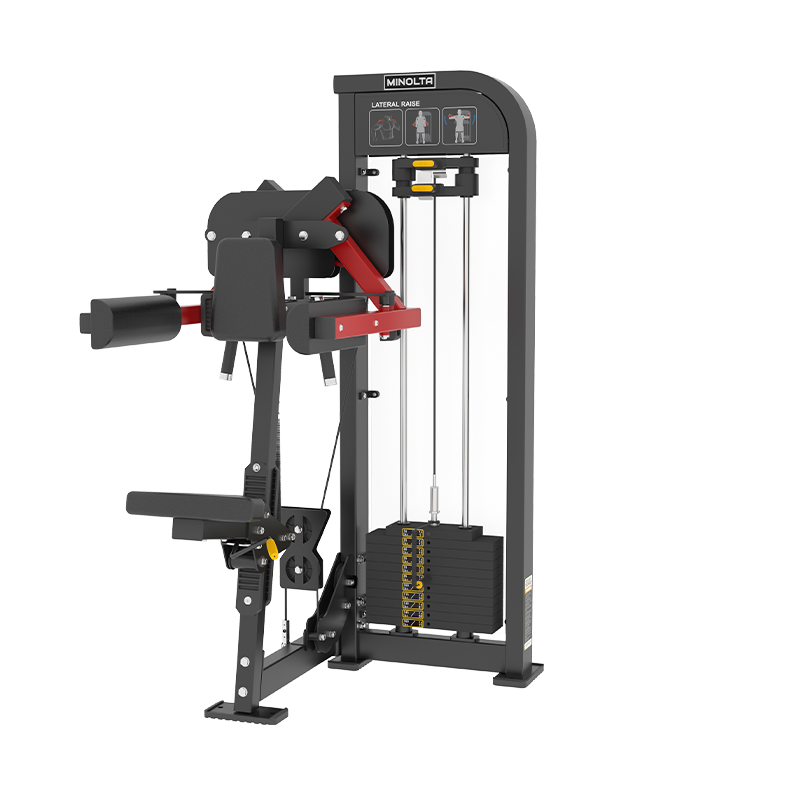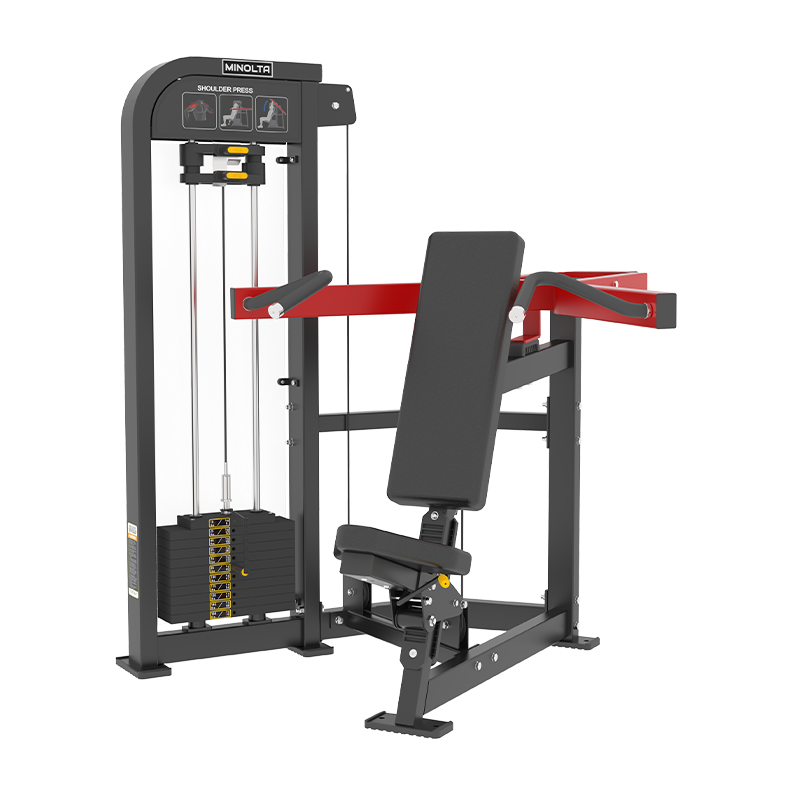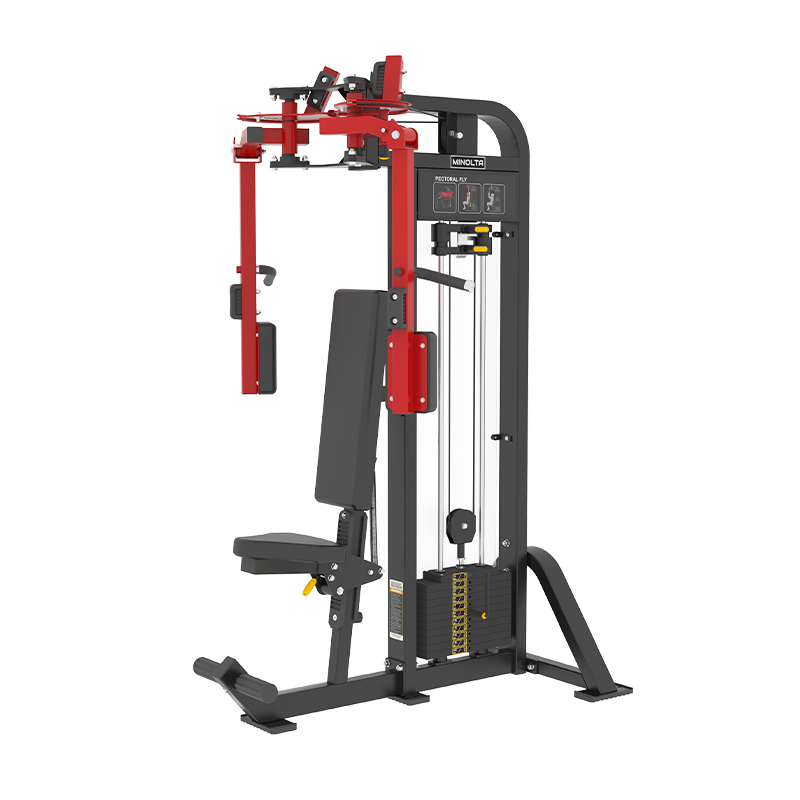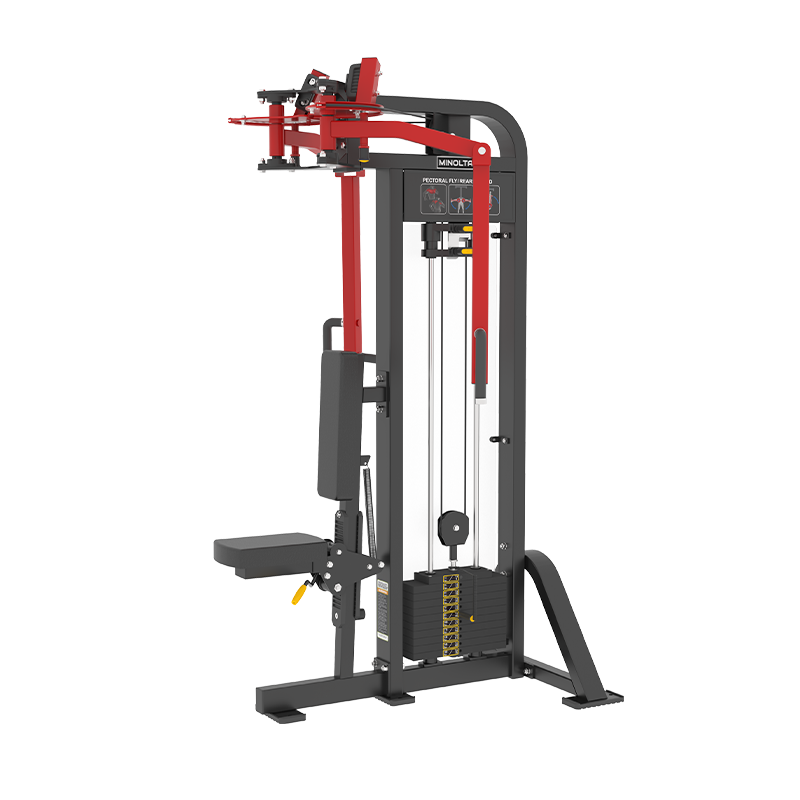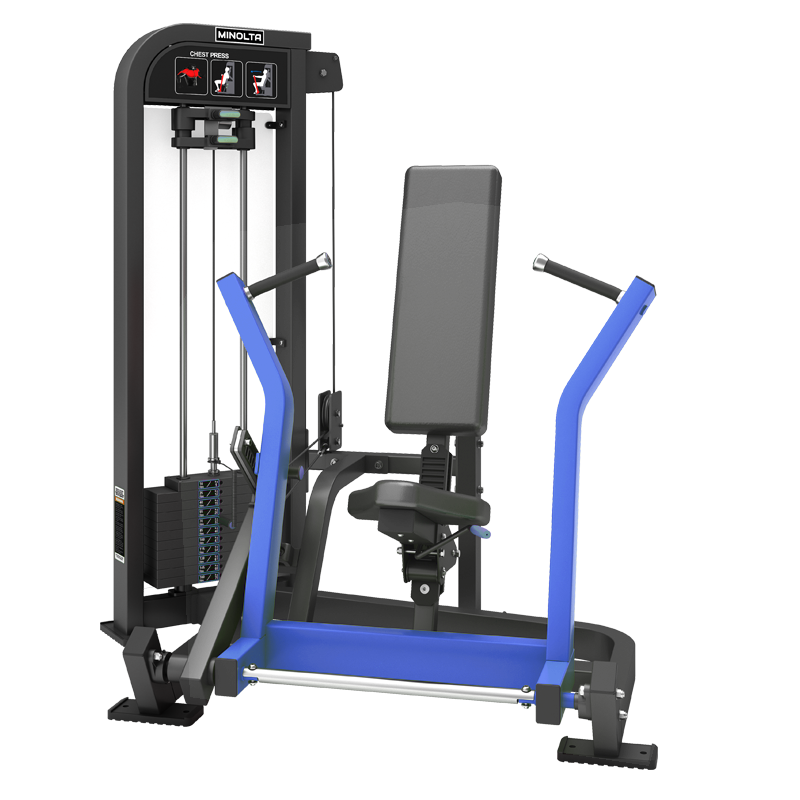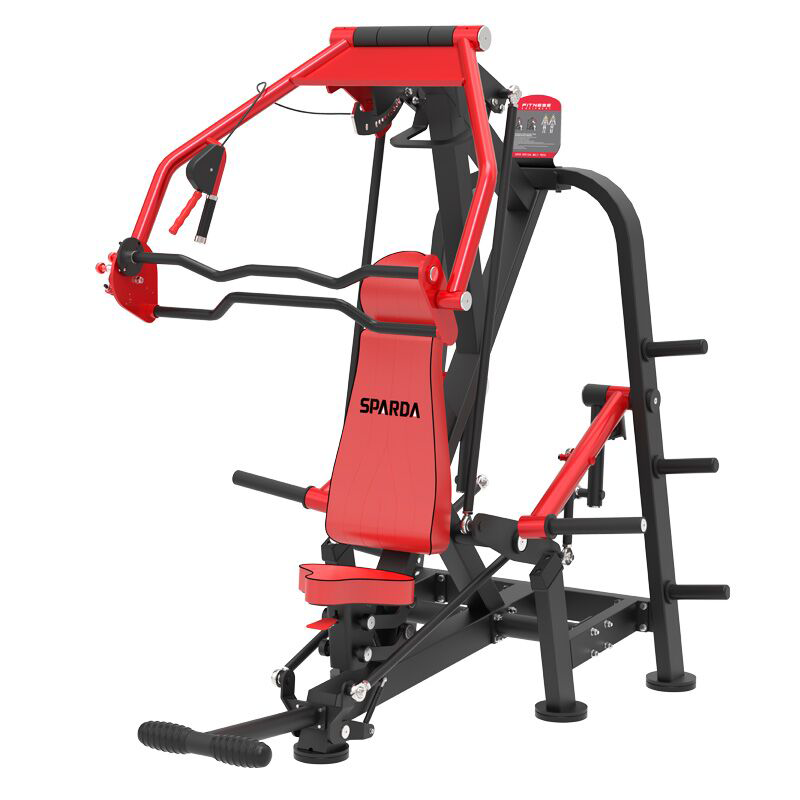



Why buyers compare plate-loaded strength lines so carefully
The search for the right MND Fitness Plate Loaded SP line usually starts with a practical question: which strength machines will hold up in a busy training space without creating a maintenance problem six months later? For sourcing managers, gym owners, and product teams, that is not an abstract issue. Plate-loaded units sit at the center of a commercial floor plan. They affect member experience, loading efficiency, noise, footprint, and the kind of training your facility can realistically support.
Unlike selectorized machines, plate-loaded equipment asks the user to load plates manually. That sounds simple, but in a commercial setting it changes everything from traffic flow to perceived training seriousness. The best Plate Loaded Equipment does not just look heavy-duty; it must feel stable under load, move smoothly through the range of motion, and tolerate repetitive use without the frame or linkages becoming the weak point.
That is why the decision is rarely about one machine. Buyers are often comparing an entire family of Plate Loaded Gym Machines, trying to judge whether the line is broad enough for a club, strong enough for a high-traffic studio, and consistent enough to make service and procurement manageable.
What the MND Fitness SP line is really trying to solve
The MND Fitness brand, under Shandong Minolta Fitness Equipment Co., Ltd., is positioned as a commercial fitness equipment manufacturer with a broad product base. According to the company information provided, MND FITNESS has more than a decade of experience, a 120,000-square-meter facility, and a manufacturing setup that includes a workshop, quality control lab, and exhibition hall. It also offers over 300 types of exercise equipment across strength and cardio categories.
That matters because buyers do not usually source a strength line in isolation. They want a supplier that can support coordinated floor planning, repeated orders, and a long-term program rather than a one-off shipment. The SP Line Strength Machines fit into that commercial logic. If a facility is building around free weights plus guided resistance, plate-loaded units can bridge the gap: they keep the training feel serious and athletic, but they are simpler than a full selectorized stack in some respects.
For commercial operators, the main appeal is straightforward: plate-loaded machines can serve multiple user profiles, often with a rugged frame and a more open training feel. For product teams, the appeal may be visual consistency and a recognizable strength zone. For sourcing teams, the key question is whether the line delivers repeatable build quality and enough breadth to justify standardization.
Key takeaways buyers usually care about
1. These machines are built for loading flexibility
Plate-loaded machines let users train with familiar Olympic-style plates or other compatible weight plates, depending on the facility standard. That makes them easy to integrate into gyms already invested in free-weight training.
2. Commercial durability matters more than novelty
A good strength machine is judged less by its first impression than by how it behaves after months of use: weld integrity, frame stability, guide movement, pad wear, and how the machine handles repeated shifting of plates.
3. The lineup should fit the floor plan
Not every club needs every machine. A dense commercial fitness equipment floor needs balance. Too many large plate-loaded units can crowd circulation and discourage use; too few can leave the strength area looking underbuilt.
4. Supplier consistency is part of the product
For business buyers, the manufacturer’s ability to provide a coherent series is nearly as important as any single model. That is where broader families like MND FITNESS often become interesting.
Why plate-loaded machines still earn floor space
Some buyers assume the commercial market has moved entirely toward selectorized equipment, but that is not what happens in well-run facilities. Plate-loaded strength machines remain popular because they combine a familiar lifting pattern with a more intense training feel. They are especially attractive in gyms where members want to train hard without relying on a pin-stack for every movement.
There is also a merchandising side to this. Plate-loaded equipment tends to signal seriousness. It visually anchors a strength zone and can make a facility feel more complete. That said, the trade-off is real: plate-loaded units require plate storage planning, user education, and enough open space for safe loading and unloading. In smaller gyms, that matters more than a catalog photo suggests.
What to inspect before buying from any SP line
Even without a full model-by-model specification sheet, there are practical criteria every sourcing team should apply when evaluating the MND Fitness Plate Loaded SP line or any similar strength range.
Frame and finish
Commercial strength machines take abuse. Look for frame sections that feel substantial, but do not assume heavier automatically means better. The real question is whether the structure feels rigid under load and whether the finish is suitable for a sweaty, high-contact environment.
Movement quality
Good Plate Loaded Gym Machines should move predictably through the exercise path. Users should not feel sudden sticking, wobble, or awkward top-end resistance. Smooth movement is not cosmetic; it affects safety and the perceived quality of the entire strength area.
Ergonomics
Seat position, back pad angle, handle placement, and loading access all matter. A machine can be robust and still frustrate users if the loading points are difficult to reach or the exercise setup feels cramped. This is especially important in a commercial gym, where equipment must work for a wide range of body sizes and training habits.
Serviceability
A buyer should ask how easily wear parts can be replaced and whether the design allows routine inspection without dismantling half the machine. This is one of those unglamorous issues that becomes important later. In practice, maintenance-friendly equipment saves time, and time is usually the more expensive input.
How MND Fitness’s manufacturing position affects buyer confidence
Shandong Minolta Fitness Equipment Co., Ltd. is not just presenting a single product line. The company information points to a broader manufacturing base in Ningjin’s hardware industry, which is relevant because local industrial ecosystems often shape sourcing reliability, component availability, and fabrication know-how. That does not guarantee a perfect order, of course, but it does suggest the company is operating in a region with established metalworking capability.
The facility size also signals scale. A 120,000-square-meter site with workshop, QC lab, and exhibition hall suggests the company is structured to handle more than occasional production runs. For B2B buyers, that kind of setup can be reassuring when they need consistency across multiple SKUs or plan phased rollouts across several locations.
MND FITNESS also reports exports to over 100 countries across Europe, Africa, the Middle East, South America, and Southeast Asia. Export reach does not automatically equal product fit for every market, but it does indicate the company is accustomed to international buying patterns, logistics constraints, and the documentation expectations that come with cross-border trade.
Common mistakes when sourcing plate-loaded strength machines
The first mistake is buying by appearance. A machine can look aggressive and still be awkward in daily use. The second is ignoring spacing. Plate-loaded machines need room not only for the frame itself but also for users to load, move, and exit safely. The third is overcommitting to a single style of training. If the floor is meant to serve beginners, rehab-minded users, and heavy lifters, the machine mix should reflect that reality.
Another common error is failing to compare the total ownership picture. Freight, assembly complexity, spare parts, and installation support all affect the real cost of Commercial Fitness Equipment. Even when price is not disclosed, buyers should treat post-purchase support as part of the deal, not an afterthought.
Practical buyer advice for sourcing teams and gym operators
If you are building a strength zone around the SP line or a similar family, start with the user profile. Who will train there most often? Serious lifters, general members, or a mixed crowd? The answer shapes the right machine mix.
Next, look at space honestly. In a crowded club, the best machine on paper may be the wrong machine on the floor. A good floor plan leaves enough circulation around the loading points and does not trap members behind a row of oversized frames.
Then review consistency across the series. For procurement, a uniform look and build logic can make replacement planning easier. For branding, it helps the room feel intentional rather than pieced together.
Finally, ask for enough technical detail to confirm that the machine family suits your market: dimensions, exercise focus, structural description, and any available quality documentation. If the seller cannot provide basic clarity, that is a warning sign regardless of how polished the brochure looks.
FAQ: quick questions buyers usually ask
Are plate-loaded machines better than selectorized machines?
Not universally. Plate-loaded units often feel more athletic and can suit heavier training environments, while selectorized machines are faster to adjust and sometimes easier for general users. The best choice depends on your audience and floor plan.
Is MND Fitness only for large commercial gyms?
The company information suggests a broad catalog covering commercial and home use. That said, the SP line is best considered in the context of commercial strength programming rather than casual home setups.
What should I request from the supplier before ordering?
Ask for current model specifications, dimensional drawings, finish details, loading details, and packaging information. If you are ordering for multiple locations, ask how consistency is handled across batches.
Does export experience guarantee a good fit for my market?
No. It does suggest the manufacturer is used to international business, but final suitability still depends on your market’s standards, user expectations, and installation requirements.
What the MND Fitness Plate Loaded SP line is best for
This kind of line usually makes the most sense for buyers who want strong visual presence, athletic training credibility, and a commercial footprint that can support plate storage and active use. It is less suitable for cramped spaces or facilities where simplicity and rapid adjustment matter more than loaded training feel.
For sourcing managers, the real decision is not whether plate-loaded training is good. It is whether the line matches the operational reality of the gym, studio, or multi-site rollout. For engineers and product teams, the question is whether the machines offer the right balance of geometry, durability, and serviceability. For operators, it comes down to how the equipment will be used on a Tuesday afternoon when the gym is busy, the plates are scattered, and nobody is in the mood for a machine that feels fussy.
If you are comparing commercial strength ranges and want a broader view of how the SP line might fit into a wider equipment package, the next step is to review detailed model data, plan the floor layout, and ask the supplier for the documentation that matters most to your team. That is usually where the real buying decision gets made.