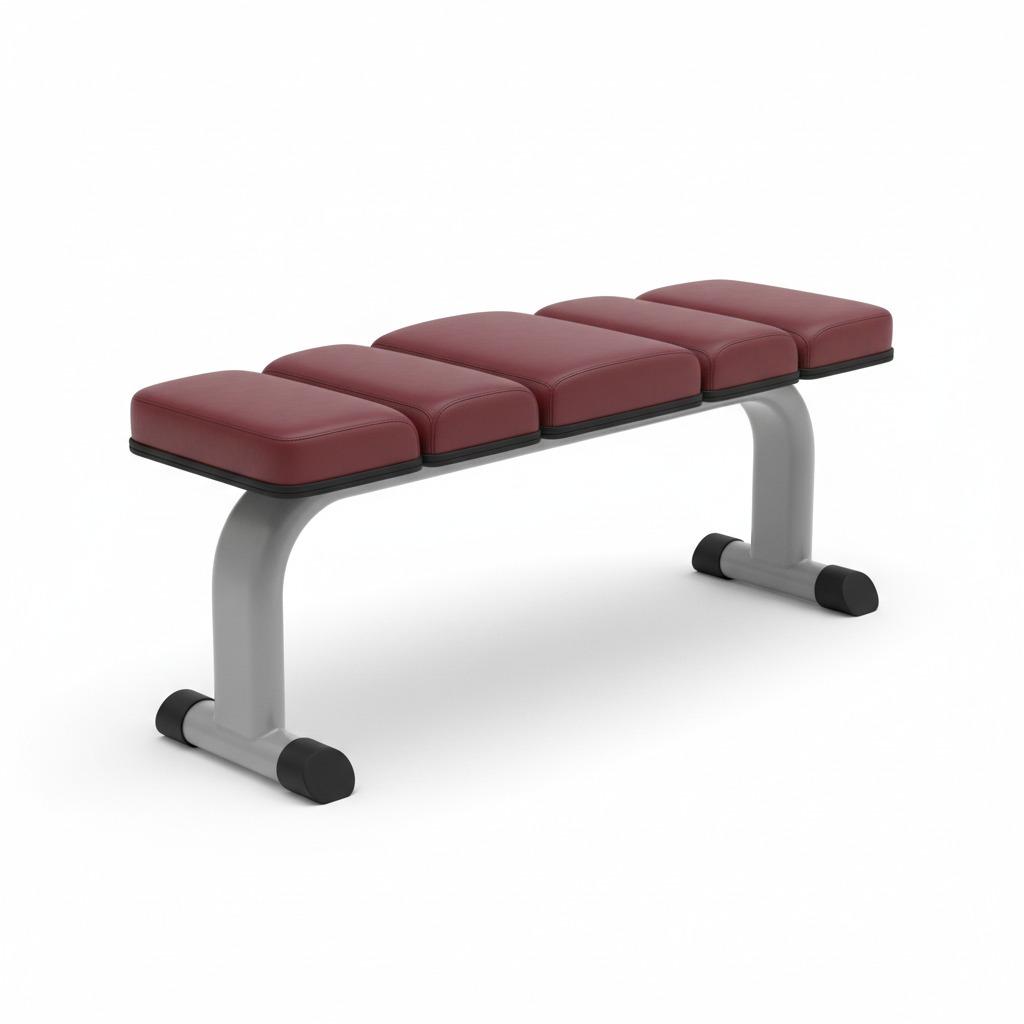



Why a seated calf machine still earns a place on the gym floor
A seated calf machine is easy to overlook because it does not look as dramatic as a plate-loaded hack squat or a big lat pulldown tower. Yet anyone who has spent time in commercial gyms knows that lower-leg training is usually where routines get vague and inconsistent. People skip it, rush it, or try to improvise on equipment that was designed for something else. A proper seated calf raise machine solves that problem by giving the user a stable position, a clear movement path, and repeatable loading.
That matters for more than bodybuilding. Calf strength affects how athletes push off the ground, how recreational lifters balance lower-body work, and how facility operators manage equipment that needs to serve many people without constant adjustment drama. In a busy gym, a gym seated calf machine also helps keep training simple: sit down, set the pin, move through the set, and get out of the way. That kind of low-friction use is often what makes a machine earn its floor space.
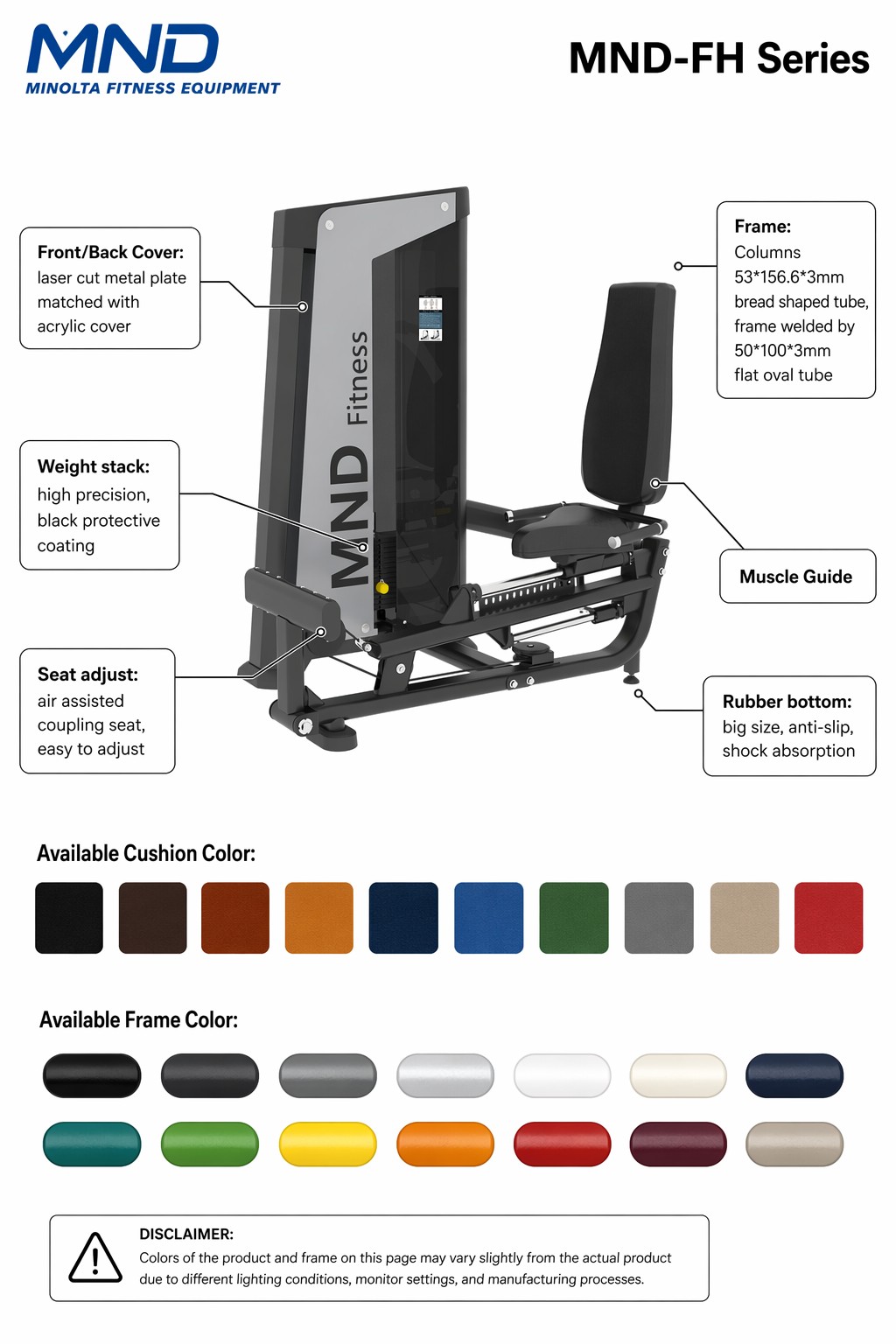
In the MND-FH Series from Shandong Minolta Fitness Equipment Co., Ltd., the broader theme is clear: commercial equipment built around welded steel fabrication, enclosed mechanisms, and practical user adjustments. The exact exercise function of the pictured unit should be verified before anyone writes a purchase spec, but the visible construction tells a useful story about how this category is generally designed for repeat commercial use.
What buyers are really trying to solve
When sourcing a lower body strength machine for calves, the decision is rarely just about whether the machine “works.” Most buyers are weighing three practical concerns.
First, they want a movement that users can understand quickly. Calf exercises can become awkward when the machine does not guide the ankle and lower leg properly. Second, they need durability. A commercial seated calf machine will be used by a wide range of body sizes and training styles, so frame stability and moving-part protection matter. Third, they want equipment that fits the facility’s supervision model. In a hotel gym or institutional training room, selectorized loading is usually easier to manage than plates scattered around the room.
That is why enclosed weight stacks, adjustable seats, and a stable base are not cosmetic features. They are the difference between a machine that gets used and one that becomes a floor ornament.
What stands out in the MND-FH Series construction
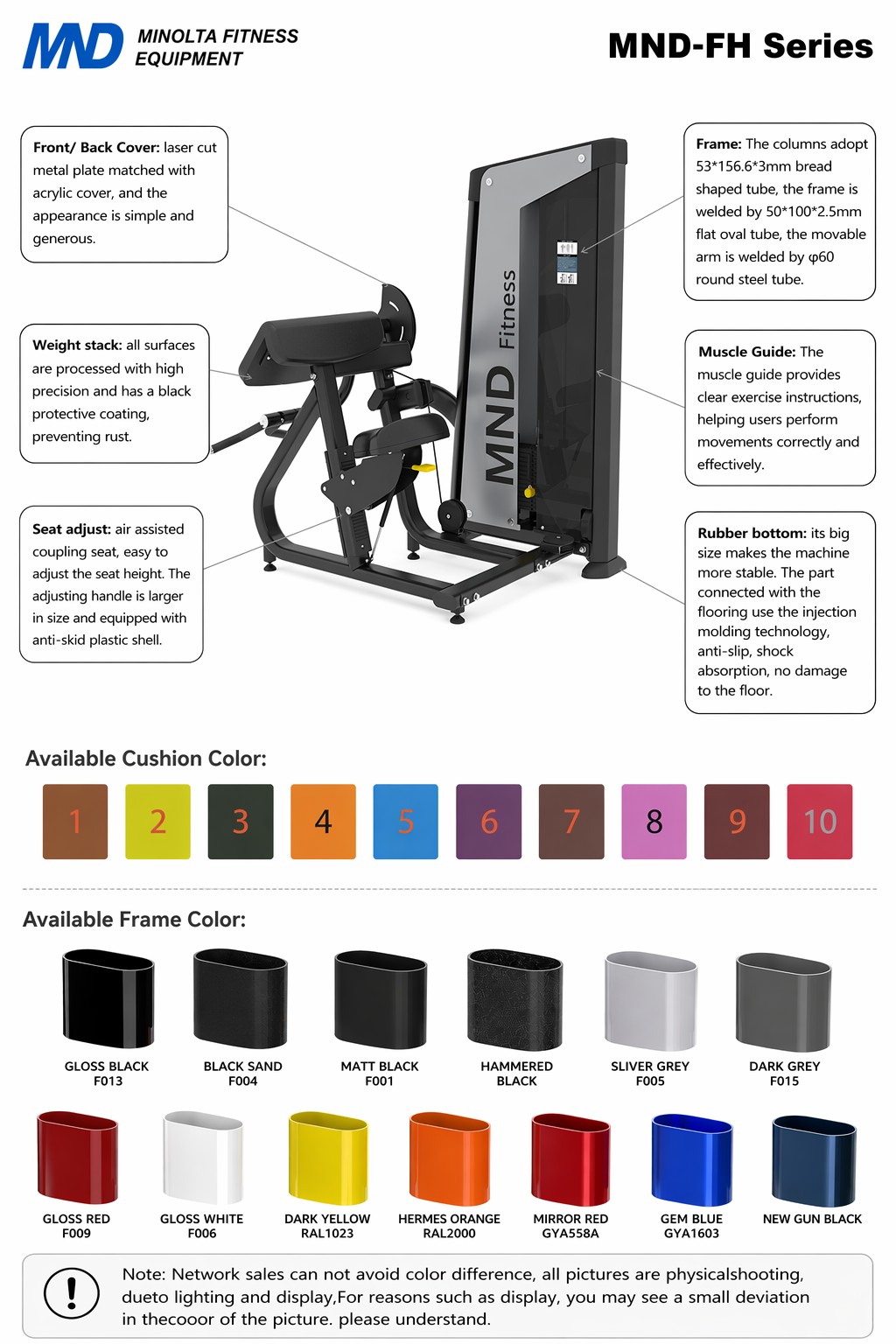
The visible frame details are the first thing a careful buyer should notice. The machine uses steel tube construction with callouts for 53×156.6×3 mm bread-shaped tube columns and 50×100×3 mm flat oval tube welded frame members. Those dimensions do not tell the whole story, of course, but they do indicate a substantial frame profile rather than a light-duty home-gym build.
The protective enclosure is also worth a look. The cover appears to combine a laser-cut metal plate with an acrylic cover, which is a sensible approach for a commercial seated calf machine or similar selectorized station. It protects moving parts, improves the visual finish, and helps the machine look orderly in a line of matching equipment. That may sound like a minor matter until you are running a facility where presentation influences member confidence.
The weight stack shown has a black protective coating, and the machine includes an obvious selector pin area. In simple terms, that means faster user turnover and fewer questions from staff. For a commercial seated calf machine, that is valuable because calf work is often a short accessory session rather than the main event. Users should be able to get in, load the stack, and start moving without fuss.
The base uses large rubber feet or bottom pads for anti-slip behavior and shock absorption. Again, not glamorous, but in a busy room these details matter. They help the machine stay planted on the floor and can reduce the sense of vibration that comes with repeated use.
Why seated calf training is different from standing work
There is a practical reason many lifters separate standing and seated calf work. The seated position shifts the emphasis and changes how the lower leg is loaded. For facility buyers, the value is not in arguing anatomy line by line; it is in giving users a straightforward way to train calves from a stable seat with a repeatable range of motion.
A seated calf raise machine often suits users who want controlled repetitions, slower tempo work, or a training setup that does not require balancing a barbell. It can also be easier on the learning curve. In a supervised environment, that simplicity reduces errors. A user does not need to decide how to wedge plates, where to place a bar, or whether the setup will wobble halfway through a set.
That is one reason this type of station remains useful even in a crowded strength area. It covers a small but real training need, and it does so with a low barrier to entry.
How to judge a commercial seated calf machine before buying
1. Check the frame and base first
On commercial equipment, the frame tells you more than the sales copy does. Tube size, welded joints, and the quality of floor contact all influence how the machine feels in use. The visible 53×156.6×3 mm and 50×100×3 mm tube sections suggest a serious structural approach, but the buyer still needs to look at weld consistency, alignment, and how the frame sits on the floor.
2. Look closely at adjustment behavior
Seat adjustment should be easy enough that users actually use it. The image shows an air-assisted coupling seat, which is a useful clue. In a busy facility, easy adjustment saves staff time and reduces the chance that people train in the wrong position because the setting is annoying to change. A gym seated calf machine that resists adjustment tends to collect complaints quickly.
3. Evaluate the stack enclosure and access points
Selectorized equipment should protect the moving system without making maintenance miserable. The enclosure here appears thoughtfully integrated, but buyers should still ask how the stack is accessed, how the guide rods are serviced, and whether daily inspection is straightforward. A clean-looking cover is nice; maintainability is what keeps the machine on the floor.
4. Confirm pad comfort without overthinking it
The black seat and back pads appear padded and suitable for repeated use, though the exact upholstery material is not stated. For this category, comfort should be judged by support and durability rather than softness alone. Too much give can make users unstable. Too little can become uncomfortable during longer sets or slower tempo training.
Common mistakes buyers make with calf equipment
One common mistake is treating calf training as an afterthought and buying the cheapest station available. That usually leads to awkward body positioning, poor user adoption, and complaints that the machine “doesn’t feel right.” Calves are not a glamorous category, but equipment quality still changes the experience.
Another mistake is assuming all lower-body machines are interchangeable. A seated leg workout machine seated calf setup is not the same as a leg extension or leg curl station, even if the outer frame looks similar in a brochure. Because the image-based function here is not fully labeled, the exact movement path should be verified before any order is finalized. That is not bureaucratic caution; it is the sort of detail that prevents expensive misunderstandings.
Facilities also sometimes overlook the importance of floor contact and footprint. A lower body strength machine may seem compact on paper, but once you add the entry space, adjustment room, and user circulation around it, the real footprint becomes more important than the spec sheet headline.
Where this kind of equipment fits best
Commercial gyms, fitness clubs, hotel gyms, rehab or training facilities, and institutional fitness rooms all have a use for enclosed selectorized strength stations. The machine style described here is particularly useful where staff want predictable loading and users prefer straightforward setup. In environments with mixed experience levels, that can be a real advantage.
Shandong Minolta Fitness Equipment Co., Ltd. says it operates from a 120,000 square meter facility with a manufacturing workshop, quality control lab, and exhibition hall, and that it offers more than 300 types of exercise equipment across strength and cardio categories. It also notes export experience across more than 100 countries. For buyers, those are useful signals about scale and category breadth, though any specific sourcing decision should still come back to the actual machine, the documentation, and the sample unit in front of you.
A practical buyer’s checklist
If you are comparing a commercial seated calf machine against other lower-body stations, start with the boring questions. Does the movement feel stable through the range? Is the seat adjustment easy enough for a general user? Are the moving parts properly enclosed? Does the base stay planted when the stack is used repeatedly? Can maintenance staff reach the stack and linkage without tearing half the machine apart?
Then look at the finish and the details. Matte or satin dark frames tend to hide wear better than glossy coatings. Contrasting cover panels can help with visibility and brand presentation. Multiple cushion and frame color options may matter if the equipment needs to match an existing room concept. Those are not performance features, but in a commercial setting they still influence perceived quality.
Finally, ask for confirmation wherever the image leaves room for interpretation. The exact exercise function, stack mass, loading range, and specification details should be verified before procurement. That may feel cautious, but it is better to spend an extra day clarifying the machine than to live with a mismatched order for years.
FAQ for sourcing teams and gym owners
Is a seated calf machine worth the floor space?
Usually yes, if your facility serves general fitness users or athletes who want direct lower-leg work. It is a focused station, but one that solves a common training gap.
What should I verify before ordering?
Confirm the exact exercise function, the stack weight, dimensions, load ratings, and upholstery details. If the machine will be used in a commercial setting, also review maintenance access and replacement-part availability.
Why choose selectorized loading?
Selectorized equipment is faster to use, easier to supervise, and cleaner to manage in shared facilities. For calf work, that convenience often improves adoption.
What to do next
If you are building out a strength floor or replacing older accessory stations, put the seated calf machine in the same review cycle as your other lower-body equipment. Compare the frame construction, adjustment behavior, stack enclosure, and maintenance access, then ask the supplier to verify the exact movement and specifications in writing. That simple discipline tends to save time later, and in commercial fitness equipment, later is where the problems usually show up.
For sourcing teams, the right question is not whether a calf machine looks impressive on a product page. It is whether the machine will keep working, keep adjusting cleanly, and keep making sense to the people who use it every day.