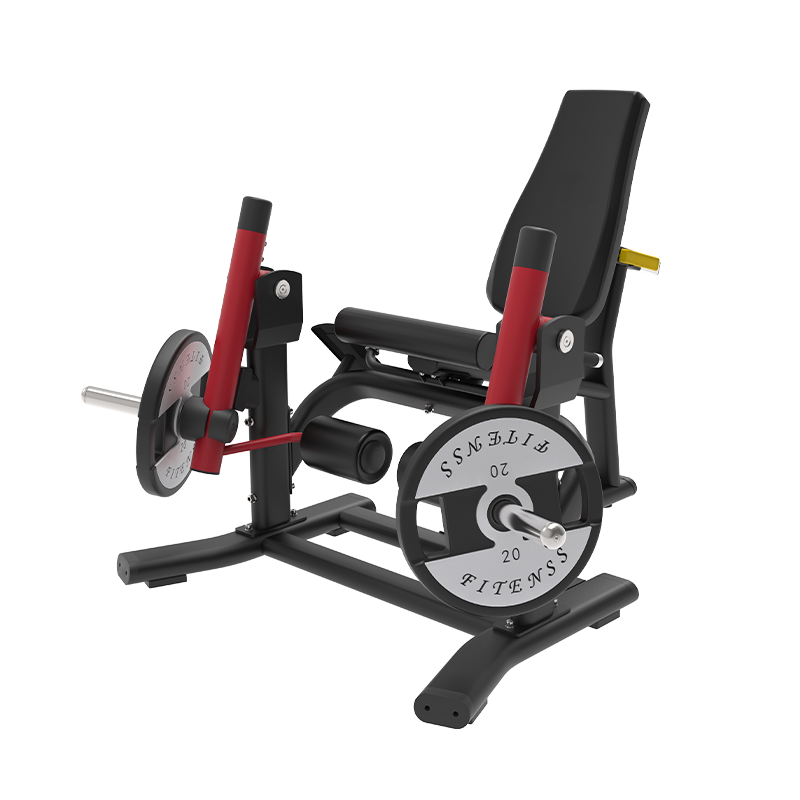



Why a Super Horizontal Multi Press Matters in a Commercial Gym Build
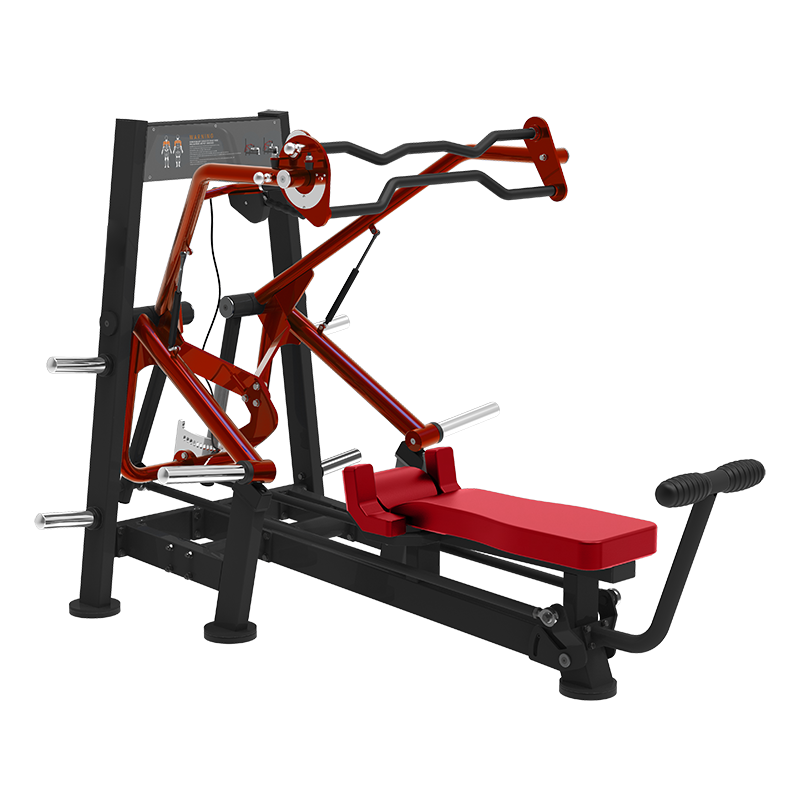
When buyers start comparing strength equipment, the Super Horizontal Multi Press often enters the conversation for one simple reason: it promises a lot of upper-body work without taking over the room. For facilities that need durable training stations, the appeal is not just the motion itself. It is the combination of controlled resistance, a compact footprint, and the kind of heavy-duty frame that can survive daily use on a busy gym floor.
That matters to sourcing managers and product teams because a strength purchase is never only about exercise variety. It is about how the machine fits the training model, how it will hold up under repeated loading, and whether the design supports safe, intuitive use for a broad range of members. A plate-loaded station can solve several of those needs at once, but only if the geometry, frame quality, and serviceability are right.
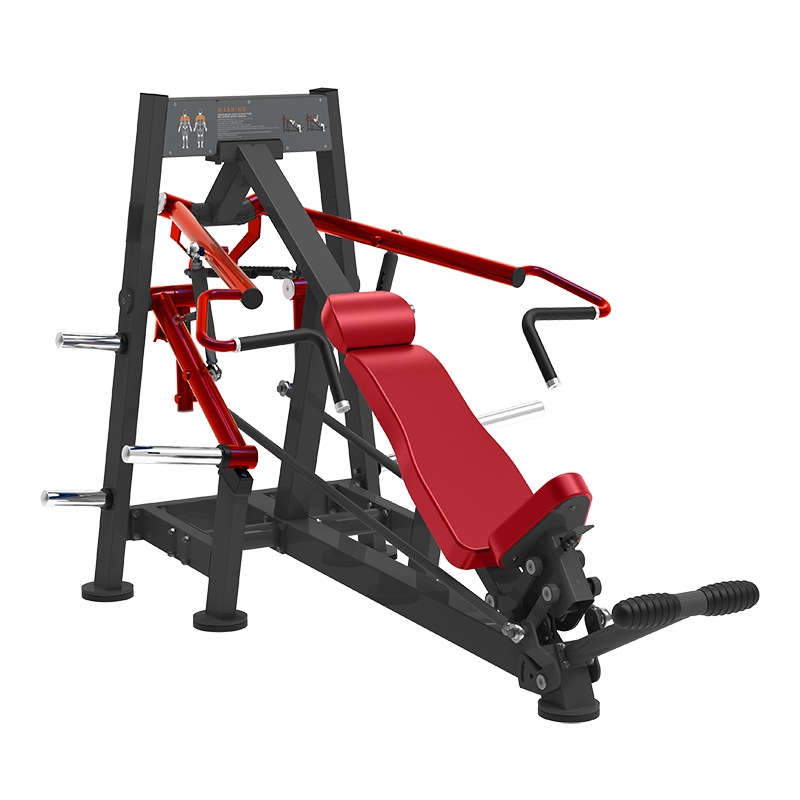
The machine shown in the supplied product information appears to be a leverage-based, plate-loaded gym machine with a seated pad, front handles, visible load posts, and a welded steel frame finished in black with red moving arms. The exact exercise path is not fully certain, so it is better to treat it as a horizontal pressing or pulling station family rather than assume a specific branded model. That caution is worth keeping in mind. In commercial equipment, the frame tells you much, but not everything.
What Buyers Usually Want From This Class of Machine
In practice, a horizontal multi press must do three jobs well. First, it needs to offer a stable resistance path that feels natural to the user. Second, it must stand up to constant plate loading, repeated movement, and the small abuse that comes with a public gym. Third, it should not complicate floor planning. The best machines are the ones that reduce friction for both the member and the operator.
The visible construction details point to the right priorities. Steel tubing, plate steel, pivot joints with metal bushings or bolts, and powder coating are all familiar ingredients in a serious manufacturing press machine. Red upholstered pads and black grips are also practical choices: they are easy to inspect, easy to clean, and visually separate contact points from structural parts. None of that is flashy, but that is the point. In strength equipment, durability usually wins over novelty.
Quick Reference: What This Type of Machine Typically Offers
Strength training value
A horizontal press or row-style station is usually built to support controlled upper-body work, especially movements that involve pushing or pulling in a seated position. For many facilities, that means a single machine can serve beginners, general fitness users, and stronger lifters who want a plate-loaded challenge.
Space efficiency
Compared with a full cable system, a horizontal press machine often uses a simpler footprint. That can help commercial gyms fit more strength variety into a tighter layout. The tradeoff is that the machine is more specialized, so buyers need to make sure it aligns with their programming mix.
Maintenance profile
Fewer cables and pulleys can mean fewer wear items, though pivots, bushings, and loading points still deserve regular inspection. A high performance press machine is only high performance if it remains smooth after months of use.
How the Apparent Construction Supports Real-World Use
The supplied product description suggests a machine built from welded steel tubing and plate steel, then finished with powder coating. That is a standard commercial approach for good reason. Tubing gives the frame shape and stiffness. Plate steel reinforces high-stress sections. Powder coating helps protect the surface from chips and corrosion while also giving the equipment a cleaner retail appearance.
The red moving arms are likely the parts that carry the main load path. On machines of this type, the quality of the welds, pivot alignment, and bushing fit often determines how the station feels over time. A press can look sturdy on day one and still become irritating if the motion develops looseness or side play. Buyers sometimes focus too heavily on frame thickness and overlook the moving joints, which is a mistake. The frame may be the headline, but the pivots are what members feel rep after rep.
The visible plate storage/loading pegs are another useful sign. They help keep the machine organized and cut down on clutter around the station. For facilities that use plate-loaded strength gear, integrated storage also makes the machine easier to manage during peak traffic. It sounds minor until a gym floor starts filling up with stray plates.
Where a Super Horizontal Press Fits in a Strength Floor Plan
This type of equipment works best in gyms that want a free-weight feel with guided movement. It can suit commercial clubs, training studios, team facilities, and home strength setups where the user wants more resistance than a selectorized stack may provide. If the machine is indeed a horizontal multi press or related leverage station, it can complement barbells, dumbbells, and cable units by offering a fixed path that still feels substantial.
That fixed path is not for everyone. Some advanced lifters prefer free weights because they want maximum variability and barbell-specific transfer. Others, especially beginners or rehabbing users, value the control and consistency of a guided machine. A good buyer does not ask which option is universally better. The better question is what training population the equipment must serve most often.
Selection Criteria That Actually Matter
When comparing a super horizontal press against other commercial options, start with use case, then move to build details. A simple checklist helps, but the checklist should stay grounded in the real floor conditions of the gym.
Look at how easy the seat and support geometry appear to be for different body sizes. The supplied information mentions an adjustable-looking seat or support arrangement, which is useful if confirmed during review. Also pay attention to the handles and grip position. Dual-side handle arrangements can improve usability and give members more than one hand path, but only if the spacing works for actual users.
Noise and feel matter too. A machine with sloppy pivots, thin pads, or poor alignment tends to announce itself quickly on a busy gym floor. Buyers may not notice this in a quiet showroom, but they will notice it after the first week of use. Ask how the pivots are built, what bushings are used, and whether replacement parts are straightforward. That sort of boring question usually saves money later.
Common Mistakes When Buying Plate-Loaded Strength Equipment
One common mistake is treating every horizontal press machine as interchangeable. They are not. Small changes in seat height, arm path, and handle position can dramatically change how a machine feels. Another mistake is focusing only on the maximum load idea rather than the ergonomics of loading. If plate changes are awkward, the machine slows down use on a crowded floor.
Another practical warning: do not assume that a heavy frame alone guarantees longevity. Weld quality, finishing, pivot fit, and pad attachment matter just as much. A strong-looking frame with weak contact points will still age badly. That applies to any super horizontal press or comparable manufacturing press machine built for commercial service.
Finally, avoid buying into product photos without asking about the actual exercise path and assembly status. The supplied product data rightly notes some uncertainty about exact model and motion. That is a reminder to confirm the details before procurement, especially if the machine is being matched to a specific training concept or brand standard.
Why Minolta Is Relevant Here
Shandong Minolta Fitness Equipment Co., Ltd. operates from Ningjin and draws on the region’s hardware manufacturing base. The company presents itself as an experienced fitness equipment manufacturer with more than a decade in the sector, a 120,000-square-meter facility, and more than 300 types of exercise equipment across strength and cardio lines. Its product ranges include several strength series and cardio series for commercial and home use, and its export footprint spans more than 100 countries across Europe, Africa, the Middle East, South America, and Southeast Asia.
For buyers, that background matters because it suggests a supplier familiar with volume production, export handling, and the practical needs of gyms rather than novelty equipment alone. If you are sourcing a horizontal multi press or another high performance press machine, a manufacturer with in-house workshop, quality control lab, and exhibition hall can be easier to evaluate than a trading-only seller. You still need to inspect the specific machine, of course. Company scale is helpful, but it does not replace product-level review.
Practical Buyer Questions to Ask Before You Commit
Ask whether the machine is plate-loaded or uses any cable assistance. Confirm the load post arrangement and whether weight storage is integrated or optional. Request the exact adjustment points if seat or support settings are involved. Clarify the material and finish on the frame, and ask what parts are expected to wear first under commercial use.
If the machine will go into a public gym, ask about service access. Can the pivots be inspected easily? Are replacement pads available? Is the layout easy for cleaners and maintenance staff to work around? These are the questions that separate an equipment purchase from a long-term operating decision.
FAQ
Is a Super Horizontal Multi Press the same as a cable machine?
Not necessarily. Based on the supplied information, it appears more like a plate-loaded leverage machine than a selectorized cable system, but the exact model and motion are not fully confirmed. Buyers should verify the resistance mechanism directly.
Who benefits most from this kind of machine?
Commercial gym members who want controlled upper-body training, especially in a seated format, often benefit from this type of station. It can also work well in home setups where a compact, plate-loaded machine is preferred.
What should I inspect first on delivery?
Check welds, pivot smoothness, pad attachment, handle stability, and whether the frame finish arrived intact. Those details reveal a lot about overall build quality.
What to Do Next
If you are evaluating a Super Horizontal Multi Press for a commercial or advanced home strength setup, start by matching the motion to your training audience and then compare construction details with the same seriousness you would use for a barbell or rack purchase. Ask for the exact machine specification, confirm the resistance format, and look closely at the joints, frame, and load-handling features. That is the practical route.
For buyers working with Shandong Minolta Fitness Equipment Co., Ltd., the next step is usually a product-level review against your floor plan and usage target. The company’s broad strength catalog suggests it can support a range of equipment needs, but the final decision should still come down to the machine in front of you: how it moves, how it is built, and how well it fits the people who will actually use it.