


Why a leg extension still matters in modern lower-body training
A leg extension is one of those exercises people either trust completely or dismiss too quickly. In a commercial gym, though, the movement keeps showing up for a reason: it gives a direct quadriceps workout with little setup, a predictable range of motion, and a level of control that is hard to match with free weights alone. For athletes, rehab settings, and general strength users, the real question is not whether the movement is fashionable. It is whether the leg extension machine is the right tool for the job, and what kind of machine is worth buying if you are outfitting a facility.
That decision matters because lower-body equipment takes abuse. It is used by beginners who need guidance, experienced lifters who want a quad isolation exercise, and staff who care about reliability more than flash. A machine that feels unstable, awkward to adjust, or overly large can become a floor-space problem fast. A better-built unit earns its keep through consistency, not novelty.
What the machine appears to offer
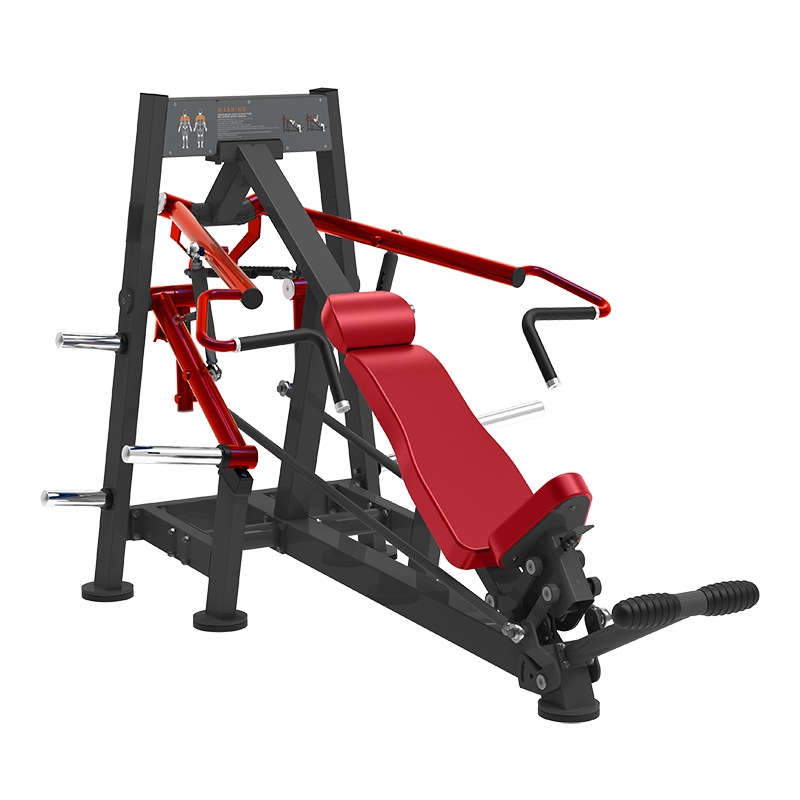
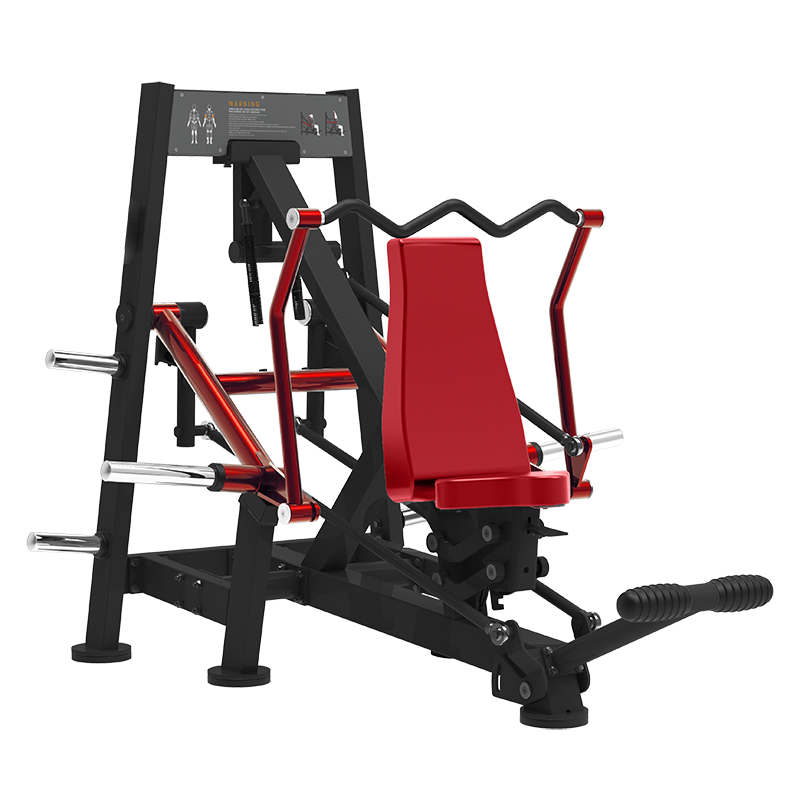
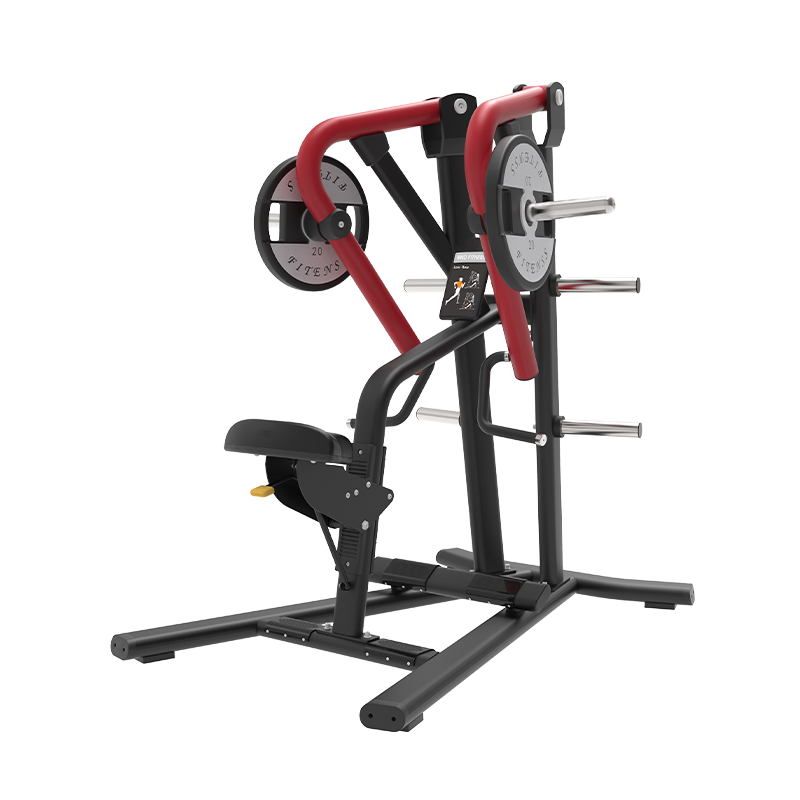
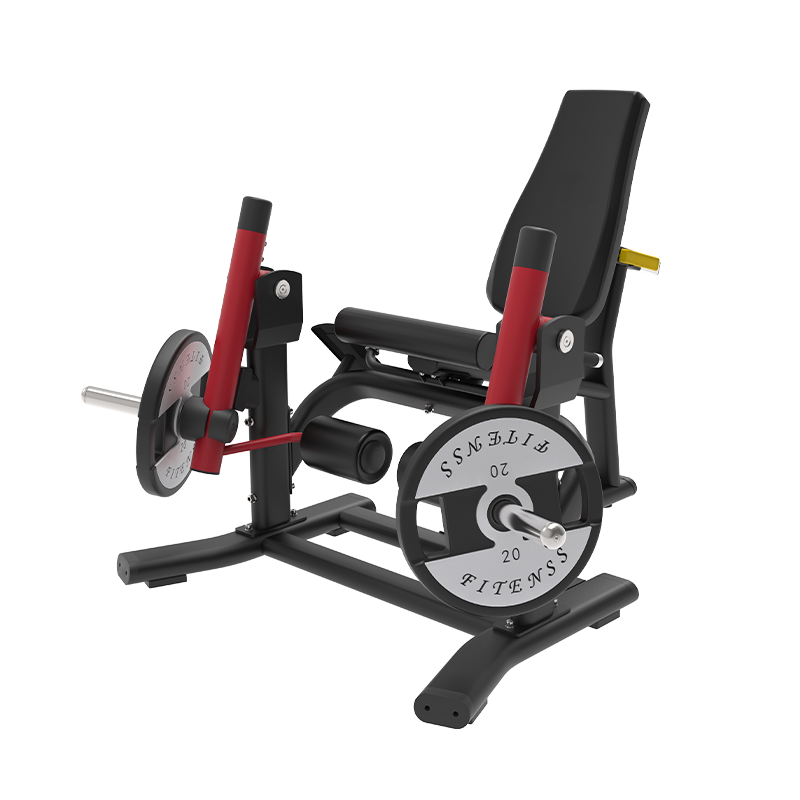
Based on the available product information, the unit shown is a commercial strength-training machine with a compact, floor-standing frame, plate-loaded resistance, and dual independent lever arms. The visible construction suggests welded steel tubing with a matte black powder-coated finish. There is a padded backrest, a seat pad, cylindrical leg rollers, and red upright arms with black end caps. Two weight horns are visible, with 20 lb plates installed in the image.
That matters to buyers because plate-loaded machines sit in a useful middle ground. They are simpler than selectorized stacks in some respects, often easier to service, and they let the user load resistance in smaller increments depending on plate availability. For facilities that already stock plates, that is practical. It also makes sense for training studios and home gyms that want a serious lower-body station without committing to a very large footprint.
One caution: the exact exercise function is not fully clear from the image alone. The setup strongly suggests a seated leg-extension / leg-curl style lower-body trainer, but it would be unwise to pretend the mechanism is confirmed beyond what is visible. Buyers should always verify the movement path, adjustment points, and intended use before ordering.
Leg extension benefits, and why buyers still care about them
The appeal of the leg extension benefits list is straightforward. The exercise isolates the quadriceps more directly than most compound lower-body lifts. That makes it useful when the goal is to build front-thigh strength, add training volume without loading the spine heavily, or give a user a clear machine-based movement that is easy to learn.
For commercial gyms, that usability is a selling point in itself. Many members want a controlled machine movement before they are ready for squats, lunges, or heavier free-weight work. In rehab and physio environments, the movement pattern can be easier to supervise and scale, assuming it is used under appropriate professional guidance. In a strength program, it can serve as accessory work after the primary lifts.
That said, no one should oversell the exercise. The leg extension exercise is not a replacement for squats or presses. It is an accessory tool. It works best when the buyer understands the use case: quad-focused training, machine-based support, and predictable loading rather than full-body carryover.
What to look for in a commercial leg extension machine
1) Frame stability and weld quality
On a machine like this, the frame is the first thing to judge. Heavy steel tubing, clean welds, and a wide base are not cosmetic details. They affect how the unit feels under load and how long it survives in a public gym setting. A compact footprint is useful, but not if it comes at the cost of wobble or front-end lift when the lever arms move.
2) Adjustment logic
The visible yellow adjustment pin or handle suggests some form of seat or backrest adjustment. That is worth paying attention to. Good lower-body machines should let different users line up the knee joint and roller pad without awkward contortions. If the adjustment is clumsy, users will compensate with bad positions, and then the machine gets blamed for what is really a fit problem.
3) Contact points
Padded backrests, seat pads, and leg rollers are not luxury items. They determine whether the machine feels supportive or punishing. On a leg extension, the shin or ankle contact area especially matters. Poorly placed rollers can make the movement uncomfortable long before the muscles are actually challenged.
4) Loading system
Plate-loaded resistance is flexible, but it depends on the horns, the spacing, and how smoothly the arms move under load. Dual independent levers can be valuable because they allow a more balanced workload from side to side. For some users, that is a subtle but important advantage over a fixed bilateral design.
How to do leg extensions well enough to avoid the usual mistakes
People often search for how to do leg extensions because the movement looks simple and then surprises them. Simple does not mean careless.
Start by aligning the knee with the machine’s pivot point as closely as possible. If the joint line is off, the resistance curve will feel awkward. Sit with the back supported, set the roller pad above the ankle but not jammed into the shin, and use a range of motion that stays controlled. Swinging the weight is the fastest way to turn a precision exercise into a sloppy one.
The second common mistake is loading too aggressively too soon. A leg extension form issue often shows up when the user picks a weight that forces momentum. The knees then carry the stress instead of the quadriceps doing the work. Controlled tempo matters more here than bravado.
The third mistake is treating the exercise as if more range is always better. On some machines, the deepest bottom position can feel fine; on others, it can place the knee in an awkward angle. Good coaching is not dogma. It is paying attention to the machine, the user, and the response.
Why the build details matter to buyers, not just lifters
From a sourcing perspective, the manufacturing process is part of the product value. The unit described here likely involves steel cutting, bending, welding, powder coating, upholstery, and pivot or bearing assembly. That is standard gym equipment fabrication, but execution separates a machine that looks good in a catalog from one that holds up on the floor.
A powder-coated finish is useful in a high-traffic environment because it helps resist wear and gives the frame a clean commercial appearance. A welded steel structure is still the norm for serious strength equipment, and the visible mechanical simplicity can be an advantage when maintenance teams need to inspect parts or replace worn contact pieces.
For buyers, the practical question is not whether the machine looks heavy-duty in a photo. It is whether the frame, pivots, and adjustment points have been built for repeated daily use. That is where manufacturers with real production depth tend to matter.
Where Minolta fits into this discussion
Shandong Minolta Fitness Equipment Co., Ltd. positions itself as a commercial gym equipment manufacturer with more than a decade in the fitness equipment sector. The company says its facility spans 120,000 square meters and includes a manufacturing workshop, quality control lab, and exhibition hall. It also states that it offers more than 300 types of exercise equipment across strength and cardio categories and has exported to over 100 countries.
For sourcing managers, those details are relevant because they suggest breadth of production and the kind of factory infrastructure that usually supports repeatable fabrication work. Minolta’s Strength Series and cardio lines indicate a broader commercial fitness portfolio, which can matter when a buyer wants to standardize equipment supply across a gym chain, studio, or regional distribution program.
Still, buyers should not treat company scale as a substitute for product-level checks. For any leg extension machine, ask for confirmation of the exact mechanism, included accessories, adjustment range, and load configuration. If the display image shows plates installed, confirm whether they are included or shown for presentation only. That small clarification can prevent a procurement headache later.
Practical buyer advice before you place an order
If you are comparing options, focus on the questions that affect daily use:
Will the machine fit the intended floor plan without crowding the walking lane?
Can users of different heights get a comfortable knee alignment?
Are the pads durable enough for commercial traffic?
Does the lever action feel smooth under load, or does it stick at certain points?
Can maintenance staff inspect the pivots and adjustment hardware easily?
Those are not glamorous questions, but they are the ones that decide whether the machine becomes a staple or a complaint.
For gym owners, the smartest purchase is usually the one that combines a compact footprint, stable frame, clear adjustability, and a resistance system that matches the rest of the facility’s loading standard. For rehab-focused operators, user positioning and smooth motion may matter even more than total load.
Next step for buyers
If you are evaluating a leg extension machine for a commercial gym, studio, or home training room, start with the movement mechanics rather than the finish alone. Then compare frame stability, contact comfort, adjustment design, and loading method against the actual users who will touch the machine every day.
If you want a manufacturer conversation instead of a generic catalog search, Minolta’s commercial equipment range is the sort of place to begin. Ask for the exact lower-body model details, confirm the configuration shown in the image, and request the information that matters to your floor plan and training use. That is the faster route to a machine that earns its place.
FAQ
Is a leg extension only for bodybuilders?
No. It is used in general strength training, accessory work, rehabilitation settings, and beginner-friendly machine programs. The use case is broader than bodybuilding, even if that is where many people first notice it.
Is plate-loaded equipment better than stack machines?
Not universally. Plate-loaded units can be simpler and more flexible, especially if your facility already uses plates heavily. Stack machines are often quicker to change weight. The better choice depends on your users, maintenance plan, and space.
What should I verify before buying this type of machine?
Confirm the exact motion, adjustment points, dimensions, included plates or accessories, and service support. If those details are not explicit, ask before you order. That small step saves a lot of friction later.