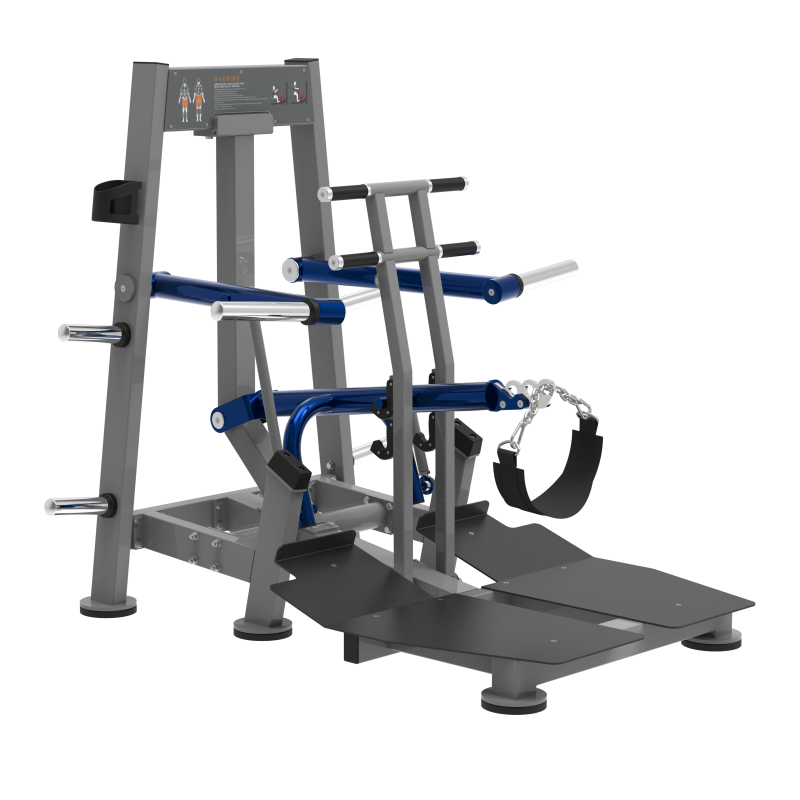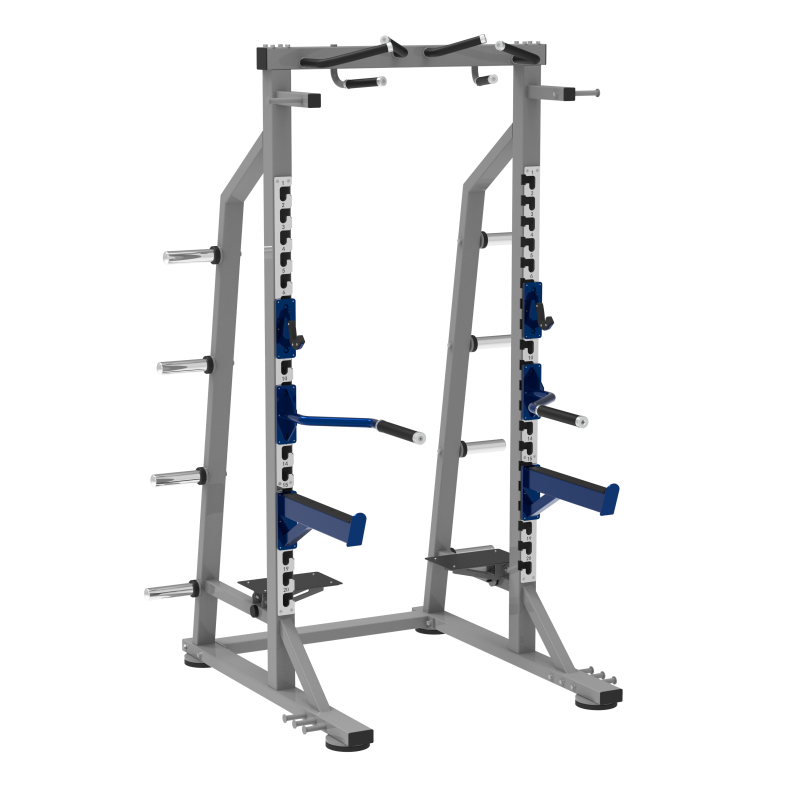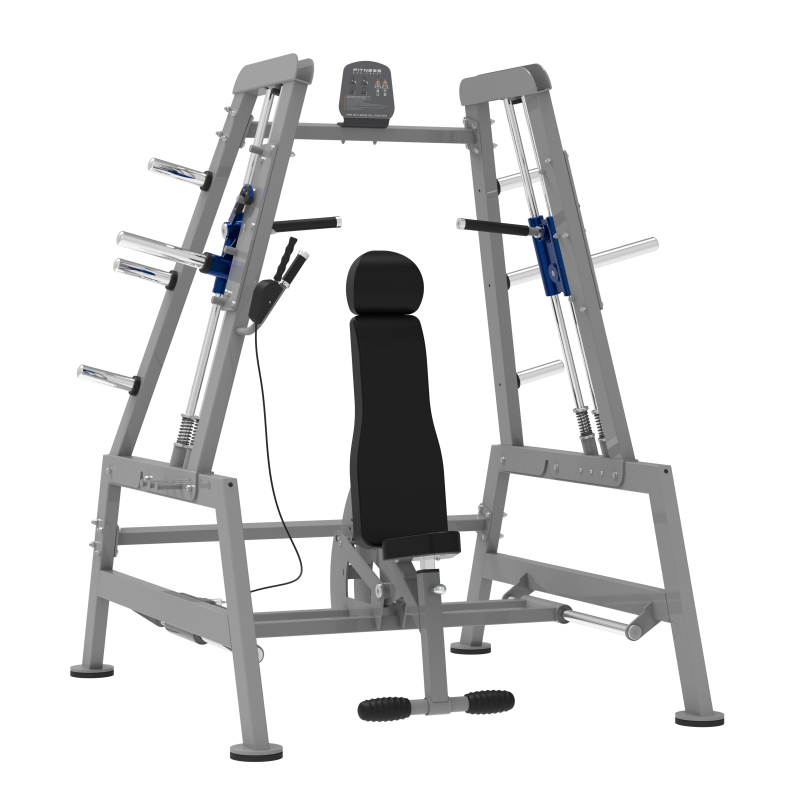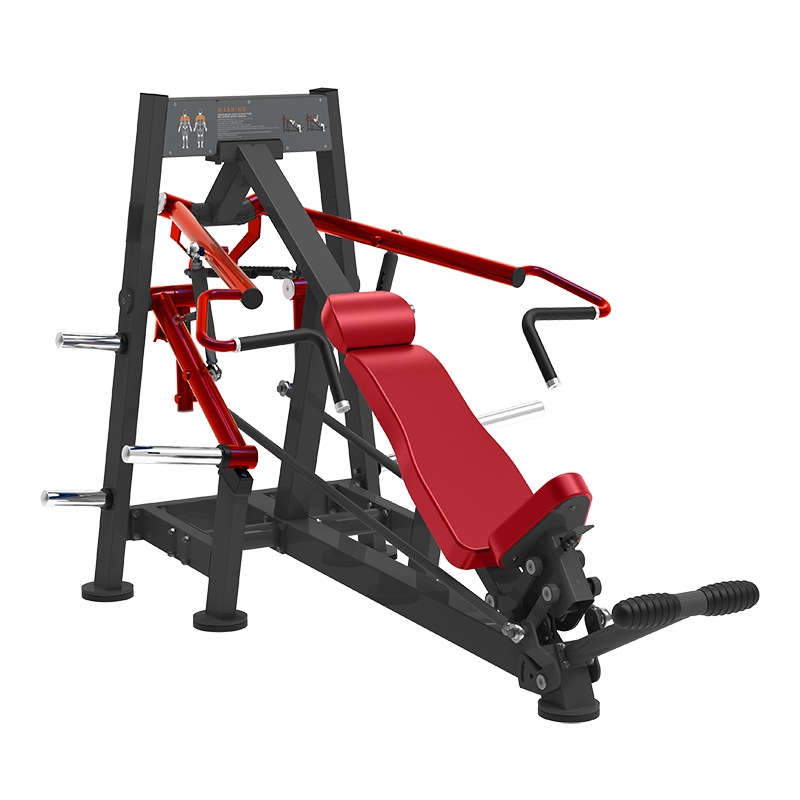



Shoulder Press Machines: What Buyers Should Look For Before They Order
The shoulder press is one of those staple strength movements that almost every commercial gym needs to get right. Whether a buyer is comparing a plate-loaded machine, a selectorized unit, or a free-weight station, the real decision is not just about how heavy the stack feels. It is about shoulder path, user comfort, frame stability, and how well the equipment fits the training floor. For sourcing teams and gym operators, the wrong choice can mean awkward biomechanics, avoidable maintenance, and a machine that sits underused in a prime corner of the gym.
That is why the conversation around shoulder press equipment should start with function, not finish with aesthetics. The machine has to support a clean overhead press pattern, but it also needs to accommodate a wide range of users without forcing everyone into the same fixed position. In a commercial setting, that matters more than many buyers expect.
Why the Shoulder Press Still Matters in Commercial Gyms
The shoulder press remains a core upper-body station because it trains deltoids, triceps, and upper chest involvement in a compact footprint. It is also easy for members to recognize. People who may not be comfortable with a barbell rack often feel more confident sitting down at a guided machine and pressing overhead with a controlled range of motion.
From an operator’s point of view, the station earns its place because it serves a broad audience: beginners learning pressing mechanics, regular members building overhead strength, and experienced lifters looking for a safer accessory movement after heavier work. That versatility is useful, but only if the equipment supports it properly.
Shoulder Press vs. Overhead Press: Same Goal, Different Feel
In day-to-day gym language, shoulder press and overhead press are often used interchangeably, though the feel can be quite different depending on the setup. A free-weight overhead press typically allows more natural movement variation and demands more balance. A machine shoulder press, by contrast, guides the path and can reduce stability demands.
For buyers, that difference is not academic. A guided machine may be easier for general members, but it should not feel restrictive. If the press path is too fixed, users can experience discomfort at the shoulder joint or struggle to maintain a strong pressing line. In a commercial floor plan, the best unit is usually the one that balances guidance with enough freedom to suit different arm lengths and torso positions.
Standing Shoulder Press or Seated Machine?
A standing shoulder press setup has the benefit of more athletic carryover and a stronger full-body demand. Still, it usually requires more coaching and floor discipline. Many gyms choose a seated machine version because it is easier to supervise, easier to learn, and more forgiving for mixed user populations.
That does not mean standing presses are a poor choice. They can be excellent in strength zones or functional training areas. But if the equipment is being selected for a mainstream commercial gym, the seated machine often wins on usability and turnover.
Dumbbell Shoulder Press and Machine Press: What Each One Really Gives You
The dumbbell shoulder press remains popular because it allows each arm to move independently. That independence can reveal strength imbalances and allow a more natural shoulder track. It also asks more of the stabilizers, which some training programs value highly.
The trade-off is predictability. Dumbbells require more coaching, more rack space, and more user judgment. In a busy facility, that is not a minor issue. A machine shoulder press simplifies the lift and reduces setup friction. For operators trying to improve member flow, that convenience can be a real advantage.
The practical buyer takeaway is simple: if your gym serves advanced lifters who want varied free-weight work, dumbbells are essential. If you need a dependable station for general strength training, the shoulder press machine is harder to beat.
Selection Criteria That Matter More Than Marketing Copy
Buyers often get pulled toward finish quality and frame styling first. Those things matter, but they should not be the starting point. A shoulder press unit should be judged on a few core points that directly affect user experience and long-term value.
Range of motion and start position
The machine should allow users to begin comfortably without cramming the shoulders into an awkward angle. This is especially important for members with different torso lengths or limited overhead mobility. A poor start position can make a machine feel “hard” in a bad way, when the real issue is geometry.
Seat and back support
Stable padding and a sensible back angle help users press with better control. If the seat height is too high or too low, smaller users may struggle to keep their feet planted and their torso steady. That sort of mismatch tends to show up quickly in commercial use.
Handle placement and grip options
Handles should support a pressing path that feels natural to the shoulders. Multiple grip positions can be helpful, though not every machine needs to overcomplicate this. Sometimes a simple, well-placed handle set is better than a crowded one.
Frame stability and movement quality
A shoulder press machine should feel planted, not lively. In other words, it should resist side-to-side wobble and keep the pressing motion smooth under load. That is where manufacturing discipline shows up. Welding quality, frame alignment, and the feel of the linkage all matter even if they are not visible in a brochure.
Where Minolta Fits Into the Picture
Shandong Minolta Fitness Equipment Co., Ltd. operates from Ningjin, a region known for its hardware manufacturing base. The company says it offers more than 300 types of exercise equipment for commercial and home use, with strength and cardio lines that include MND-AN, MND-FM, MND-FH, MND-FS, MND-FB, MND-E Crossfit, MND-F, MND-FF, MND-G, MND-H, and cardio models such as MND-D exercise bikes and the X500, X600, and X700 treadmills.
For sourcing teams, that breadth can be useful because it suggests a supplier that can support a coordinated equipment package rather than a single isolated station. Minolta also notes a 120,000-square-meter facility with a manufacturing workshop, quality control lab, and exhibition hall, which points to a more structured production setup than a small trading outfit. As always, buyers should verify the exact configuration, finishing, and commercial specifications of any shoulder press model they are considering.
Common Mistakes Buyers Make When Choosing a Shoulder Press
One common mistake is treating all pressing machines as interchangeable. They are not. Two machines can look similar on paper and feel completely different on the floor. Another issue is buying for the strongest users only. A machine that works for a tall, experienced lifter may be frustrating for a broader gym membership base.
Another practical oversight is ignoring how the station will be used during peak hours. A shoulder press that takes too much adjustment time or demands an unusual setup may create bottlenecks. In a commercial environment, simple often outperforms clever.
Maintenance is the other quiet factor. Buyers sometimes focus on initial appearance and forget about serviceability. Access to moving parts, upholstery durability, and finish quality affect the total cost of ownership. A machine that looks premium but needs frequent attention is not a bargain.
Quick Buyer Checklist
If you are comparing shoulder press equipment for a gym project, keep the review grounded in use, not assumptions:
Check whether the pressing path feels natural across different user sizes.
Confirm that the seat, back pad, and handles support stable positioning.
Look for frame solidity and smooth mechanical action under load.
Match the machine style to the training audience you actually serve.
Ask about service access, finish durability, and replacement part support.
FAQ: A Few Questions That Come Up Often
Is a shoulder press machine better than a dumbbell shoulder press?
Better is the wrong word unless you define the training goal. The machine is usually easier, more stable, and more commercial-gym friendly. Dumbbells offer more freedom and stabilization work. Most well-equipped facilities should have both.
Should a commercial gym choose a seated or standing shoulder press?
For general membership use, seated machines are usually the more practical choice. Standing versions are useful in strength-focused zones, but they tend to ask more of the user and the coach.
What makes one overhead press machine feel better than another?
Mostly geometry and smoothness. If the handles, back support, and resistance path align well with the shoulder joint, the machine feels natural. If they do not, users notice quickly, even if they cannot explain why.
A sensible next step for buyers
If you are sourcing a shoulder press for a commercial project, do not stop at catalog photos. Ask for the exact machine layout, check how it fits your member profile, and compare it against the rest of your strength floor. A good shoulder press should be easy to approach, comfortable to use, and sturdy enough to disappear into the daily rhythm of the gym.
For buyers building out a broader strength lineup, a supplier with both strength and cardio coverage can simplify procurement. Minolta’s range across commercial gym equipment may be worth reviewing if you want a single manufacturing partner rather than a patchwork of vendors. The main thing is to insist on the details that affect training quality, because that is what members remember long after the delivery truck leaves.