


Why a commercial recumbent bike matters in real facilities
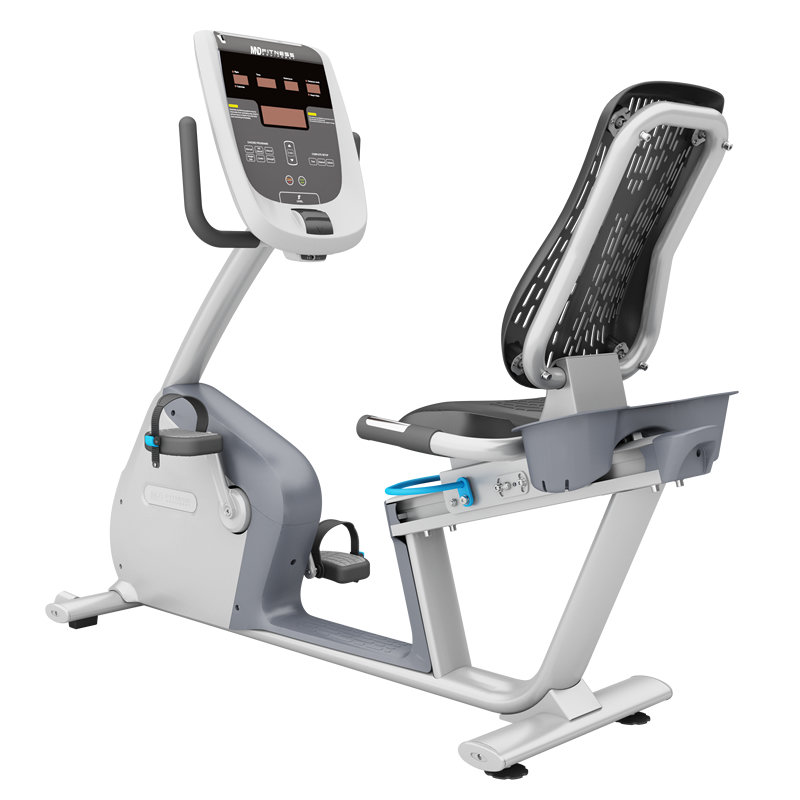
A commercial recumbent bike solves a simple but stubborn problem: not every user wants, or can tolerate, an upright cardio machine. In gyms, hotels, rehab spaces, and senior-friendly fitness rooms, the commercial recumbent bike gives riders a seated position with back support, easier mounting and dismounting, and a lower perceived barrier to exercise. That matters when your floor has mixed traffic, mixed ages, and mixed mobility levels.
For sourcing managers and product teams, the decision is not just about comfort. It is about utilization. A machine that is easier to approach and easier to trust often gets used more consistently. That can be the difference between a piece of equipment that sits in the corner and one that earns its footprint.
The seated recumbent format also reduces the intimidation factor common with many cardio machines. Riders can step through the frame, settle into the backrest, and start pedaling without the awkward balance moment that comes with taller frames. In a commercial setting, that small design choice can influence both adoption and safety.
What the visible machine design tells you
From the product details provided, this machine is a seated recumbent exercise bike / stationary cardio machine with a step-through open frame, black seat and backrest pad, molded light gray and dark gray outer shrouds, a metal frame and base, pedal straps, side grips, and an upright console mast. The enclosed flywheel or drivetrain housing suggests the moving components are protected, which is standard thinking for public-use equipment where durability and cleanliness matter.
The geometry matters more than it first appears. A reclined seating position shifts weight into the seat and back support instead of the wrists and shoulders. The wide stabilizing base and floor feet point to a design intended for repeated use rather than occasional home workouts. The seat rail or position mechanism visible in the product description also suggests some level of adjustability, though the exact range is not confirmed.
That combination of features is usually what buyers look for when they need a recumbent stationary bike for gyms or a hotel fitness recumbent bike that guests can figure out quickly without staff intervention.
Where this type of bike fits best
Gyms and health clubs
In a club environment, a club recumbent exercise bike earns its place by broadening access. It gives deconditioned users, older adults, and people returning from injury a place to start. It also lets experienced users perform longer steady-state sessions with less saddle fatigue than on a traditional upright bike.
Hotels and hospitality spaces
A hotel fitness recumbent bike is often chosen for ease of use. Guests may arrive tired, unfamiliar with the equipment, or wearing less suitable workout clothing. The step-through design and seated position reduce the learning curve. That is a practical advantage in spaces where staff cannot walk each user through the machine.
Rehab and low-impact training areas
For rehabilitation-style workouts and low-impact cardio, the recumbent format is familiar for a reason. It supports controlled leg movement, offers a stable posture, and allows users to focus on cadence and duration rather than balance. Of course, actual rehab use should always follow the facility’s clinical guidance; the machine design alone does not make it a medical device.
Commercial recumbent bike: the buyer’s key criteria
When comparing options, buyers should look beyond the console faceplate and focus on the structural basics. The first question is frame stability. A commercial recumbent cycle should feel planted when a heavier or less steady user sits down, adjusts the seat, and starts pedaling. Any wobble in the base is a warning sign.
Next is seat geometry. The seat should be wide enough for comfort, but also shaped to keep the pelvis stable during longer rides. Back support matters, but so does the distance from seat to pedals. If the adjustment range is too narrow, the bike quickly becomes a compromise machine that works for only part of the target audience.
Then there is enclosure. A well-covered drivetrain protects users and simplifies cleaning. In shared facilities, open moving parts are more than a cosmetic issue; they are a maintenance and safety concern. Molded shrouds and enclosed housings also give the product a more finished look, which matters in hospitality environments where equipment sits in view.
Finally, think about the console in operational terms, not marketing terms. The display and buttons should be visible, intuitive, and durable enough for repeated use. If the controls require a manual every time, the machine is too complicated for a public floor.
Why the materials and construction details matter
The provided product information points to plastic injection-molded covers, welded or formed metal frame components, upholstered seat and back pad, and an electronic console assembly. That is a familiar and sensible construction mix for commercial cardio equipment. The metal frame carries the load; the molded shrouds protect and visually clean up the machine; the upholstered contact points handle comfort and wear.
The finish also says something. Matte or satin surfaces tend to age better in shared spaces than highly glossy plastics, which show fingerprints and scuffs quickly. A clean molded surface can make routine housekeeping easier too, especially in hotel and club settings where presentation is part of the product.
One practical caution: buyers sometimes focus heavily on cosmetics because they see the machine on a showroom floor. In daily use, the hidden questions matter more. How accessible is the battery or power system, if one exists? How simple is the seat adjustment? Are replacement parts standardized? Those are the details that determine whether a recumbent bike stays in service or becomes a recurring service call.
Comparing use cases without overcomplicating the choice
If the goal is broad user appeal, a recumbent stationary bike for gyms is usually the safest option when the facility serves a wide age range. If the goal is guest accessibility and low instruction overhead, a hotel fitness recumbent bike is often a better fit than a more technical cardio machine. If the goal is long-duration, low-impact conditioning, the recumbent format holds its own against many upright alternatives.
That said, not every recumbent bike is equally suited to every floor. High-turnover clubs need robust construction and easy cleaning. Hotels need quiet operation and simple interfaces. Rehab-focused spaces need predictable entry, exit, and seating support. A machine can be “commercial” in the broad sense and still miss the specific demands of the room it lands in.
Common mistakes buyers make
The most common mistake is underestimating user diversity. A bike that feels fine to a fit staff tester may be awkward for an older guest, a tall member, or someone with limited hip mobility. The second mistake is assuming all enclosed cardio bikes are equally durable. Shroud quality, frame welds, seat mechanism quality, and pedal interface all affect service life.
Another mistake is choosing on appearance alone. The clean gray housing and backrest may look reassuring, but buyers should still ask how the machine is serviced, how the console is protected, and whether the adjustment hardware can withstand frequent public use. The visible design can suggest quality, but it does not prove it.
Where Shandong Minolta Fitness Equipment fits into the picture
Shandong Minolta Fitness Equipment Co., Ltd. presents itself as a manufacturer with more than a decade of experience, a 120,000-square-meter facility, and a product range that spans strength and cardio categories. The company notes over 300 types of exercise equipment and export experience across more than 100 countries in Europe, Africa, the Middle East, South America, and Southeast Asia.
For buyers, that matters because commercial fitness procurement often comes down to manufacturing breadth and the ability to support different program needs. A supplier with both strength and cardio lines can be easier to work with when a facility is outfitting multiple zones at once. The company’s Cardio Series includes exercise bikes and treadmills, which suggests the recumbent category sits within a broader commercial lineup rather than as a one-off product.
Still, it is worth keeping expectations grounded. The supplied data does not confirm exact model specifications, commercial ratings, resistance system, or warranty terms for this particular machine. Those are the details buyers should request before issuing a purchase order.
Practical questions to ask before you buy
Before committing to a commercial recumbent bike, ask for the seat adjustment range, the console functions, the service access points, and the recommended user profile. If the bike will go into a hotel, ask how quickly a guest can understand it without staff help. If it will go into a club, ask how the machine stands up to repeated daily cycling and cleaning. If it will go into rehab or senior fitness, ask about entry height, seat support, and pedal stability.
A useful sourcing habit is to compare the machine against the actual floor traffic, not the brochure. A recumbent bike that looks standard on paper may be overbuilt for one setting and under-specified for another. The right purchase is not the most feature-rich one; it is the one that matches the users who will touch it every day.
FAQ: quick answers for buyers
Is a recumbent bike better for beginners?
Often, yes. The seated position and back support make it less intimidating and easier to use than an upright cardio machine.
Is it only for rehabilitation?
No. It is also common in gyms, hotels, and general fitness areas because it serves a wide user range.
What matters most in commercial use?
Frame stability, seat comfort, ease of adjustment, enclosed moving parts, and a simple console usually matter more than flashy features.
Can the visible machine be assumed to have magnetic resistance?
No. The resistance system is not confirmed in the supplied information, so that should be verified directly.
What to do next
If you are sourcing a commercial recumbent cycle for a gym, hotel, or rehab-adjacent environment, start with the user profile and work backward into the machine spec. Ask for the frame details, adjustment features, serviceability, and console functions before comparing finish or appearance. That approach saves time and prevents expensive mismatches.
For facilities that need a broad-use seated cardio option, the recumbent format remains one of the most practical pieces of equipment in the room. The real task is choosing the version that will hold up under daily use and still make sense to the person who walks in and sits down for the first time.