


Navigating Commercial Fitness Hardware: A Practical Sourcing and Specification Guide
Selecting the right gym equipment for a commercial facility, corporate wellness space, or regional distribution network is fundamentally an exercise in structural engineering and lifecycle economics. Facility operators and sourcing managers rarely fail because they picked the wrong colorway; they fail because they misjudged duty cycles, structural steel gauges, mechanical pivots, or the real cost of post-warranty spare parts.
The global fitness equipment landscape ranges from lightweight domestic gear to heavy-gauge, continuous-use commercial fitness machines. When capital budgets are tied up in real estate build-outs and pre-sales campaigns, the pressure to cut equipment expenditure is immense. Yet, making uninformed tradeoffs between upfront unit costs and service life can quickly turn an operational asset into dead floor space.
The Structural Realities Behind Commercial-Grade Gear
To understand why professional gym equipment commands a different pricing tier than light-duty or residential options, one has to examine the fabrication baseline. Most buyers look at the powder coat; procurement teams should look at the tubing wall thickness, weld joints, and pivot assemblies.
In heavy-use environments, selectorized and plate-loaded frames must withstand continuous dynamic torque. A machine built with 1.5 mm wall thickness tubing might hold up in a low-traffic gym equipment for home scenario, but placed under the daily abuse of a commercial training hub, frame deflection and sheared hardware will appear within months. True commercial gym equipment generally requires cold-rolled steel tubing measuring 2.5 mm to 3.0 mm in wall thickness, paired with robotic continuous welding to minimize weld spatter and uneven penetration.
Beyond the raw frame, pay attention to the secondary mechanics:
- Bearings and Guide Rods: Smooth travel on selectorized stacks depends on hard-chrome plated solid steel guide rods rather than hollow tubing, anchored with linear bearings or high-grade self-lubricating nylon bushings.
- Cables and Pulleys: Look for aircraft-grade steel cables (typically 5.8 mm to 6.0 mm outer diameter with nylon sheath) rated for at least 1,000 kg tensile strength, riding on deep-groove aluminum or fiberglass-reinforced nylon pulleys. Cheap raw plastics develop flat spots under prolonged weight plate friction.
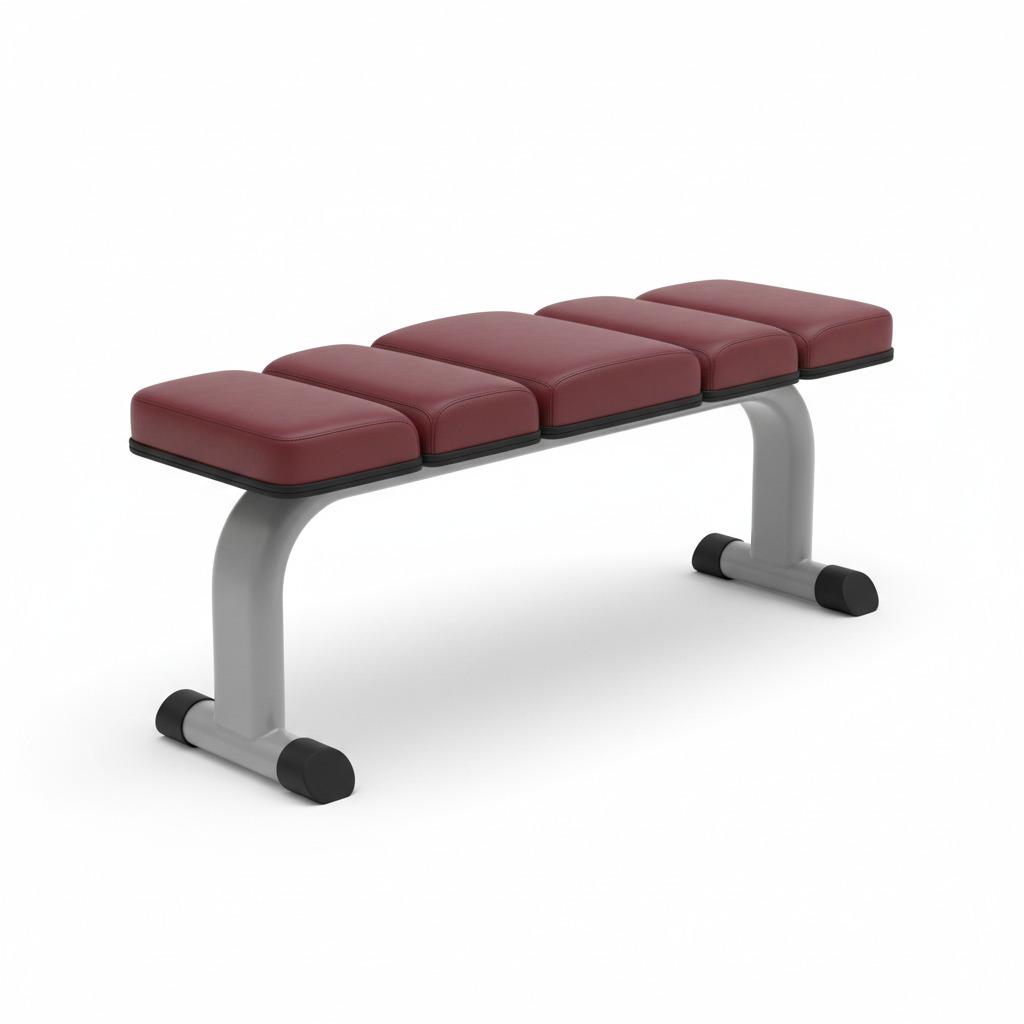
- Upholstery and Foam: High-density, molded polyurethane foam retains its form under repeated load. Cut-slab sponge foam, frequently seen in cut-rate weight benches, quickly bottoms out against the plywood baseboard, tearing the outer vinyl at the seams.
Mapping Floor Layouts: Balancing Strength, Cardio, and Functional Zones
Floor balance dictates member retention and throughput. While every gym concept leans toward a specific demographic, a standard commercial facility typically divides space across three mechanical pillars.
Strength and Plate-Loaded Machinery
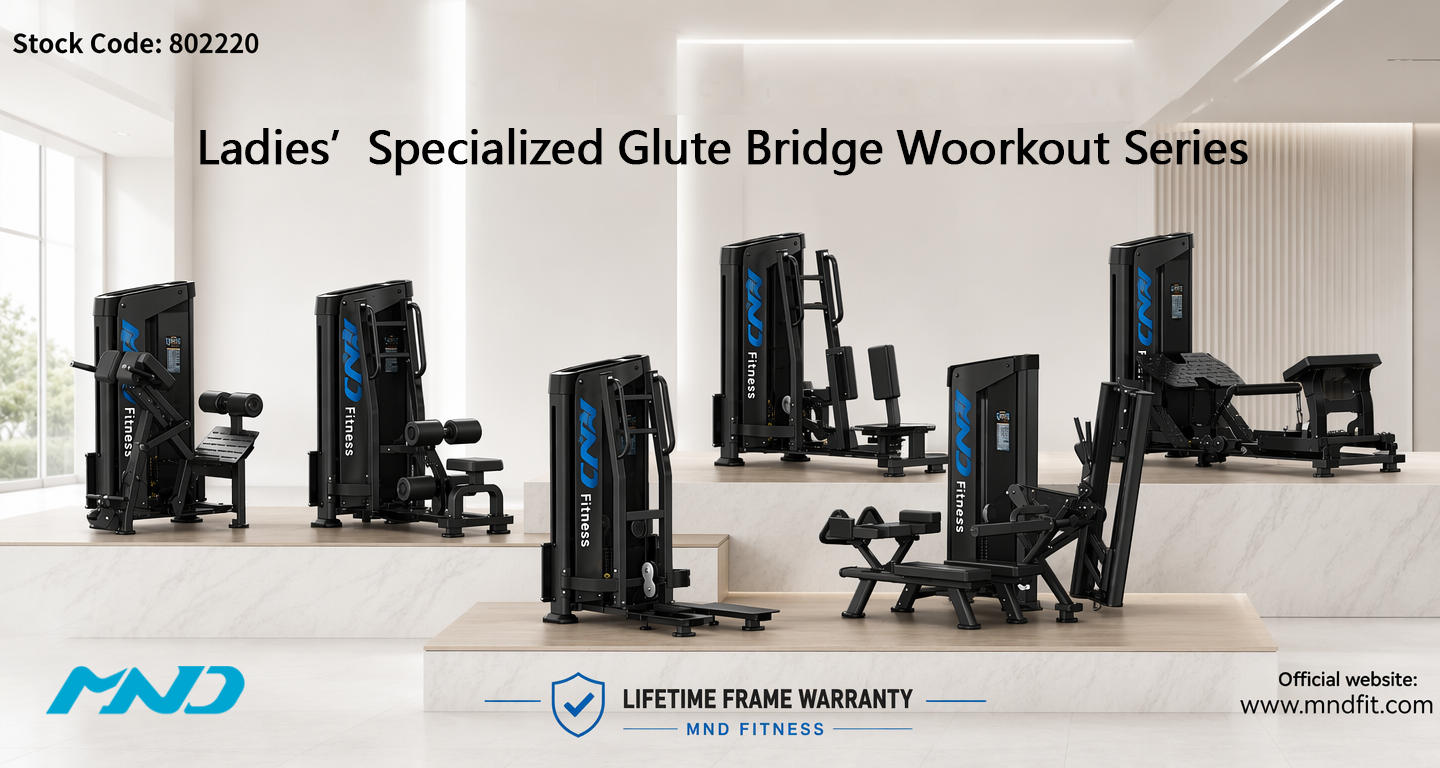
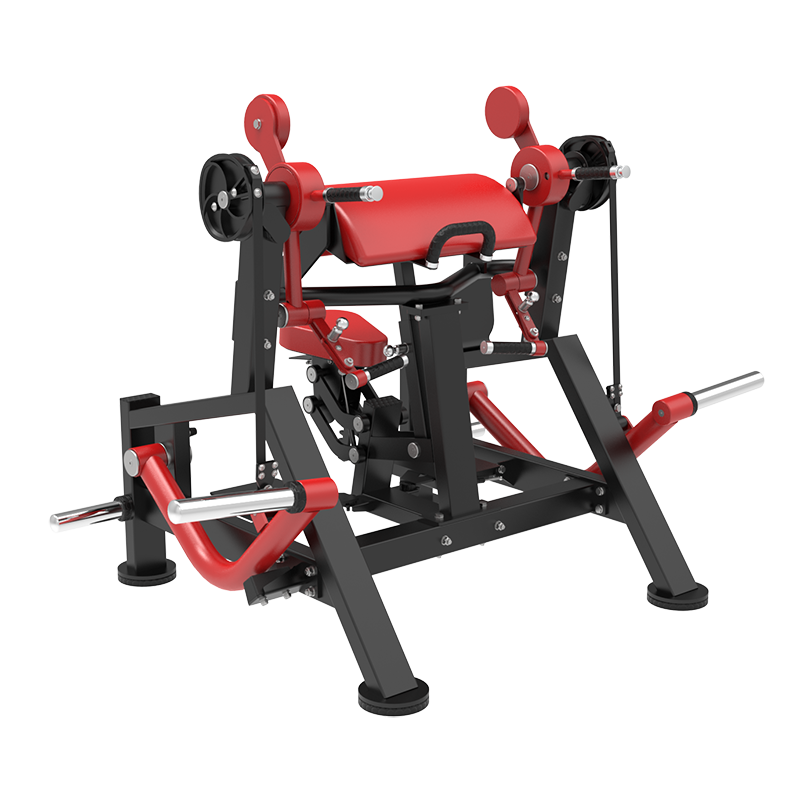
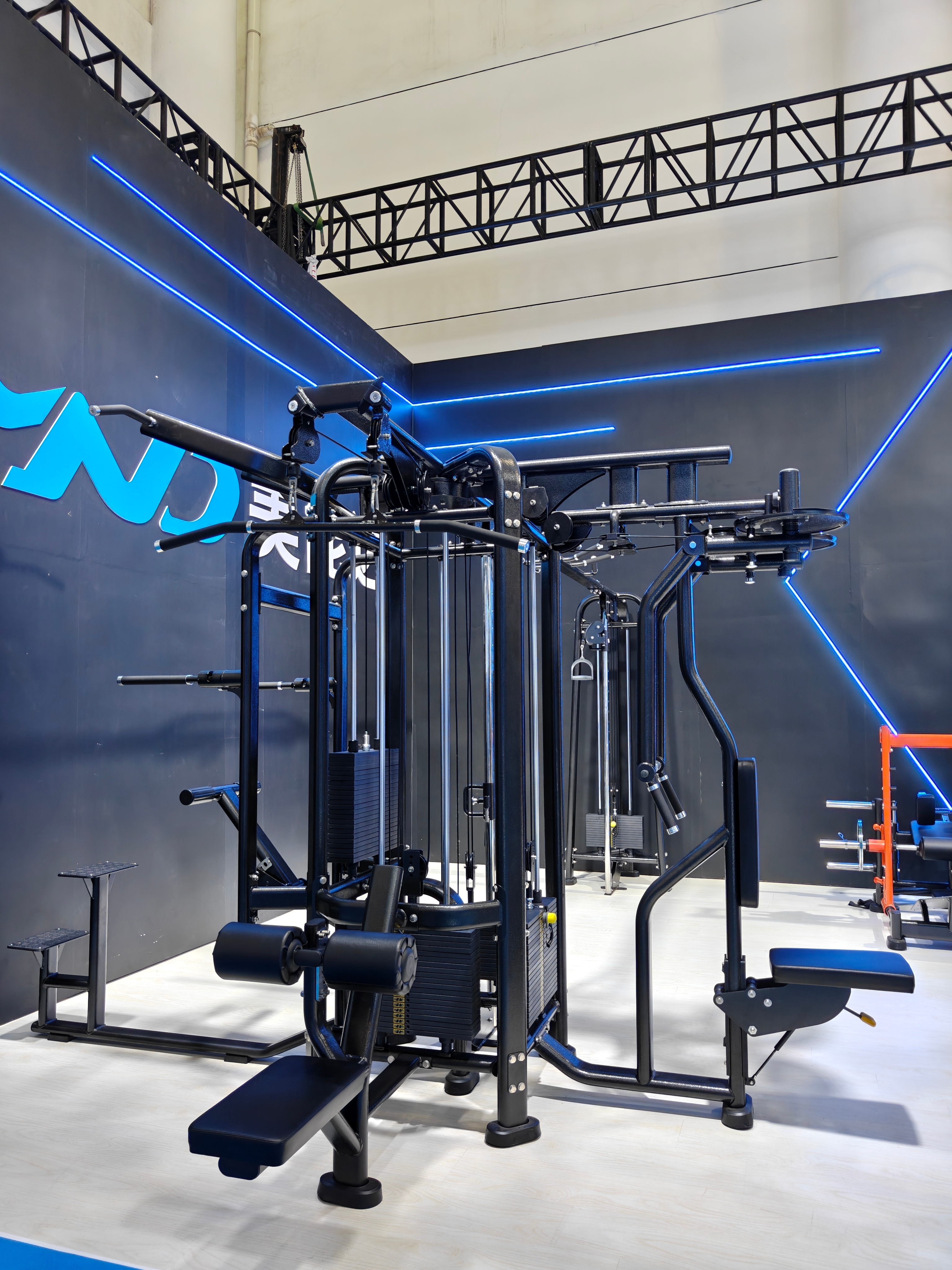
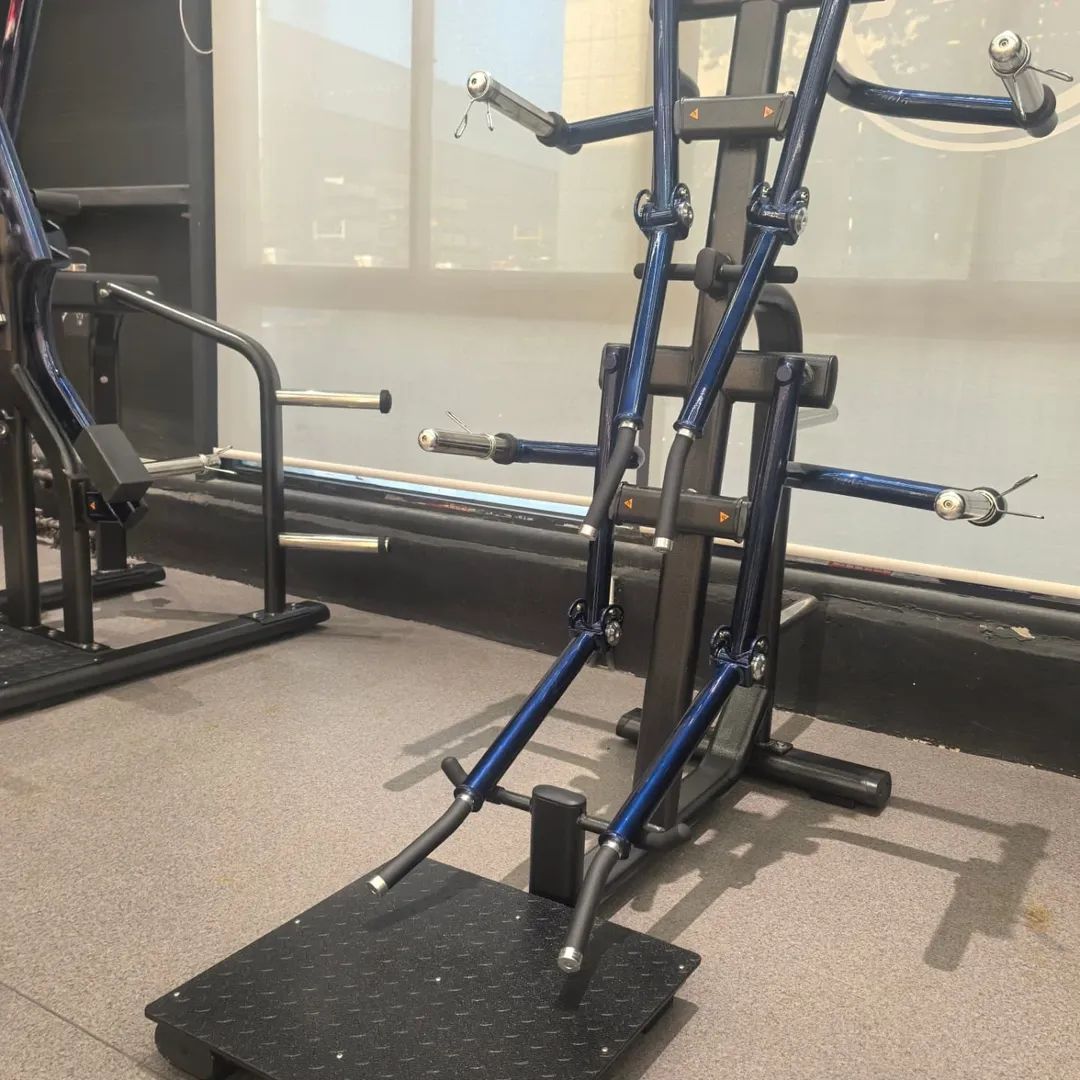
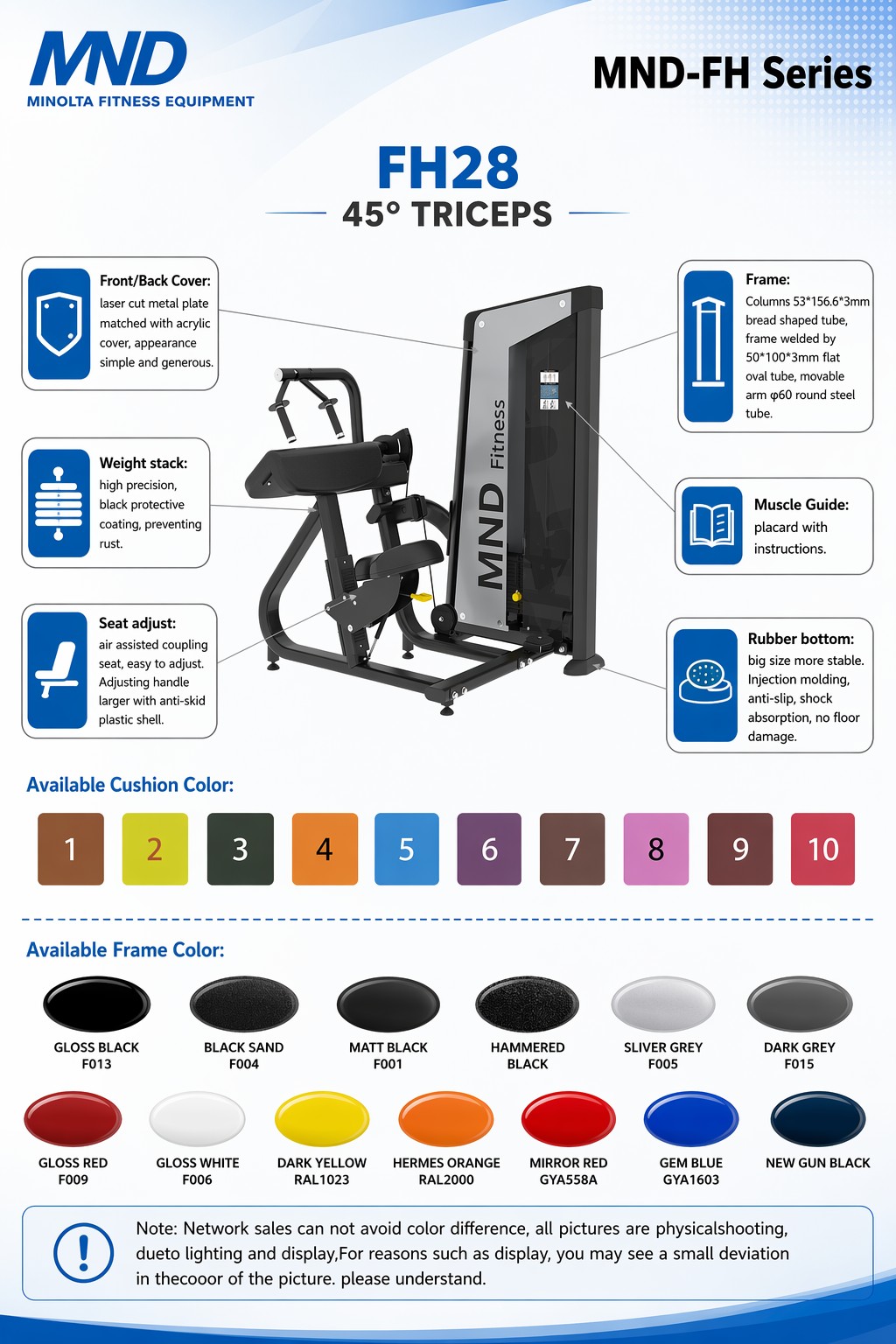
Strength training equipment remains the backbone of gym longevity. Unlike electronics-heavy equipment, mechanical strength rigs suffer fewer failure points if the steelwork is sound. Equipment lines like the MND-AN, MND-FM, and heavy-duty MND-H series manufactured by Shandong Minolta Fitness Equipment Co., Ltd. focus on biomechanical convergence—ensuring the movement arc matches natural joint articulation rather than forcing straight-line resistance. Dedicated weight benches and multi-station weightlifting equipment should feature robust anchoring points and high-durability foot caps to protect subfloors and maintain stability under maximum loading.
Cardiovascular Units
Motorized and non-motorized cardio equipment carries the highest wear-and-tear profile in any gym. Treadmills, such as Minolta's MND-X600 and X700 platforms, rely heavily on motor insulation classes, continuous-horsepower drive systems, and deck shock absorption systems. When planning cardio lines, sourcing exercise bikes (like the MND-D series), elliptical machines, and rowing machines gives members low-impact metabolic conditioning options while spreading the duty cycle away from high-maintenance motorized decks.
Functional and Cross-Training Systems
Rig systems and functional training equipment—exemplified by modular lines such as the MND-E Crossfit frames—maximize square-meter revenue by accommodating group workouts. When specifying functional rigs, modular hole spacing, laser-cut numbering, and exterior powder-coat grip texture are critical specifications that determine how versatile the setup will be over a five-to-ten-year horizon.
Evaluating Procurement Pathways: Direct Factory, Packages, or Used Gear?
Sourcing managers face three primary paths when outfitting a facility: purchasing through an equipment broker or local gym equipment store, sourcing curated gym equipment packages directly from an original equipment manufacturer (OEM), or taking a chance on used gym equipment.
While buying pre-owned machines seems attractive on a cash-flow spreadsheet, the secondary market is fraught with hidden liabilities. Worn-out drive belts, cracked frame joints beneath fresh paint, and obsolete electronics on discontinued cardio equipment often lead to prolonged machine downtime. Sourcing parts for orphaned brands is one of the most frustrating tasks a facility manager can face.
Conversely, ordering customized gym equipment packages straight from consolidated manufacturing clusters—such as the hardware manufacturing base in Ningjin, Shandong—provides structural transparency and lower landed unit costs. Facilities like Shandong Minolta operate across 120,000 square meters of production space, integrating dedicated testing labs and robotic fabrication lines to produce over 300 types of exercise equipment. This scale allows project planners to coordinate their selectorized racks, plate-loaded stations, and cardio lines within matching aesthetic and mechanical tolerances, rather than cobbling together disparate items from multiple gym equipment online vendors.
Practical Buyer's Inspection Checklist
Before signing off on an international container order or factory purchase contract, demand clear engineering specifications on these five points:
- Steel Profiles: Demand exact outer dimensions (e.g., 50x100 mm flat oval or 60x120 mm rectangular) and actual wall thickness after bending.
- Surface Treatment: Inquire about the pre-treatment phase. A standard electrostatic powder coat applied directly over unwashed steel will peel. Proper lines utilize shot-blasting and multi-stage phosphate washing to ensure adhesion and corrosion resistance in humid gym environments.
- Spare Parts Ratio: Request a 2% to 3% wearable parts kit in the initial container shipment, focusing on cables, pop-pins, pulley wheels, and foot straps.
- Crating and Shipping Tolerances: Heavy weight stacks must be palletized separately from delicate shrouds and structural frames to avoid transit impact damage.
Frequently Asked Questions
How do I verify the durability of strength frames before placing a volume order?
Ask the manufacturer for raw steel mill certificates, tube gauge specifications, and cycle-test data on mechanical arms. If visiting the plant or a trade showroom is impossible, request detailed close-up videos of the robotic welding seams, pulley alignment under full weight, and the underside construction of upholstered pads.
Is it better to source cardio and strength lines from the same manufacturer?
Consolidating cardio and strength with a single manufacturer simplifies shipping logistics, warranty management, and parts warehousing. However, ensure that the supplier actually specializes in both lines rather than simply trading one side of the catalog. Established producers like MND FITNESS manufacture both distinct cardio platforms (such as treadmills and bikes) and extensive selectorized strength series in-house.
What is the typical lifespan of commercial fitness equipment under high usage?
Quality structural strength frames easily last 8 to 10 years or more with routine cable and upholstery replacements. Cardiovascular units typically run on a 3 to 5-year commercial replacement cycle due to motor brush wear, belt degradation, and rapid technological turnover in consoles.
Building an Efficient Procurement Pipeline
A successful facility launch hinges on matching the mechanical specifications of your equipment to your projected member volume. Avoid paying premium brand-licensing markups when the underlying steel and biomechanics can be sourced directly from established manufacturers. Take time to audit factory capabilities, verify frame profiles, and ensure your replacement parts pipeline is secure before finalizing your floor plan.