


Choosing MND fitness equipment for a commercial gym is less about chasing a catalog and more about matching the right machines to the way your members actually train. A club owner, sourcing manager, or project team usually wants the same thing: equipment that looks professional, holds up under daily traffic, and fits a sensible floor plan without forcing the budget into a corner. That is where MND gym equipment becomes a practical subject, not a brand-name exercise.
Shandong Minolta Fitness Equipment Co., Ltd. positions MND FITNESS as a manufacturer with more than a decade in the fitness equipment sector, a 120,000-square-meter facility, and a product range that spans strength and cardio. For buyers, that combination matters because it suggests a supplier with enough scale to support commercial orders, yet enough variety to build a mixed-use training space instead of a single-purpose room.
What buyers are really trying to solve
Most procurement conversations around commercial gym equipment come down to three questions. First, will the equipment match the training style of the facility? Second, can the supplier deliver a cohesive lineup rather than a handful of disconnected machines? Third, will the equipment stay easy to maintain once the installation team leaves?
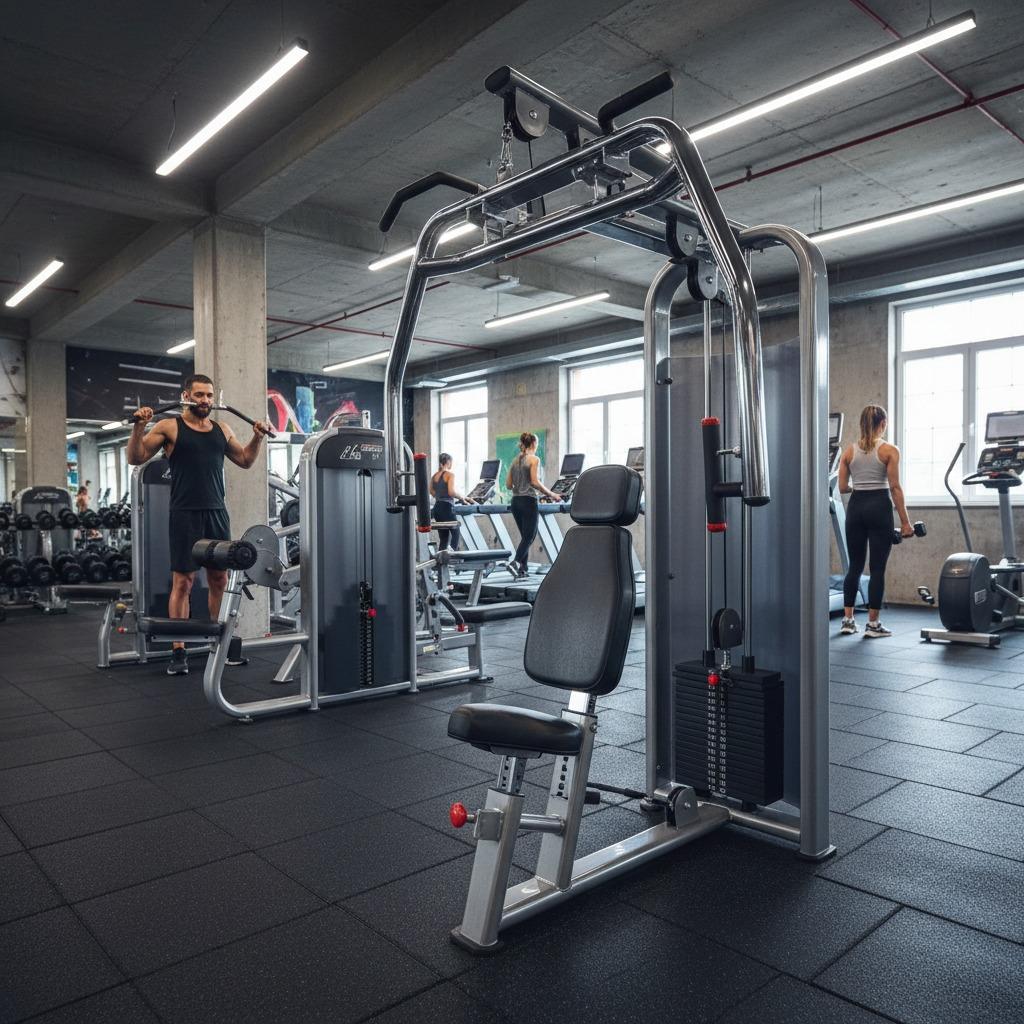
That is why MND fitness equipment often gets evaluated as a system, not as isolated products. A club needs cardio stations for warm-ups and conditioning, selectorized units for approachable resistance work, and heavier-duty strength pieces for experienced lifters. If any one category is weak, the whole gym feels incomplete. Members may not name the problem that way, but they notice it quickly.
Quick way to think about the lineup
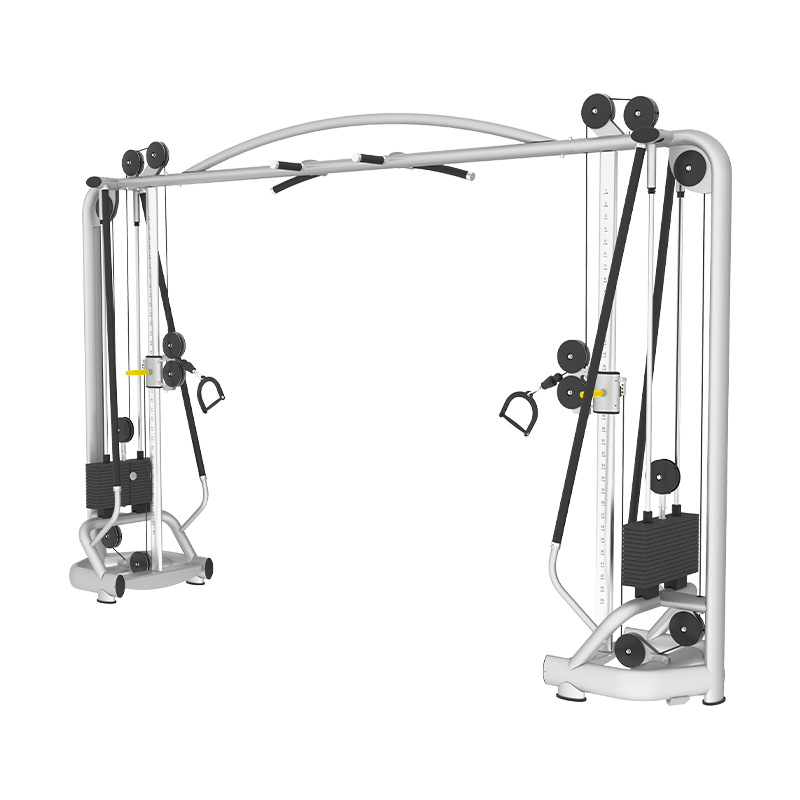
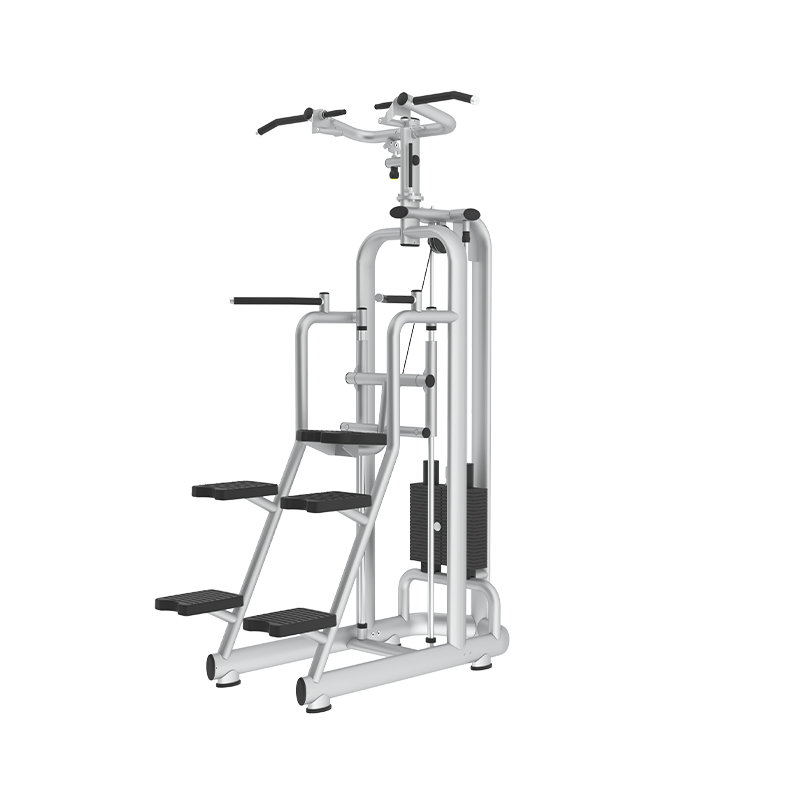
Minolta’s catalog is broad enough to cover the main floor zones most commercial buyers plan around. The Strength Series includes MND-AN, MND-FM, MND-FH, MND-FS, MND-FB, MND-E Crossfit, MND-F, MND-FF, MND-G, and MND-H. On the cardio side, the company lists MND-D exercise bikes and X500, X600, and X700 treadmills.
That range matters because it helps buyers compare use cases rather than just machine types. A fitness club might need straightforward resistance stations for general members, while a sports performance room may prioritize tougher free-weight style movement patterns and more open training layouts. The right mix is not always the most expensive mix. Often it is the one that creates enough variety without clutter.
Strength floor choices
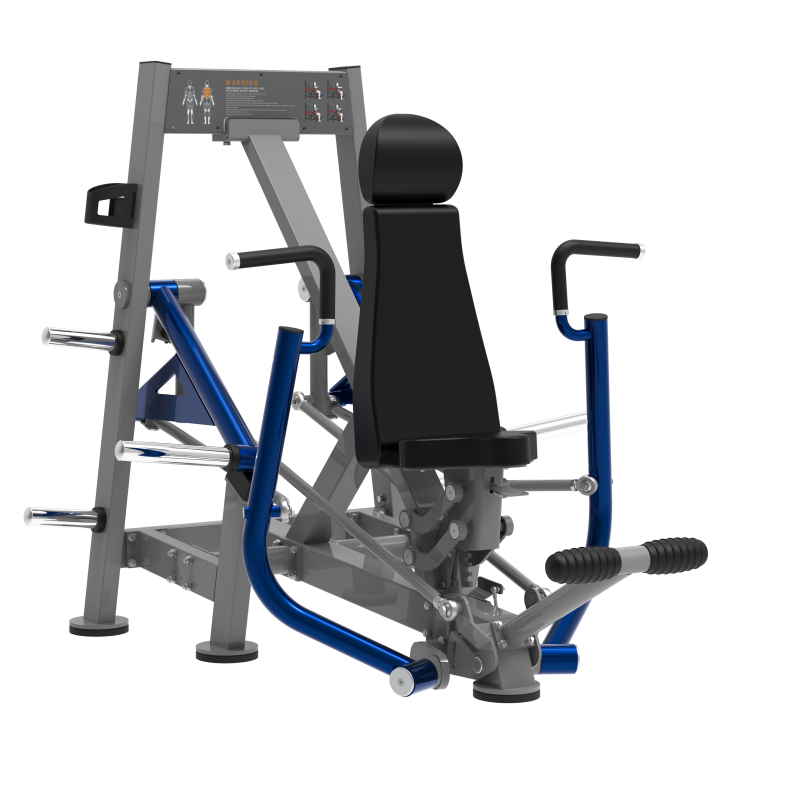
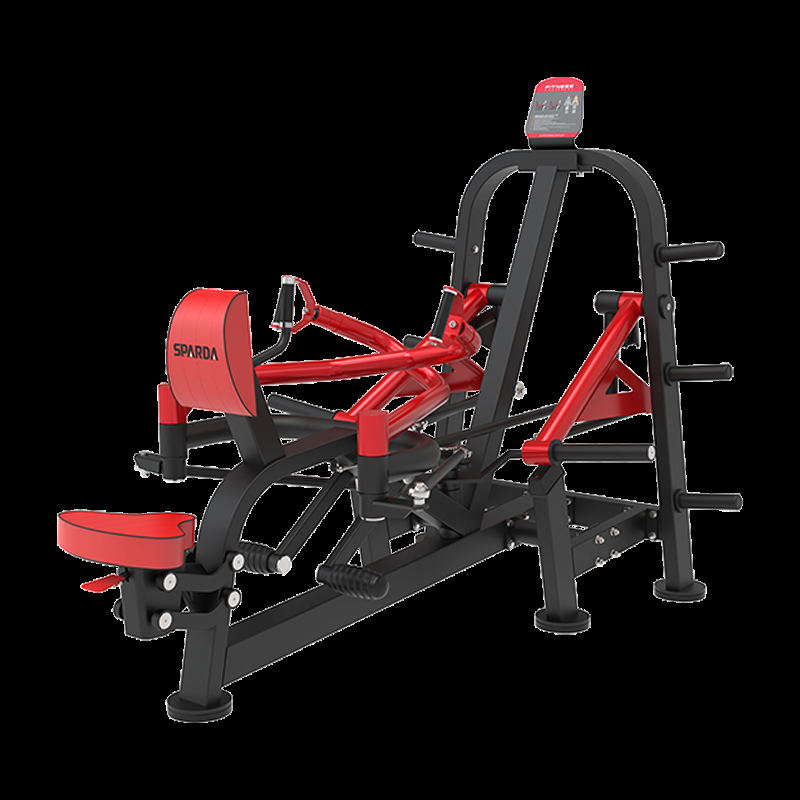
For many buyers, the most important split is between MND plate loaded strength equipment and MND selectorized machines. Plate loaded units appeal to facilities that want a more athletic feel and a closer connection to free-weight training. They usually suit members who already understand loading plates and handling movement paths with care. Selectorized machines, by contrast, are friendlier for quick setup, mixed-user traffic, and spaces where onboarding matters.
That distinction is simple on paper and important on the floor. Plate loaded equipment can add intensity and flexibility, but it also asks more of the user and sometimes more of the staff. Selectorized machines reduce friction. In a hotel gym, residential club, or corporate fitness room, that lower barrier can be the difference between a machine that gets used and one that becomes decoration.
Cardio placements
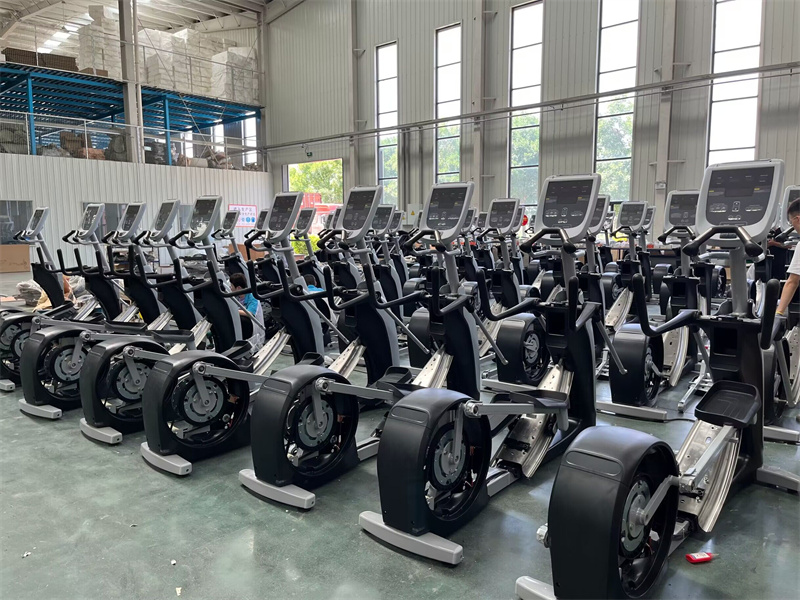
MND cardio machines should be judged with a different lens. Buyers usually care about footprint, ease of use, and whether the display and controls are intuitive enough for a first-time user. The X500, X600, and X700 treadmills give a commercial operator options for different training zones, while MND-D exercise bikes can fill in lower-impact conditioning work or recovery-focused areas.
One practical caution: cardio equipment is often the first thing members try, so any inconsistency in feel or layout stands out. A treadmill that sits awkwardly in a narrow aisle, or a bike that is too close to adjacent machines, can make a whole room feel less considered than it really is. Floor planning is not a minor detail; it shapes perceived quality.
Why manufacturing capacity still matters
When buyers compare suppliers, they often focus on catalog images and overlook the manufacturing base behind them. In commercial fitness, that is a mistake. A supplier with a 120,000-square-meter facility, manufacturing workshop, quality control lab, and exhibition hall is better positioned to manage a wide product mix and support consistent output.
Minolta also highlights the advantage of Ningjin’s hardware industry cluster. For a sourcing team, that point is not just geographic trivia. An established industrial base can support fabrication capability, component sourcing, and the kind of supplier network that helps commercial projects move without unnecessary delays. It does not guarantee perfection, of course, but it usually improves the odds of repeatable production.
How to choose the right mix for your project
Start with user type, then build outward. A boutique studio that runs coached strength sessions may lean toward more open, performance-oriented MND strength training equipment. A neighborhood club with broad age ranges usually needs a balanced mix of easy-entry machines, sturdy cardio, and a few more advanced pieces for progressive training. A school or hotel gym often sits somewhere in between.
It helps to ask a few blunt questions before issuing a purchase order: How many users will train at peak time? How much instruction will staff realistically provide? Which machines will be used daily, and which will only see occasional traffic? These questions sound basic, but they separate useful equipment plans from attractive but impractical ones.
Also look at the long game. Commercial buyers often undercount maintenance access, spare-part planning, and the value of keeping the visual language of the room consistent. Mixed brands can work, but they can also make a room feel pieced together. A coordinated package from one manufacturer can simplify procurement and make the gym easier to expand later.
Common mistakes buyers still make
The first mistake is overbuying specialty pieces before the core floor is covered. A club may be tempted by standout machines, then discover it lacks enough foundational strength stations or basic cardio coverage. Members usually prefer balance over novelty.
The second mistake is choosing equipment by photos instead of use pattern. A polished frame finish and a strong showroom presentation are useful, but they do not tell you whether the machine suits beginner traffic, commercial pacing, or the available room dimensions. The MND selectorized machines category is a good example: what matters is not just appearance, but how smoothly they work for steady, repeated use.
The third mistake is ignoring how the equipment feels together. Commercial buyers sometimes compare only spec sheets, yet the real test is the transition between machines, the flow of the room, and whether one category supports the next. In practice, the best gyms feel coherent, not crowded.
What the export footprint suggests
Minolta says it has exported gym equipment to more than 100 countries across Europe, Africa, the Middle East, South America, and Southeast Asia. That kind of footprint is useful information for sourcing teams because it suggests the company has worked across different market expectations and commercial formats. It also hints at experience handling varied shipment and project requirements, though every project still needs its own due diligence.
For international buyers, the key point is not the number itself. It is the implied familiarity with different buying environments. A supplier that works across regions is often better prepared for mixed order sizes, changing facility types, and the practical back-and-forth that comes with commercial procurement.
FAQ for buyers comparing options
Is one product category enough for a commercial gym?
Usually not. A workable facility tends to need both cardio and strength coverage, even if one category is larger than the other.
Should a buyer prefer plate loaded or selectorized machines?
It depends on the user base. Plate loaded strength equipment suits more experienced lifters and performance spaces, while selectorized machines are often easier for general members and higher-turnover environments.
Does a broader catalog make sourcing easier?
Often yes, because it can reduce vendor sprawl and help keep the visual and mechanical language of the gym more consistent. Still, catalog breadth should be weighed against service support and fit for purpose.
What should be checked before final approval?
Floor space, user profile, training goals, maintenance access, and how the equipment mix will hold up after the opening rush fades. The first month of use is rarely the hardest month.
Practical next step
If you are comparing MND fitness equipment for a new facility or an upgrade, the most useful next move is to build a short list by zone: cardio, general strength, and any higher-intensity training area. Then match each zone to the right product family instead of buying by habit. A well-planned package from Shandong Minolta Fitness Equipment Co., Ltd. can give you that structure without forcing the project into a one-size-fits-all layout.
For buyers, that is the real decision: not whether the catalog looks complete, but whether the equipment set will work day after day in the room you actually have.