


Why upper-limb training still matters in MND care
Upper Limbs MND Fitness is not a niche topic for clinicians alone. For people living with motor neurone disease, and for the families or facilities supporting them, the condition of the arms and shoulders affects dressing, feeding, grooming, transfers, wheelchair use, and the simple ability to stay independent for as long as possible. That is why Motor Neurone Disease upper limb exercise is discussed so often in therapy settings: not to chase athletic gains, but to preserve function, manage fatigue, and keep movement as useful as possible for as long as possible.
The challenge is that MND upper limb rehabilitation has to be handled carefully. Too much load can leave a person exhausted for hours or even longer; too little activity can allow stiffness, discomfort, and avoidable loss of usable range. The right approach is usually a measured one, built around comfort, daily function, and changing ability rather than a fixed fitness target. That is an important distinction, and it shapes every sensible Upper limb mobility for MND plan.
What a practical upper-limb plan is trying to achieve
A good MND arm exercise program is usually not about building strength in the conventional gym sense. In many cases, the real aim is to maintain movement quality, reduce stiffness, support posture, and help a person continue doing everyday tasks with less strain. This can include gentle shoulder movement, elbow flexion and extension, wrist mobility, hand opening and closing, and assisted or supported reaching.
Upper limb strength exercises for MND may be appropriate in some situations, but they need to be scaled to the person, not to the exercise sheet. A movement that looks trivial to a healthy adult can be demanding for someone with neuromuscular weakness. In practice, the useful question is not “How hard can this be made?” but “Can this be repeated without excessive fatigue or pain?”
That is where facilities, therapy teams, and equipment suppliers need to think beyond slogans. The equipment used for general commercial fitness is often designed for performance, not for highly controlled, low-load mobility work. In rehabilitation spaces, a smoother range of motion, stable seating, accessible adjustment points, and predictable resistance can matter more than aggressive load settings.
What types of movement are commonly considered
Supported mobility work
Upper limb mobility for MND often starts with supported motion. This may involve assisted arm lifting, tabletop sliding, gentle external rotation, or passive range-of-motion work guided by a therapist or carer. The point is to keep joints from becoming overly stiff and to reduce discomfort during basic daily activities.
Low-load strengthening
If a person still has enough reserve, carefully selected upper limb strength exercises for MND can help maintain everyday function. These are usually low resistance, low repetition, and closely monitored. The warning sign is delayed fatigue that disrupts the rest of the day. If that happens, the dosage is probably too high.
Task-based function
Sometimes the best upper-limb work is not a formal exercise at all. Reaching for a cup, guiding a utensil, or practising a transfer-related arm movement may be more meaningful than isolated repetitions. For many users, especially in later stages, function-based practice makes better sense than gym-style training.
What equipment buyers and therapy buyers should look for
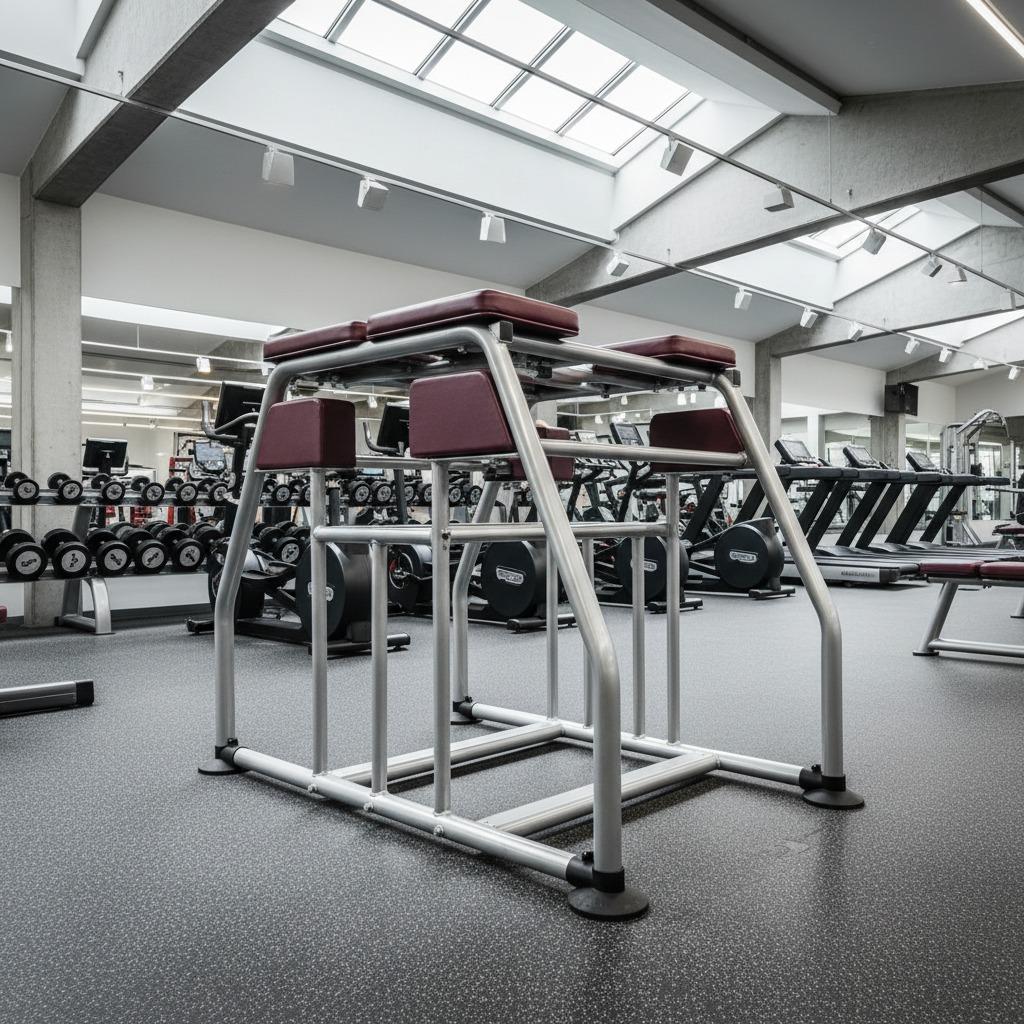
When sourcing equipment for a clinic, rehabilitation room, or inclusive fitness area, the buying decision should start with control and usability. Heavy commercial machines can be valuable, but only when they can be adjusted to suit reduced strength, seated use, and cautious progression. In this category, smooth motion, clear settings, and an upright, stable frame often matter more than the headline weight stack.
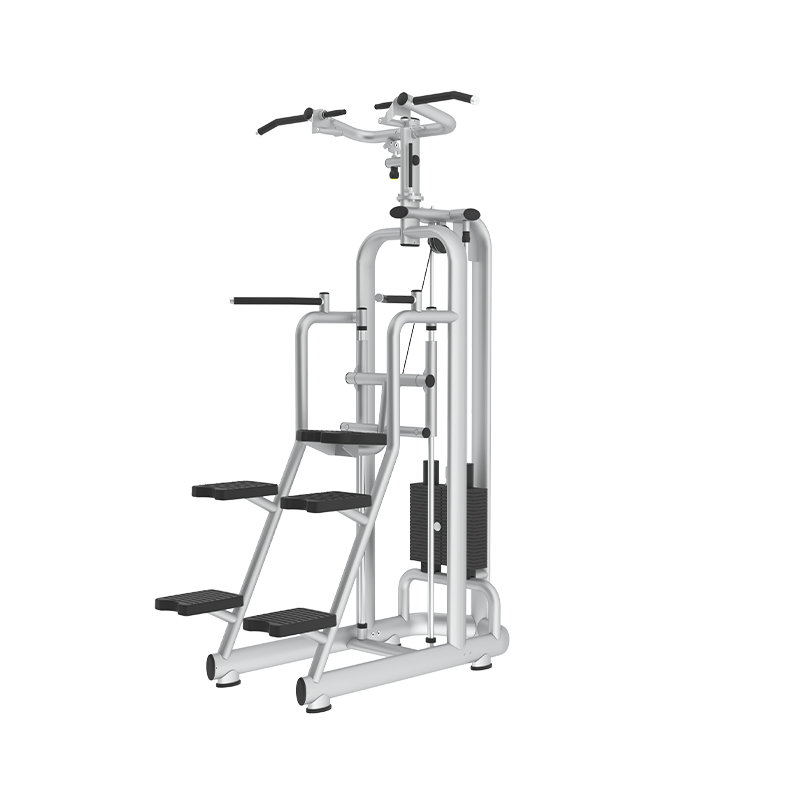
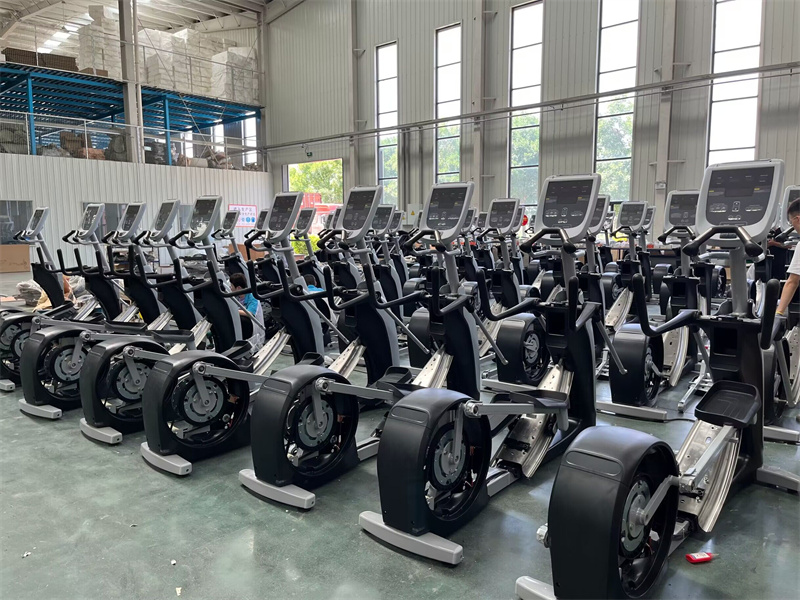
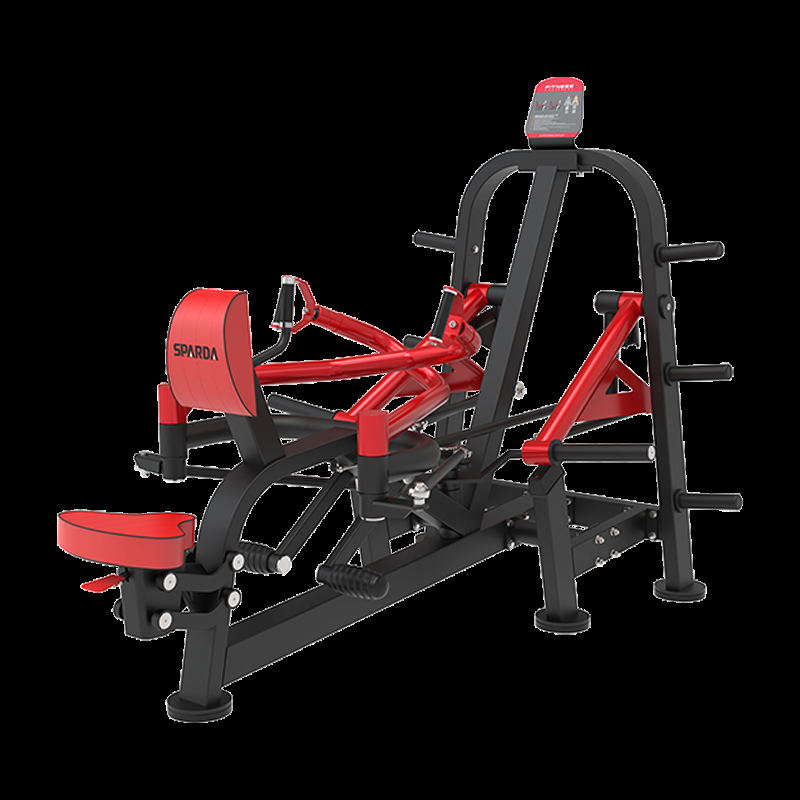
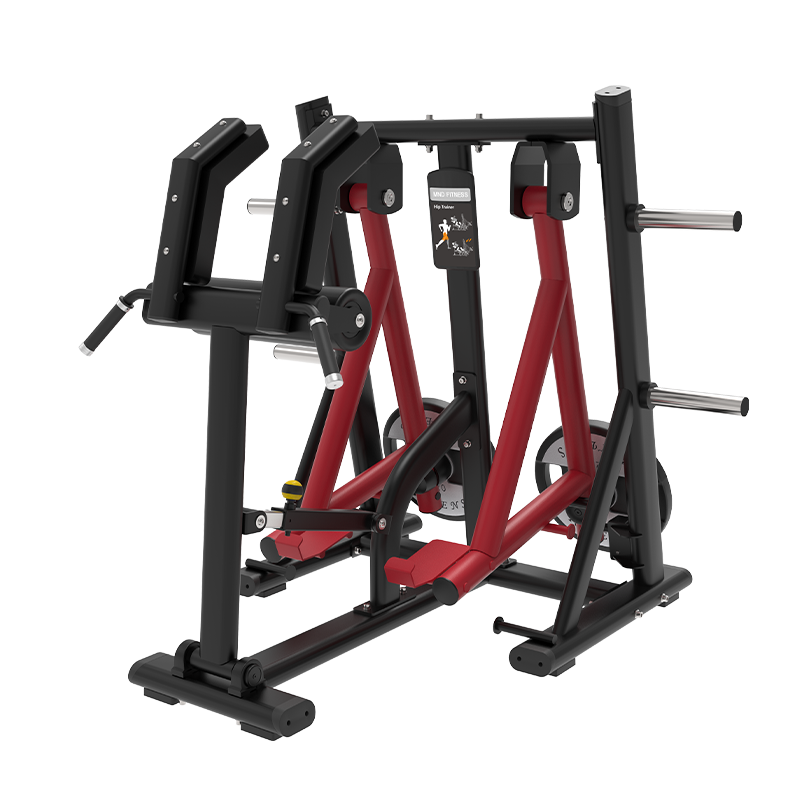
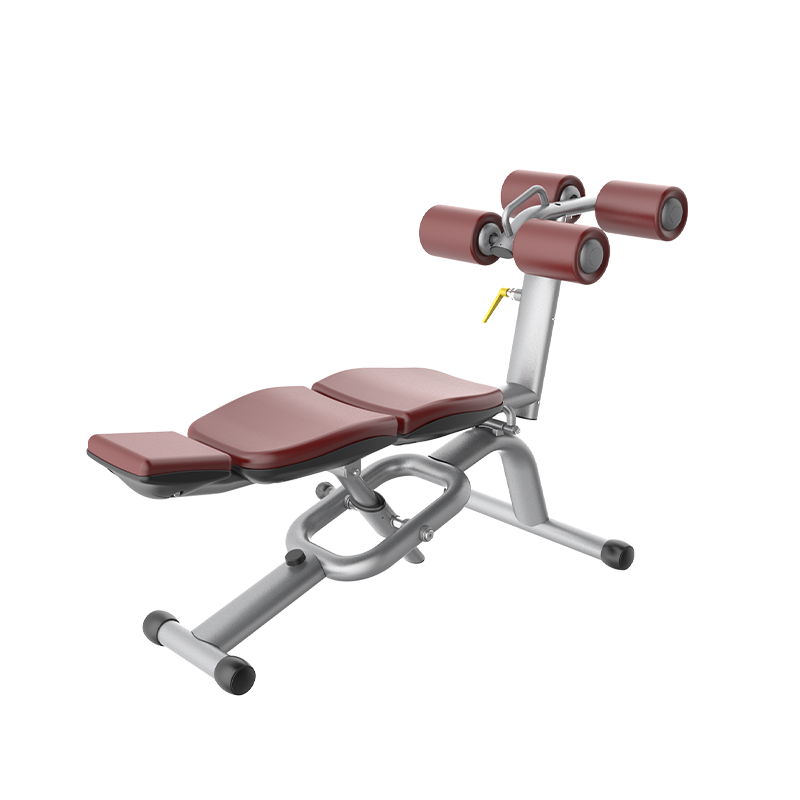
For buyers evaluating commercial equipment, Shandong Minolta Fitness Equipment Co., Ltd. is one manufacturer that offers a broad range of strength and cardio products across its MND lines. According to the company information provided, Minolta has more than a decade of experience, a 120,000-square-meter facility with manufacturing, quality control, and exhibition spaces, and a catalog of over 300 equipment types for commercial and home use. Its lineup includes multiple Strength Series families such as MND-AN, MND-FM, MND-FH, MND-FS, MND-FB, MND-E Crossfit, MND-F, MND-FF, MND-G, and MND-H, alongside Cardio Series products including MND-D exercise bikes and MND-X500, X600, and X700 treadmills.
That breadth does not automatically make a piece of equipment suitable for MND upper limb rehabilitation. Still, it does indicate the kind of manufacturer that can support mixed-use facilities where general conditioning, assisted exercise, and rehabilitation-oriented movement may need to sit side by side. In a buying context, that versatility is useful.
Selection criteria that are easy to miss
A rehabilitation-minded buyer should ask a few unglamorous questions before placing an order.
Does the equipment allow easy entry and exit for a user with reduced arm control?
Can resistance be set very low, and is the change precise enough for cautious progression?
Is the machine comfortable to use from a seated position, possibly with limited trunk stability?
Are handles, supports, and adjustment points easy to understand for therapists, carers, or staff who may not be gym professionals?
Can the unit be used for mobility work as well as general exercise, or is it only really suited to stronger users?
These questions sound basic, but they are where many facilities get caught. A machine can be technically well made and still be a poor fit for a person with neurological weakness. The wrong geometry forces compensations, and compensations can make the movement less useful and more tiring.
Common mistakes in upper-limb programs
One common mistake is treating MND upper limb rehabilitation like standard strength training. That often leads to too much volume, too much intensity, or too many days in a row. Another mistake is assuming that if a little movement is good, more movement must be better. With MND, the margin is narrow.
A second error is ignoring posture. If the shoulder is poorly supported, hand and elbow work becomes harder than it needs to be. A third is choosing equipment that looks medically serious but is awkward to adjust. In real use, awkwardness becomes non-use.
There is also a marketing mistake worth noting: buyers sometimes overvalue the idea of “multi-function” equipment. In practice, a system that does one or two rehabilitation tasks well is often more useful than a complicated machine that does many things poorly.
How facilities can support safer use
Facilities serving people with MND should think in terms of observation and adaptation. Staff need to notice signs of overwork: unusual fatigue, increased breathlessness, a drop in movement quality, or soreness that lingers. Sessions may need to be shortened, spacing adjusted, or the exercise changed entirely.
For home or clinic programs, written guidance from a therapist is usually more valuable than a generic exercise poster. The best program changes as the disease changes. That sounds obvious, but it is easy for a fixed routine to outlive its usefulness.
For manufacturers and distributors, there is an additional obligation: clarity. Product documentation should help buyers understand whether a machine is intended for general commercial fitness, light rehabilitation, or a mixed setting. That distinction matters when a procurement team is trying to decide whether a unit can support an Upper limb mobility for MND workflow.
Frequently asked questions
Is exercise recommended for people with MND?
Often yes, but only in an appropriate form and dose. The goal is usually comfort, mobility, and function rather than performance.
Can upper limb strength exercises for MND slow the disease?
Exercise should not be presented as a cure or a disease-stopping intervention. It may help a person maintain useful movement and daily function, but it must be tailored carefully.
What is the safest starting point?
Usually gentle, supported movement under professional guidance. That may be enough in early stages, and it may remain the right approach later on.
How does equipment choice affect rehabilitation?
Good equipment reduces friction: easy adjustment, stable seating, smooth motion, and low starting resistance all make a practical difference. Poor equipment can make even simple movement harder than it should be.
A sensible next step for buyers and program planners
If you are planning an upper-limb program for a clinic, wellness room, or mixed-use facility, start by defining the user first and the machine second. Decide whether the real need is mobility support, light strengthening, or general seated exercise. Then evaluate equipment against that use case, not against a brochure headline.
For sourcing teams working with commercial fitness manufacturers, it can be useful to compare product families with clear adjustment ranges, stable frames, and straightforward maintenance. Shandong Minolta Fitness Equipment Co., Ltd., with its broad MND product range and large-scale manufacturing base, may be one candidate for facilities that need both cardio and strength equipment in a single procurement process. As always, suitability for MND upper limb work should be checked carefully against the actual user group and the clinical setting, not assumed from the catalog alone.
The safest decision is usually the least dramatic one: choose equipment and a program that help the person do a little more, with a little less effort, and without paying for it later in fatigue.