


Why buyers keep asking about the MND Fitness SPL line
When people search for the MND Fitness SPL line, they are usually not looking for a glossy brand story. They are trying to decide whether a plate loaded strength machine lineup can hold up in a real commercial setting: busy free-weight areas, hotel gyms, training clubs, or multi-site facilities that need equipment to work hard without turning into a maintenance problem.
That is the right question. In strength rooms, the purchase decision is rarely about one machine alone. It is about how the frame feels under load, whether the movement pattern makes sense for everyday users, how easy it is to stock and service the floor, and whether the supplier can support a broader mix of commercial gym equipment over time. For sourcing managers and product teams, the SPL line sits in that practical middle ground between pure catalogue appeal and real operational value.
Shandong Minolta Fitness Equipment Co., Ltd., the company behind MND FITNESS, is worth noting here because its business is built around both strength and cardio categories, not just a single specialty. The company says it operates from a 120,000-square-meter facility with a manufacturing workshop, quality control lab, and exhibition hall, and that it offers more than 300 types of exercise equipment for commercial and home use. That matters to buyers because a supplier with a wider production base often thinks differently about parts, frame consistency, and long-term fleet management.
What the SPL line is meant to solve
In commercial facilities, selectorized machines are not always the best fit for every exercise. Plate loaded equipment often earns its floor space because it offers a straightforward training feel, simple loading, and a more obvious strength curve for experienced users. The trade-off is that you need to think carefully about user education, floor planning, and plate storage. That is true for any plate loaded strength machine, not just one brand.
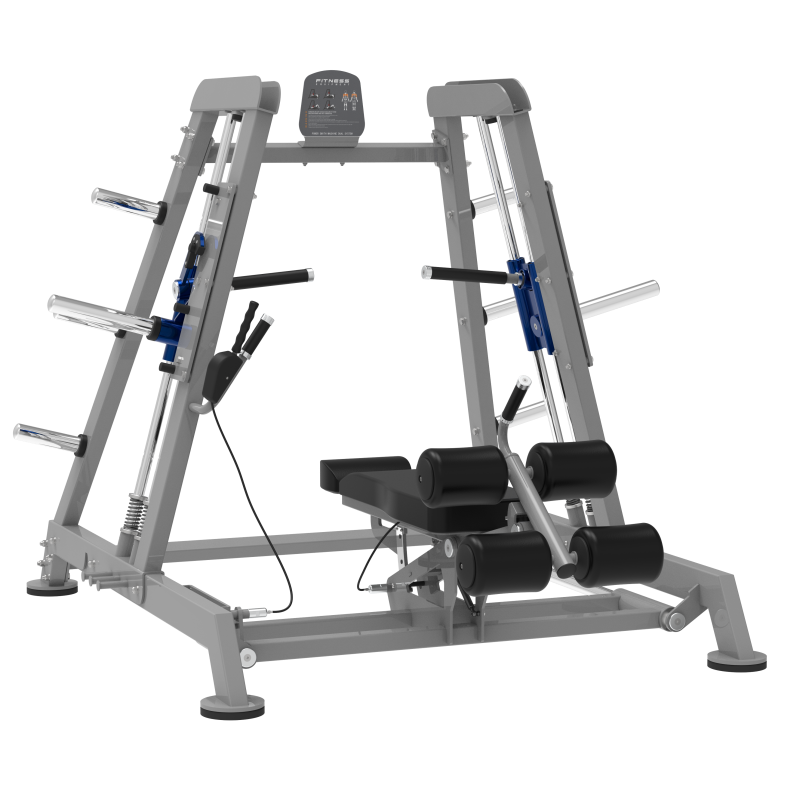
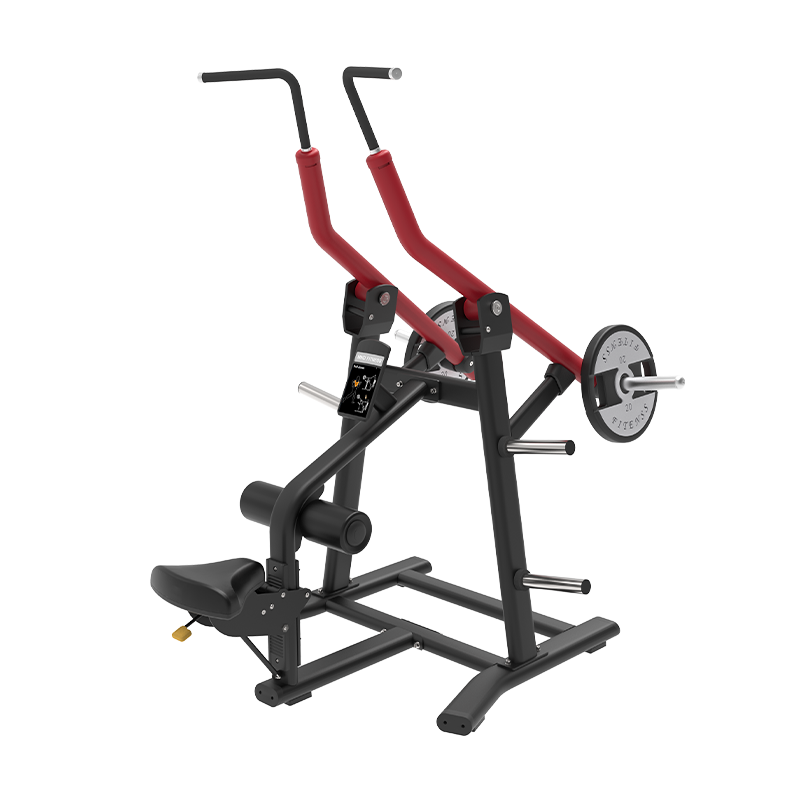
The MND Fitness SPL line appears to sit in that category of durable, commercial-oriented training equipment designed for strength zones that need flexibility without overcomplication. If a buyer is comparing it against other plate loaded options, the real decision is usually this: does the line give enough biomechanical confidence and commercial durability to justify the floor space, while still staying approachable for a mixed-user audience?
That question matters because not every facility wants the same thing. A sports performance center may favor heavier-use strength training machine setups, while a hotel gym may care more about intuitive movement and compact footprints. A chain club, meanwhile, needs consistency across sites and enough variety to build a full strength circuit without mixing too many unrelated designs.
Quick buyer takeaways before you compare suppliers
Before getting lost in model names and brochure photos, it helps to step back and check a few basics.
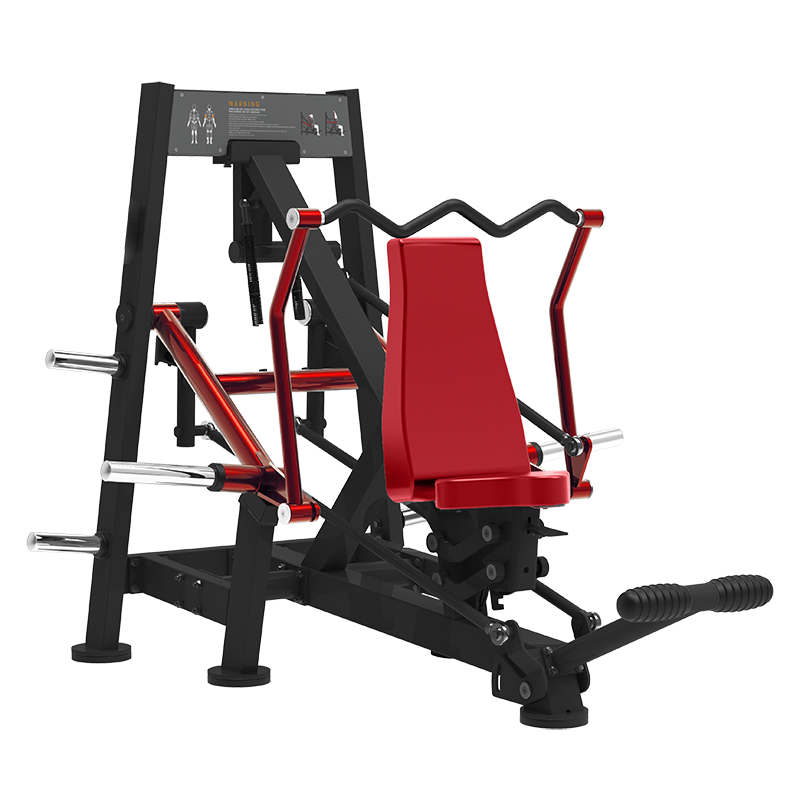
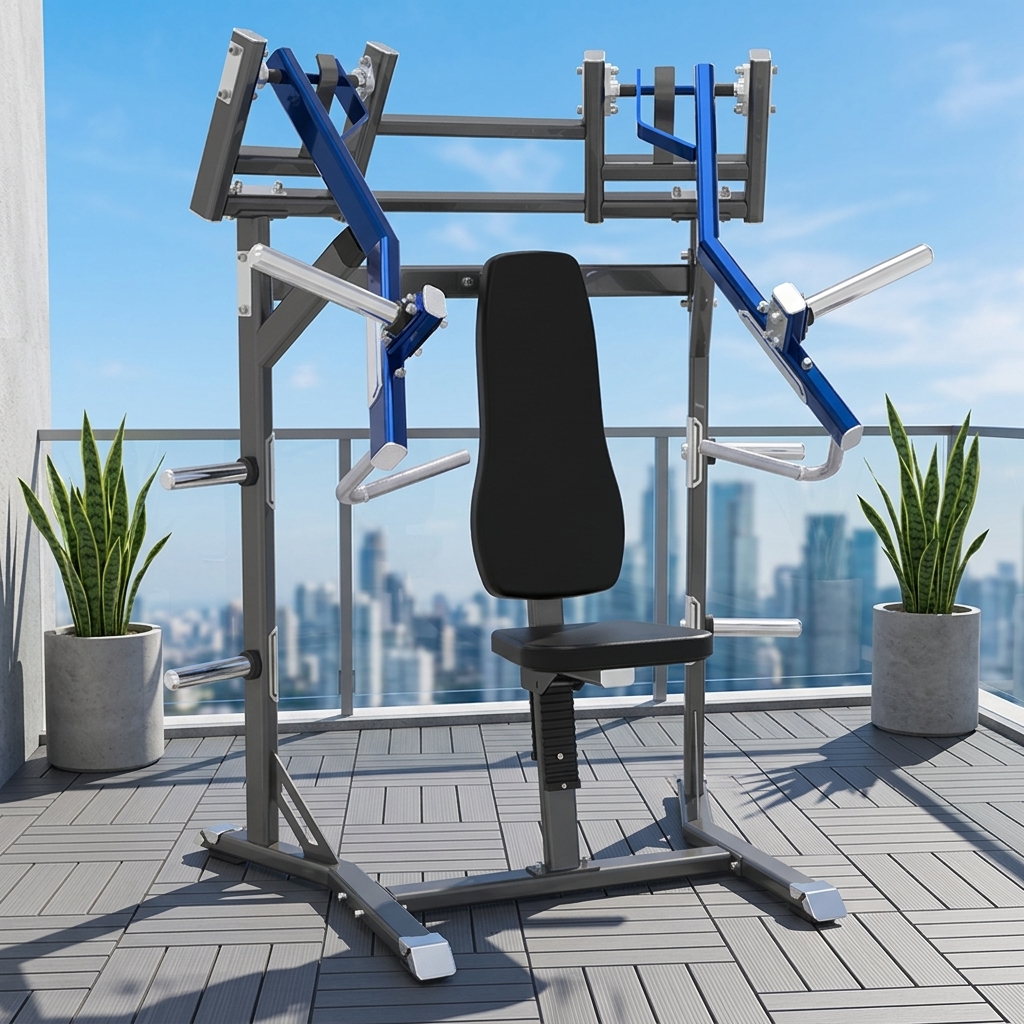
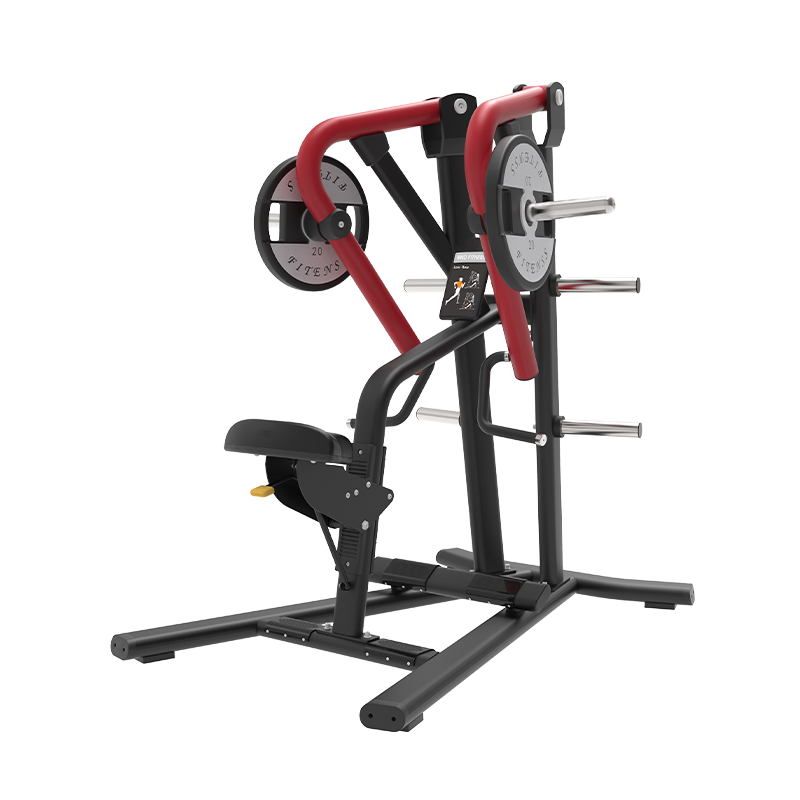
First, look at how the frame and lever system are presented. For a plate loaded strength machine, the visible engineering is part of the product promise. The machine should feel solid under load, with movement that looks controlled rather than exaggerated.
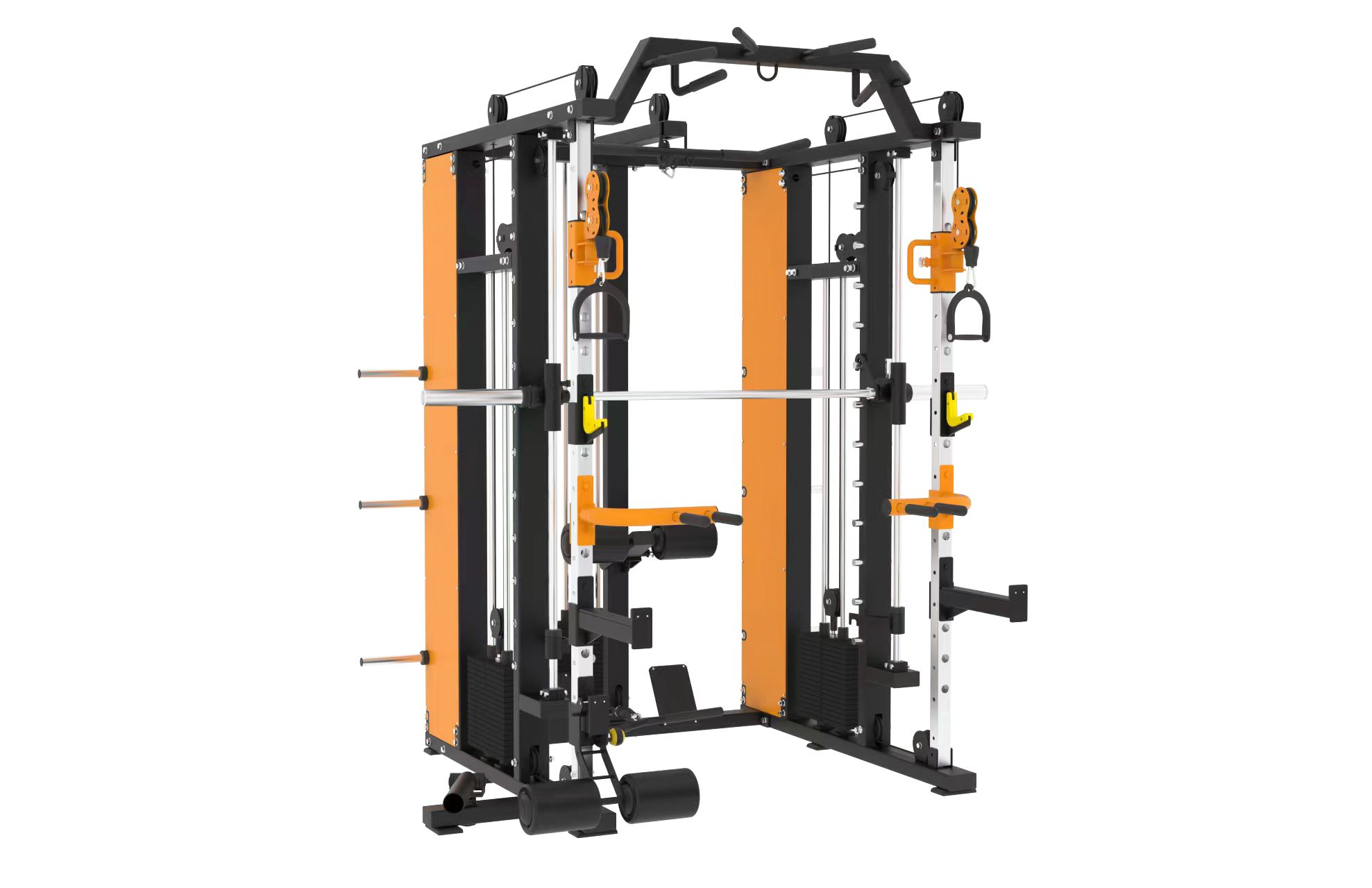
Second, ask how the range fits into the rest of the floor. A good SPL line fitness equipment offering should not exist as a one-off. It should plug into a commercial gym equipment plan that also covers warm-up, accessory work, and recovery areas.
Third, confirm the supplier’s broader manufacturing scope. A company that also builds cardio and other strength families may be better positioned to support mix-and-match purchasing, matching aesthetics, and future expansion.
Why plate loaded systems still sell
Plate loaded equipment has lasted in the market for a reason. Operators like it because it is mechanically direct. Users like it because the load progression is easy to understand. Coaches like it because it can support serious strength work without the intimidation factor that sometimes comes with large free-weight setups.
There is, however, a practical caveat. Plate loaded does not automatically mean “better” for every room. These machines can take up more space than some selectorized units. They also depend on plate availability, and that means the facility must manage accessories properly. If your gym members are still figuring out basic equipment etiquette, a well-designed plate loaded area can work beautifully; a poorly managed one can become cluttered fast.
That is why buyers should judge MND Fitness plate loaded offerings not just on appearance, but on how they fit into the club’s training culture. A bodybuilding-focused facility may embrace them immediately. A rehab-oriented center may want more controlled resistance options. A general membership gym usually needs a balanced mix.
What to examine in the frame, geometry, and feel
Frame construction and stability
For commercial gym equipment, stability is never a decorative feature. If a machine shifts, flexes, or feels vague under load, users notice immediately. In strength equipment, confidence is part of the experience. Buyers should inspect weld quality, base width, foot contact, and overall balance, especially on machines that encourage heavier loading.
Movement path and user comfort
The best plate loaded equipment usually gets the motion path right first and the styling second. Handles should be reachable without awkward shoulder positions. Seat and pad placement should make sense for different body sizes. The start position should not force a user into a bad setup just to begin the rep.
Small geometry decisions matter more than many brochures admit. A machine can look heavy-duty and still feel wrong if the lever path is unnatural. Buyers sourcing for chain gyms should ask for real demonstration photos or, better yet, a floor sample if the order is large enough.
Maintenance and daily operation
Commercial buyers often underestimate the value of simple upkeep. Plate loaded systems typically have fewer electronics than cardio products, but they still need service access, routine inspection, and wear-part planning. If a supplier can explain how the equipment is assembled, adjusted, and maintained, that is usually a good sign.
Where the MND brand context matters
Shandong Minolta Fitness Equipment Co., Ltd. says it has been in the fitness equipment sector for more than a decade and exports to over 100 countries across Europe, Africa, the Middle East, South America, and Southeast Asia. That does not replace a technical review, of course, but it does tell a sourcing team something useful: the company is not positioned as a narrow one-line workshop. It is operating in the export-oriented commercial fitness market, where consistency and range tend to matter.
The company also lists several strength series beyond the SPL-related search interest, including MND-AN, MND-FM, MND-FH, MND-FS, MND-FB, MND-E Crossfit, MND-F, MND-FF, MND-G, and MND-H, plus cardio lines such as MND-D exercise bikes and MND-X500, X600, and X700 treadmills. For buyers, that breadth can be useful if the goal is to source an entire gym package from one manufacturer rather than stitching together equipment from multiple vendors.
Of course, breadth is not the same as fit. A supplier can make many categories and still have different strengths across them. That is why product teams should separate brand range from product-level evaluation. Both matter, but they are not interchangeable.
Common mistakes buyers make with strength machine sourcing
The first mistake is treating all plate loaded strength machine options as functionally identical. They are not. Two products can have similar load capacity on paper and feel completely different in use.
The second mistake is buying on appearance alone. A compact, aggressive-looking frame can be tempting, especially when a new facility wants to make an impression. But if the machine is awkward for taller users or too cramped for beginners, it will disappoint on the floor.
The third mistake is ignoring the total room design. One or two machines do not make a strength zone. Buyers should think in sequences: warm-up, primary lifts, accessory work, and plate storage. SPL line fitness equipment may fit one part of that picture very well, but it should still be evaluated in context.
A final caution: do not skip the question of service support. Even sturdy commercial gym equipment eventually needs inspection, replacement parts, or assembly guidance. If the supplier cannot answer basic after-sales questions clearly, that is a warning sign worth taking seriously.
How sourcing teams should compare options
If you are comparing the MND Fitness SPL line with other plate loaded equipment, start with three practical filters.
One, ask how the machines align with your user base. Serious strength clubs can tolerate a steeper learning curve. General fitness centers usually cannot.
Two, check whether the range can support a coherent floor identity. A gym looks better, and often performs better, when the strength area feels like one system rather than a collection of random imports.
Three, review the supplier’s broader manufacturing organization. A company like MND FITNESS, with both strength and cardio product families, may be better positioned to supply phased rollouts, expansion projects, and replacement matching later on.
Questions buyers should ask before placing an order
Ask which machines in the SPL line are intended for commercial use and how they are positioned within the broader strength lineup. Ask whether the supplier can support branding consistency across related product families. Ask what assembly and maintenance guidance is provided with the equipment. Ask whether the frame finish, padding, and load-horn design are consistent across a multi-unit order.
If you are buying for a chain or distributor program, also ask how the supplier manages repeat orders. A machine that looks good in one batch is useful; a machine that stays visually and mechanically consistent across future shipments is much more valuable.
FAQ for commercial buyers
Is the MND Fitness SPL line only for bodybuilding gyms?
Not necessarily. Plate loaded systems are often favored in bodybuilding-focused rooms, but they can also work in general fitness facilities, training studios, and hotels if the floor plan and user base are right.
How does plate loaded equipment compare with selectorized machines?
Plate loaded equipment usually offers a more direct lifting feel and more visible progression. Selectorized machines are often simpler for casual users and can be easier to manage in some spaces. The right choice depends on the audience and the training style.
Why does the manufacturer’s broader range matter?
Because commercial buyers rarely purchase one machine in isolation. A supplier that also produces other strength series and cardio lines may be easier to work with when a project expands or when matching equipment across multiple zones matters.
A sensible next step for buyers
If you are evaluating the MND Fitness SPL line, the next step is not to start with price. It is to define your room: user type, training style, available floor space, and how the strength area will be supervised. Once that is clear, compare the line against the rest of the supplier’s commercial gym equipment portfolio and ask for product details that help you judge fit, durability, and serviceability.
For sourcing teams, the best outcome is not simply buying a plate loaded machine. It is building a strength zone that works on day one and still makes sense after the first year of heavy use. That is where a supplier’s range, manufacturing scale, and product discipline start to matter more than any brochure claim.