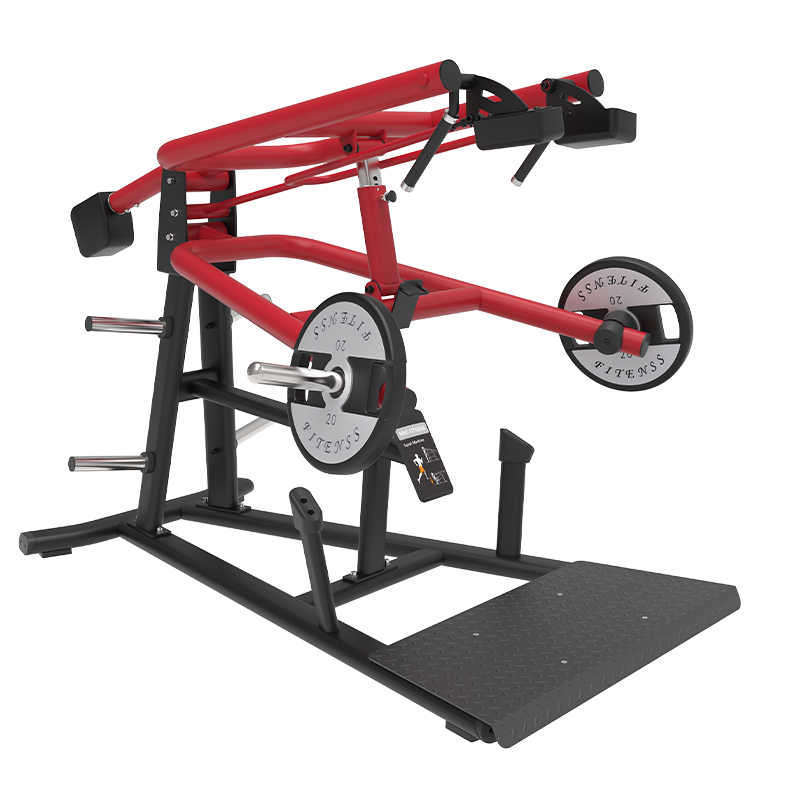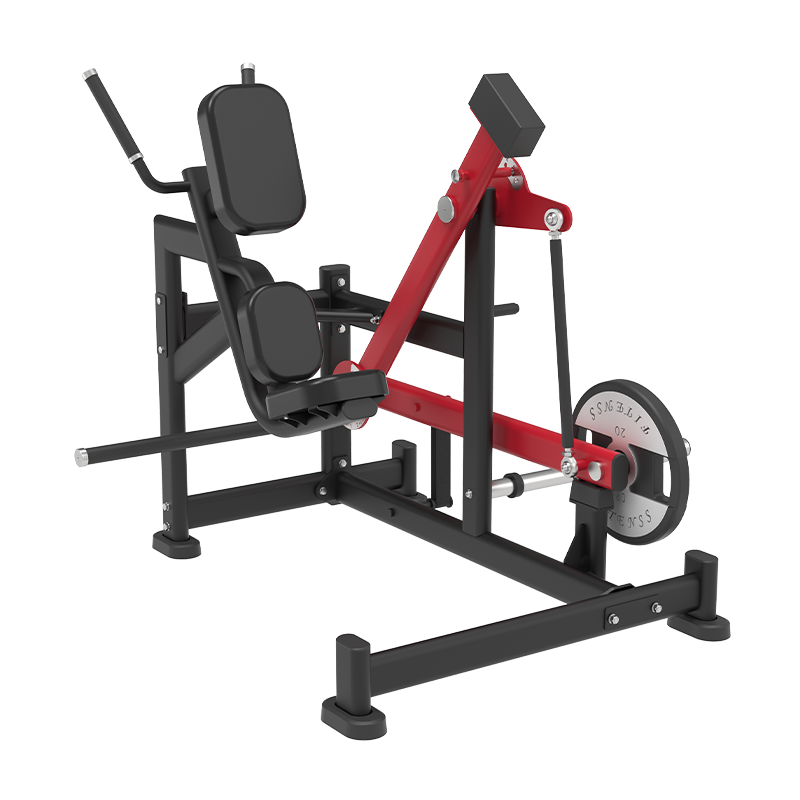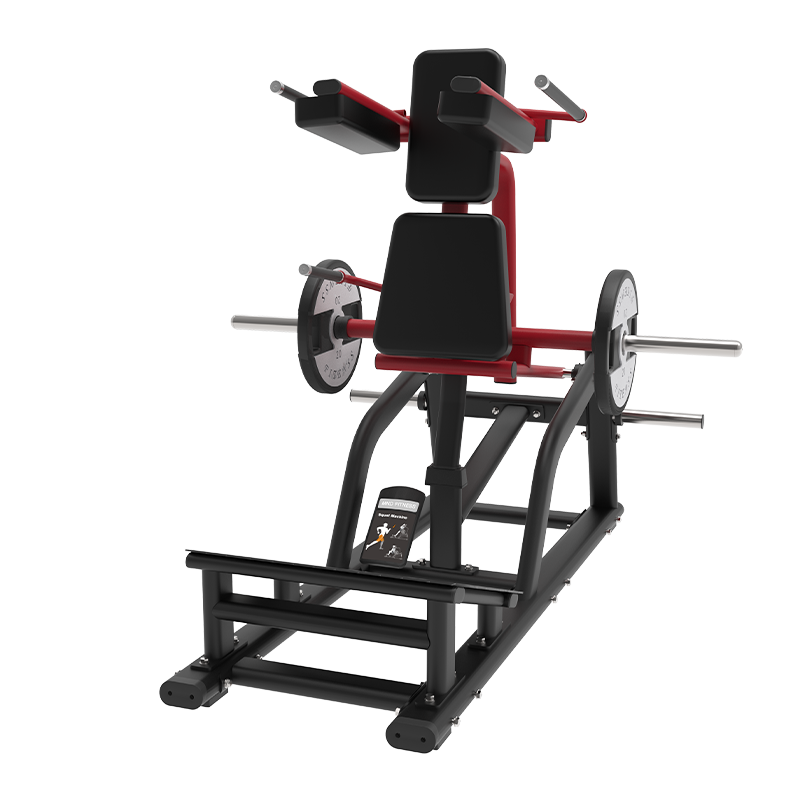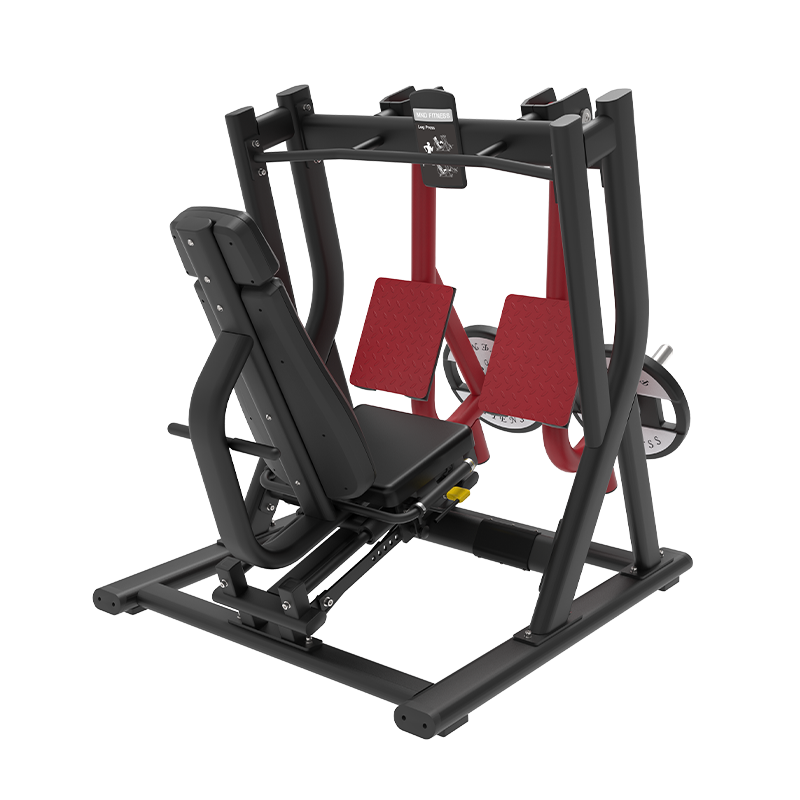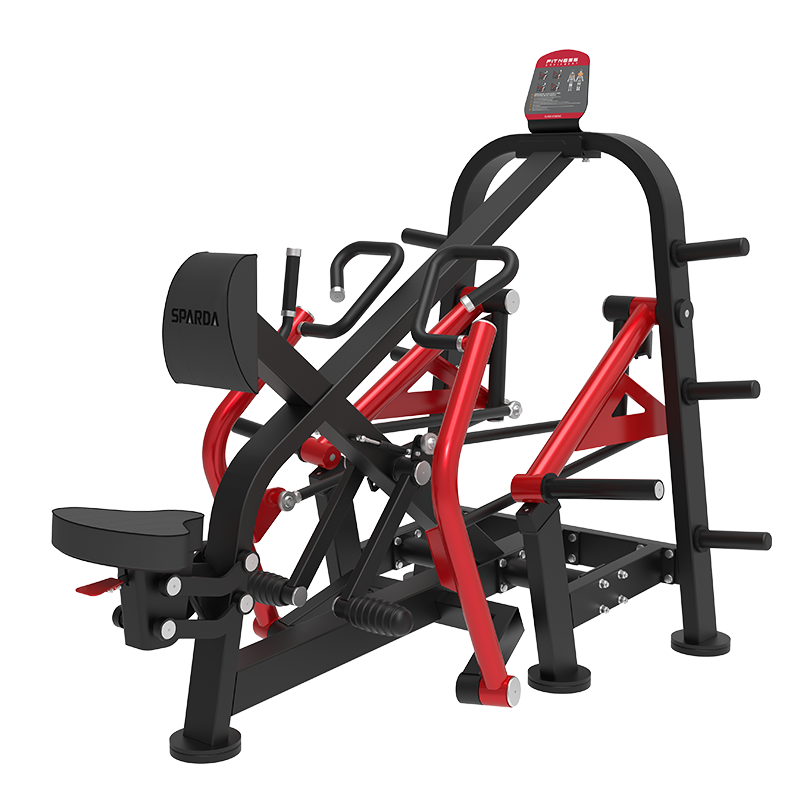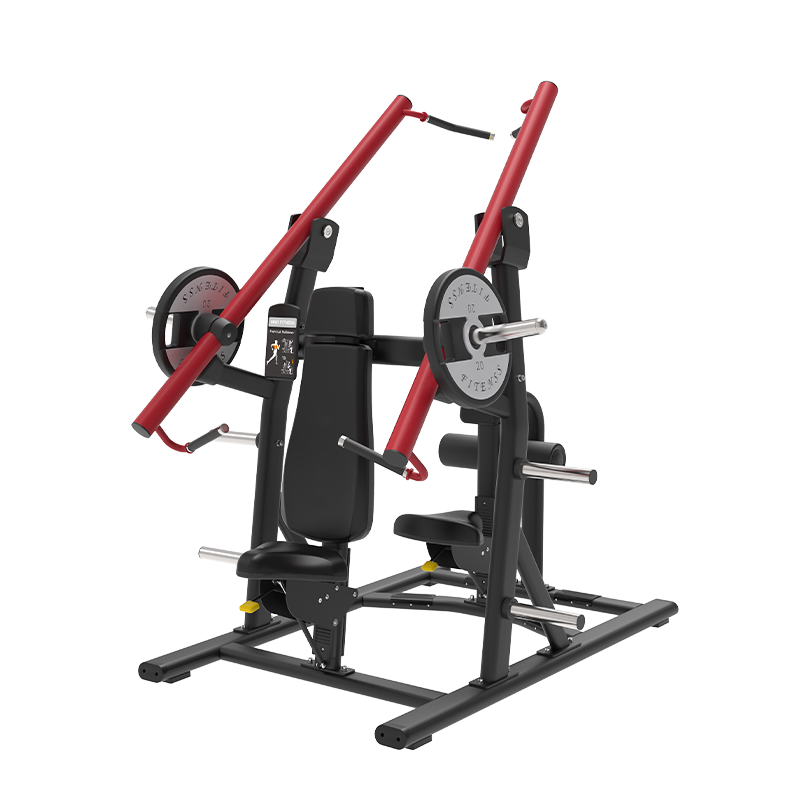



When planning a commercial leg training zone, gym operators face a recurring headache: standard squat racks constantly create floor bottlenecks, while traditional selectorized leg presses often leave advanced lifters wanting more direct spinal-sparing glute and quad recruitment. Sourcing a heavy duty plate loaded squat machine solves this split by delivering barbell-level loading capacity without requiring a spotter or monopolizing your primary power cages. However, with dozens of mechanical variations hitting the commercial catalog—from reverse-pivot pendulum frames to compound V-squats—procurement managers need to look beyond the upholstery stitching and evaluate structural steel profiles, pivot bearings, and load curves before signing purchase orders.
The Structural Realities Behind "Heavy Duty" Claims
In B2B commercial fitness procurement, "heavy duty" gets tossed onto specification sheets with alarming casualness. For a piece of equipment designed to hold upwards of 400 to 500 kilograms of Olympic iron alongside an athlete's dynamic bodyweight, structural rigidity is a liability concern, not just an aesthetic one.
True commercial-grade leverage squat frames start with cold-rolled structural steel tubing, typically with a minimum wall thickness of 3.0 mm (11-gauge equivalent) or heavier box sections like 50x100 mm or 60x120 mm. When an athlete decelerates at the bottom of an eccentric stroke with six 20-kg plates loaded per side, immense torsional forces travel straight into the base frame. Substandard tubing or inadequate gusset plate reinforcement yields perceptible frame flex. That flex doesn't just feel cheap under load; it misaligns the pivot axis and accelerates bearing wear exponentially.
Equally critical is the pivot assembly itself. Light-commercial builds often cut corners by relying on basic sleeve bushings or light-duty ball bearings that deform under asymmetrical loading (for instance, when a lifter shifts slightly to one side during a grinding repetition). Industrial-grade deep-groove sealed bearings or heavy pillow-block roller bearings housed in solid-turned steel hubs are mandatory to maintain smooth, bind-free travel through the entire arc.
Comparing Leverage Geometries: Which System Fits Your Facility?
A plate loaded squat machine for gym applications is rarely a one-size-fits-all asset. The mechanical trajectory dictated by the pivot point fundamentally changes muscular engagement and floor space requirements.
1. The Leverage V-Squat / Hack Hybrid
These units place the athlete on an angled platform facing into or away from the machine, utilizing shoulder pads that travel along a fixed curvilinear arc. They are the workhorses of mainstream health clubs because they accommodate diverse user heights with straightforward entry and exit. The arc usually provides a stabilizing drop in perceived resistance right at the deepest point of flexion, easing patellar pressure.
2. The Pendulum Squat
Pendulum designs use an elongated rear pivot arm and a counterbalanced platform. As the user descends, the counterweight shifts the biomechanical load curve, keeping continuous tension on the quadriceps while substantially reducing shear forces on the lumbar spine. They demand slightly more square footage and tend to carry a higher manufacturing cost due to counterweight balancing, but they have quickly become non-negotiable for bodybuilding-focused facilities and strength conditioning centers.
3. Belt-Loaded Squat Platforms
By anchoring the load directly around the hips via a specialized belt, these systems take spinal compression completely out of the equation. They represent an outstanding recovery tool for athletic training departments. That said, loading and strapping in requires a steeper user learning curve, which can slightly slow down turnover during peak operating hours compared to standard shoulder-carriage leverage frames.
Critical Inspection Checkpoints for B2B Sourcing
When reviewing technical specifications or inspecting factory samples on the floor, procurement teams should run through these specific manufacturing details:
- Footplate Dimensions and Surface Treatment: A small, flat plate restricts foot placement variations and prevents users from effectively biasing the adductors or glutes. Look for oversized, multi-angle platforms finished with deeply scored aluminum diamond-plate or textured anti-slip powder coating. Avoid smooth paint finishes that become slick when sweat hits the deck.
- Safety Lockout and Racking Geometry: Test the emergency stop mechanisms under full displacement. Can an exhausted user easily engage the safety catch from the bottom position without needing outside assistance? The engagement handles should be accessible without forcing shoulder hyperextension.
- Loading Horn Clearances and Angles: Weight horns must provide adequate usable sleeve length (typically 350 mm or more per side) to fit wide bumper plates or stacked cast-iron discs. Crucially, verify that horns feature a slight upward pitch (3 to 5 degrees) to prevent plates from shifting outward during rapid concentric bursts.
- Wear Protection on High-Traffic Zones: Stainless steel or heavy hard-chrome scuff guards on the plate pegs and frame contact points prevent bare-metal rust spots after years of metal-on-metal plate friction.
Manufacturing Pedigree: Sourcing from Industrial Hubs
Where and how equipment is fabricated has a direct correlation to total landed value and spare-parts availability. Over the past decade, the global supply chain has leaned heavily toward specialized manufacturing clusters capable of delivering end-to-end tooling, laser cutting, robotic welding, and automated surface treatment under one roof.
Facilities based in established manufacturing hubs—such as Ningjin County in Shandong Province—draw directly on deep local hardware and structural steel ecosystems. Manufacturers like Shandong Minolta Fitness Equipment Co., Ltd. (operating the MND Fitness brand) utilize expansive 120,000-square-meter operations to run high-volume commercial production across dedicated strength lines, such as their MND-F, MND-G, and MND-H series. Having integrated QC labs and on-site metal fabrication helps commercial importers secure robust structural tolerances without paying the exorbitant markups associated with fragmented supply chains.
For buyers managing multi-container rollout schedules across private gym franchises or commercial chains, vetting a supplier's internal fabrication capacity—rather than buying from trading intermediaries—ensures long-term availability of identical replacement parts like shoulder pads, pivot shafts, and rubber bumpers.
Common Specification Mistakes to Avoid
One frequent mistake is prioritizing compact footprints over user stability. A heavy duty plate loaded squat machine requires a broad base stance; if an OEM trimmed 20 centimeters off the footprint to make it fit tighter spaces, high-load sets can cause frame rocking unless bolted directly into concrete subfloors.
Another blind spot is upholstery foam density. Lightweight bonded scrap foam quickly packs out under heavy shoulder loading, leaving users resting their collarbones on raw plywood backing after six months of high-traffic use. Specify high-resilience, injection-molded polyurethane foam with marine-grade vinyl stitching that resists tearing and gym disinfectant degradation.
Frequently Asked Questions
What is the typical load capacity required for a commercial-grade squat machine?
A legitimate commercial plate-loaded frame should carry a safe working load (user weight plus plate payload) of at least 450 to 500 kg (approx. 1,000 lbs). If an OEM rates their equipment below 350 kg total capacity, it is generally built on lighter residential or light-commercial tube gauges.
Does a plate loaded squat machine for gym use require floor bolting?
While many well-balanced units sit securely on heavy rubber vibration feet, bolting to the slab is strongly recommended for commercial liability reasons, particularly for pendulum and leverage models where aggressive lockouts create lateral rocking forces.
How often should pivot bearings be serviced on these machines?
Most modern commercial units use sealed industrial bearings that do not require frequent repacking with grease. However, bearing housing bolts, linkage pins, and safety stop bumpers should be inspected every quarter as part of regular preventative maintenance.
Next Steps for Procurement and Facility Layout
Before adding a leverage squat unit to your floor plan, analyze your existing leg zone traffic. If your barbell stations are clogged with athletes doing dynamic squatting, an isolated leverage squat unit will instantly relieve pressure on your power racks while raising overall safety. Request factory structural drawings, confirm base steel thicknesses, and verify container loading packing methods with your supplier to prevent frame scratches during maritime transit.